Tag: Overtaking

  • James Vowles Backs Madrid as ‘One to Watch’ Despite Calls for Changes

    James Vowles Backs Madrid as ‘One to Watch’ Despite Calls for Changes

    Key Highlights

    • Williams team principal James Vowles praised the inaugural Madrid Grand Prix organization, calling it potentially “one of the races to watch in the future” despite the circuit’s overtaking limitations.
    • The Madring street circuit offers exceptional logistics: 30 minutes from the city center, 10 minutes by metro, and roughly ten times the paddock space of typical venues.
    • Vowles confirmed Williams’ difficult weekend exposed their ongoing performance deficit, while noting Pirelli’s tyre selection—particularly the hard compound—was well-suited to the new tarmac.

    Vowles Hails Madrid Debut as Logistical Triumph Despite Racing Criticism

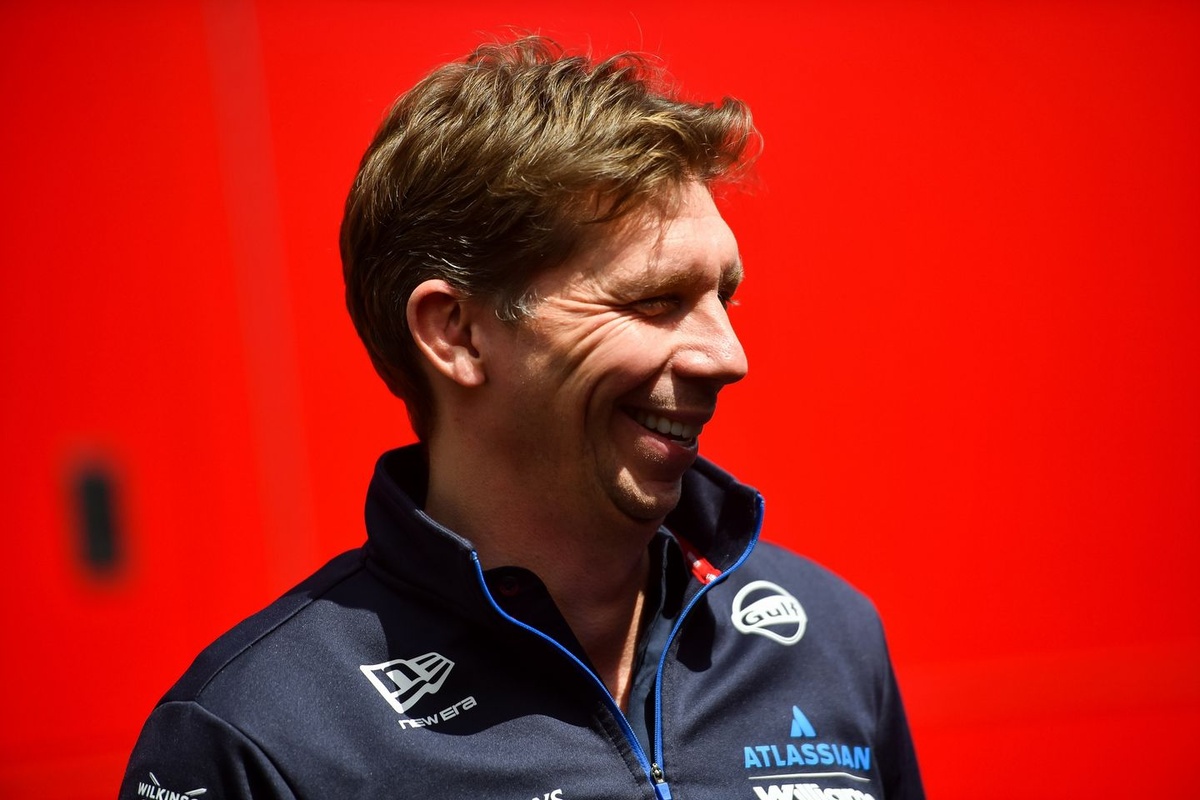
    Williams Racing team principal James Vowles has delivered a strong endorsement of Formula 1’s newest venue, declaring the inaugural Spanish Grand Prix at the Madring circuit a logistical success that could become a championship highlight. Speaking on the latest episode of The Vowles Verdict, the team chief commended the event organizers for avoiding the chaotic teething problems that typically plague first-year street races.

    “First and foremost, well done to the organisers,” the Williams team chief said during the latest episode of The Vowles Verdict. “It’s the first year of the grand prix, and typically that just means the event is a little chaotic, but it wasn’t the case in Madrid.

    Vowles emphasized the venue’s unique geographic advantages, noting its proximity to the Spanish capital and expansive footprint. He highlighted that the circuit sits just half an hour from the city centre—a journey reduced to roughly ten minutes via metro—and offers a paddock area approximately ten times larger than the standard allocation at other venues. While that space allows for significantly higher spectator capacity, Vowles candidly acknowledged the trade-off: considerable walking distances between the two main arena zones and the garages.

    “In fact, what I would say is it may be one of the races to watch in the future. Half an hour from the city centre, a capital city, 10 minutes, I think, if you took the metro as a result of it. Huge space, probably 10 times more space than we would normally have available to us, which has pros and cons. Pros means you can fit more people in. Cons, you wear out your shoe leather walking between the two different arenas and to the cars.”

    Technical Layout Praised, but Overtaking Deficit Looms Large

    On the sporting side, the verdict was more mixed. Drivers universally described the Madring layout as a demanding technical challenge, yet the race itself suffered from a distinct lack of overtaking opportunities—a shortcoming that has already prompted calls for layout revisions ahead of the 2027 edition. Vowles confirmed that circuit promoters are expected to study potential improvements to enhance the on-track spectacle.

    “In terms of the track itself, as you saw, very technical, and the drivers all commented that it was a difficult challenge for them, an enjoyable challenge for them,” Vowles continued. “But the racing also suffered slightly, and I’m sure the circuit organisers will be looking into how they can improve that for next year.”

    Williams’ Struggles Magnified by Circuit Demands

    For Williams, the weekend underscored the team’s current competitive trajectory. Vowles was blunt in his assessment: the Madring weekend was always anticipated to be difficult, and the circuit’s characteristics merely amplified the squad’s existing performance shortfall relative to midfield rivals. He pointed to a prolonged period without meaningful car upgrades as the root cause of their slide down the order.

    “For us, a difficult grand prix, we knew it was going to be difficult going into it. It’s just exaggerating the issues we have at the moment and we haven’t added performance to the car for far too long and have fallen back relative to teams around us.”

    Tyre Management and Pirelli’s Successful Selection

    Delving into the tyre data, Vowles revealed a clear split in compound performance. The soft and medium tyres suffered from pronounced graining—a rapid degradation of surface grip lap-on-lap—particularly evident during long runs rather than qualifying stints. Conversely, the hard compound proved remarkably durable, with multiple drivers able to stretch stints to near-full race distance. Vowles credited Pirelli for selecting the correct allocation and noted the new asphalt surface was in excellent condition, providing a stable platform for the compounds.

    “If I now focus on the details you may have seen on the softer compounds, the soft and the medium, we had graining, and that’s where the tyre suddenly just starts to lose a lot more performance every lap. Noticeable on the long runs, not in qualifying conditions. But the hard tyre, however, was a tyre, as you saw with a number of cars that could run near enough for the whole race. It was really on the edge, but just about on the good side. That means Pirelli have done a very good job bringing the right tyres to the event. It also means the circuit, the tarmac, was in a good state for it as well.”

    Concluding his analysis, Vowles reiterated that the primary objective for future editions must be improving overtaking dynamics, but he signed off with an unequivocal thumbs-up for the event’s debut.

    “As I said, the main real issue is: let’s look into how we can get more overtaking in future years. Otherwise, well done. Brilliant first race.”

    Why This Matters

    The Madrid Grand Prix represents Formula 1’s latest strategic push into major metropolitan markets, following the blueprint established by events in Las Vegas, Miami, and Singapore. Its successful logistical execution—seamless public transport integration, massive spectator capacity, and a purpose-built facility footprint—sets a new operational benchmark for street circuits. However, the overtaking deficit highlights the persistent tension between urban venue constraints and the sporting requirement for wheel-to-wheel racing. With the current contract running through 2026 and a likely extension to 2035, the FIA, FOM, and local promoters now face a critical 18-month window to engineer layout modifications—potentially widening key straights or reprofiling corners—before the 2027 season. For Williams, the weekend served as a stark data point: without a substantive aerodynamic upgrade package before the summer shutdown, the team risks cementing a backmarker status for the remainder of the 2025 campaign.

    Frequently Asked Questions

    Where is the Madrid Grand Prix held and how accessible is it?
    The race takes place at the Madring street circuit, located approximately 30 minutes from Madrid city centre by car and roughly 10 minutes via metro, offering exceptional public transport connectivity for a Formula 1 venue.
    What were the main criticisms of the inaugural Madring layout?
    The primary criticism centered on a lack of overtaking opportunities during the Grand Prix, prompting expectations that circuit organizers will pursue layout revisions ahead of the 2027 edition to improve the racing spectacle.
    How did Williams perform and what tyre strategy insights emerged?
    Williams endured a difficult weekend that exposed their ongoing performance deficit. The soft and medium tyres suffered from significant graining on long runs, while the hard compound proved highly durable, allowing near-full-race stints—Pirelli’s selection was validated by the new asphalt’s good condition.
  • McLaren: Impossible Overtaking Cost Lando Norris Madring F1 Win

    McLaren: Impossible Overtaking Cost Lando Norris Madring F1 Win

    McLaren Formula 1 team principal Andrea Stella has identified the Madring circuit layout as the primary factor preventing Lando Norris from converting pole position into victory at the Spanish Grand Prix. Despite a dominant early pace, Norris fell victim to a poorly timed virtual safety car and, ultimately, a track design that offered virtually no overtaking opportunities.

    Virtual Safety Car Timing Undermines Norris Lead

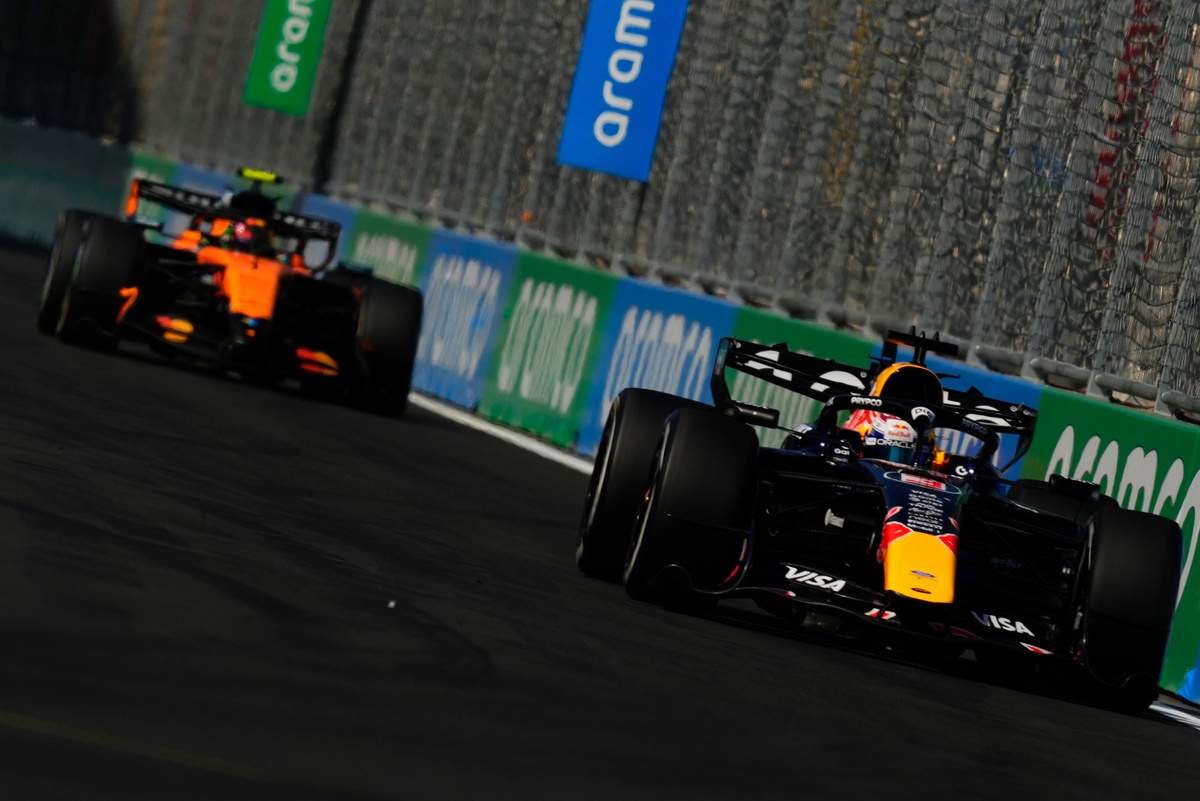
    Norris started from pole at Madrid’s new street circuit and immediately built a six-second advantage over the opening 12 laps. That margin, however, became a liability when the virtual safety car (VSC) was deployed. Because Norris was too far ahead to pit without losing track position, he stayed out while rivals stopped.

    When Norris eventually pitted, a seven-second tire change dropped him 16 seconds behind Kimi Antonelli. Although the British driver slashed that deficit to challenge Antonelli and Max Verstappen for the lead by lap 48, he was unable to execute a pass.

    Stella: Slow Pit Stop Did Not Cost the Win

    Stella dismissed the idea that the sluggish stop altered the race outcome, emphasizing the circuit’s fundamental limitations.

    “Because probably Lando would have [come out] anyhow behind [George] Russell,” he pointed out. “And even if not, it would have not been possible to overtake Verstappen and Antonelli.

    “So, definitely, we take note that there’s a lot of work to do in our operation. And it’s not the first time that we have a slow stop. But in terms of the race itself, it didn’t make a difference.”

    The McLaren boss acknowledged the recurring operational issue but insisted the track layout rendered the pit-stop delay irrelevant to the final result.

    Madring Produces Fewest Overtakes of 2026 Season

    Data from Sunday’s race supports Stella’s assessment. The event featured just 10 overtaking moves—the lowest total of the 2026 campaign so far, even fewer than the 11 recorded at the traditionally processional Monaco Grand Prix. Four of those 10 passes involved backmarkers Valtteri Bottas or Lance Stroll being overtaken at the rear of the field.

    Turn 5 Geometry Blocks Overtaking Attempts

    The circuit’s primary passing zone, the heavy braking area at Turn 5, proved ineffective. The corner follows a curve that complicates braking precision, and its narrow width prevents two cars from entering side-by-side.

    “When it comes to overtaking, it’s a shame that it’s so difficult,” Stella added. “It just requires a large, large lap time difference to be able to overtake. I think what F1 will have to review is whether there are some modifications required at this circuit in order to introduce an overtaking possibility.

    “Because at the moment, the fact is that the straight may be long enough, but there’s absolutely no way that two cars can enter [Turn] 5 together. So it’s basically impossible an attempt of overtaking – which is a bit of a shame, because I think if overtaking was possible today, we would have [had] Lando regaining the lead, because the pace advantage was significant.”

    Circuit Modifications Under Consideration

    Stella’s remarks place the onus on Formula 1 and the circuit promoters to evaluate layout changes for future editions. With a straight that theoretically supports slipstreaming but a choke point that negates side-by-side racing, the Madring in its current configuration prioritizes track position over race craft—a dynamic that turned a potential Norris masterclass into a strategic dead end.

  • Max Verstappen on Fixing Madrid’s New F1 Circuit: “If they give me the track map…”

    Max Verstappen on Fixing Madrid’s New F1 Circuit: “If they give me the track map…”

    Formula 1 drivers have voiced significant concerns about the new Madring circuit layout following qualifying for the Spanish Grand Prix in Madrid. While support series races at the IFEMA complex have seen multiple incidents, the premier class has avoided major chaos so far. However, the consensus suggests Sunday’s race could present substantial overtaking challenges.

    Verstappen Criticizes Track Design and Overtaking Prospects

    Reigning champion Max Verstappen was blunt in his assessment during the post-qualifying press conference.

    “I still need to figure out a corner where to pass,” Max Verstappen said straight away at the start of the press conference.

    Verstappen acknowledged the quality of the new asphalt but highlighted fundamental design flaws.

    “They did a good job with the tarmac, even though in some places it’s already a bit too bumpy for a new track. But the corners, like I said before, you can’t overtake.
    “For the braking zones, they need to learn that it should never be that you have to steer and combine that under braking. It doesn’t allow any kind of overtaking. So, in terms of track design, I think it can be better. I also think that input from the drivers on track designs can help a lot in the future.”

    Braking Zones Identified as Primary Defect

    Speaking to Dutch media in the paddock while watching the Formula 3 sprint race start, Verstappen reinforced his view that the circuit layout discourages racing.

    “Well, now we can stop watching, now everyone is just following each other,”

    he remarked, referencing the lack of passing opportunities. The Red Bull driver explained that the braking zone geometry eliminates the possibility of out-braking an opponent.

    “Then there is only one line and that makes it very easy to defend as well,”

    Verstappen clarified when asked by Motorsport.com about the braking zones.

    Asked what changes would improve the racing, the four-time world champion offered a candid response.

    “Almost all the braking zones! If you give me the track map, I’ll sort it out.”

    On a more constructive note, Verstappen expressed willingness to collaborate with the FIA and circuit designers.

    “They can always ask me, ‘What do you think of this layout?’ I don’t want to go into details now, because you have different track designers, but sometimes I do talk to someone about certain opinions and circuits. Ultimately, a driver knows very well what is needed or what a good corner should look like.”
    “There are also some good examples, like Austin. You can race well there. Certain corners are nice and wide. At least you can make a move there, and even if it doesn’t work straight away, you can still fight on the corner exit. There are enough examples of how to do it properly.”

    Drivers Excluded from Pre-Construction Consultation

    Verstappen revealed that driver input was not sought before the Madring was built, a recurring issue with new venues.

    “In Jeddah, we were able to change a few things, but you should really do that beforehand, before the track is built.”

    Excessive Pitlane Length Compounds Strategic Limitations

    Beyond the racing line, the pitlane configuration has drawn unified criticism. The lane is effectively bisected by an IFEMA exhibition hall, creating an unusually long transit time. Lando Norris raised the issue during the press conference, and Verstappen concurred.

    “Yeah, we’ve already talked about that with the FIA and they understood our point as well. It’s not convenient, it hasn’t been thought through logically,”

    Verstappen said.

    This design quirk carries strategic weight. High tyre degradation observed during practice and qualifying would typically encourage multiple stops, but the punishing pitlane delta combined with the premium on track position will likely push teams toward one-stop strategies on race day.

    2026 Power Unit Characteristics Frustrate Qualifying Approach

    Verstappen also pointed to the upcoming 2026 regulations as a factor diminishing the qualifying spectacle. Energy management requirements forced compromises on several corners, including the banked turn and the Turn 18-19 sequence.

    “Considering the circumstances and what these cars are like, this qualifying was reasonably OK. It’s just that I want to take that banked corner flat-out, but if I do that, then I lose more time on the straight afterwards.
    “That means you have to come off the throttle, wait a little bit to charge the battery and then you have more top speed later. All those kinds of things. The same in Turns 18 and 19. You have to lift there as well, because if you stay flat-out, then you don’t have any battery left afterwards.”

    Cautious Optimism for Future Iterations

    Despite the litany of issues, Verstappen sees potential for the venue if modifications are made.

    “If they can maybe change the circuit in a few places, then definitely. Look, I’m never really a fan of street circuits, but there are worse ones on the calendar.”