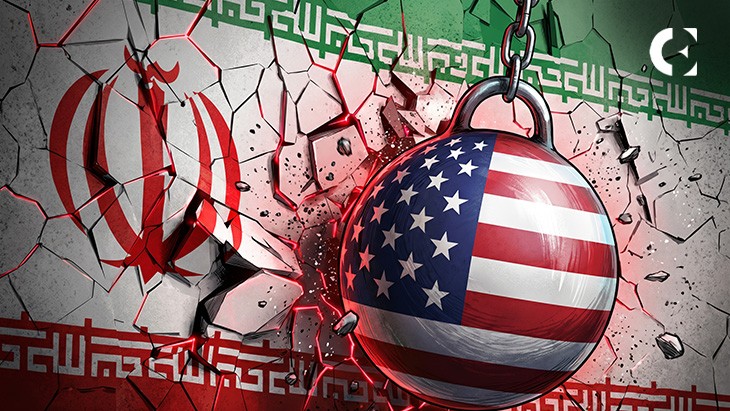
Tag: Operation Economic Outcast

  • US Sanctions Iran’s BitBank, Zanjani Associates Over Crypto Network

    US Sanctions Iran’s BitBank, Zanjani Associates Over Crypto Network

    Key Highlights

    • The U.S. Treasury Department sanctioned Iranian crypto exchange BitBank, its developer Pishtaz Simorgh Electronic Trade Company, and four individuals linked to financier Babak Zanjani for moving hundreds of millions of dollars in Bitcoin to Iran’s Islamic Revolutionary Guard Corps.
    • The designations were announced under “Operation Economic Outcast” and target a network that operated between June and July to evade U.S. sanctions on the Iranian regime.
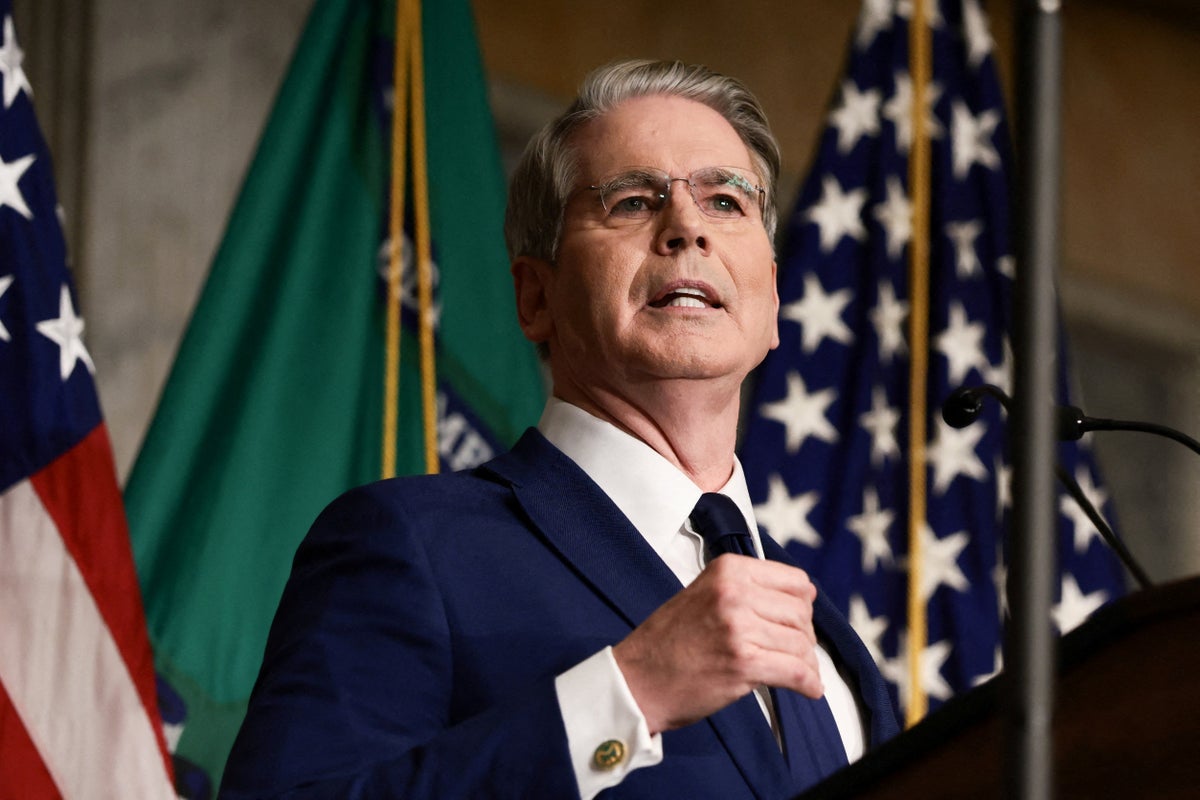
    • Treasury Secretary Scott Bessent declared that cryptocurrency will not shield those supporting the Iranian government, stating: “If you support the Iranian regime, the Department of the Treasury will sanction you.”

    Treasury Targets Iranian Crypto Network in Sanctions Sweep

    The U.S. Department of the Treasury’s Office of Foreign Assets Control (OFAC) has levied sanctions against BitBank, an Iranian digital-asset exchange, and a constellation of associated entities and individuals accused of facilitating sanctions evasion on behalf of the Iranian government. The action, unveiled as part of the Treasury’s “Operation Economic Outcast,” underscores the administration’s escalating focus on cryptocurrency as a vehicle for illicit state financing.

    BitBank and the Zanjani Connection

    According to OFAC, BitBank has marketed itself as an Iranian digital-asset exchange since at least 2024. The platform’s software was developed by Pishtaz Simorgh Electronic Trade Company, a subsidiary of Dot One, which was also designated in the sweep. The agency alleges that Iranian financier Babak Zanjani utilized BitBank between June and July to transfer hundreds of millions of dollars worth of Bitcoin. The Treasury asserts these funds were ultimately channeled to Iran’s Islamic Revolutionary Guard Corps (IRGC), a designated foreign terrorist organization, as part of a deliberate effort to circumvent U.S. economic restrictions.

    Individual Designations and Corporate Ties

    Beyond the exchange and its developer, OFAC sanctioned three individuals identified as key operators within the network: Hossein Ali Zaker Hossein, Mohammad Mahdi Zaker Hossein, and Seyed Adel Heidari. The designations freeze any assets these targets hold under U.S. jurisdiction and generally prohibit American persons from engaging in transactions with them. The restrictions also extend to any entities owned 50% or more by the blocked individuals or entities, creating a broad compliance net for financial institutions and crypto service providers.

    Bessent Warns Crypto Offers No Safe Harbor

    Treasury Secretary Scott Bessent delivered a pointed message regarding the role of digital assets in sanctions evasion. He emphasized that the use of cryptocurrency would not insulate actors supporting the Iranian regime from U.S. enforcement.

    “If you support the Iranian regime, the Department of the Treasury will sanction you.”

    The statement signals a hardening posture toward the intersection of crypto finance and state-sponsored illicit finance, putting exchanges, developers, and intermediaries on notice that technical innovation does not confer legal immunity.

    Why This Matters

    The designations represent a significant escalation in the U.S. strategy to disrupt the financial pipelines of the Islamic Revolutionary Guard Corps. By targeting the technical infrastructure—specifically the exchange software developer Pishtaz Simorgh—alongside the operators, the Treasury is attacking the “on-ramps” and “off-ramps” that allow sanctioned actors to convert crypto into usable fiat currency. This move aligns with a broader global regulatory trend, including Financial Action Task Force (FATF) guidelines, demanding that virtual asset service providers implement the same Know Your Customer (KYC) and Anti-Money Laundering (AML) controls as traditional banks. For the crypto industry, the action serves as a stark reminder that jurisdictional boundaries are porous when U.S. sanctions are involved, and that “decentralized” technology does not prevent centralized enforcement against identifiable corporate entities and developers.

    Frequently Asked Questions

    What specific activities triggered the sanctions on BitBank?

    OFAC alleges that BitBank was used by Iranian financier Babak Zanjani between June and July to move hundreds of millions of dollars in Bitcoin, with the funds ultimately reaching the Islamic Revolutionary Guard Corps (IRGC) to bypass U.S. sanctions.

    Who else was sanctioned besides the exchange?

    The Treasury designated BitBank’s developer, Pishtaz Simorgh Electronic Trade Company (a subsidiary of Dot One), and three individuals: Hossein Ali Zaker Hossein, Mohammad Mahdi Zaker Hossein, and Seyed Adel Heidari.

    What are the practical consequences for U.S. persons and businesses?

    U.S. persons are required to block any property or interests in property of the sanctioned targets that come under their control. Transactions with designated entities are generally prohibited unless authorized by a specific OFAC license. Violations can result in severe civil monetary penalties or criminal prosecution.
  • DOJ Seeks Forfeiture of $61M in Iranian Oil Proceeds Laundered Through Binance

    DOJ Seeks Forfeiture of $61M in Iranian Oil Proceeds Laundered Through Binance

    DOJ Targets $61 Million in Crypto Tied to Iranian Oil Sales

    The U.S. Department of Justice has filed a civil forfeiture complaint seeking to seize approximately $61 million in cryptocurrency proceeds. The funds are allegedly linked to the sale of Iranian oil and were laundered through the crypto exchange Binance, according to the complaint.

    Alleged Sanctions Evasion Scheme

    The legal action alleges that the cryptocurrency represents proceeds from Iranian oil sales conducted in violation of U.S. sanctions. Prosecutors claim the funds were moved through Binance to obscure their origin and facilitate access to the international financial system.

    Part of Broader Treasury Enforcement

    The forfeiture complaint follows the U.S. Treasury Department’s launch of “Operation Economic Outcast,” an enforcement initiative targeting Iranian oil sanctions evasion. The operation aims to disrupt networks that facilitate the sale of Iranian petroleum and petrochemical products through deceptive shipping practices and financial intermediaries.

    Binance’s Regulatory Scrutiny

    Binance, the world’s largest cryptocurrency exchange by trading volume, has faced increasing regulatory pressure globally. The exchange has previously settled with U.S. authorities over anti-money laundering and sanctions violations, agreeing to pay substantial fines and implement enhanced compliance measures.

    The civil forfeiture process allows the government to seize assets suspected of being connected to illegal activity without necessarily charging individuals with a crime. Claimants have the opportunity to contest the seizure in court.

  • US Unveils ‘Operation Economic Outcast’ Against Iran: Toughest Sanctions Yet or Warning Shot?

    US Unveils ‘Operation Economic Outcast’ Against Iran: Toughest Sanctions Yet or Warning Shot?

    The United States Treasury Department announced a fresh wave of punitive measures against Iran on Monday, branding the effort "Operation Economic Outcast." Treasury Secretary Scott Bessent declared that nearly 60 Iran-linked entities, individuals, and vessels would be sanctioned, framing the move as "economic asphyxiation" for the Tehran regime. In a pointed warning, Bessent stated that any economic engagement with Iran — including by China, the country's largest trade partner — would expose participants to "the full reach of American power."

    Iran's finance minister, Ali Madanizadeh, responded that Tehran is fully prepared to retaliate, while Beijing cautioned that the escalation would only "intensify" tensions and vowed to safeguard its interests. However, analysts have noted a gap between the rhetoric of an "economic D-Day" and the actual measures unveiled. The most severe potential steps, such as directly sanctioning major Chinese financial institutions, were not included, leading experts to characterize the announcement as a warning shot rather than a knockout blow.

    The new designations sit atop a sanctions architecture that has been building since 1979. The 2015 Joint Comprehensive Plan of Action (JCPOA) offered sanctions relief in exchange for nuclear constraints, but President Trump withdrew from the deal in 2018 and reimposed a "maximum pressure" campaign targeting oil exports, banking, and the financial system. The Biden administration largely maintained those restrictions. In response, Iran has developed extensive workarounds: a "shadow fleet" of tankers moving oil illicitly, domestic production of military hardware like Shahed drones, and deepened economic ties with Russia and China.

    A critical element of the latest package is the threat of secondary sanctions — penalties on third-country actors that continue doing business with Iran. Bessent did not name specific nations, saying only that President Trump was personally calling leaders to demand an immediate halt to trade with Tehran. "It's as much a warning as it is a sanctions announcement," observed Dr. Neil Quilliam, a geopolitics and energy policy specialist. This ambiguity leaves room for diplomatic maneuvering but also creates uncertainty for global markets, particularly oil, which has historically reacted to shifts in Iran sanction enforcement.

    The episode echoes the 2018–2020 period when similar "maximum pressure" threats triggered temporary oil price spikes, yet Iran adapted through illicit networks and alternative partnerships. Whether the current operation represents a genuine escalation or a calibrated pressure tactic will depend on whether the administration follows through on secondary sanctions against major economies like China — a move that would carry significant global economic repercussions.