Tag: Monaco Grand Prix

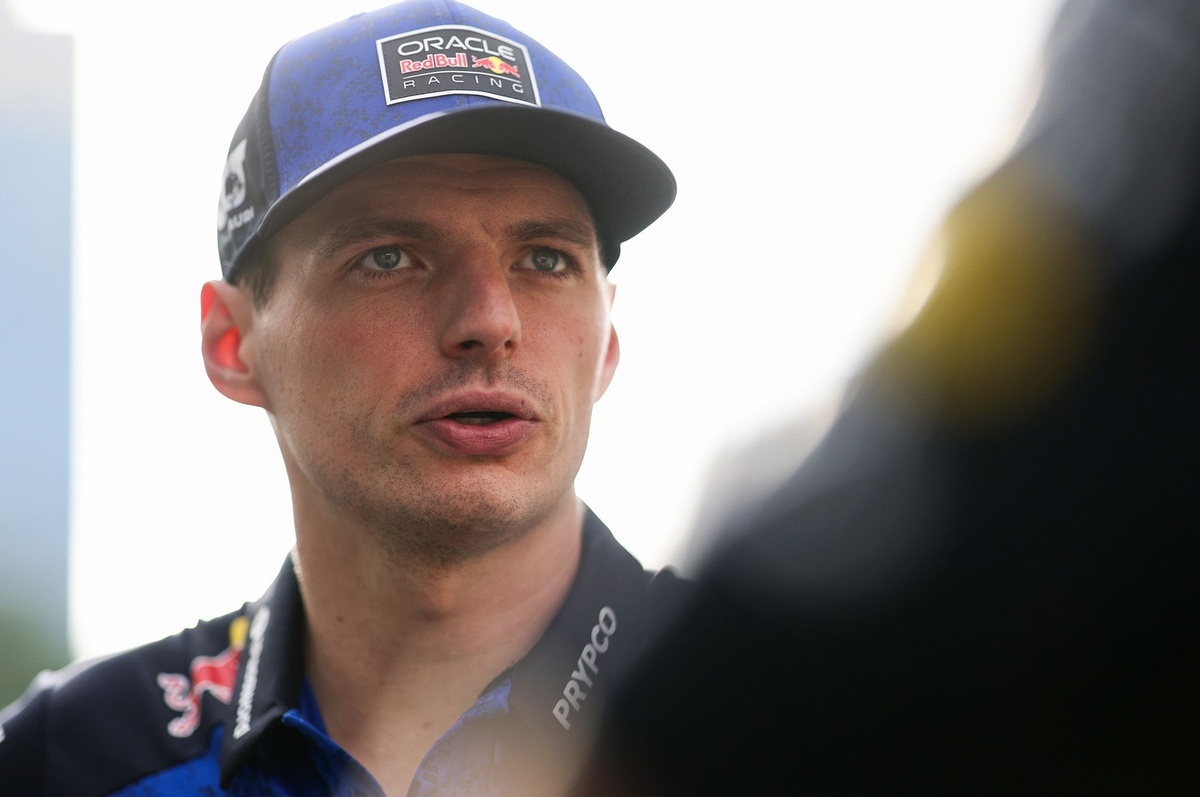
  • Max Verstappen’s blunt reaction to F1 Monaco GP sprint race: “No emotion attached to it”

    Max Verstappen’s blunt reaction to F1 Monaco GP sprint race: “No emotion attached to it”

    Key Highlights

    • Formula 1 has confirmed a 2027 calendar featuring 10 sprint weekends, including the season opener in Bahrain and the finale in Abu Dhabi.
    • The designation of Monaco as a sprint venue caught drivers by surprise, with Sergio Perez learning of the decision via the drivers’ WhatsApp group.
    • Max Verstappen reiterated his opposition to sprint races regardless of venue, while Arvid Lindblad argued Baku would be a far more suitable sprint location.

    Monaco Sprint Selection Shocks Paddock as F1 Unveils 2027 Sprint Calendar

    Formula 1’s recently presented 2027 calendar reveals a logical sequence of grands prix, yet the selection of sprint race venues has sparked considerable debate within the paddock. The sport has not only expanded the number of sprint weekends to 10 — a move widely viewed as commercially inevitable — but has also chosen locations that challenge conventional thinking about the format’s suitability. Notably, both the season-opening Bahrain Grand Prix and the season-closing Abu Dhabi Grand Prix have been designated as sprint weekends, a significant shift in how the championship’s bookend events will be structured.

    However, the inclusion of the Monaco Grand Prix as a sprint venue generated the most immediate astonishment. During media day in Baku, Cadillac driver Sergio Perez disclosed that he only became aware of the decision through the flurry of reactions in the Formula 1 drivers’ WhatsApp group. “I found out through our [WhatsApp] group, actually. There were some comments there,” Perez said, smiling. “It was a bit busy in the group! I didn’t pay much attention, other than what happened in the group. And that stays in the group, as you can imagine.” The revelation underscores how unexpected the choice was even for the participants themselves.

    Drivers Debate Risk vs. Reward on Monte Carlo’s Streets

    On the record, driver opinions on a Monaco sprint are divided. Proponents argue the format brings the intensity of qualifying to the principality’s streets twice, theoretically doubling the spectacle. Critics, however, point to the fundamental disruption of the traditional weekend build-up. On a circuit where drivers traditionally leave margin during Friday practice and progressively push closer to the barriers at corners like Tabac and Piscine before the Saturday qualifying crescendo, the sprint format compresses that progression.

    Racing Bulls driver Arvid Lindblad articulated the strategic dilemma: “Maybe you take a bit less risk… If you’re P15, maybe you don’t try as hard, but the top teams, they’d always have to push. I think it would just mean that you can’t build as nicely as you’d want towards qualifying. You just have to get outside your comfort zone a bit earlier in the weekend.” With overtaking virtually impossible in Monaco, a poor sprint qualifying result effectively locks in a non-points finish for both the sprint and the main race, incentivizing caution over aggression for much of the field.

    Verstappen Remains Unmoved: ‘I Have No Emotion Attached to Winning a Sprint Race’

    Four-time world champion Max Verstappen offered the most definitive rejection of the format, irrespective of venue. “Yeah, more sprint races… Personally, I’m not a fan of it, but I understand the reasoning behind it, of course,” Verstappen stated in Baku. “It brings more action throughout the weekend, so yeah, we’ll participate… But, for me, I always think about the grand prix and that’s where my main focus is.”

    The Dutchman views sprint races as a spoiler for Sunday’s main event — a concern amplified in Monaco where two processional races would replace one. “About the sprint in Monaco, yeah, it’s the same scenario as what happens in the main race, right? Like, you are excited for the start and then you can’t pass. That’s quite straightforward.” Asked if the Monaco selection surprised him, Verstappen dismissed the relevance of location entirely: “I don’t know. For me, I honestly don’t care where the sprint races are… I just participate and of course you try to do the best you can. But I have no emotion attached to winning a sprint race or not winning it. From when I was a kid, you look forward to the grand prix. That’s normally on a Sunday or sometimes on a Saturday,” he added, referencing the 2024 Azerbaijan Grand Prix’s Saturday scheduling.

    Lindblad Champions Baku as Ideal Sprint Venue

    While Monaco’s selection perplexes many, Lindblad argued that the Baku City Circuit — absent from the sprint calendar for both 2026 and 2027 — possesses the characteristics the format demands. “This should be a sprint, this would be an amazing sprint race… In the end, it’s a track we can pass and the whole point of a sprint race is the idea of a flat-out race and passing. I think this should be one.” The Racing Bulls driver highlighted Baku’s combination of entertaining qualifying and genuine overtaking opportunities as the antithesis of Monaco’s limitations.

    Why This Matters

    The 2027 sprint calendar reveals Formula 1’s strategic priorities: maximizing commercial inventory through high-profile weekends in Bahrain and Abu Dhabi, and leveraging the unique prestige of Monaco despite its unsuitability for sprint racing’s core premise — overtaking. The drivers’ reactions expose a growing tension between the format’s commercial rationale and its sporting integrity. Verstappen’s emotional detachment and Lindblad’s tactical concerns about risk management in Monaco illustrate how the format alters competitive incentives. With Baku excluded through 2027, F1 appears to prioritize marketable venues over circuits that naturally produce the “flat-out race and passing” Lindblad identifies as the sprint’s purpose. The upcoming seasons will test whether fans accept processional sprints at iconic venues as a worthwhile trade-off for increased weekend content.

    Frequently Asked Questions

    How many sprint weekends are scheduled for the 2027 Formula 1 season?

    Ten sprint weekends are scheduled for the 2027 Formula 1 season, an increase from the current format.

    Which races have been confirmed as sprint weekends for 2027?

    The season opener in Bahrain and the season finale in Abu Dhabi are confirmed as sprint weekends, along with the Monaco Grand Prix. The full list of ten venues was referenced but not exhaustively detailed in the source material.

    Why are drivers critical of a sprint race in Monaco?

    Drivers criticize the Monaco sprint because overtaking is virtually impossible at the circuit, rendering the sprint a procession that duplicates Sunday’s race. The format also disrupts the traditional progressive build-up to qualifying, forcing drivers out of their comfort zone earlier with little reward for risk-taking given the likelihood of a non-points starting position.
  • Bucket-List Moments From Formula 1’s European Summer

    Bucket-List Moments From Formula 1’s European Summer

    Key Highlights

    • Kimi Antonelli broke Lewis Hamilton’s record as the youngest Monaco Grand Prix winner at 19 years, 9 months, and 13 days, then became the first Italian driver in 60 years to win the Italian Grand Prix at Monza since Ludovico Scarfiotti in 1966.
    • Lewis Hamilton secured his first victory for Ferrari at the Circuit de Barcelona-Catalunya, mirroring Michael Schumacher’s maiden Scuderia win at the same venue exactly 30 years prior.
    • The 2024 European swing featured distinctive fan experiences: Silverstone’s post-race concerts and LEGO minicar Drivers’ Parade, Spa-Francorchamps’ unpredictable weather and frites stands, and the Red Bull Ring’s alpine backdrop with traditional Austrian attire.

    The European Swing Defines a Season of Records and Rituals

    Formula 1’s European summer campaign has drawn to a close after a stretch that visited the sport’s most historic venues alongside fresh additions like the Madring. From the streets of Monte Carlo to the temples of speed at Silverstone, Spa-Francorchamps, and Monza, each Grand Prix delivered a unique blend of on-track drama and off-track tradition that defines the championship’s cultural core. The 2024 iteration of this continental tour will be remembered not only for the emergence of a generational talent but for the way established rituals—track invasions, driver parades, and mountain vistas—continue to shape the fan experience.

    Antonelli Rewrites History in Monaco and Monza

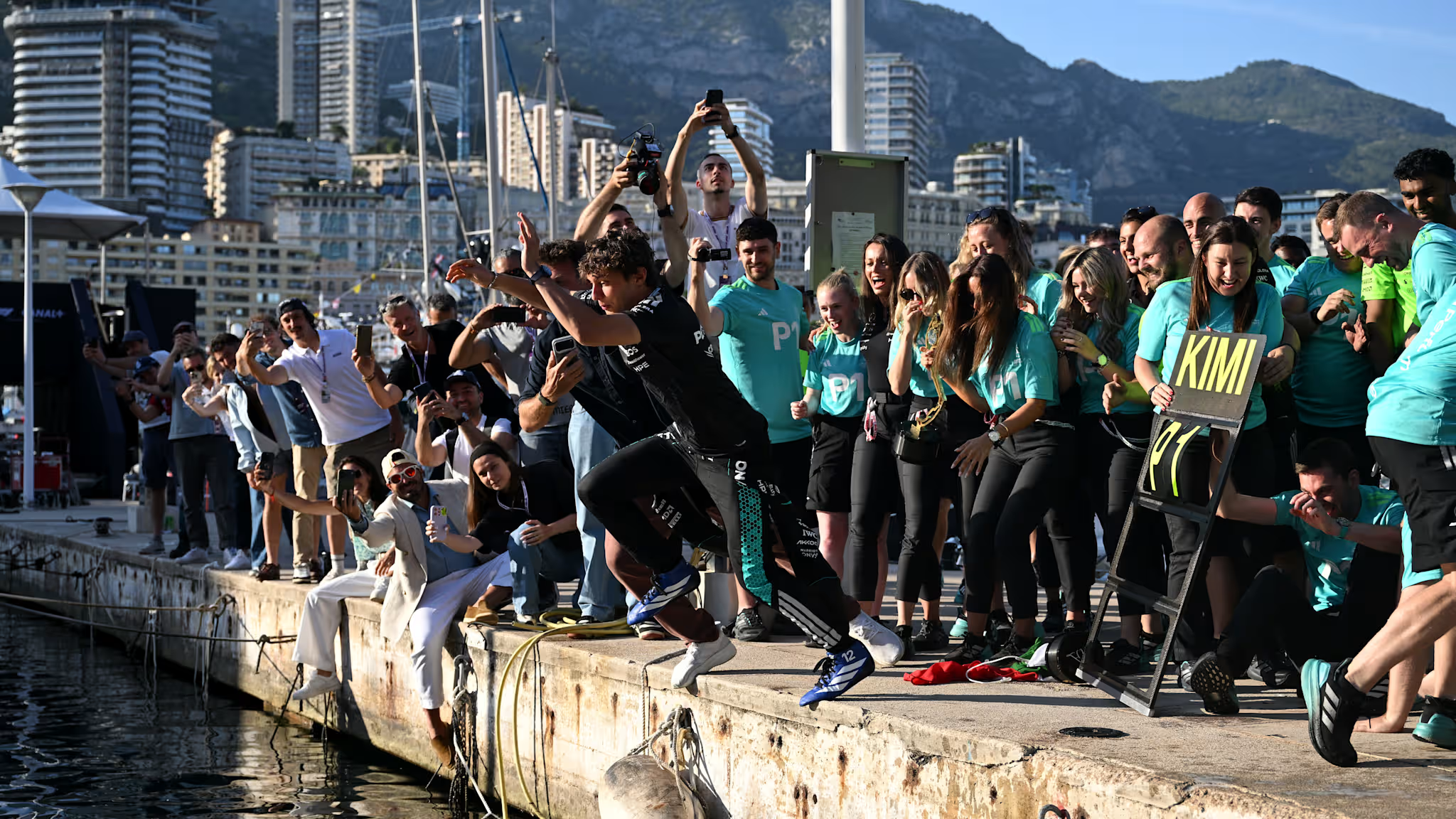
    The defining narrative of the summer belonged to Kimi Antonelli. The Mercedes rookie announced his arrival in the Principality by becoming the youngest driver ever to win the Monaco Grand Prix. At 19 years, nine months, and 13 days, he eclipsed the benchmark set by Lewis Hamilton in 2008, celebrating with the now-customary dive into the harbor amidst the superyachts that line the marina. The glamour of Monte Carlo, where balconies offer a front-row seat to the world’s most recognizable street circuit, provided the perfect backdrop for a record-breaking debut victory.

    If Monaco was the coronation, Monza was the homecoming. The Tifosi, famously clad in Ferrari red, scripted a remarkable subplot when they united behind Antonelli after the Scuderia missed the podium. Charging from the back of the grid, the Italian claimed an emotional victory at the Temple of Speed, becoming the first Italian driver to win the Italian Grand Prix in 60 years. The last to achieve the feat was Ludovico Scarfiotti in 1966. The scenes of a red wave celebrating a Mercedes driver underscored a passion for the sport that transcends team allegiance.

    Hamilton’s Ferrari Debut Win Echoes Schumacher at Barcelona

    While Antonelli dominated the Italian narrative, Lewis Hamilton authored a historic chapter of his own in Spain. The Circuit de Barcelona-Catalunya, potentially hosting its final race until 2028, witnessed Hamilton’s first victory for Ferrari. The symmetry was striking: the venue matched the site of Michael Schumacher’s inaugural Scuderia triumph exactly three decades earlier. The circuit, a proven launchpad for maiden winners including Max Verstappen in 2016 and Pastor Maldonado in 2012, added another legendary name to its roll of honor. Off the track, the weekend offered a moment of levity when Championship leader Antonelli watched Free Practice 1 from the grandstands wearing a Spider-Man mask, incognito among the fans while Fred Vesti piloted his Mercedes.

    Silverstone’s Festival Atmosphere and Spa’s Natural Theater

    The British Grand Prix at Silverstone continued its evolution into a full-spectrum festival. Beyond the high-speed laps at the home of British motorsport, the “Landostand” saw thousands of Lando Norris supporters create a sea of yellow. The circuit’s post-race concert lineup—headlined by David Guetta, Richard Ashcroft, Chase & Status, and James Arthur—extended a legacy that has hosted RAYE, Fatboy Slim, Sam Fender, the Black Eyed Peas, and Stormzy, with Robbie Williams already confirmed for 2027. The weekend’s lighter side featured a chaotic Drivers’ Parade in LEGO minicars and a culinary challenge where Norris, George Russell, Ollie Bearman, and Arvid Lindblad attempted to serve traditional fish and chips.

    At Spa-Francorchamps, the narrative centered on the circuit’s mercurial nature and the iconic Eau Rouge-Raidillon complex. The Ardennes forest venue demanded preparation for four seasons in a single day, a constant alongside the shacks serving frites with mayonnaise. It was here that four-time World Champion Max Verstappen produced a breathtaking opening-lap pass on Antonelli for the lead, a reminder that the Belgian Grand Prix remains a high-stakes theater for overtaking at one of motorsport’s most revered corner sequences.

    The Alpine Spectacle of the Red Bull Ring

    The Austrian Grand Prix at the Red Bull Ring closed the European chapter against a backdrop of the Styrian mountains. The short, sweeping circuit offers a lush, green panorama that elevates the viewing experience from any vantage point. The atmosphere is distinctly local, with spectators embracing tradition through Lederhosen and Dirndl or donning orange in support of Verstappen. Looking ahead to 2026, the event promises to expand its entertainment portfolio by offering fans the chance to experience the scenery via bungee jumping, blending the adrenaline of the track with the natural terrain that makes the venue unique.

    Why This Matters

    The 2024 European summer swing illustrated the delicate balance Formula 1 maintains between sporting competition and cultural event. The emergence of Kimi Antonelli as a record-breaking winner for Mercedes injects a fresh protagonist into the championship narrative just as Lewis Hamilton begins his high-profile Ferrari chapter. Meanwhile, the sport’s reliance on historic European venues—Monaco, Monza, Silverstone, Spa—remains the bedrock of its identity, even as the calendar expands globally. The distinct fan rituals at each circuit, from the Monza track invasion to the Silverstone concerts, are not mere sideshows; they are the connective tissue binding the sport’s heritage to its commercial future. With Barcelona’s uncertainty beyond 2026 and the Madring joining the rotation, the geography of the European summer is in flux, making the preservation of these unique race-weekend identities a strategic priority for Formula 1’s promoters and stakeholders.

    Frequently Asked Questions

    Who is Kimi Antonelli and what records did he break in 2024?

    Kimi Antonelli is an Italian driver for Mercedes. In 2024, he became the youngest winner of the Monaco Grand Prix at 19 years, 9 months, and 13 days, breaking Lewis Hamilton’s 2008 record. He later became the first Italian driver to win the Italian Grand Prix at Monza in 60 years, since Ludovico Scarfiotti in 1966.

    Where did Lewis Hamilton score his first win for Ferrari?

    Lewis Hamilton secured his first victory for Ferrari at the Circuit de Barcelona-Catalunya during the 2024 Spanish Grand Prix. This mirrored Michael Schumacher’s first Ferrari win at the same circuit exactly 30 years prior.

    What unique fan experiences defined the 2024 European races?

    Highlights included the Monza track invasion by Tifosi celebrating Antonelli, Silverstone’s “Landostand” and post-race concerts plus a LEGO minicar Drivers’ Parade, Spa-Francorchamps’ unpredictable weather and frites stands, Barcelona’s Spider-Man masked Antonelli sighting, and the Red Bull Ring’s alpine setting with traditional Austrian dress and planned 2026 bungee jumping.

  • Star Wars in Formula 1: Red Bull, Renault, George Lucas, and F1’s Biggest Crossovers

    Star Wars in Formula 1: Red Bull, Renault, George Lucas, and F1’s Biggest Crossovers

    Key Highlights

    • Red Bull Racing launched a full Star Wars: Episode III – Revenge of the Sith livery and Stormtrooper pit crew at the 2005 Monaco Grand Prix, marking the first major Formula 1–Star Wars crossover.
    • George Lucas personally conducted the podium interviews at the 2015 Italian Grand Prix after Lewis Hamilton’s dominant victory for Mercedes at Monza.
    • Renault and Disney celebrated their shared 40th anniversaries at the 2017 Monaco Grand Prix with Stormtroopers, R2-D2, and Lucas returning to the principality paddock.

    The Galaxy Meets the Grid: A History of Star Wars in Formula 1

    As the Lucas Museum of Narrative Art prepares to open its doors in Los Angeles on September 22, co-founded by filmmaker George Lucas and business leader Mellody Hobson, the intersection of cinema’s most iconic space opera and the pinnacle of motorsport returns to the spotlight. The museum’s 100,000-square-foot campus, housing over 30 galleries, will feature an opening exhibition titled Star Wars in Motion showcasing vehicles, props, and costumes from the first six films—including Luke Skywalker’s Landspeeder and General Grievous’s Wheel Bike. That motorsport connection is no coincidence: Formula 1 has played host to Stormtroopers, Sith Lords, and the creator himself on three unforgettable occasions spanning 12 years.

    2005 – Red Bull Racing Joins the Dark Side at Monaco

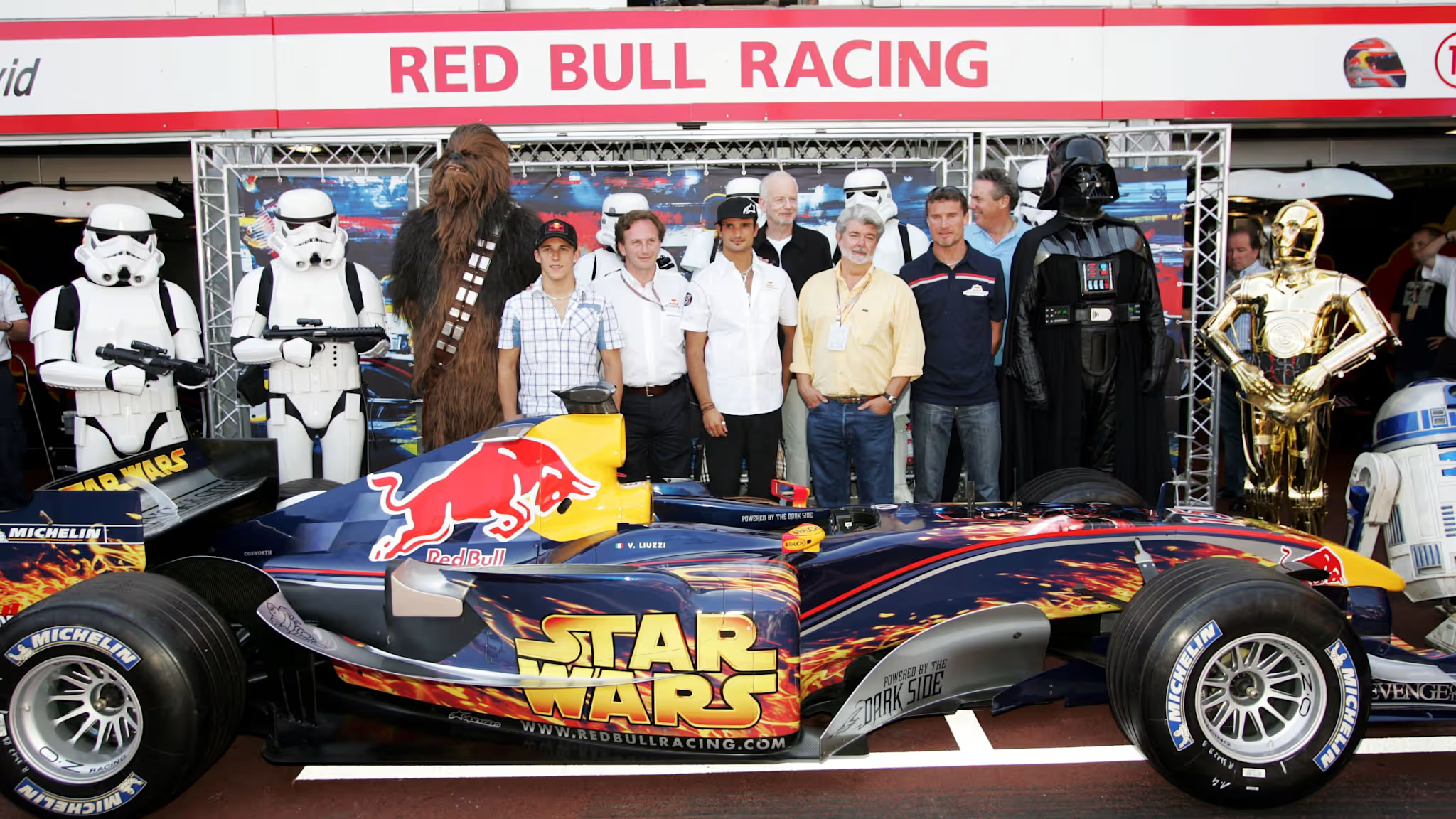
    Only six races into their Formula 1 journey, Red Bull Racing seized the 2005 Monaco Grand Prix weekend to partner with Lucasfilm for the release of Star Wars: Episode III – Revenge of the Sith. Drivers David Coulthard and Vitantonio Liuzzi piloted RB1 chassis transformed with flame motifs along the bodywork, massive Star Wars logos on the sidepods, and Dark Side branding across the livery. The spectacle extended far beyond the cars: Darth Vader, Chewbacca, C-3PO, R2-D2, and an entire battalion of Stormtroopers descended on the team’s floating Energy Station in Monte Carlo’s harbor. Even Red Bull’s mechanics swapped their standard kit for white Stormtrooper-inspired pit stop attire, creating some of the most distinctive visual moments in Grand Prix history. Lucas himself attended as a guest. On track, however, the Force was not with the nascent squad: both cars retired—Coulthard after collision damage involving Michael Schumacher, Liuzzi later with mechanical issues—denying the team its first points finish of the season. Kimi Räikkönen claimed victory for McLaren, ahead of Nick Heidfeld and Mark Webber for Williams, yet the Red Bull Star Wars livery endures as one of Monaco’s most memorable one-off designs.

    2015 – George Lucas Takes the Podium at Monza

    A decade later, Star Wars returned to the paddock without a team partnership—this time with its creator center stage. Lucas attended the 2015 British Grand Prix at Silverstone as a guest, but his most prominent appearance came months later at the Italian Grand Prix in Monza. After Lewis Hamilton delivered a masterclass—pole position, every lap led, fastest lap set—to win for Mercedes ahead of Sebastian Vettel‘s Ferrari and Felipe Massa‘s Williams, the three drivers ascended the podium to find Lucas waiting. The filmmaker conducted the post-race interviews, placing the seven-time world champion in conversation with the architect of Darth Vader, Luke Skywalker, and one of cinema’s most enduring mythologies. The moment bridged the Temple of Speed with a galaxy far, far away.

    2017 – Renault and Disney Celebrate Twin 40th Anniversaries in Monaco

    Two years later, the principality hosted another convergence. The original Star Wars: A New Hope premiered in May 1977; less than two months later, Renault debuted in Formula 1 at Silverstone with the turbocharged RS01. Four decades on, Renault and Disney marked the milestone at the 2017 Monaco Grand Prix. Stormtroopers and R2-D2 again roamed the paddock alongside drivers Nico Hülkenberg and Jolyon Palmer, while Lucas made a return visit to Monte Carlo. On track, results were mixed: Hülkenberg qualified tenth but retired after 16 laps with a gearbox failure; Palmer finished eleventh, just outside the points. Yet the imagery—white armor against the Mediterranean backdrop, an astromech droid beside a contemporary Formula 1 car—reinforced a unique cultural crossover that began with Red Bull’s bold gamble in 2005.

    Why This Matters

    The Lucas Museum’s opening exhibition Star Wars in Motion frames these Formula 1 moments as part of a broader narrative: the franchise’s deep engagement with vehicles, speed, and design as storytelling tools. From the podracing sequence in The Phantom Menace to the landspeeder chase in A New Hope, Star Wars has always treated motion as character. The three Formula 1 crossovers—each distinct in execution, from Red Bull’s full-team transformation to Lucas’s personal podium appearance to Renault’s anniversary celebration—reflect how motorsport’s global platform and visual spectacle align with Lucasfilm’s mythmaking. As the museum opens in Los Angeles’ Exposition Park, these episodes underscore that Star Wars’ cultural footprint extends beyond theaters into live global events, where the line between fiction and high-stakes reality blurs for millions of viewers.

    Frequently Asked Questions

    Which Formula 1 team ran the first Star Wars–themed livery?
    Red Bull Racing debuted a Revenge of the Sith livery at the 2005 Monaco Grand Prix, complete with Stormtrooper-clad mechanics and character appearances in the paddock.
    Did George Lucas ever appear on an F1 podium?
    Yes. Lucas conducted the post-race podium interviews at the 2015 Italian Grand Prix in Monza after Lewis Hamilton’s victory for Mercedes.
    What is the Lucas Museum of Narrative Art and when does it open?
    Co-founded by George Lucas and Mellody Hobson, the museum opens September 22 in Los Angeles with over 100,000 square feet across 30+ galleries. Its opening exhibitions include Star Wars in Motion, featuring vehicles, props, and costumes from the first six Star Wars films.
  • Monaco F1 Sprint: Good Idea or Madness? Writers Have Their Say

    Monaco F1 Sprint: Good Idea or Madness? Writers Have Their Say

    F1 Expands Sprint Format to 10 Races in 2027, Including Controversial Monaco Addition

    Formula 1 has confirmed a significant expansion of its sprint format for the 2027 season, increasing the number of sprint weekends from six to ten. While the commercial rationale is clear—promoters gain higher-value Friday and Saturday sessions, and viewership data shows stronger engagement compared to traditional practice—the decision to introduce a sprint race at the Monaco Grand Prix has sparked intense debate among pundits and purists alike.

    Monaco Sprint Alters Historic Weekend DNA

    The inclusion of Monaco marks the most radical departure yet for the sprint concept. Traditionally, the Monte Carlo weekend follows a unique rhythm: a gradual, session-by-session build-up where drivers edge closer to the barriers, culminating in a high-stakes qualifying session on Saturday afternoon. That crescendo is now disrupted by a Saturday morning sprint race and a second qualifying session—Sprint Qualifying—effectively delivering two “pole position” shootouts in 24 hours.

    Ronald Vording argues this fundamentally changes the character of the event. “Two qualifying sessions in Monaco will undoubtedly be spectacular, but this changes the DNA of the Monaco weekend and the way drivers build it up – and I’m not sure the purist in me necessarily needed that to change.” He notes that the trackside experience—watching drivers progressively find the limit at Piscine and Tabac across FP1, FP2, and FP3—is an art form in itself. Max Verstappen’s 2018 FP3 crash, which forced him to miss qualifying in a potential race-winning car, exemplifies the risk-reward dynamic that defined the traditional build-up.

    With a sprint race now preceding the main qualifying session, drivers may adopt a more conservative approach on Saturday morning to protect their primary grid position. The unique tension of a single, all-or-nothing qualifying lap is diluted, replaced by a format that prioritizes commercial inventory over the circuit’s distinctive sporting challenge.

    Calls for Format Innovation: Reverse Grids and Qualifying Shootouts

    Beyond Monaco, the broader expansion to ten sprint weekends raises questions about the format’s sporting value. Oleg Karpov suggests F1 should be bolder in differentiating the sprint from a “mini-grand prix.” In its current form, the sprint offers little strategic variance—no pit stops, same tyre compounds, same grid order logic—effectively handing extra points to the frontrunners and widening the gap to the midfield.

    Karpov proposes a reverse-grid sprint based on championship standings, arguing it would create genuine jeopardy and showcase midfield and backmarker teams. “We’d see Cadillac and Williams drivers trying to salvage a few more points in such races, and that would surely add another intrigue: how many places can the championship leaders still gain, starting from the back?” He acknowledges the artificiality but counters that purpose-built racing cars on designed circuits are inherently unnatural constructs.

    A third perspective advocates for a one-lap qualifying shootout on sprint weekends, run in championship order—slowest team first, fastest last. This would introduce variable track conditions as a leveller without the sporting controversy of a full reverse grid. Crucially, this format would apply only to the sprint grid, preserving the integrity of Sunday’s Grand Prix qualifying.

    Has F1 Conceded Monaco as a Race?

    The Monaco sprint decision carries a symbolic weight. After the failed mandatory two-stop experiment in 2025 failed to manufacture overtaking, the sprint pivot reads as an acceptance that the Grand Prix itself will remain a procession. Instead of addressing the root cause—track layout and car dimensions—F1 is leaning into Monaco’s strongest asset: qualifying spectacle.

    From a promoter’s perspective, two high-stakes qualifying sessions are a commercial masterstroke. From a sporting standpoint, it risks normalizing the idea that certain races are “write-offs” in advance, with the weekend’s competitive narrative shifted entirely to Saturday. As the calendar expands and sprint events proliferate, the pressure to differentiate the format—and justify its existence beyond revenue generation—will only intensify.

    2027 Sprint Calendar at a Glance

    The ten sprint venues for 2027 include a mix of traditional circuits and newer street tracks. Notably, the Canadian Grand Prix joins the list alongside Monaco, signaling F1’s commitment to the format across diverse circuit types. The full slate reflects the championship’s strategy to maximize “meaningful sessions” per weekend, but the debate over sporting purity versus commercial optimization remains unresolved.

  • Formula 1 2027 Calendar Set for 10 Sprint Races Including Monaco

    Formula 1 2027 Calendar Set for 10 Sprint Races Including Monaco

    Formula 1 has confirmed a significant expansion of its sprint format for the 2027 World Championship, increasing the number of sprint weekends from six to ten. The revised calendar also marks the return of the Portuguese and Turkish Grands Prix, adding further depth to a record-equalling 24-race schedule.

    Sprint Format Expands to Ten Events

    Sprint weekends—which feature a standalone qualifying session on Friday, a 100-kilometre sprint race on Saturday, and the main Grand Prix on Sunday—will debut at five new venues in 2027. Bahrain, Australia, Japan, Monaco, and Abu Dhabi will host sprint events for the first time. They join Canada, Great Britain, Italy, Brazil, and Qatar, which retain their sprint status from previous seasons.

    The format commands a higher hosting fee, but promoters value the commercial upside: competitive track action across all three days drives stronger ticket sales. Silverstone reported that its 2024 sprint weekend delivered the British Grand Prix’s highest-ever attendance, drawing 64,000 more fans across the four days compared with the previous year’s conventional format.

    Monaco Sprint Raises Strategic Questions

    The inclusion of Monaco has drawn particular attention. Overtaking on the historic street circuit is notoriously difficult, meaning the sprint finishing order is likely to be settled after the opening lap unless incidents intervene. However, Formula 1 is promoting the event on the strength of a double qualifying spectacle—traditional qualifying on Friday and sprint qualifying on Saturday—which could produce two distinct grid orders and inject variability into the weekend.

    Calendar Highlights: Portugal and Turkey Return

    The 2027 schedule welcomes back Portimão and Istanbul Park for the first time since they served as pandemic-era placeholder rounds. The season is slated to open in Bahrain on 12–14 March, followed by Saudi Arabia a week later. The British Grand Prix is fixed for 2–4 July, while pre-season testing will take place in Bahrain from 24–27 February.

    Middle East Uncertainty Prompts Contingency Planning

    Both the Bahrain and Saudi Arabian opening rounds remain in doubt while conflict persists in the region. Bahrain is the traditional season opener, yet Australia has hosted the first race for the past two years due to the timing of Ramadan. The 2026 campaign concludes with back-to-back events in Qatar and Abu Dhabi, and Formula 1 is actively developing alternative schedules should the Middle East rounds become unviable by year-end. A summit of involved nations on Sunday issued a statement urging “maximum restraint” in the ongoing hostilities.

    Leadership Reaction

    F1 president and chief executive officer Stefano Domenicali said: “We are thrilled to welcome Portugal and Turkey to the championship and to expand sprint racing to 10 events, giving our fans even more intensity, drama, and the wheel-to-wheel action that make our sport so special.”

    Mohammed Ben Sulayem, president of the FIA, added: “The 2027 FIA F1 World Championship calendar is a strong reflection of the global appeal and continued growth of our sport.” He continued: “With 24 grands prix across five continents, the return of Portugal and Turkey, and the opportunity for an expanded sprint programme, the calendar combines tradition, innovation and fan engagement while maintaining the highest sporting standards.”

  • F1 Sprint 2027: Key Rule Changes and Format Updates Revealed

    F1 Sprint 2027: Key Rule Changes and Format Updates Revealed

    Key Highlights

    • The 2027 Formula 1 calendar will feature a record 10 Sprint events, up from six in the 2023-2026 period, driven by data showing 12% higher viewership on Sprint weekends.
    • Five venues will host a Sprint for the first time: Bahrain, Australia, Japan, Monaco, and Abu Dhabi, with the season opening with three Sprints in the first four race weekends.
    • The season finale will feature back-to-back Sprint weekends in Qatar and Abu Dhabi, increasing championship-deciding points availability across the final two rounds.

    Sprint Format Expansion Driven by Audience and Attendance Data

    Formula 1 has confirmed a significant expansion of the Sprint format for the 2027 season, increasing the total number of Sprint weekends to 10—four more than the six scheduled annually between 2023 and 2026. The decision follows the release of internal data indicating that total viewership for Sprint weekends is 12% higher than for traditional Grand Prix weekends. Additionally, Sprint Qualifying sessions attract up to three times the audience interest compared to the second practice session they replace on Friday afternoons. Fan engagement metrics further support the move: 82% of attendees at Sprint events report that the format adds value to their ticket by delivering competitive sessions across three days instead of two, while 75% of surveyed F1 fans believe Sprint events enhance the overall value of the season calendar.

    Five New Venues Join the Sprint Calendar, Including Historic Monaco Debut

    The 2027 schedule introduces Sprint weekends at five circuits hosting the format for the first time. The season opener in Bahrain, followed by the Australian Grand Prix, the Japanese Grand Prix, the Monaco Grand Prix, and the season finale in Abu Dhabi will all adopt the compressed format. The inclusion of Monaco is particularly notable; the Principality’s street circuit is renowned for producing one of the most spectacular qualifying sessions of the year as drivers navigate the tight, twisty streets of Monte Carlo. Under the new structure, fans will witness two high-stakes qualifying sessions: Sprint Qualifying on Friday, followed by the Sprint race on Saturday morning (replacing FP3), and finally the traditional Grand Prix Qualifying later on Saturday.

    Returning Venues and Strategic Calendar Weighting

    Five established Sprint venues round out the 2027 roster. Canada retains its Sprint for a second consecutive year after a dramatic battle for the lead between Mercedes teammates George Russell and Kimi Antonelli earlier in the 2025 season. Silverstone hosts its third Sprint, having staged events in 2021 and 2025, while Monza welcomes its second Sprint six years after the Temple of Speed hosted the format’s inaugural Italian edition. Brazil extends its record as the most frequent Sprint host with a sixth event at Interlagos in São Paulo, and Qatar returns for a fourth Sprint in five years at the Lusail International Circuit. The calendar is strategically weighted: the season begins with three Sprints in the first four race weekends, rewarding teams that demonstrate immediate competitiveness, while the championship concludes with back-to-back Sprint weekends in Qatar and Abu Dhabi, placing a premium on consistency and performance under maximum points pressure.

    Sprint Weekend Format Refines Competitive Intensity

    The Sprint race itself covers 100 kilometers—approximately one-third of a standard Grand Prix distance—and lasts roughly 30 minutes. Unlike the main race, there are no mandatory pit stops; while not explicitly banned, the short duration makes a stop for fresh tires strategically unviable. Points are awarded to the top eight finishers on a sliding scale from eight points for the winner down to one point for eighth place. The weekend structure condenses practice to a single 60-minute session, replacing the traditional three one-hour sessions. Sprint Qualifying mirrors the knockout format of the main qualifying session but with truncated segments: SQ1 runs for 12 minutes, SQ2 for 10 minutes, and SQ3 for just eight minutes. The net effect across the season is a substantial increase in competitive track time relative to practice running.

    Why This Matters

    The expansion to 10 Sprint events represents the most aggressive adoption of the format since its 2021 introduction, signaling Formula 1’s confidence in the commercial and sporting viability of the shorter race model. By front-loading the calendar with three Sprints in the opening four rounds, the series incentivizes early-season development readiness and reduces the margin for teams to “grow into the year.” The back-to-back Sprint finale amplifies the potential for late-season championship swings, as a maximum of 16 additional points (plus potential fastest lap points in the main races) become available over the final two weekends. For promoters, the guaranteed three-day action ticket—validated by the 82% attendee satisfaction rate—strengthens the commercial proposition. For broadcasters, the elevated viewership data for Sprint Qualifying specifically addresses the long-standing challenge of Friday audience engagement. The Monaco inclusion also resolves a longstanding debate about whether the format could work on a street circuit where overtaking is minimal; the FIA and F1 clearly believe the qualifying spectacle alone justifies the experiment.

    Frequently Asked Questions

    How many Sprint events are on the 2027 Formula 1 calendar?

    There are 10 Sprint events scheduled for the 2027 Formula 1 season, an increase of four compared to the six held annually from 2023 through 2026.

    Which circuits are hosting a Sprint for the first time in 2027?

    Bahrain, Australia, Japan, Monaco, and Abu Dhabi will all host a Sprint weekend for the first time in 2027.

    How does the Sprint format change the standard weekend schedule?

    A Sprint weekend reduces practice sessions from three one-hour sessions to a single 60-minute session. Friday features Sprint Qualifying (replacing FP2), Saturday morning hosts the 100km Sprint race (replacing FP3), and Saturday afternoon retains the traditional Grand Prix Qualifying. The main Grand Prix remains on Sunday.

  • Monaco GP Appeal Ruling Fails to Motivate Pierre Gasly for Monza F1 Pole Bid

    Monaco GP Appeal Ruling Fails to Motivate Pierre Gasly for Monza F1 Pole Bid

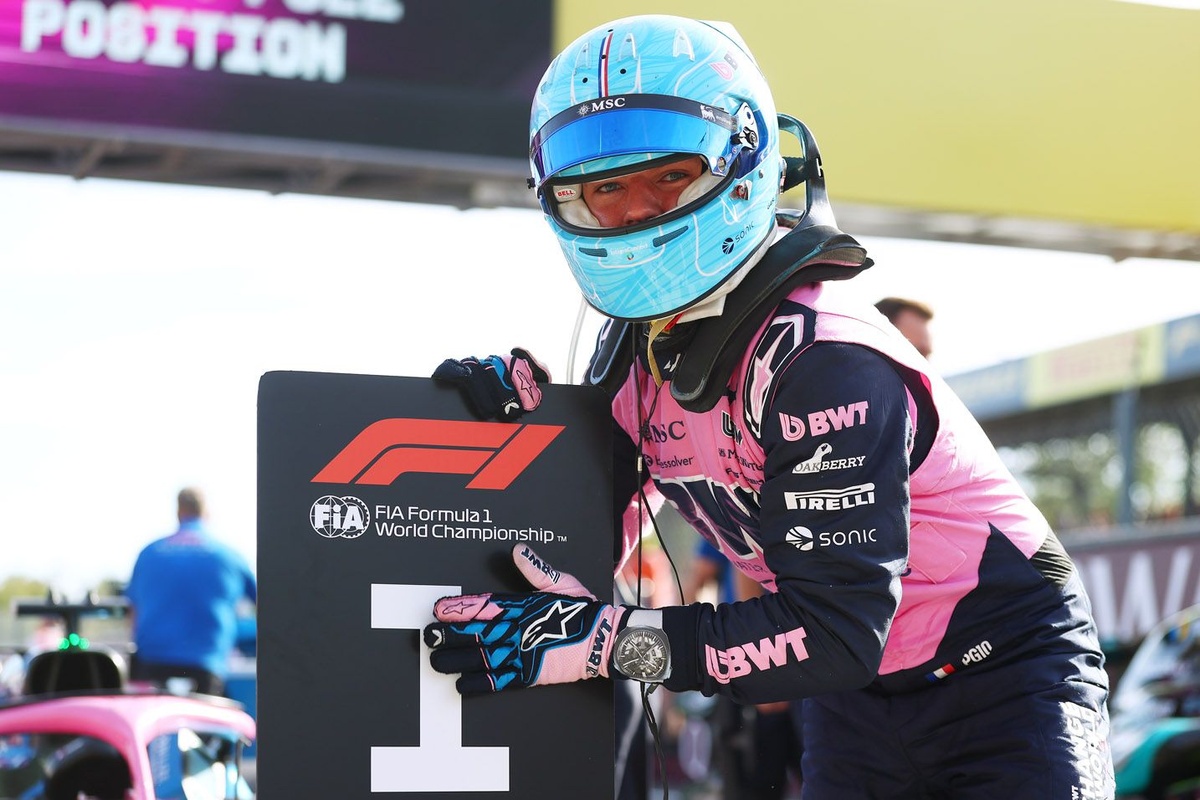
    Pierre Gasly says he could have done without the FIA’s International Court of Appeal decision to strip him of his Formula 1 Monaco Grand Prix podium, especially after securing a shock maiden pole position at the Italian Grand Prix in Monza.

    ICA Overturns Monaco Stewards’ Decision

    The ICA overruled the Monaco stewards’ call to overturn Gasly’s pit-lane speeding penalties from the Monaco race after the pit-lane measurements were found to be inaccurate. After crossing the finish line in third, being demoted to seventh and then recovering third, the Alpine driver has eventually been classified seventh in the final classification of the race.

    Gasly Reacts to ICA Ruling

    A little over 24 hours later, Gasly took a shock maiden F1 pole at the Italian Grand Prix, outpacing Mercedes’ George Russell by 0.060s. Asked if the ICA’s decision was providing “a bit of extra motivation,” the Frenchman was circumspect.

    “I don’t think I can say much about this and all I can say is it’s not a nice situation, not ideal,” the Frenchman replied. “Obviously, I try to use everything I can into something positive and extra motivation, but I think I could have dealt without it this weekend. Yeah, that’s all I’ll say.”

    Qualifying Masterclass After Tough Practice

    After missing Free Practice 1 for Alpine reserve driver Paul Aron to fulfil rookie requirements, Gasly was just 14th in FP2 and ninth in FP3, but leapt forward in qualifying with first in Q1, fourth in Q2 and the fastest time in Q3 – a performance he attributes to “perfect execution” from the team.

    “We knew that there was a bit more on the table in the practice sessions,” Gasly commented, “and then I think it was a very good execution from the team, always putting me in a great position on track, managing the gap as best we could, really.”

    “My last lap, managed to target slightly over 2.5 seconds behind Lewis [Hamilton] when he was going to be fast and sort of drag me with him. So, I think it was perfect execution.”

    “The car balance is probably one of the best I’ve had so far this year, really. Again, gave me the confidence to attack all these corners and sliding around and playing around with the car, and we managed to make it work in that last run when everything mattered.”

    Race Outlook: Front-Runners Behind, Antonelli Starts 20th

    Winning will be a tall order for Gasly, with most frontrunners right behind him on the grid – except championship leader Kimi Antonelli, who will start from 20th after exceeding his power unit allowance.

    “It’s going to be obviously great. I’m in the best position, right?” Gasly insisted. “I’m starting first, got no one ahead of me. I just got to focus on my driving and, you know, I know what it looks like having no one around this track, so that’s a good advantage and probably the best place to do it.”

    Six years ago, a fortunately timed safety car intervention vaulted Gasly to the front of the pack; he led for the last 26 laps, withstanding Carlos Sainz’s pressure on his way to a maiden – and so far only – victory.

    “But then, yeah, it’s going to be a long race,” he pondered.

    “I actually felt quite good. Obviously not to the pace of these guys around us, but we seem to have picked up more pace from yesterday to today. So, we’ll obviously give our best shot and see what we can get out of it. But, yeah, I’m excited.”

  • Exclusive Kimi Antonelli Interview: Staying Focused in the F1 Title Fight and His ‘different mindset’ for Monza

    Exclusive Kimi Antonelli Interview: Staying Focused in the F1 Title Fight and His ‘different mindset’ for Monza

    Kimi Antonelli is enjoying a remarkable second season in Formula 1, leading the Drivers’ Championship by 59 points over Mercedes teammate George Russell and seven-time world champion Lewis Hamilton, whom he replaced at the team in 2025.

    Antonelli’s historic Formula 1 season

    Only seven Formula 1 Grands Prix have been won by teenagers, and Antonelli has claimed six of those victories. Four-time world champion Max Verstappen won the other race.

    Antonelli secured his first F1 pole position in China earlier this year and converted it into his maiden Grand Prix victory. The Italian then produced a run of five consecutive wins, including a dominant performance on the streets of Monte Carlo to take victory at the Monaco Grand Prix.

    Mercedes rookie outperforming Russell

    The now 20-year-old has rarely put a foot wrong throughout the season. Taking full advantage of a very fast Mercedes, Antonelli has consistently outperformed his more experienced teammate Russell.

    Even when a small error has crept into his performance or he has struggled to find the limit, Antonelli has still managed to recover strong results. He finished third in Hungary before the summer break and followed that with second place at Zandvoort after the break.

    Source: www.formula1.com