Tag: Mental Health

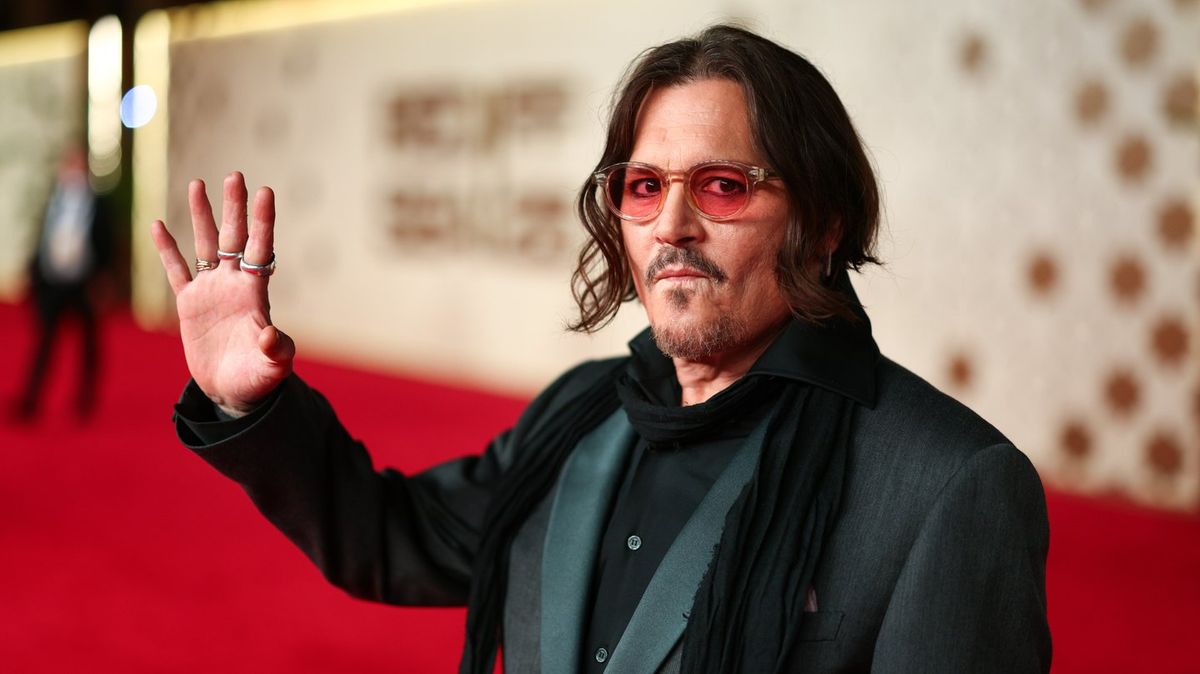
  • Johnny Depp Sparks Concern in ‘bizarre’ Footage Amid Hollywood Comeback

    Johnny Depp Sparks Concern in ‘bizarre’ Footage Amid Hollywood Comeback

    Key Highlights

    • Johnny Depp, 63, was filmed biting and chewing on decorative artificial foliage at a launch party for his Three Hearts rum brand at Park MGM in Las Vegas, spitting out pieces before returning for more.
    • The incident sparked mixed reactions online, with some fans expressing concern for the actor’s well-being while others dismissed it as eccentric humor or a playful moment with paparazzi.
    • Depp is preparing for a major career resurgence with upcoming roles in Ebenezer: A Christmas Carol directed by Ti West, the thriller Day Drinker alongside Penélope Cruz, and reported talks to reprise Captain Jack Sparrow in a sixth Pirates of the Caribbean film.

    Depp’s Unconventional Moment at Three Hearts Rum Launch

    Video footage circulating on social media captured Johnny Depp engaging in unusual behavior at a promotional event for his Three Hearts rum brand at Park MGM during Drink Las Vegas. The 63-year-old actor was posing for photographers near a wall covered in artificial greenery when he leaned into the display, buried his face in the foliage, and emerged chewing on a decorative leaf. Cameras recorded him spitting the material out, then returning to the wall for a second bite before turning back to the lenses with pieces of the fake plant still visible around his mouth, smiling for the crowd.

    Social Media Reaction Ranges from Concern to Amusement

    The clip quickly went viral, prompting a polarized response from viewers. Several commenters voiced worry about the actor’s state, with one fan writing, “Johnny doesn’t even look like Johnny at allllllllllll anymore.” Another added, “He needs someone who cares about him to help him. Sad.” Others treated the moment as dark comedy: “Going to Vegas this week, hope Johnny is still there eating decorations when I arrive.” A different observer mused, “I mean he’s done weirder things for a role but this one was purely for himself and honestly that’s kind of iconic,” while another drew a comparison to one of Depp’s most famous characters: “Edward Scissorhands in real life!” Defenders argued the star was simply “having ‘a bit of fun’ with photographers.”

    Career Comeback Gains Momentum With High-Profile Projects

    The Las Vegas appearance comes as Depp attempts a significant return to mainstream Hollywood filmmaking after several years on the periphery. He is set to portray Ebenezer Scrooge in Ebenezer: A Christmas Carol, a new adaptation helmed by horror auteur Ti West. Depp surprised attendees at San Diego Comic-Con in July by appearing in full character makeup and costume as the miserly protagonist, signaling a committed approach to the role.

    New Thriller and Potential Franchise Return

    Beyond the holiday film, Depp stars opposite Penélope Cruz in Day Drinker, directed by Marc Webb. The recently released trailer shows Depp as a mysterious passenger aboard a private yacht who becomes entangled in a dangerous criminal conspiracy. Simultaneously, industry speculation has intensified regarding a possible return to the role that cemented his global stardom. In August, reports emerged that Depp was in negotiations to reprise Captain Jack Sparrow for a sixth Pirates of the Caribbean installment. Producer Jerry Bruckheimer confirmed the discussions at Disney’s D23 convention, telling Deadline: “We’re talking with Johnny, we’re working on a screenplay, and hopefully we can get this done.” The actor originated the character in 2003; current reports suggest a potential sixth film would center Margot Robbie in the lead with Depp’s Sparrow in a supporting capacity.

    Why This Matters

    Depp’s public appearances are under intense scrutiny as he navigates a pivotal career phase. Following the highly publicized defamation trial against ex-wife Amber Heard in 2022 and a subsequent period of reduced studio work, each public moment feeds narratives about his personal stability and professional viability. The Three Hearts rum venture represents his expansion into spirits entrepreneurship, while the slate of announced film projects — spanning genre horror, action thriller, and potential franchise tentpole — constitutes his most aggressive bid for commercial relevance in years. How audiences and industry gatekeepers interpret incidents like the Las Vegas foliage episode may influence marketing strategies and insurance considerations for his upcoming productions.

    Frequently Asked Questions

    What films does Johnny Depp have coming up?

    Depp is attached to star as Ebenezer Scrooge in Ebenezer: A Christmas Carol directed by Ti West, and appears alongside Penélope Cruz in the Marc Webb-directed thriller Day Drinker. He is also reportedly in talks to return as Captain Jack Sparrow in a sixth Pirates of the Caribbean film, with Jerry Bruckheimer confirming active screenplay development.

    Was the plant Johnny Depp ate real or fake?

    The foliage was decorative artificial greenery covering a wall at the Park MGM venue. Footage shows Depp biting into the fake leaves, chewing, spitting them out, and returning for a second bite.

    What is Three Hearts rum?

    Three Hearts is Johnny Depp’s own rum brand. The Las Vegas event where the incident occurred was a launch party for the spirits line held during the Drink Las Vegas trade show at Park MGM.

  • Maren Morris Shares Bikini Photos from Girls’ Trip to Bali

    Maren Morris Shares Bikini Photos from Girls’ Trip to Bali

    Key Highlights

    • Country music artist Maren Morris is publicly sharing photographs documenting her personal healing journey.
    • The posts offer a visual glimpse into the singer-songwriter’s recent period of recovery and reflection.
    • Morris continues to engage with her audience through social media updates on her well-being.

    Maren Morris Shares Visual Updates on Personal Healing Process

    Grammy Award-winning singer-songwriter Maren Morris is providing followers with a window into her current chapter of recovery. The artist, known for hits such as “The Bones” and “My Church,” has taken to social media to post a series of images that chronicle what she describes as her healing journey. While the specific nature of the journey has not been detailed in the current update, the act of sharing photos signals a willingness to be vulnerable with her fanbase regarding her personal growth and well-being.

    Artist Continues Transparent Connection With Audience

    Morris has historically used her platform to discuss mental health, industry pressures, and personal evolution with candor. This latest batch of photos aligns with that pattern of transparency, allowing fans to witness a visual narrative of resilience. The posts serve as a continuation of the dialogue she maintains with her listeners, extending beyond music into the realm of shared human experience.

    Why This Matters

    For public figures in the entertainment industry, the decision to document a healing journey publicly carries weight. It contributes to the broader destigmatization of discussing personal struggles, whether they relate to mental health, physical recovery, or professional burnout. Morris’s status as a prominent voice in country and pop crossover music amplifies the reach of such messaging, potentially encouraging others to prioritize their own paths to wellness.

    Frequently Asked Questions

    What exactly is Maren Morris healing from?

    The current social media update does not specify the exact nature of Maren Morris’s healing journey. She has shared photos documenting the process but has not released a detailed statement on the specific circumstances.

    Where can I see the photos Maren Morris shared?

    The photos have been posted to Maren Morris’s official social media accounts. Fans can view them by visiting her verified profiles on platforms such as Instagram.

    Has Maren Morris spoken about healing journeys before?

    Yes, Maren Morris has previously been open about topics including mental health, therapy, and navigating the pressures of the music industry during interviews and on social media.

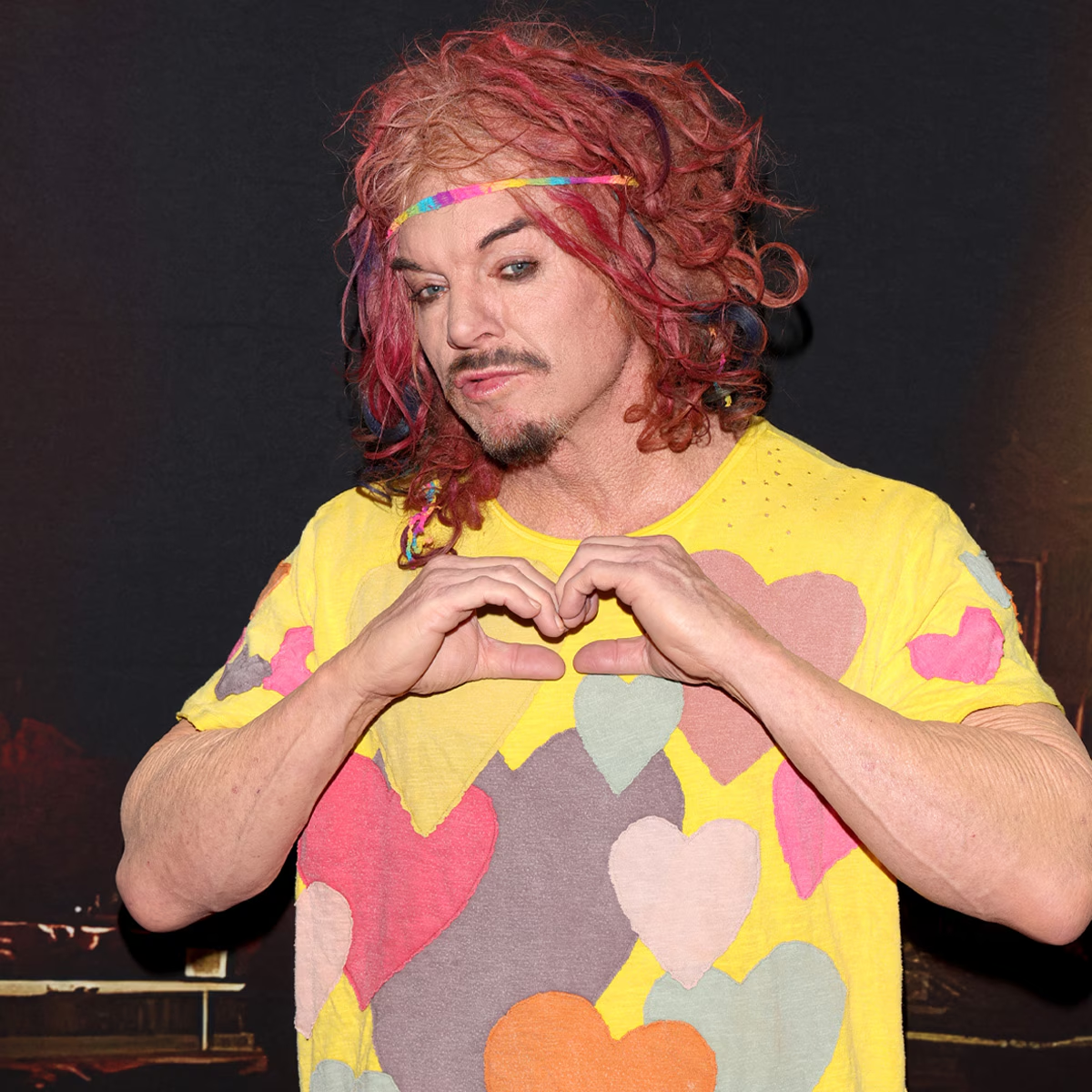
  • Carrot Top Released from Hospital After Suicide Attempt, Representative Confirms

    Carrot Top Released from Hospital After Suicide Attempt, Representative Confirms

    Key Highlights

    • Comedian Carrot Top, whose legal name is Scott Thompson, has been released from a Las Vegas hospital after a week of treatment.
    • The 59-year-old entertainer was hospitalized following a reported suicide attempt, according to his representative.
    • A spokesperson for the performer confirmed he is no longer receiving inpatient care, marking a positive step in his recovery.

    Carrot Top Released from Las Vegas Hospital After Weeklong Stay

    Prop comedian and Las Vegas headliner Carrot Top is no longer receiving treatment at a hospital, his representative confirmed this week. The update comes seven days after the entertainer—born Scott Thompson—was admitted to a medical facility in Las Vegas following what his team described as a suicide attempt. The news brings a measure of relief to fans and colleagues who have expressed concern for the longtime performer since news of his hospitalization broke.

    Representative Confirms Discharge and Ongoing Support

    In a statement provided to media outlets, Thompson’s spokesperson verified that the comedian has left the hospital setting. While specific details regarding his current location or the precise nature of his ongoing care were not disclosed, the announcement signals a critical transition from acute crisis intervention to the next phase of recovery. The representative emphasized that Thompson is surrounded by support and focusing on his well-being.

    A Career Defined by Resilience and Reinvention

    Scott Thompson, known professionally as Carrot Top, has been a fixture in American comedy for over three decades. He rose to prominence in the 1990s with his signature trunk of props and high-energy physical comedy, eventually securing a lucrative long-term residency at the Luxor Hotel & Casino in Las Vegas. Beyond the stage, he has appeared in films such as Chairman of the Board and made numerous television appearances. Throughout his career, he has navigated intense public scrutiny regarding his physical transformation and comedic style, often addressing criticism with self-deprecating humor.

    Why This Matters

    The hospitalization of a high-profile entertainer like Carrot Top underscores the often-hidden mental health pressures faced by performers who maintain rigorous touring schedules and public personas. In the entertainment industry, where vulnerability is frequently masked by spectacle, a public health crisis involving a beloved figure can catalyze broader conversations about access to care, stigma reduction, and the importance of support systems. For Las Vegas specifically, where residency performers form the backbone of the entertainment economy, the well-being of headliners is both a human concern and an industry priority. Thompson’s discharge represents not only a personal milestone but also a moment for the comedy community and fans to reflect on the realities behind the laughter.

    Frequently Asked Questions

    Why was Carrot Top hospitalized?

    Carrot Top (Scott Thompson) was hospitalized in Las Vegas following a reported suicide attempt, according to a statement from his representative released at the time of his admission.

    Is Carrot Top still in the hospital?

    No. His representative has confirmed that he is no longer receiving treatment at a hospital as of one week after his admission.

    Will Carrot Top return to his Las Vegas residency?

    No official announcement has been made regarding his performance schedule at the Luxor. His current focus is on recovery and well-being, according to his spokesperson.

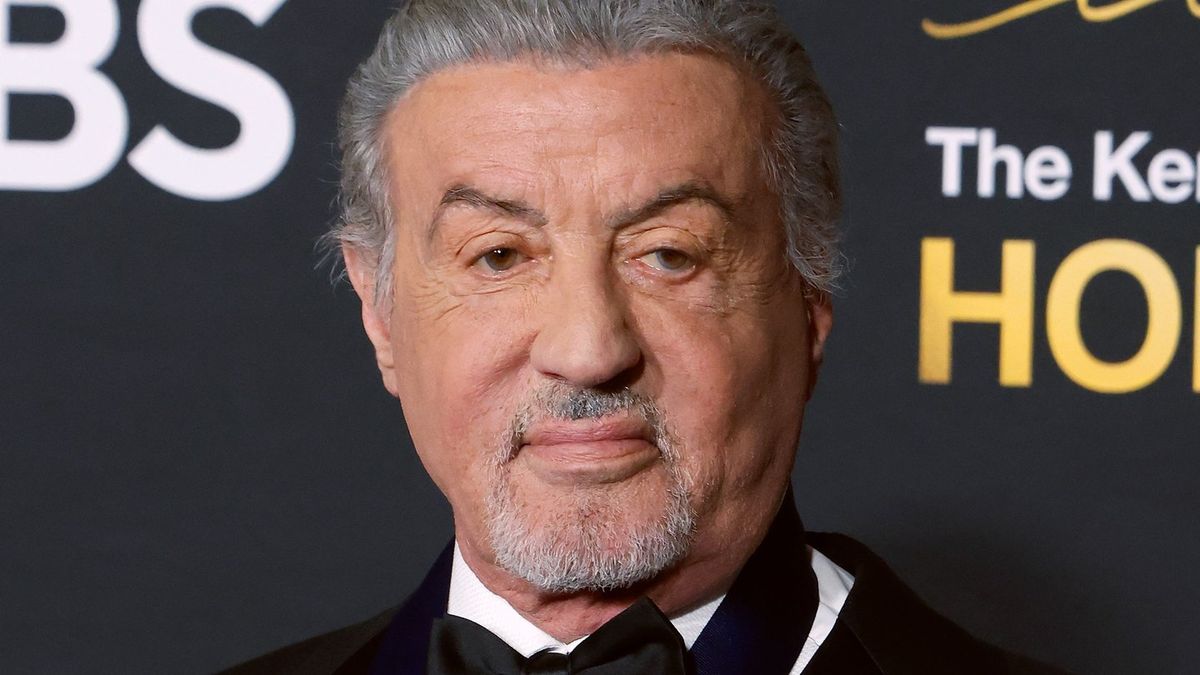
  • Sylvester Stallone Shares Battle with Severe Anxiety and Recurring Attacks

    Sylvester Stallone Shares Battle with Severe Anxiety and Recurring Attacks

    Key Highlights

    • Sylvester Stallone reveals decades-long struggle with anxiety-induced attacks in candid New York Times interview.
    • The actor discusses how his diagnosis continues to affect his daily life and career.
    • Stallone’s openness aims to destigmatize mental health challenges among high-profile figures.

    Stallone Breaks Silence on Long-Term Anxiety Battle

    Hollywood icon Sylvester Stallone has publicly disclosed a decades-long, private struggle with anxiety-induced attacks, offering a rare glimpse into the mental health challenges that have persisted alongside his celebrated action-film career. In a wide-ranging and candid interview with The New York Times, the 78-year-old actor, screenwriter, and director detailed the onset and enduring impact of his condition, marking one of his most vulnerable public discussions to date.

    The Hidden Toll Behind the Action Hero Persona

    For generations of moviegoers, Stallone has embodied physical resilience and mental toughness through characters like Rocky Balboa and John Rambo. However, the interview reveals a stark contrast between the on-screen persona and the actor’s lived experience. Stallone described suffering these attacks “quietly” for decades, suggesting a deliberate effort to conceal the condition from the public and industry colleagues. The revelation adds a significant layer to the public understanding of the pressures faced by leading men in an industry that often equates vulnerability with weakness.

    Diagnosis and Ongoing Management

    While the specific clinical terminology Stallone uses for his diagnosis was not fully detailed in the available excerpts, he confirmed that the condition remains an active part of his life. The actor’s willingness to discuss the ongoing nature of his symptoms—rather than framing them as a past obstacle already overcome—aligns with a growing movement among public figures to present mental health management as a continuous process rather than a finite victory.

    Why This Matters

    Stallone’s disclosure carries weight beyond celebrity gossip. As a defining figure of 1980s and 1990s masculinity in cinema, his admission challenges the stoic archetype he helped popularize. It contributes to a broader cultural shift where high-profile men—from athletes to actors—are increasingly rejecting the stigma surrounding anxiety and depression. The interview, published in The New York Times, ensures the conversation reaches a serious, news-focused audience, potentially encouraging others in high-pressure professions to seek support without fear of professional repercussion.

    Frequently Asked Questions

    What specific condition did Sylvester Stallone reveal he suffers from?

    Stallone disclosed he has suffered from anxiety-induced attacks for decades. The full clinical details of his diagnosis were not fully excerpted in the initial reports from his New York Times interview.

    Why is Stallone speaking about this now?

    The interview appears to be part of a broader, candid career retrospective. By discussing the ongoing nature of his diagnosis, Stallone joins a growing list of public figures normalizing conversations about long-term mental health management.

    Where can I read the full interview?

    The complete wide-ranging interview was published by The New York Times. Readers can access it directly through the publication’s website or print edition.

  • Sylvester Stallone Opens Up About Eating Disorder Struggle While Filming Rocky Franchise

    Sylvester Stallone Opens Up About Eating Disorder Struggle While Filming Rocky Franchise

    Key Highlights

    • Sylvester Stallone revealed in a New York Times interview that his extreme physical preparation for the Rocky and Rambo franchises led to bulimia, steroid use, and what he now calls “one of the most damaging periods” of his life.
    • The actor disclosed he has undergone nine back operations, two shoulder operations, and three neck fusions, stating his body is “held together with baling wire” and that maintaining his action-star physique “came at a terrible price.”
    • Stallone credited his 1997 role in Cop Land — playing an overweight, partially deaf sheriff — with liberating him from the “armour” of his muscular image, and said he would advise his younger self to let someone else “carry the banner” and avoid doing his own stunts.

    The Physical Toll of an Action Icon

    Sylvester Stallone, now 80, has offered a stark reassessment of the physical regimen that defined his rise to global stardom. In a candid interview with The New York Times, the actor disclosed that the relentless pursuit of an increasingly extreme physique for the Rocky and Rambo franchises spiraled into a dangerous obsession, culminating in bulimia and long-term structural damage to his body. What began as professional preparation became, in his words, “one of the most damaging periods of my life.”

    From Armour to Obsession

    Stallone described his physique not merely as a job requirement but as a psychological shield. “It was my armour,” he confessed. The evolution of Rocky Balboa — from a relatively ordinary fighter in 1976 to a chiseled champion — mirrored Stallone’s own escalating demands on his body. With Rambo, the goal shifted toward a leaner, “feral” aesthetic. “I started to think: Design your body like a jaguar, a cat,” he said. “Not big like Arnold, but more feral and aggressive and very limber and athletic.” That vision soon curdled into pathology. “Then it became an obsession. Really bad,” Stallone said. “It got to the point where I became bulimic. You heard it here first.”

    The nadir arrived during the filming of Rocky III in 1982. “I couldn’t hold anything down,” he said. “Or I didn’t want to keep it down because I became so obsessed with staying at that point of fitness, literally an obsessive body-worship kind of thing.” The actor also spoke plainly about performance-enhancing drugs. Asked directly about steroid use, he replied: “Oh, my god, you have to.”

    A Ledger of Injuries and a Turning Point

    The cumulative physical cost is extensive: nine back operations, two shoulder operations, and three neck fusions. “Everything is held together with baling wire, but I still want to stay in good shape,” he said. A pivotal shift came with James Mangold’s 1997 crime drama Cop Land, in which Stallone portrayed Freddy Heflin, an overweight, partially deaf sheriff — a deliberate departure from the muscle-bound archetype. “It wasn’t until I did Cop Land, when I had to play the weakest guy in the room — partially deaf, overweight — that I felt somewhat liberated,” he said. Asked whether he still regarded his physique as armour, his answer was immediate: “No, no, no.”

    Why This Matters

    Stallone’s disclosure adds a high-profile voice to the growing conversation about body dysmorphia, eating disorders, and the long-term health consequences of extreme physical transformation in the entertainment industry. His experience underscores the often-invisible toll on male actors pressured to maintain hyper-muscular physiques across decades-long franchises. The admission of steroid use during the 1980s and 1990s — an era with minimal regulation or oversight — also reframes the cultural memory of that period’s action-cinema aesthetic. As the industry continues to grapple with on-set safety and performer well-being, Stallone’s regret over performing his own stunts and his counsel to “let someone else carry the banner” resonate as a cautionary note for current and future generations of action performers.

    Frequently Asked Questions

    What eating disorder did Sylvester Stallone develop while training for Rocky and Rambo?

    Stallone developed bulimia, which he described as reaching a crisis point during the filming of Rocky III in 1982. He said he “couldn’t hold anything down” or “didn’t want to keep it down” due to an obsession with maintaining a specific level of leanness and fitness.

    Did Sylvester Stallone admit to using steroids?

    Yes. When asked directly whether he had taken steroids during his action-film prime, Stallone responded, “Oh, my god, you have to.” He argued that achieving and sustaining the required physique while training intensely and restricting calories was not realistically possible without performance-enhancing drugs.

    What role helped Sylvester Stallone break free from his body-image obsession?

    Stallone credited his role as Sheriff Freddy Heflin in James Mangold’s 1997 film Cop Land. Playing an overweight, partially deaf character — “the weakest guy in the room” — gave him a sense of liberation from the muscular “armour” he had maintained for years.

    Support resources: If you’ve been affected by any of the issues in this article and would like to speak with someone in confidence, call the BEAT Eating Disorders helpline on 0808 801 0677. Helplines are open 3pm–8pm Monday to Friday. Alternatively, you can try the one-to-one webchat.

  • Report Reveals Carrot Top’s Chilling Text to Manager Before Suicide Attempt

    Report Reveals Carrot Top’s Chilling Text to Manager Before Suicide Attempt

    Key Highlights

    • A comedian was hospitalized following a suicide attempt on September 18.
    • The report confirms the hospitalization but does not disclose the comedian’s identity.
    • No further details regarding the comedian’s current condition or the circumstances leading to the attempt have been released.

    Comedian Hospitalized After Suicide Attempt on September 18

    A comedian has been hospitalized after an attempted suicide on September 18, according to the latest report. The brief announcement confirms the medical emergency and the date of the incident but stops short of identifying the individual involved or providing additional context surrounding the events leading up to the attempt.

    Limited Details Released in Initial Report

    The source information consists of a single factual statement: “The comedian was hospitalized for attempted suicide on Sept. 18.” No name, location, venue, or institutional affiliation accompanies the report. There are no direct quotations from representatives, family members, medical personnel, or law enforcement included in the source material. As a result, the specific identity of the comedian, the jurisdiction where the hospitalization occurred, and the current medical prognosis remain unverified by this dispatch.

    Privacy and Reporting Restraint

    The absence of identifying details aligns with common media practices when reporting on mental health crises involving public figures, where outlets may withhold names pending family notification or official confirmation. However, the extreme brevity of the source—limited to one sentence without attribution or supplementary context—leaves the public record notably sparse. No statements from agents, publicists, or close associates have been cited to confirm or elaborate on the situation.

    Why This Matters

    The hospitalization of a working comedian for a suicide attempt underscores the persistent mental health pressures within the entertainment industry, where performers often navigate irregular schedules, public scrutiny, financial instability, and the emotional demands of comedic performance. While this report lacks the specificity to tie the incident to broader systemic factors, it arrives amid ongoing industry conversations about performer wellness, access to mental health resources, and the stigma that can deter entertainers from seeking help before a crisis point. The next steps in this story will likely depend on whether the comedian or their representatives choose to issue a public statement, whether authorities release an incident report, or whether colleagues address the matter publicly. Until then, the factual baseline remains confined to the date and the medical outcome reported.

    Frequently Asked Questions

    Who is the comedian that was hospitalized?

    The source report does not identify the comedian by name. No identifying information—such as gender, nationality, or career details—has been released in this dispatch.

    What is the comedian’s current condition?

    The source only confirms hospitalization for an attempted suicide on September 18. It does not provide an update on the comedian’s medical status, treatment, or prognosis.

    Where did the hospitalization take place?

    The report does not specify the city, hospital, or country where the comedian was admitted. No geographic details are included in the source material.

  • Prince Harry Could Earn Staggering Payday for Elite Events, Expert Says

    Prince Harry Could Earn Staggering Payday for Elite Events, Expert Says

    Key Highlights

    • The Duke of Sussex, Prince Harry, aged 42, conducted a week of public engagements in New York City.
    • His schedule included appearances at high-profile conferences and charitable events.
    • The visit underscores his ongoing commitment to philanthropic initiatives and global advocacy work.

    Duke of Sussex Completes Week of High-Profile Engagements in New York City

    The Duke of Sussex, 42, has spent the week making appearances at high-profile conferences and charitable events in NYC. Prince Harry’s sustained presence in the city highlights his continued dedication to the philanthropic Causes he champions through the Archewell Foundation and other partnerships. The engagements come as part of a broader pattern of international advocacy that has defined his public role since stepping back from senior royal duties in 2020.

    A Focus on Philanthropy and Global Solutions

    Throughout the week, the Duke participated in gatherings that convene leaders from the nonprofit, technology, and policy sectors. While specific event details were not itemized in the initial report, his attendance at such forums aligns with his long-standing focus on mental health awareness, environmental conservation, and support for veterans and military families. These themes have consistently anchored his public work, both during his tenure as a working royal and in his subsequent independent endeavors alongside the Duchess of Sussex.

    Continuing a Pattern of Transatlantic Engagement

    New York City has served as a frequent hub for the Duke’s activities in recent years. Its concentration of United Nations agencies, major philanthropic institutions, and global media makes it a strategic location for advancing the initiatives he supports. The week-long schedule suggests a deliberate effort to maximize impact through concentrated dialogue with stakeholders and potential collaborators across multiple sectors.

    Why This Matters

    The Duke of Sussex’s New York visit reinforces the evolving model of royal-adjacent public service that operates outside the traditional British monarchy framework. By leveraging his global platform to convene and participate in high-level discussions on pressing social issues, he maintains a distinct public profile focused on action-oriented philanthropy. The engagements also signal the continued relevance of the Archewell Foundation’s mission to “unleash the power of compassion” through systemic change. As the Duke navigates this phase of his public life, each concentrated period of activity in major global cities like NYC serves to sustain momentum for the Causes he advocates and to cultivate the partnerships necessary for long-term impact.

    Frequently Asked Questions

    What was the purpose of Prince Harry’s week in New York City?
    He attended high-profile conferences and charitable events, continuing his advocacy and philanthropic work through appearances that convene global leaders and stakeholders.
    How old is the Duke of Sussex?
    The Duke of Sussex is 42 years old.
    Does this visit relate to the Archewell Foundation?
    While the source does not explicitly name the Archewell Foundation, the Duke’s participation in charitable events and conferences aligns with the Foundation’s stated mission and his established pattern of philanthropic engagement.
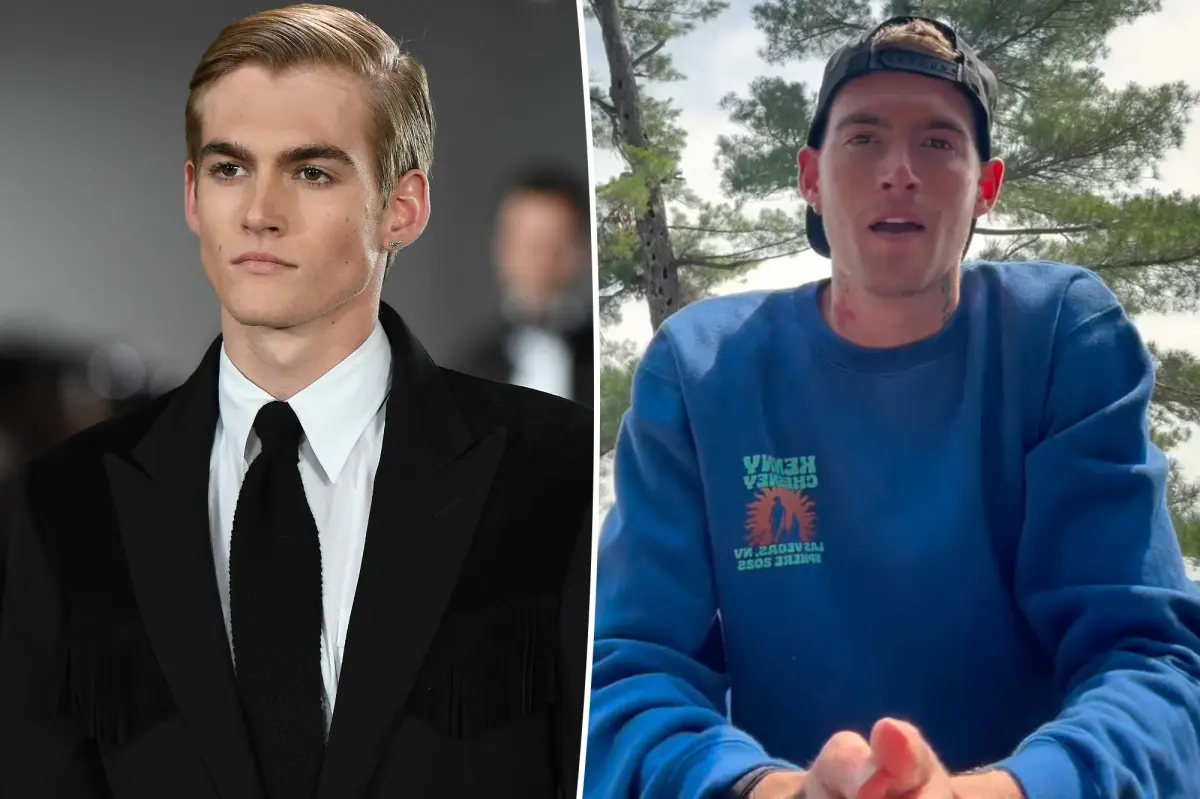
  • Inside Presley Gerber’s ‘demons’ Before His Shocking Death at 27

    Inside Presley Gerber’s ‘demons’ Before His Shocking Death at 27

    Key Highlights

    • Sources close to a late model indicate he faced significant private struggles.
    • These struggles are described as extending well beyond the pressures associated with growing up in a famous family.
    • The model’s identity and specific cause of death are not disclosed in the current report.

    Report Highlights Undisclosed Struggles of Late Model

    Individuals familiar with a recently deceased model have revealed that the individual grappled with profound personal challenges that transcended the public scrutiny and expectations inherent to a high-profile upbringing. According to the report, those who knew the model assert that the pressures of belonging to a famous family represented only a fraction of the difficulties he endured privately. The account suggests a complex internal landscape that remained largely hidden from public view.

    Family Fame Cited as Partial Context, Not Sole Cause

    The distinction drawn by sources emphasizes that while the model’s famous lineage contributed to his life experience, it does not fully account for the depth of his private battles. The narrative positions the “pressures of growing up in a famous family” as a known, external factor, while characterizing the core struggles as separate, internal, and more severe. No specific details regarding the nature of these struggles, the model’s identity, or the circumstances of his death have been released in the available information.

    Why This Matters

    This report underscores a recurring theme in coverage of public figures: the gap between public perception—often shaped by privilege and pedigree—and private reality. When media narratives focus heavily on family legacy or industry pressure, they may obscure deeper, individualized mental health or personal crises. The lack of identifying details in this specific report limits further analysis but serves as a reminder that high-profile backgrounds do not inoculate individuals against profound personal suffering.

    Frequently Asked Questions

    Who is the late model mentioned in the report?
    The source text does not identify the model by name.
    What were the specific private struggles referenced?
    The report states only that they “went far beyond the pressures of growing up in a famous family” without elaborating on their nature.
    Has a cause of death been announced?
    No cause of death or date of death is provided in the source material.
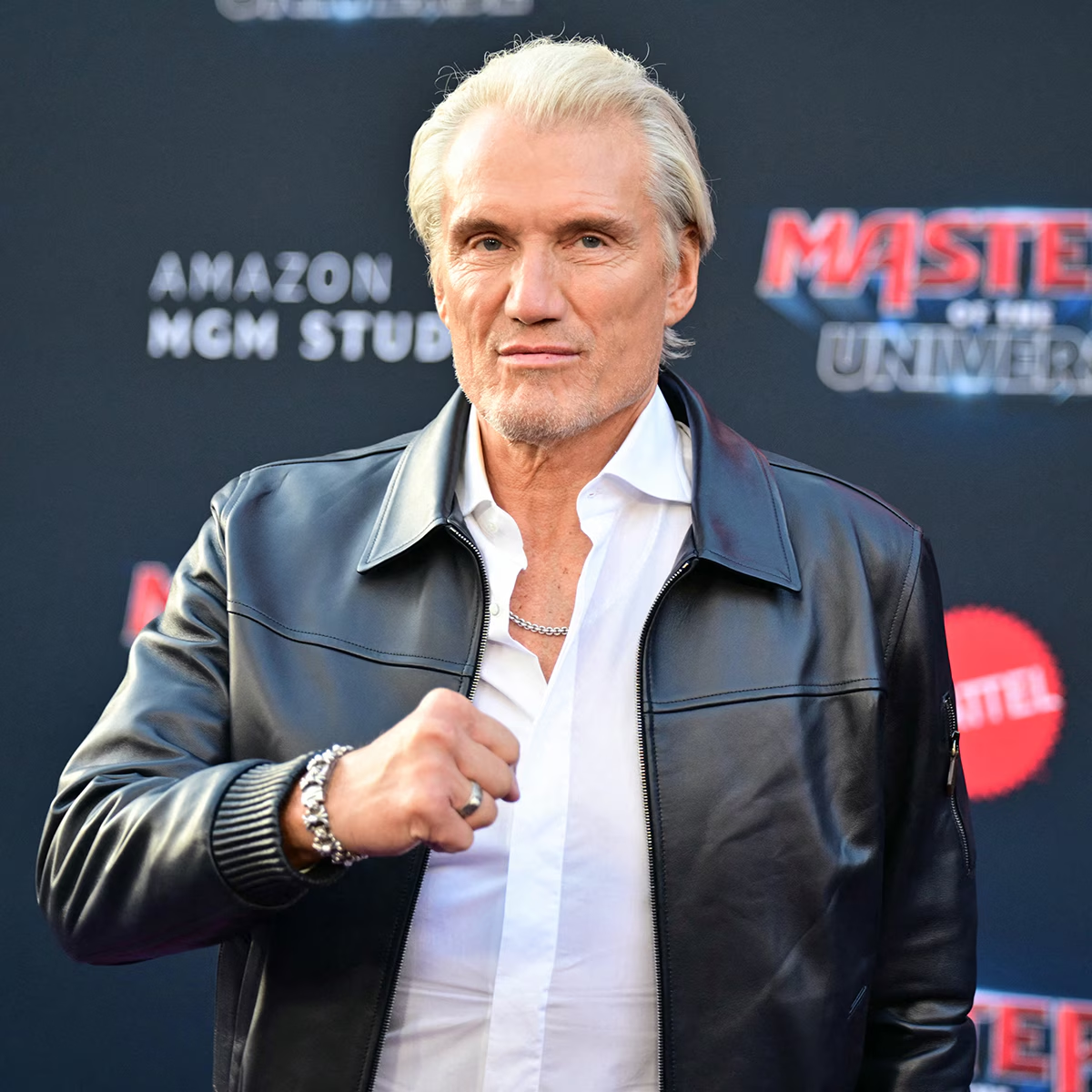
  • Dolph Lundgren Considered “Legal Suicide” During Cancer Treatment

    Dolph Lundgren Considered “Legal Suicide” During Cancer Treatment

    Key Highlights

    • Dolph Lundgren, known for his role in Rocky IV, reflected on a decade-long battle with cancer.
    • The actor disclosed reaching a low point where he felt exhausted by the ongoing fight against the disease.
    • Lundgren shared insights into his personal struggles during the extended health crisis.

    Lundgren Reflects on Decade-Long Cancer Battle

    Actor and filmmaker Dolph Lundgren, widely recognized for his portrayal of Soviet boxer Ivan Drago in the 1985 film Rocky IV, has spoken publicly about his prolonged experience with cancer. In a recent retrospective, the 67-year-old star described the toll of a ten-year fight with the illness, revealing that the journey included moments of profound fatigue and emotional depletion.

    A Low Point in the Fight

    According to Lundgren, there was a specific period during his decade-long struggle when he felt overwhelmed by the relentless nature of his treatment and recovery. He characterized this phase as a time when he was simply “tired of fighting,” underscoring the psychological weight that accompanies a long-term serious health diagnosis. The actor’s candor highlights the often unseen mental and emotional dimensions of chronic illness, even for public figures accustomed to physical demands.

    Career Context and Public Persona

    Lundgren’s revelation adds a layer of vulnerability to a career defined by action-hero roles and physical resilience. Beyond Rocky IV, his filmography includes the Expendables franchise, Universal Soldier, and Aquaman, roles that cemented his image as a symbol of strength. His decision to discuss the weariness of his cancer journey contrasts with that on-screen persona, offering a more human perspective on endurance.

    Why This Matters

    Lundgren’s openness contributes to a broader conversation about the long-term realities of cancer survivorship. While public discourse often focuses on diagnosis and remission, the interim years—marked by ongoing treatment, monitoring, and psychological strain—receive less attention. By sharing his experience of fatigue and discouragement, the actor helps normalize the emotional fluctuations that accompany chronic illness, potentially offering solidarity to others navigating similar extended health battles. His platform as a recognizable action star amplifies the reach of this message.

    Frequently Asked Questions

    What type of cancer did Dolph Lundgren battle?
    The provided source does not specify the type of cancer Lundgren faced during his decade-long battle.
    Is Dolph Lundgren currently in remission?
    The source text does not provide information on Lundgren’s current health status or whether he is in remission.
    Where did Lundgren share these reflections?
    The RSS source does not identify the specific interview, publication, or platform where Lundgren discussed his cancer journey.
  • Former Fox News Staffer Jennifer Eckhart Dies at 36

    Former Fox News Staffer Jennifer Eckhart Dies at 36

    Key Highlights

    • Former Fox News journalist Jennifer Eckhart was found deceased inside her Florida residence on September 19.
    • Authorities discovered Eckhart’s body during a welfare check at the property.
    • The news has prompted an outpouring of remembrance from media colleagues and former associates.

    Former Fox News Correspondent Jennifer Eckhart Found Dead in Florida Home

    Jennifer Eckhart, a former associate producer and on-air contributor for Fox News Channel, was discovered dead inside her Florida residence on Thursday, September 19, according to multiple law enforcement and media reports. The discovery was made after authorities responded to the property to conduct a welfare check. Details surrounding the specific circumstances of her death have not been publicly released by officials, though the nature of the reporting carries a content warning regarding suicide.

    Career at Fox News and Departure

    Eckhart spent several years at Fox News headquarters in New York, working behind the scenes as an associate producer and occasionally appearing on-air as a correspondent. Colleagues describe her as a dedicated journalist with a sharp editorial instinct. She departed the network several years ago and had since relocated to Florida. Since leaving the national cable news environment, Eckhart maintained a lower public profile, and details regarding her recent professional endeavors were not immediately available.

    Media Community Reacts to Sudden Loss

    News of Eckhart’s passing circulated quickly among current and former Fox News staffers, many of whom took to social media to express shock and share memories of working alongside her. Former coworkers characterized her as a fierce professional and a supportive presence in the newsroom. The sudden nature of the loss has left many in the tight-knit cable news community searching for answers while respecting the family’s privacy during a difficult time.

    Why This Matters

    The death of Jennifer Eckhart highlights the often unseen pressures faced by journalists working in high-intensity, 24-hour cable news environments. While the specific factors contributing to this tragedy remain private, the loss resonates across the media industry, prompting renewed conversations about mental health support for news professionals who routinely cover traumatic events and operate under relentless deadlines. As a former staffer at one of the nation’s most-watched cable networks, Eckhart’s passing serves as a somber reminder of the human cost behind the byline.

    Frequently Asked Questions

    Who was Jennifer Eckhart?

    Jennifer Eckhart was a former associate producer and on-air correspondent for Fox News Channel based in New York. She worked at the network for several years before departing and relocating to Florida.

    When and where was she found?

    Her body was discovered inside her Florida home on September 19 after authorities conducted a welfare check at the residence.

    What was the cause of death?

    Authorities have not publicly released the official cause or manner of death. The initial reporting includes a content warning regarding suicide, but no formal determination has been announced by the medical examiner or police.