Tag: Mark Wahlberg

  • Ted 2’s ‘Grr Mondays’ Scene Sparks Viral Hashtag Trend on TikTok, Reels

    Ted 2’s ‘Grr Mondays’ Scene Sparks Viral Hashtag Trend on TikTok, Reels

    Key Highlights

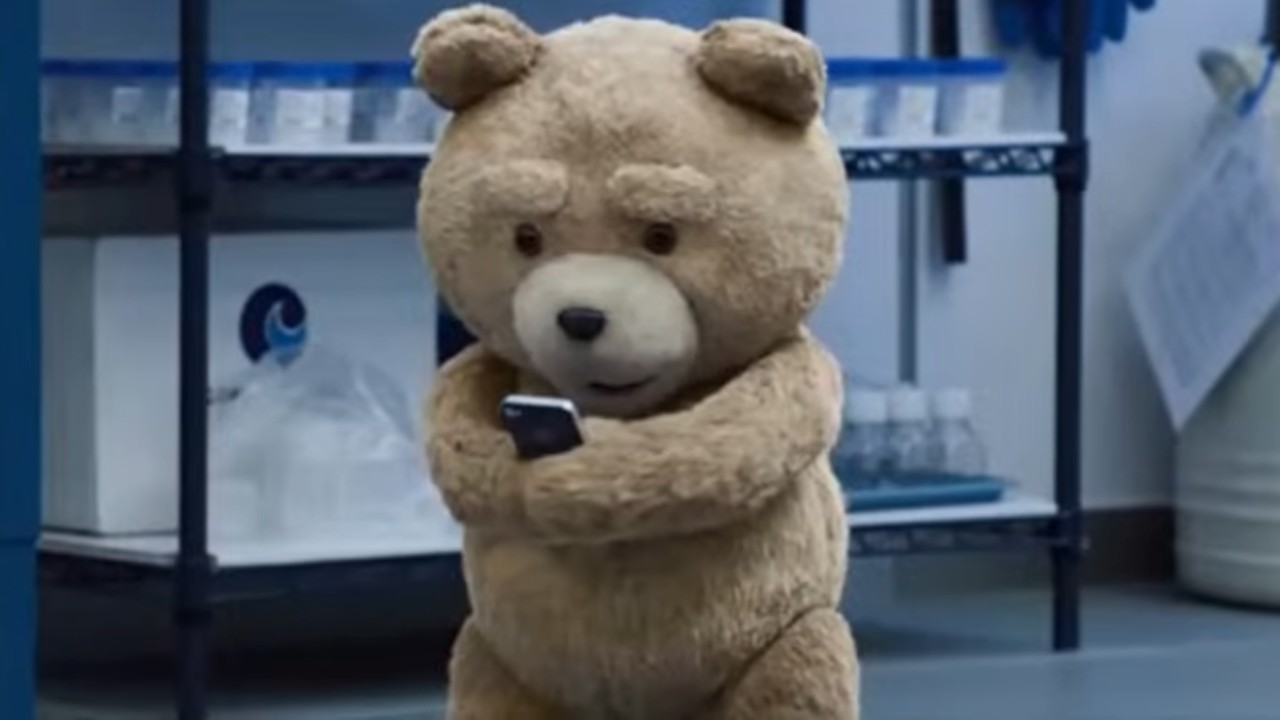
    • The “Grr Mondays” catchphrase originates from a sperm bank scene in the 2015 film Ted 2, where Mark Wahlberg’s character John Bennett is accidentally covered in sperm and the titular teddy bear posts a photo tagged “#GrrMondays.”
    • In September 2026, the scene experienced a viral resurgence on TikTok and Instagram Reels, inspiring widespread meme formats including audio-based animations and user reenactments.
    • The trend highlights the enduring cultural footprint of the Ted franchise and the cyclical nature of internet humor, where older media moments find new life through short-form video platforms.

    Origin of the “Grr Mondays” Catchphrase

    The “Grr Mondays” meme traces its roots directly to a specific sequence in Ted 2, the 2015 sequel written and directed by Seth MacFarlane. In the scene, John Bennett, portrayed by Mark Wahlberg, visits a sperm bank as part of a subplot involving his attempts to have a child with his wife. A mishap occurs resulting in John being drenched in the donor material. Seizing the moment, the anthropomorphic teddy bear Ted—voiced by MacFarlane—snaps a photograph of the humiliated John and uploads it to Facebook with the sarcastic caption “#GrrMondays.” The line functions as a dark twist on the classic “Garfield” comic strip trope of hating Mondays, reframed through the franchise’s signature raunchy humor.

    Viral Resurgence on Short-Form Video Platforms

    More than a decade after the film’s theatrical release, the moment exploded into a major trend during September 2026. The catalyst for the resurgence appears to be the extraction of the scene’s audio—specifically the delivery of the hashtag line—which began circulating widely on TikTok and Instagram Reels. Creators on both platforms adopted the sound for two primary formats. The first involves animated edits, where artists synchronize original character animations or motion graphics to the audio clip. The second trend sees users filming live-action reenactments, often staging messy or unfortunate “Monday morning” scenarios in their own lives before cutting to the punchline. The hashtag #GrrMondays accumulated millions of views across the platforms during the peak of the trend.

    The Mechanics of the Meme Format

    The structure of the trend relies heavily on the juxtaposition of the audio’s specific cadence with visual misery. Because the source material is a single, punchy line of dialogue, it functions as a versatile “sound effect” for content creators. Unlike memes requiring complex narrative setups, the “Grr Mondays” format allows for low-barrier participation: a creator simply needs a relatable inconvenience—spilled coffee, a missed alarm, a work email notification—and the audio provides the instant comedic framing. This accessibility fueled the volume of user-generated content, pushing the 2015 movie clip back into the cultural conversation nearly eleven years post-release.

    Why This Matters

    The “Grr Mondays” phenomenon underscores the shifting dynamics of media longevity in the algorithmic era. Legacy comedy films, particularly those from the 2010s, are increasingly serving as raw material libraries for Gen Z and Alpha creators on TikTok and Reels. Studios and rights holders are observing that singular, quotable moments—often secondary gags rather than central plot points—can drive massive organic engagement years after a title leaves the box office. For Ted 2, a film that received mixed critical reviews upon release, the trend represents a significant “second life” asset, potentially driving catalog streaming revenue and maintaining franchise relevance ahead of any potential future installments or the Peacock streaming series. It also illustrates how platform-native humor (animations, POV reenactments) remediates passive film viewing into active, participatory culture.

    Frequently Asked Questions

    What movie is the “Grr Mondays” meme from?

    The meme originates from the 2015 movie Ted 2, directed by Seth MacFarlane and starring Mark Wahlberg.

    Why did the meme go viral in September 2026?

    The scene’s audio clip gained traction on TikTok and Instagram Reels, where creators used it for animations and reenactments depicting relatable “bad Monday” moments, driving millions of views under the #GrrMondays hashtag.

    What happens in the original scene?

    Mark Wahlberg’s character, John Bennett, has an accident at a sperm bank that leaves him covered in sperm. Ted photographs him and posts the picture to Facebook with the caption “#GrrMondays.”
  • Mark Wahlberg Claims He Narrowly Missed First 9/11 Plane Hitting World Trade Center

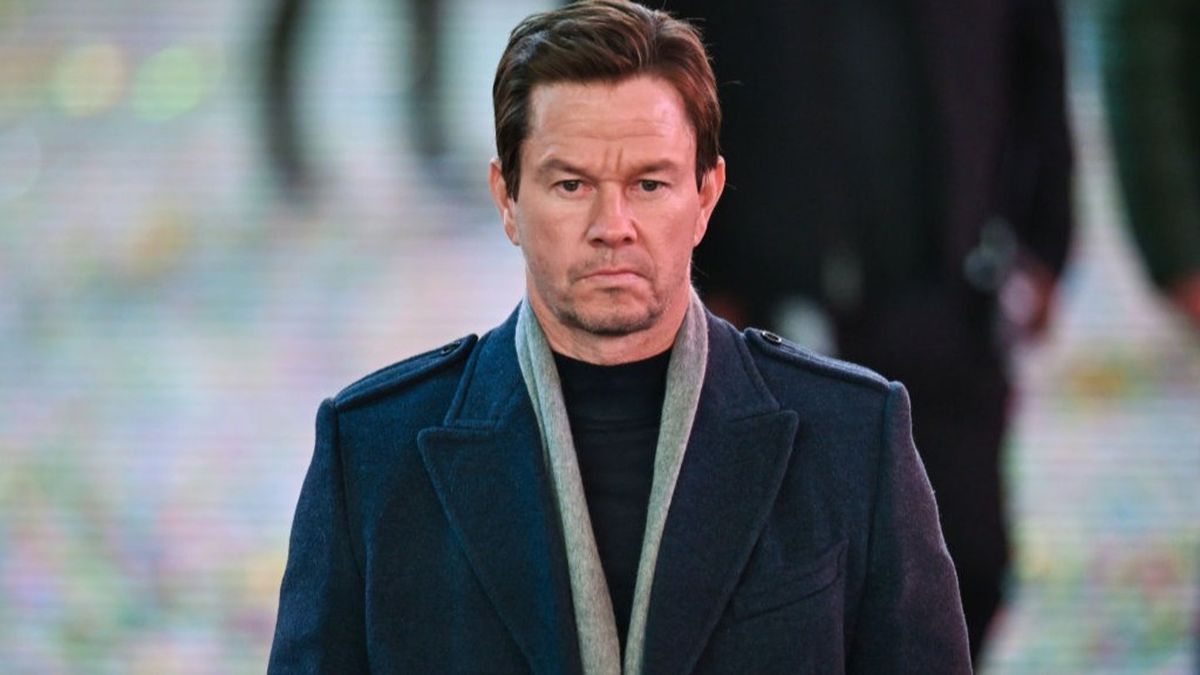
    Mark Wahlberg Claims He Narrowly Missed First 9/11 Plane Hitting World Trade Center

    This article contains details which some readers may find distressing.

    Mark Wahlberg’s 9/11 Flight Controversy and Apology

    Actor Mark Wahlberg faced significant backlash after making controversial comments about what he believed would have happened if he had been aboard one of the planes used in the September 11, 2001 terrorist attacks. Twenty-five years ago, Wahlberg was originally scheduled to fly on American Airlines Flight 11, the first aircraft to strike the World Trade Center’s North Tower.

    Last-Minute Travel Change Saved the Actor

    Wahlberg had been booked on the Boston-to-Los Angeles flight but decided at the last minute to travel to a film festival in Toronto instead, requiring a different flight. This spontaneous decision meant he was not on board when terrorists crashed the plane into the North Tower, killing all 92 people aboard.

    Controversial Comments to Men’s Journal

    Years later, when asked about the near-miss by Men’s Journal, Wahlberg described a scenario in which he would have single-handedly thwarted the hijacking:

    “If I was on that plane with my kids, it wouldn’t have went down like it did,” he claimed. “There would have been a lot of blood in that first-class cabin and then me saying, ‘Okay, we’re going to land somewhere safely, don’t worry’.”

    In essence, Wahlberg suggested that his presence would have led to the terrorists being beaten and the aircraft landed safely.

    Backlash from Victims’ Families

    The remarks drew immediate and fierce criticism from loved ones of those who perished in the attacks. The widow of a man killed on 9/11 labeled Wahlberg’s comments “disrespectful,” echoing the sentiment of many who felt the actor diminished the bravery of the actual passengers and crew.

    Formal Apology Issued

    Following the outcry, Wahlberg released a formal apology acknowledging the insensitivity of his speculation:

    “To speculate about such a situation is ridiculous to begin with, and to suggest I would have done anything differently than the passengers on that plane was irresponsible.”

    “I deeply apologise to the families of the victims that my answer came off as insensitive. It was certainly not my intention.”

    25 Years Since the September 11 Attacks

    As the 25th anniversary of the attacks approaches, the nation reflects on the loss of 2,977 lives. The milestone has prompted many to revisit harrowing footage and firsthand accounts to grasp the terrifying scale of destruction.

    Eyewitness Account: Stefan Horlacher

    Stefan Horlacher, who witnessed Flight 11 striking the North Tower from two blocks away, shared his experience with LADbible. He recalled feeling vibrations from the impact and described the horrifying scenes that unfolded outside:

    “We had the first jumpers, splashing on the plaza. Almost every 10 seconds, maybe 20 seconds, somebody right in front of you, kind of splashed on the plaza,” he said. “They always gave [me] that deep, dark noise… Then you knew it was more serious than just a tiny accident.”

    Horlacher’s testimony underscores the unimaginable horror faced by those in Lower Manhattan that morning, a stark contrast to the hypothetical scenarios later debated in the media.

  • By Any Means Review: Mark Wahlberg Follows Johnny Depp’s Path

    By Any Means Review: Mark Wahlberg Follows Johnny Depp’s Path

    ‘By Any Means’ Review: Mark Wahlberg’s Miscast Turn Undermines Civil Rights Drama

    Paramount Pictures’ By Any Means arrives with the weight of a prestige historical drama but collapses under tonal confusion and a wildly miscalibrated lead performance. Directed by Elegance Bratton and written by Sascha Penn, the film attempts to dramatize the FBI’s controversial alliance with a Mafia enforcer to solve civil rights-era murders in 1960s Mississippi. Instead, it delivers a muddled buddy-cop fantasy that panders to white audiences while squandering a powerful true-story framework.

    A Prestige Premise Derails Into Green Book Territory

    The film opens with archival footage establishing the terror of 1964 Mississippi, where KKK violence claimed the lives of James Chaney, Andrew Goodman, and Michael Schwerner. Yahya Abdul-Mateen II stars as Special FBI Agent Wayne Strider, a Black Mississippian investigating the firebombing murder of local NAACP leader Vernon Dahmer (Giancarlo Esposito). In these early scenes, Abdul-Mateen is riveting — earnest, intense, and grounded in the peril facing Black families in the South. Nicole Beharie brings quiet gravity as Strider’s wife, and the film initially channels the moral urgency of Mississippi Burning.

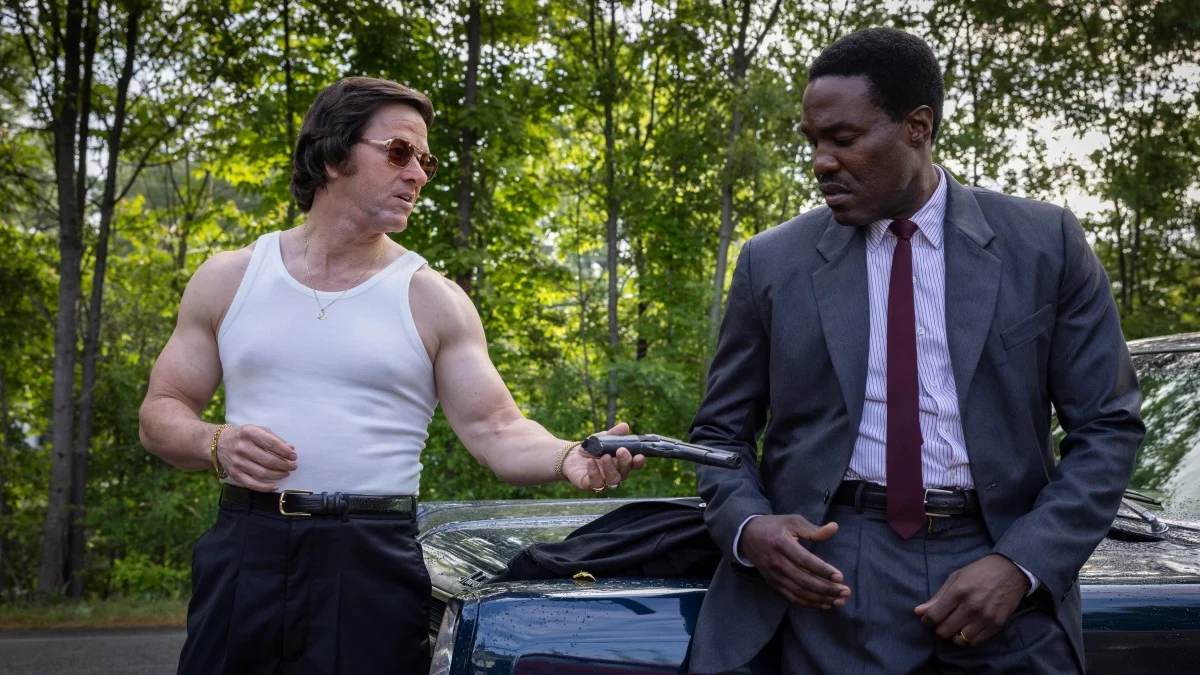
    Then the narrative pivots. Enter Gregory Scarpa (Mark Wahlberg), a Colombo crime family hitman and FBI informant dispatched from Brooklyn to extract confessions “by any means necessary.” What follows is a jarring tonal shift into odd-couple buddy-cop mechanics reminiscent of Lethal Weapon — but with the racial dynamics of Green Book. The refined Southern Black agent is lectured by a loudmouthed white New Yorker on the merits of Malcolm X over Martin Luther King Jr., a scene that reduces civil rights philosophy to a plot device for Scarpa’s violence-first worldview.

    Wahlberg’s Performance: Prosthetics Over Substance

    Mark Wahlberg’s casting is the film’s fatal flaw. Buried under a comically oversized prosthetic nose, a bad wig, and a pot belly, Wahlberg mugs through scenes with a Boston-accented approximation of a Brooklyn tough guy. The makeup is so distracting — matte, untextured, and profile-ruining — that it recalls Johnny Depp’s alienating transformation in Black Mass. Wahlberg reaches for the gravitas of James Gandolfini or Russell Crowe in The Nice Guys but lands in parody. His chaotic charisma, effective in The Departed or Pain & Gain, feels grotesquely out of place in a film about anti-Black terrorism.

    The film never meaningfully interrogates the white privilege that allows Scarpa to shoot a police officer and walk away, while Strider faces a drawn gun at a routine traffic stop. That disparity is noted but unexplored, sacrificed to a narrative that ultimately celebrates extrajudicial violence as a necessary corrective to systemic failure — the same logic the film’s KKK villains (led by a chilling Ethan Embry) use to justify their own bombs and burnings.

    Historical Speculation Masquerading as Fact

    The title card “Based on a true story” should trigger skepticism. As with 2005’s Wolf Creek, the claim serves as marketing hook, not historical contract. Final title cards admit most of the plot is “inspired by the suspicion” that Scarpa may have been involved alongside an “unnamed” Black agent. With such a specious tether to reality, the filmmakers could have crafted a nuanced critique of FBI overreach and moral compromise. Instead, they delivered a vigilante fantasy where the ends justify the baseball bats.

    Wasted Talent, Muddied Message

    Terence Blanchard’s smoky, saxophone-heavy score underscores the film Bratton could have made — one that aches with purpose. Abdul-Mateen, Beharie, and Esposito deliver performances demanding a better vehicle. David Strathairn is reduced to exposition delivery as Strider’s boss. The climax, in which Strider abandons procedure to embrace Scarpa’s methods, feels less like character evolution than genre capitulation: the cop goes rogue, the system wins, and the audience is assured that violence in service of “good” is acceptable.

    The final title cards detailing the real-world aftermath — minimal legal consequences for all involved — only deepen the cynicism. By Any Means wants credit for confronting racism but coddles white viewers with a charismatic antihero who “isn’t that bad” compared to the Klan. That bar was never enough. It isn’t now.

    By Any Means opens September 4.