Tag: Mariano Navone

  • Paula Badosa and Emiliana Arango: Two Stories of Perseverance, Pride and Dreams at the US Open

    Paula Badosa and Emiliana Arango: Two Stories of Perseverance, Pride and Dreams at the US Open

    The US Open has become the center of the tennis world. With the 2026 edition underway in New York, the early stages of the tournament have delivered plenty of drama in an event that combines elite tennis with mass transportation, high-priced tickets and activities beyond the main grounds.

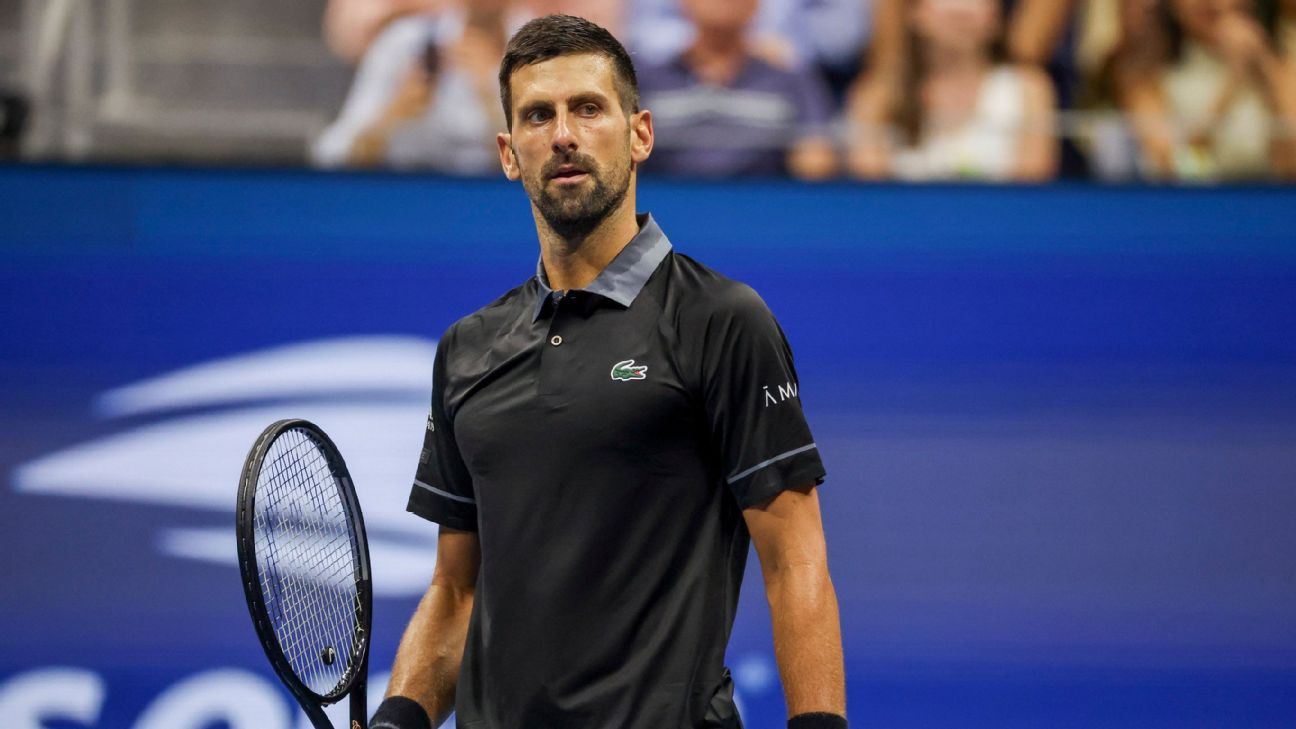
    The first major upset was the elimination of world No. 4 Novak Djokovic, who was knocked out in the opening round of the tournament for the first time after losing to Argentine tennis player Mariano Navone.

    Novak Djokovic was eliminated in the first round of the US Open for the first time.

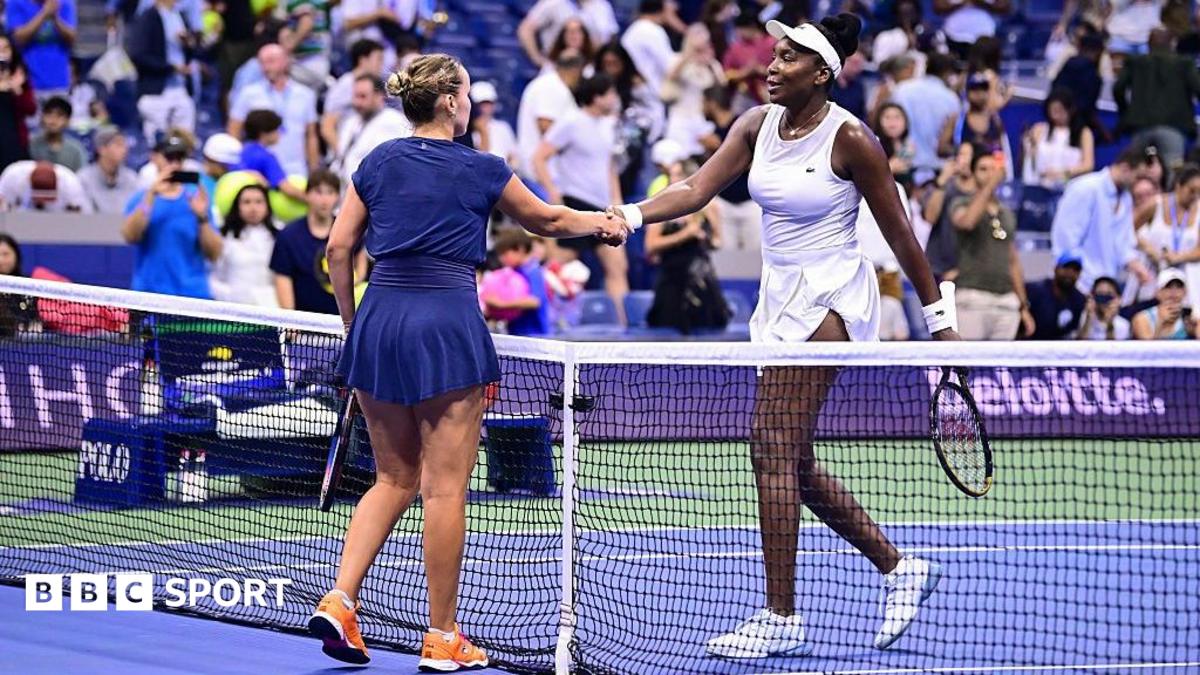
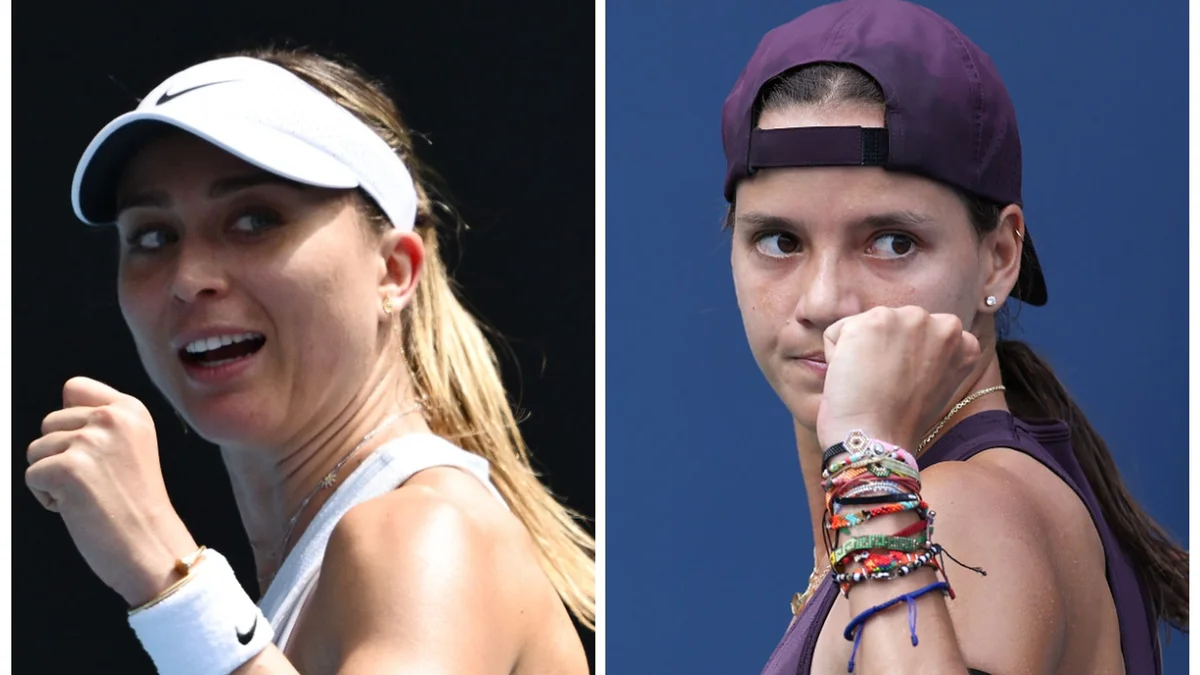
    As expected, the US Open has once again brought together the biggest names in international tennis. Among them are two leading Latin American figures who arrived in New York with very different stories but the same passion for the sport: Spain’s Paula Badosa and Colombia’s Emiliana Arango.

    We spoke with both players. Badosa is preparing to return to the court on Tuesday, September 1, to face Daria Kasatkina, while Arango has already ended her campaign after suffering a defeat against China’s Xiyu Wang on August 30.

    Paula Badosa returns to New York with Spain in her heart

    Paula Badosa remains in contention at the US Open.

    New York holds a special place for Paula Badosa. The Spanish tennis player has made no secret of her excitement at returning to one of the most important tournaments on the calendar, especially while carrying the pride of representing her country.

    “Obviamente. Súper feliz de estar aquí. Me encanta este Grand Slam. Es el último del año con muchas ganas y aún más representando a España. Sabes que soy una persona que está muy orgullosa de mi país y bueno, hace poco España ganó aquí, así que espero que se repita un poco con el tenis”, dijo la tenista en exclusiva a ¡HOLA! durante sus prácticas en el US Open.

    Her presence at the tournament also represents the continuation of a difficult journey. Badosa has dealt with injuries and emotionally challenging periods, but she says her desire to keep competing and enjoy stages such as the US Open has kept her moving forward.

    “No ha sido fácil. Obviamente lesiones, emocionalmente he pasado por muchas cosas, pero bueno, al final también una cosa que me caracteriza es que sigo luchando, que al final tengo la ilusión de estar en estos sitios y al final puede ganar más eso que los momentos malos”, nos explica.

    Throughout that process, her inner circle has played a fundamental role. For the Spanish player, having people around her who know and protect her and who have supported her through different stages has been essential to reaching this point again.

    “Para haber llegado hasta aquí es clave, ¿no? Al final es la gente que está en mi entorno, es la gente que me protege, que me entiende, que quiere lo mejor para mí. Al final yo creo que eso es lo más importante, gente que me ha visto por todos los momentos y obviamente también tengo que decir que tengo unos fans increíbles que siempre me apoyan muchísimo, la verdad, y que este año les he hecho sufrir más que disfrutar. Pero espero que ahora también pues les haga disfrutar un poquito”, agregó Badosa.

    The Spanish player has high expectations for this tournament.

    Outside the court, Badosa’s personality is also reflected in her passion for fashion. Her looks have attracted attention throughout her career, and the tennis player acknowledges that choosing what to wear is another way she enjoys her day-to-day life.

    “Bueno, soy un poco así de cómo me levanto, pero siempre me ha gustado el fashion y y toda la moda, entonces la disfruto mucho. Y sí va un poco depende del día, pero es algo que también me hace sentir bien y creo que es importante en general, pero sobre todo como mujer”, puntualizó.

    Reading is another of her interests. Her preferences include athletes’ biographies and books that offer tools for dealing with life’s different challenges.

    “Pues como fan, y siempre lo voy a decir de Rafa, me encantó, me encantó su documental porque creo que transmite muchas cosas, que es una inspiración. Y obviamente también te puedo leer novelas o cosas así, pero también me gusta mucho cosas que me ayuden, libros de autoayuda”, destacó Badosa, asegurando que al final es lo que más va a nutrirla como persona.

    Emiliana Arango fulfills a dream at the US Open

    Emiliana Arango is one of Colombia’s young tennis prospects.

    For Colombian tennis player Emiliana Arango, competing in New York meant fulfilling a dream that began when she was a child. Arango started playing tennis at the age of three and, after years of training, tournaments, sacrifices and travel, had the opportunity to experience firsthand what she had watched on television for so long.

    Although Arango lost to China’s Wang on August 30, her tournament experience represents far more than a sporting result.

    “Es algo muy lindo. Es muy difícil de poner en palabras. Es un sueño cumplido. Uno veía sus torneos en televisión y poder ser capaz de venir y disfrutarlos es algo muy especial”, dijo a ¡HOLA! en exclusiva durante sus prácticas en las canchas del US Open.

    Emiliana Arango lost in the first round of the US Open to Xinyu Wang, but she still has a long career ahead of her.

    Behind every match is a demanding routine, from waking up early to deal with New York traffic to training and monitoring her nutrition.

    “En un torneo así entrenamos más o menos dos horas al día. Hago tal vez depende el día, qué tan cerca esté de jugar. Hago un poco de gimnasio, después ir a donde los fisios a que lo traten a uno, tratar de poner el cuerpo lo mejor posible. Tratamos de ponerle mucho enfoque a la alimentación y a la hidratación, para tratar de que el cuerpo se recupere lo mejor posible y pueda estar al 100% el día del partido”, nos explicó.

    For Arango, having family and loved ones nearby also makes a tennis tournament that can feel endless more manageable.

    “Es demasiado importante, sobre todo en el calendario porque se va haciendo muy largo. Pasas mucho tiempo por fuera, a veces mucho tiempo solo. Justo eso estaba hablando un poco con mi familia, ver en donde tal vez alguno tiene vacaciones o semana libre que tal vez me quisieran pegar en algún torneo, porque hace mucha diferencia poderlos tener cerca y sentir el apoyo de ellos”, finalizó la tenista.

    Source: www.hola.com
  • Novak Djokovic Addresses Throwing Up and Crying During US Open Defeat

    Novak Djokovic Addresses Throwing Up and Crying During US Open Defeat

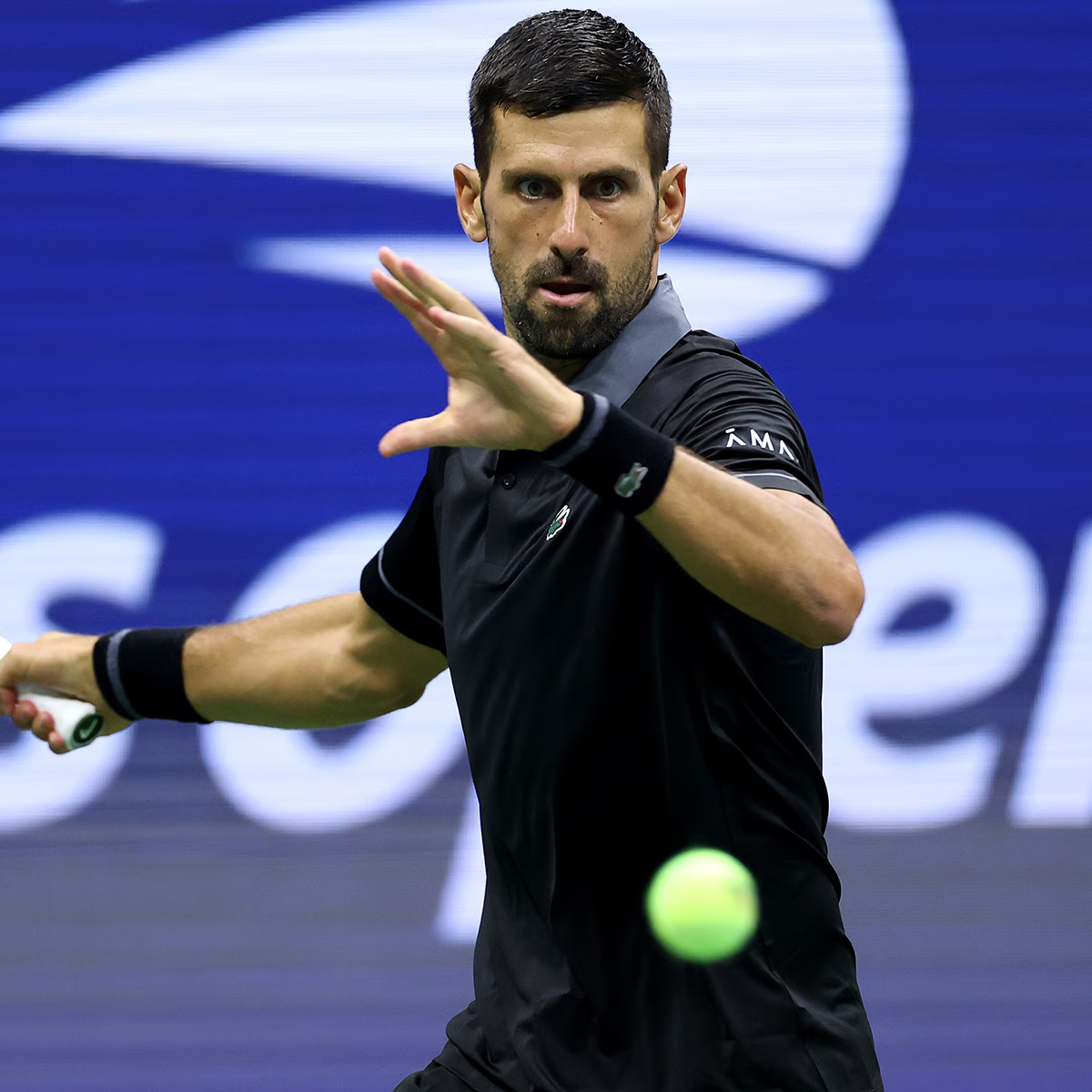
    Novak Djokovic endured a difficult first-round match at the 2026 US Open on August 30, crying and vomiting during his defeat to Mariano Navone.

    Source: www.eonline.com

  • US Open Schedule Disputes and Money: What’s Behind Tennis’ Late-Night Problem?

    US Open Schedule Disputes and Money: What’s Behind Tennis’ Late-Night Problem?

    The appeal of late scheduling may be clear to those managing the financial spreadsheets, but the impact on everyone else is harder to ignore.

    US Open organisers have not yet commented following the Williams-Kenin match. However, they have previously argued that late-night scheduling benefits fans.

    “Without question late-night matches were heavily discussed and reviewed after the 2022 US Open,” tournament director Stacey Allaster said in 2023, after opting to maintain the late schedule.

    “We looked at starting the evening session earlier, instead of 7pm start at 6pm, but it’s not really a possibility because it’s hard for New Yorkers to get here even at 7pm.”

    “We talked about [changing to] one match at night, but we felt that’s not fair to our fans. One of the realities we have in tennis is that we are not defined by a start and an end time. We can have a short match or we can have a five-hour match.”

    Why late US Open matches create scheduling problems

    That uncertainty is where the problems arise. Organisers may not expect every match to run long, but they know extended matches are always possible.

    A five-set men’s match can easily last more than four or even five hours, while a women’s match that goes the distance can comfortably exceed three hours. When those matches are played back-to-back on Arthur Ashe Stadium with only a short break between them, the second player may not finish until around 3am.

    Williams and Kenin began their match so late because Novak Djokovic’s defeat by Mariano Navone went to five sets and lasted more than four hours.

    By the time Williams and Kenin finished, the crowd inside the 23,933-capacity stadium had become sparse.

  • Watch: Djokovic Overcome With Emotion During US Open Loss

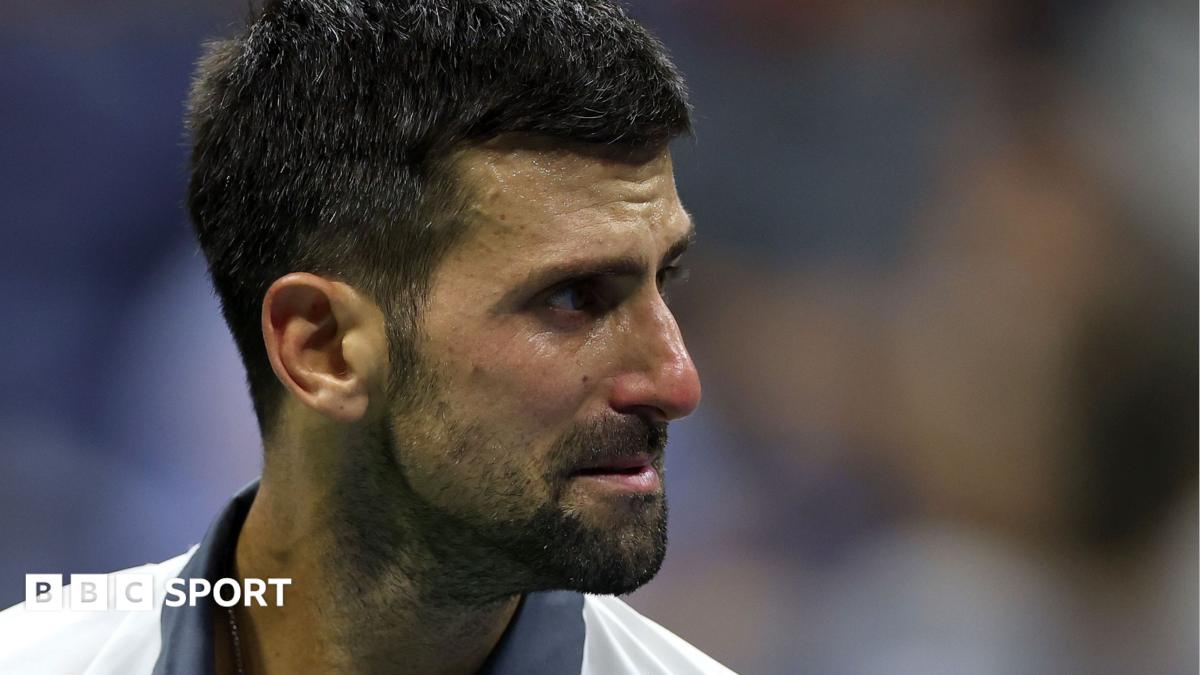
    Novak Djokovic broke down in tears after losing his first-round match at the US Open to Argentina’s Mariano Navone.

    Source: www.bbc.co.uk

  • Djokovic Devastated and in Tears After Painful First-Round US Open Loss to Navone: “I suffered”

    Djokovic Devastated and in Tears After Painful First-Round US Open Loss to Navone: “I suffered”

    Argentina’s Mariano Navone produced a major upset at the US Open, defeating Novak Djokovic in the first round after the Serbian struggled with vomiting, cramps, pain and exhaustion during a five-set battle at Arthur Ashe Stadium.

    The world No. 49 overcame the No. 5 seed 7-6(5), 5-7, 4-6, 6-2, 6-1 in a match lasting 4 hours and 36 minutes. Djokovic made 70 unforced errors and appeared close to tears at several stages as he battled physical problems.

    I’m really trying to come to terms with what’s happening and see how far I can go like this

    Novak Djokovic

    I suffered throughout the whole match from the fourth game on. Again, I don’t want to take anything away from his victory. Congratulations to him. He’s a good guy, a fighter. But I didn’t enjoy it

    Novak Djokovic

    Djokovic, 39, is a four-time US Open champion and 24-time Grand Slam winner. He was competing at the tournament for the 20th time and had won all 37 of his previous matches in the opening two rounds in New York.

    The Serbian had not lost in the first round of a Grand Slam tournament since the 2006 Australian Open, a run spanning more than 20 years.

    I’ve been very proud of all the achievements of the past, but the present is the present. I’ve just come off the court and I’m still trying to manage my body

    Novak Djokovic

    Navone said the build-up to the match had been difficult because he was facing Djokovic, whom he described as the greatest of all time and a familiar presence on Arthur Ashe Stadium.

    “The lead-up was tough because I was going to play against the GOAT, against this rival, he has always been on this court (the New York center court). It’s a dream. Now I have to recover, I have to go to sleep and get ready,” Navone said after the match.

    Djokovic struggled with vomiting and pain

    Djokovic started strongly, opening a 3-0 lead and later going 4-1 ahead in the first set. However, his performance deteriorated as the match progressed.

    He vomited several times, received treatment from the physiotherapist after requesting a medical timeout at the end of the fourth set, and struggled to hold back tears after Navone moved 4-1 ahead in the deciding set.

    Djokovic was also seen taking pills in an effort to recover, but his bid to win a record-extending 25th Grand Slam title will have to wait.

    The match ended when Djokovic hit a weak return, allowing Navone to respond with a shot that the exhausted Serbian could not stop.

    Djokovic had previously experienced vomiting during his second-round defeat by Thiago Agustín Tirante in Cincinnati.

    ‘Djokovic: “It’s something I’ve been dealing with this year: vomiting, nausea, a serious problem in that regard”‘

    Novak Djokovic admitted after the defeat that he had been dealing with vomiting and nausea in “practically in every match” he had played this year. He described the issue as “a serious problem” and said it had left him uncertain about how far he could continue.

    “I think it was obvious that on the court I had a horrible feeling. It is something that, unfortunately, I have been carrying practically in every match this year: vomiting, nausea, a serious problem in that regard. Afterwards, my whole body basically starts to break down with cramps and pain. In the end, my back and shoulder could not take any more, and I couldn’t close it out,” Djokovic said at the post-match press conference in statements reported by the EFE agency.

    “I had a break lead in the fourth set, but I suffered throughout the match from the fourth game on. Again, I don’t want to take anything away from his victory. Congratulations to him. He’s a good guy, a fighter. But I didn’t enjoy it,” he added.

    Djokovic had never lost in the first round of his previous 19 US Open appearances.

    “Yes, it’s a good record, another one. But, yes, the truth is I’m not thinking too much about it. Of course, I’ve been very proud of all the achievements of the past, but the present is the present. I just came off the court and I’m still trying to manage my body”.

    “Right now I’m not going that deep. I’m just really trying to cope with what’s happening and see how far I can go like this,” he added.

  • US Open 2026: Novak Djokovic Breaks Down in Tears During Loss to Mariano Navone in New York

    US Open 2026: Novak Djokovic Breaks Down in Tears During Loss to Mariano Navone in New York

    Novak Djokovic made a promising start against Mariano Navone, breaking the Argentine’s serve at the first opportunity. However, his 4-1 lead quickly disappeared as he began to struggle in the humid conditions at Arthur Ashe Stadium.

    A lengthy rally appeared to drain Djokovic’s energy, leaving him unable to recover between points. His serve and groundstrokes lost speed, and after the ninth game he called for the doctor and requested tablets to ease the problem.

    Djokovic struggles in humid conditions

    Djokovic continued to look distressed as the opening set reached a tie-break. He wearily bowed his head and bent over between points while Navone stayed focused and struck first after one hour and 13 minutes.

    An eerie hush fell over Arthur Ashe Stadium as the crowd grew increasingly concerned for the four-time champion. Djokovic’s physical problems persisted, but he improved enough—apparently aided by the cooler conditions under the roof—to level the match.

    His more animated start to the third set suggested that Djokovic was beginning to feel more like himself. He also took advantage of a poor service game from Navone to break for 5-4 and move ahead.

    Those are the positions from which Djokovic would normally go on to win, even when struggling physically. His inability to close out the match against Navone, who had never progressed beyond the second round in New York, offered another indication of the 38-year-old’s declining powers.

    What had been a closely contested match quickly slipped away from Djokovic, becoming a difficult watch for the thousands of spectators still inside Ashe as midnight approached local time.

    The atmosphere became subdued once again as it became clear that Djokovic would not be able to escape trouble on this occasion.

    Source: www.bbc.co.uk

  • What Went Wrong for Novak Djokovic at the US Open

    What Went Wrong for Novak Djokovic at the US Open

    Novak Djokovic suffered his first opening-round defeat at a Grand Slam tournament in more than 20 years on Sunday, losing to Argentina’s Mariano Navone 7-6 (5), 5-7, 4-6, 6-2, 6-1.

    The 39-year-old Djokovic vomited several times courtside and appeared to be in severe pain during the final sets. Navone, 25, won 11 of the last 12 games to secure the biggest victory of his career after 4 hours, 35 minutes.

    Djokovic battled until the end but had little left physically. The defeat was his first in the opening round of a major tournament since the 2006 Australian Open.

    “When it comes to match itself and overall feeling of how I felt with body and playing, it was really not enjoyable,” Djokovic said after the match. “I pretty much despised every moment that I spent on the court for that.”

    Djokovic struggled from the start

    Before Sunday night, Djokovic had a 19-0 record in US Open opening matches. The 24-time Grand Slam champion arrived in New York with limited match practice, having played only once since reaching the Wimbledon semifinals. He lost his opening match in Cincinnati and later said he had been dealing with a health condition that often worsened in humid weather.

    Djokovic appeared comfortable when he took a 4-1 lead in the first set, but his condition began to deteriorate soon afterward. He appeared to vomit several times in a corner of the court as Navone extended rallies, retrieved everything and repeatedly forced Djokovic to hit another shot.

    Navone’s strategy paid off. He won the opening set in a tiebreak after 1 hour, 15 minutes.

    Djokovic struggled to hit through his opponent but managed to take the second set. After winning the third set and breaking serve to lead 2-1 in the fourth, he appeared to be moving toward victory. Instead, his physical problems intensified. Djokovic bent over, struggled to breathe and later took a medical timeout for a back issue before the fifth set.

    He looked to be in real pain at the start of the final set and appeared to be fighting back tears. Unable to serve anywhere near full speed, Djokovic watched Navone pull away to complete the biggest win of his career.

    Mariano Navone earns biggest win of his career

    Navone had never won a five-set match before Sunday and had never advanced beyond the third round at a Grand Slam. He nevertheless matched Djokovic physically during the early stages and made every point difficult by chasing down shots across the court.

    Even when Djokovic took control and created break-point opportunities, Navone showed considerable resilience. He saved eight of the 12 break points he faced and repeatedly prevented Djokovic from closing out quick service games.

    Navone also held his nerve late in the match after Djokovic cut the deficit to 3-1 and threatened a comeback. The Argentine responded by breaking for the sixth time before serving out the victory and securing a place in the second round.

    What Djokovic’s defeat means for his future

    The loss will be a painful one for Djokovic, who had never envisioned leaving the US Open in the first round. He showed his usual respect for his opponent after the match with a warm handshake and kind words, but the early exit is a major disappointment.

    It is too soon to know whether Djokovic will return to the US Open. He reached the Australian Open final in January and the Wimbledon semifinals despite having very little match practice.

    Djokovic has also spoken about competing at the 2028 Olympics in Los Angeles. Although that goal may currently seem distant, he has shown that he can still compete with the world’s best at age 39.

    However, the challenge is becoming increasingly difficult. His pursuit of a record-extending 25th Grand Slam title now appears further away than it did before Sunday’s defeat.

    How Djokovic’s loss changes the US Open

    For the first time since 2003, a Grand Slam tournament will move into the second round without Djokovic, Rafael Nadal or Roger Federer.

    The result also opens up the bottom half of the draw. With Jannik Sinner out and Carlos Alcaraz returning after only four months away because of a wrist injury, the tournament could offer an American man a chance to win the title for the first time since Andy Roddick triumphed in 2003.

    Frances Tiafoe and Brandon Nakashima could benefit most from Djokovic’s exit in that section of the draw, although former champion Daniil Medvedev will also believe he has a chance to advance deep into the tournament.