Key Highlights
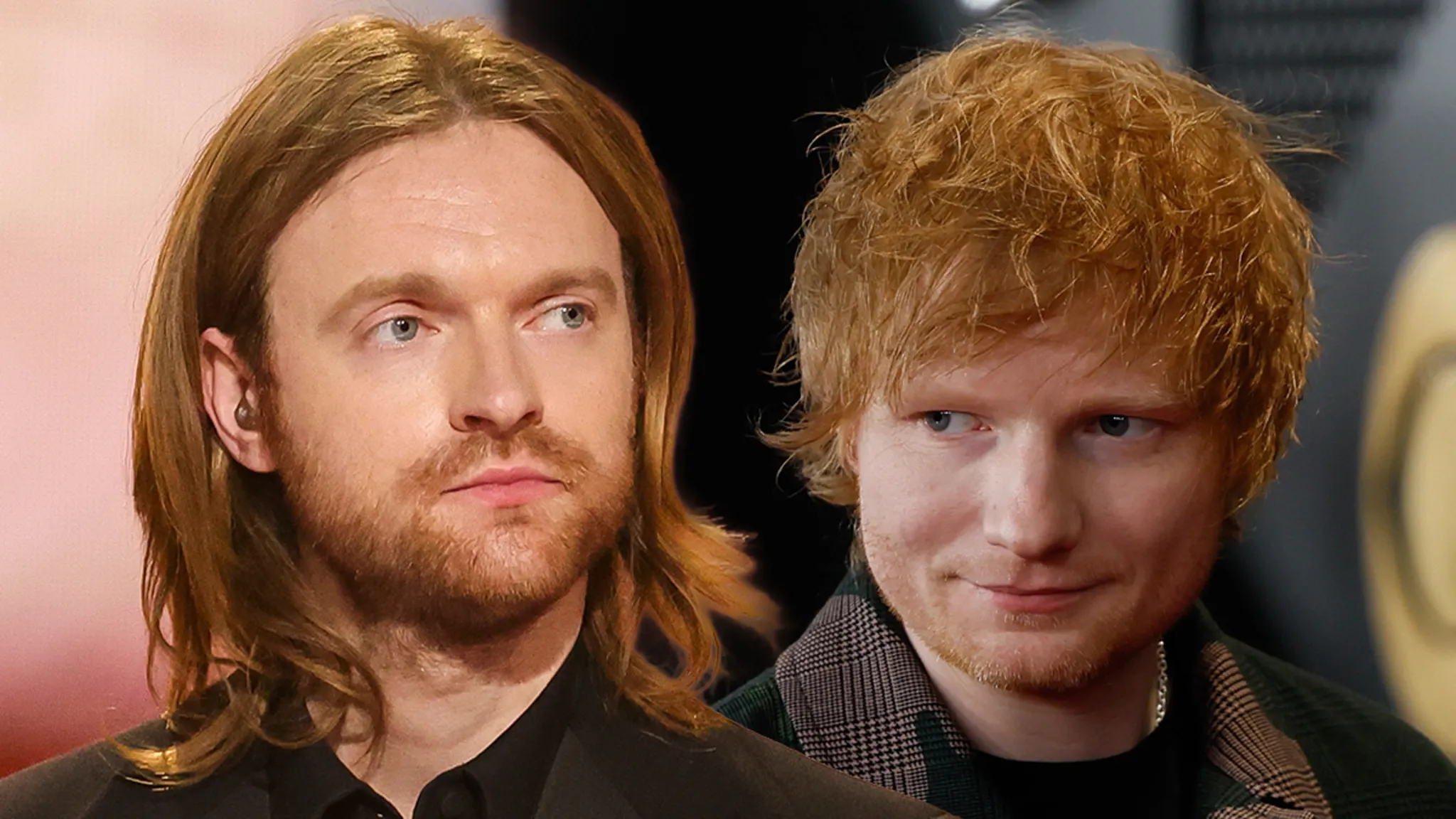
- Finneas, Aaron Rowe, Beoga, and Lukas Graham have withdrawn from Ed Sheeran’s Loop Tour in solidarity after Macklemore was removed over pro-Palestine remarks.
- Macklemore was dropped from remaining U.S. dates after Robert Kraft, owner of Gillette Stadium, reportedly issued an ultimatum labeling the rapper’s comments “hate speech.”
- Ed Sheeran stated the decision was made by the promoter, not him, emphasizing he would not abandon fans, crew, or support acts.
Macklemore’s Removal Sparks Cascade of Artist Withdrawals
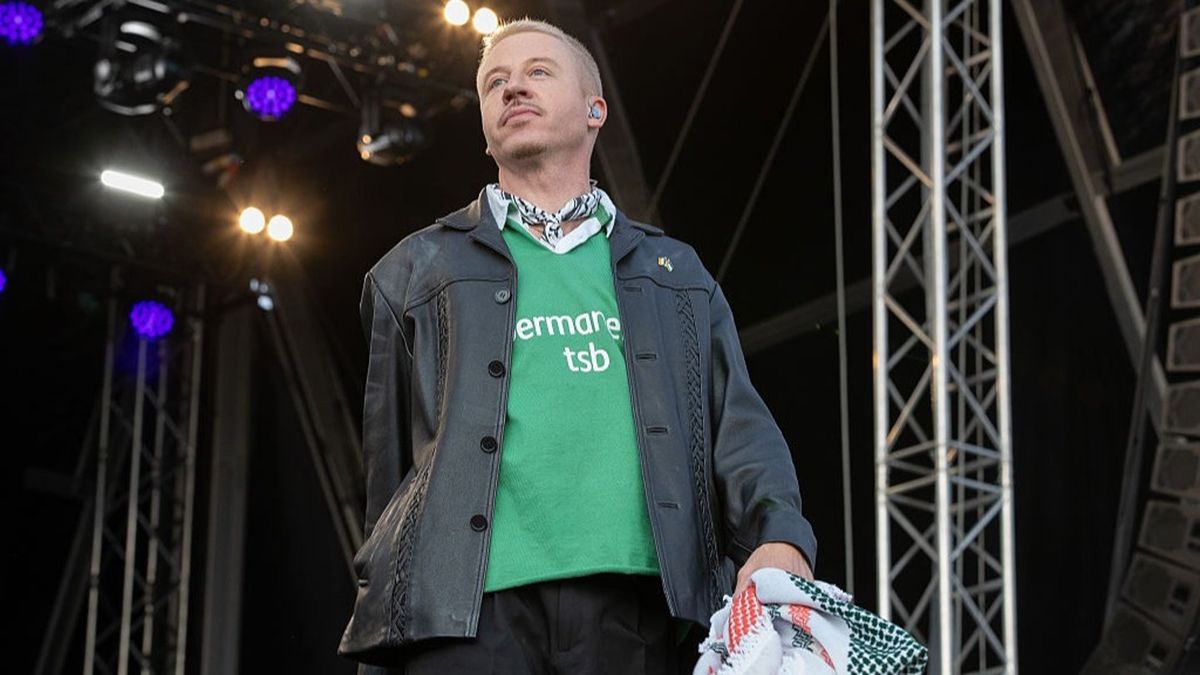
The fallout from Macklemore’s exit from Ed Sheeran’s Loop Tour has expanded rapidly, with four additional acts — Finneas, Aaron Rowe, Beoga, and Lukas Graham — announcing their withdrawal from upcoming dates. The chain of events began after the Seattle-born rapper, whose legal name is Benjamin Hammond Haggerty, delivered an on-stage appeal to “free Palestine” during a September 4 performance at MetLife Stadium in New Jersey. The comments drew sharp criticism and, according to Macklemore, prompted New England Patriots owner Robert Kraft — who controls Gillette Stadium, a tour venue — to issue an ultimatum to Sheeran’s camp.
Promoter’s Decision, Not Sheeran’s, Says Singer
In a public statement addressing the controversy, Ed Sheeran distanced himself from the decision to remove Macklemore. “Macklemore coming off tour was the promoter’s decision, it was not mine. Macklemore’s contract for the tour was with the promoter, not me,” Sheeran wrote. He added, “I would never let down the fans who had made plans, nor would I abandon the touring crew and the other support acts and musicians who rely on me for work and to make a living.” Kraft, for his part, stated he would not provide a platform for “hate speech,” a characterization Macklemore and his supporters strongly dispute.
Solidarity Withdrawals Cite Moral Obligation
The first to exit in protest was Irish singer Aaron Rowe, who had been featured on the North American leg. “As Irish people we know all too well about genocide, forced famine and violent occupation,” Rowe wrote. “I cannot stand by and allow billionaires to use their position of power to silence the rightful voices of those who speak up against Israeli genocide and who highlight the savage murder of children. I would lose all respect for myself to carry on as normal. I need to be true to myself and my ancestors who resisted colonisation, and fought for a freedom that I enjoy today in Ireland. FREE PALESTINE.”
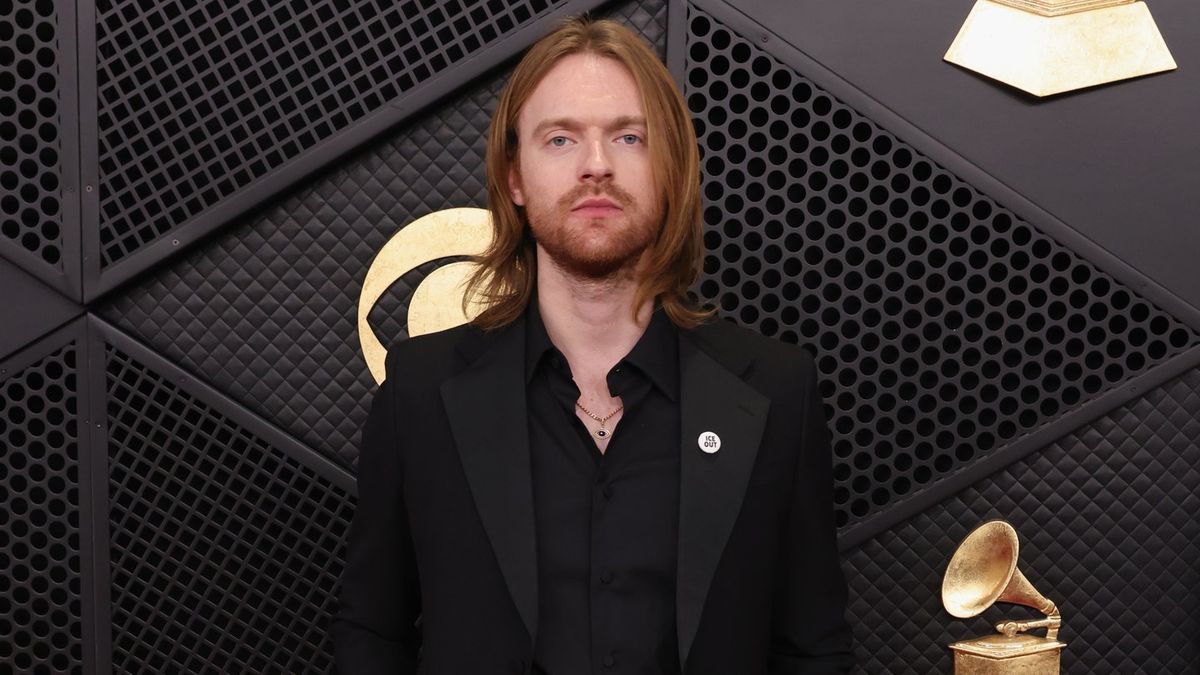
Shortly after, Finneas — the Grammy-winning producer and brother of Billie Eilish — confirmed he would not perform on six scheduled South American dates in late November and early December. “Artists must not be silenced when they speak up for the oppressed,” he stated. “I have decided to withdraw from my upcoming tour dates with Ed Sheeran. I stand with Palestine and its people.”
Irish folk-traditional band Beoga, founding members of the Irish Artists for Palestine movement, followed suit. “We are Irish people who understand colonialism. As founding members of the Irish Artists for Palestine movement, we are committed activists for justice and will continue to be,” the group declared. Danish pop band Lukas Graham announced its departure moments later, writing, “We should be able to speak about war, about civilians being killed, about children who deserve to grow up. Wherever they live. Whatever flag flies over them. I can’t put these words out into the world and carry on with this tour as things stand. We’re withdrawing from the remaining dates.”
Why This Matters
The rapid succession of withdrawals highlights a growing tension in the live entertainment industry between venue stakeholders, promoters, and artists over political expression. The involvement of Robert Kraft — a major NFL owner and stadium operator — underscores how venue ownership can exert leverage over tour logistics and lineups. For Sheeran, one of the world’s highest-grossing touring acts, the situation presents a reputational challenge: he has framed the decision as outside his control, yet the exodus of support acts suggests many artists view continued participation as complicity. The episode also reflects a broader pattern of cultural workers using tour platforms to advocate for Palestinian rights, drawing parallels to historical Irish anti-colonial struggles cited by Rowe and Beoga. With the tour’s South American leg still months away, further lineup changes or promoter responses remain possible.
Frequently Asked Questions
- Why was Macklemore removed from Ed Sheeran’s tour?
- Macklemore was dropped from the remaining U.S. dates after he called to “free Palestine” during a September 4 show at MetLife Stadium. He alleges Robert Kraft, owner of Gillette Stadium, gave Sheeran an ultimatum, and Kraft later said he would not provide a platform for “hate speech.”
- Which artists have quit the tour in protest?
- As of the latest announcements, Irish singer Aaron Rowe, Finneas (brother of Billie Eilish), Irish band Beoga, and Danish group Lukas Graham have all withdrawn from upcoming tour dates.
- What has Ed Sheeran said about the situation?
- Sheeran stated the decision to remove Macklemore was made by the promoter, not him, and emphasized he would not let down fans, crew, or other support acts who depend on the tour for their livelihood.