Key Highlights
- ESPN host Pat McAfee sparked viral speculation after a live broadcast clip showed him using an unidentified device, prompting viewers to question whether he was smoking marijuana on air.
- McAfee responded to the speculation with a cryptic social media post stating, “A little sage never hurt nobody,” while also referencing the Buffalo Bills’ victory over the Detroit Lions.
- The incident highlights the ongoing tension between McAfee’s unconventional, conversational broadcasting style and traditional network expectations, with ESPN yet to issue a public comment.
Viral Clip Ignites Speculation During Live Broadcast
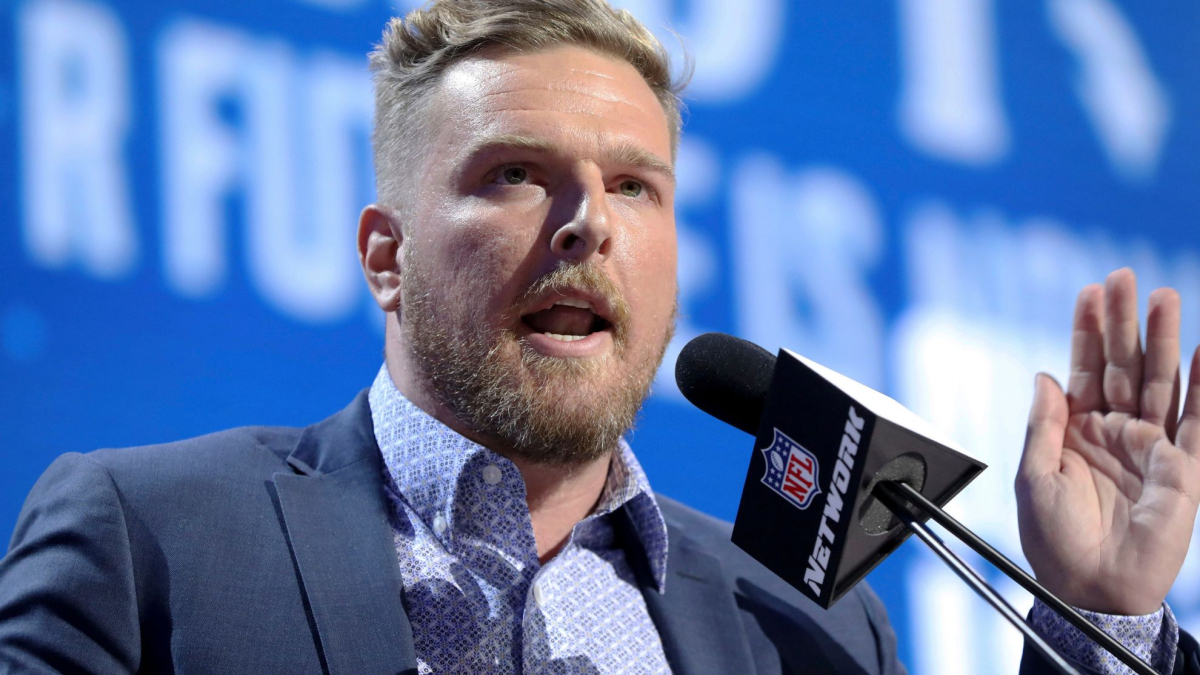
ESPN personality Pat McAfee found himself at the center of social media scrutiny Thursday after a clip from his eponymous show circulated widely, leading viewers to speculate that the former NFL punter had been smoking marijuana during the live broadcast. The video, which quickly gained traction across platforms, does not definitively establish what McAfee was using, and no confirmation has been provided that the substance was cannabis. However, the ambiguity did little to dampen the reaction, particularly given McAfee’s history of speaking openly about his marijuana use.
Past Admissions Fuel Current Debate
Speculation was fueled by McAfee’s own previous comments. During an earlier appearance on the “All the Smoke” podcast, McAfee stated directly: “I smoke a lot of weed. I do. I think that’s a massive piece of it for me.” That admission provided viewers with context for the latest conjecture, though it does not confirm what occurred during Thursday’s show. This is not the first time McAfee’s on-air habits have drawn attention; in 2025, he was seen using a pen during a live broadcast and later described it as “CBD and Vitamins.” That precedent added another layer to the ongoing discussion.
McAfee Counters With Characteristic Ambiguity
Rather than offering a detailed explanation or denial, McAfee addressed the swirling rumors in the loose, joking tone central to his public persona. Taking to social media, he wrote: “A little sage never hurt nobody.” He followed that remark with a pivot to the night’s football action, adding: “Also This Buffalo Bills team came out on fire in their new home.. just smokin’ the Lions in all phases,” referencing Buffalo’s 41-31 victory over Detroit. The response suggested McAfee was content to let the debate continue without providing a definitive answer, a strategy consistent with his previous handling of similar moments.
Unconventional Style Creates Polarizing Figure
Since transitioning from his Indianapolis Colts career into broadcasting, McAfee has become one of ESPN’s most recognizable football personalities. He built his audience by rejecting the polished style associated with traditional studio shows in favor of a more conversational, unpredictable approach. That formula has made him hugely popular with supporters, while simultaneously making him a frequent target of criticism. Following Thursday’s clip, some viewers objected to the imagery and questioned whether smoking anything on-air was appropriate for a major network platform. Others dismissed the controversy as overblown and entirely consistent with the atmosphere McAfee has cultivated around his program. As of publication, ESPN has not publicly commented on the viral moment.
Why This Matters
The incident underscores the broader friction within sports media between evolving talent-driven formats and legacy network standards. McAfee’s success at ESPN represents a significant bet by the network on personality-first programming that blurs the line between traditional journalism and entertainment. However, moments like this test the boundaries of that partnership. With cannabis legalization expanding across the United States and societal stigmas shifting, the reaction also reflects a cultural debate about professionalism and authenticity on live television. The lack of an immediate statement from ESPN suggests the network is weighing how to address the situation without alienating McAfee’s substantial audience or compromising its own brand standards.
Frequently Asked Questions
- Was Pat McAfee confirmed to be smoking marijuana on air?
- No. The viral clip does not clearly establish what McAfee was using, and there has been no confirmation from McAfee or ESPN that the substance was cannabis.
- How did Pat McAfee respond to the speculation?
- McAfee posted on social media, stating, “A little sage never hurt nobody,” and added a comment about the Buffalo Bills’ win over the Detroit Lions, but did not provide a definitive explanation.
- Has ESPN commented on the incident?
- As of the time of reporting, ESPN has not publicly commented on Thursday’s viral moment.