Tag: Internet meme

  • Who Is ‘Barf Simmons’?

    Who Is ‘Barf Simmons’?

    Key Highlights

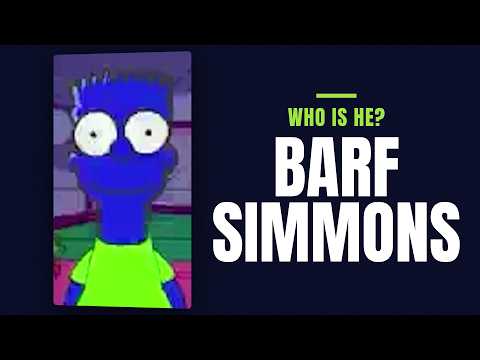
    • Barf Simmons is a meme series built around a distorted, blue-skinned, elongated version of Bart Simpson from The Simpsons.
    • The character is sometimes referred to as “Barf Symptons” across online communities.
    • The meme leans into a deliberately unsettling, “creepy” aesthetic that contrasts sharply with the original cartoon’s style.

    The Emergence of a Surreal Internet Icon

    In the constantly evolving landscape of internet humor, few phenomena illustrate the appetite for surreal reinterpretation as clearly as Barf Simmons. The meme series takes Bart Simpson—one of the most recognizable animated characters in television history—and warps him into a figure that is simultaneously familiar and deeply uncanny. By stretching his proportions to unnatural lengths and recoloring his skin a sickly blue, creators have transformed a mainstream pop-culture staple into an avatar of the “creepy aesthetic” that thrives on platforms devoted to bizarre, dreamlike, or deliberately off-putting humor.

    Visual Language and the “Creepy Aesthetic”

    The power of the Barf Simmons format lies in its visual dissonance. The original Bart Simpson is defined by sharp yellow geometry, a mischievous grin, and a voice that has echoed through three decades of broadcast television. Barf Simmons discards all of that: the elongated limbs and torso suggest a body pulled like taffy, while the blue palette evokes bruising, cold, or digital corruption. This deliberate ugliness is not accidental; it signals membership in a subculture that values the unsettling over the polished, the glitched over the pristine. The alternate spelling “Barf Symptons”—which appears interchangeably in community posts—adds a layer of phonetic corruption, reinforcing the sense that the character exists in a degraded, copy-of-a-copy space where canonical spelling no longer applies.

    Spread, Variation, and Community Adoption

    Because the source material is a single, easily reproducible image template, Barf Simmons has proven highly mutable. Editors drop the figure into unlikely backgrounds, pair him with nonsensical captions, or animate him in jerky, low-frame-rate loops that amplify the unease. The meme travels across imageboards, social-media timelines, and video-editing discords without a central author or release date, behaving more like folklore than a marketed product. Each iteration reinforces the core rule: the character must remain blue, elongated, and vaguely nauseating—hence the “Barf” prefix—while everything else is fair game for irony, absurdity, or outright horror.

    Why This Matters

    Barf Simmons exemplifies how internet communities remix corporate intellectual property into folk art that the original rights holders neither authorize nor control. The Simpsons has been a particularly fertile target for such remixing—consider earlier waves like “Simpsons Wave” vaporwave edits or the “Steamed Hams” surreal edits—because its visual language is universally recognized, lowering the barrier to entry for creators. The “creepy aesthetic” branch, of which Barf Simmons is a recent representative, reflects a broader cultural comfort with body horror, glitch art, and post-irony among younger digital natives. As platforms continue to prioritize short-form, algorithmically amplified visual content, templates that can be produced in seconds yet carry dense subcultural signaling will remain dominant vectors for collective creativity.

    Frequently Asked Questions

    What exactly is Barf Simmons?
    Barf Simmons is a meme series that depicts a blue, extremely elongated distortion of Bart Simpson from The Simpsons, rendered in a deliberately unsettling “creepy aesthetic.”
    Why is the character sometimes called “Barf Symptons”?
    “Barf Symptons” is an alternate, phonetically corrupted spelling used interchangeably in online posts, reinforcing the meme’s glitched, copy-degraded vibe.
    Where did the meme originate?
    The exact origin point is diffuse; like much folk internet art, Barf Simmons emerged organically across imageboards and social feeds without a single credited creator or launch date.
  • What Happened to ‘Emo Dad’?

    What Happened to ‘Emo Dad’?

    Key Highlights

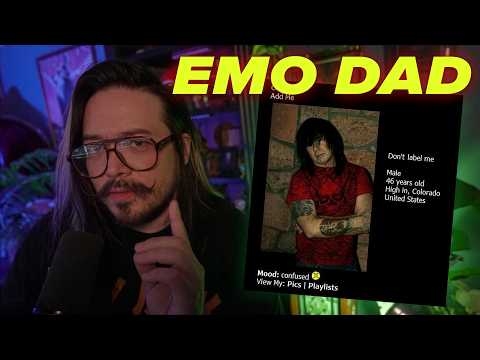
    • In August 2009, a 46-year-old man posting as CrisXcruX uploaded mirror selfies wearing eyeliner to MySpace, inadvertently launching a viral phenomenon.
    • Within three weeks, internet communities rechristened him “Emo Dad,” turning his photos into widely circulated image macros.
    • Within two years, he became one of the most recognizable faces of the image-macro era, exemplifying the speed and unpredictability of early social-media fame.

    The Accidental Meme: How a MySpace Profile Became Internet Folklore

    Late summer 2009 marked a pivotal moment in the evolution of user-generated celebrity. A 46-year-old man, identifying himself only by the handle CrisXcruX, posted a handful of mirror self-portraits to his MySpace page. The images showed him wearing dark eyeliner and adopting the aesthetic associated with the emo subculture then flourishing on the platform. What began as a personal expression of style quickly escaped the boundaries of his friends list.

    From Profile Pic to Image Macro in Three Weeks

    The compression of time between upload and ubiquity was startling. In under three weeks, anonymous users across forums, imageboards, and early social networks had detached the photos from their original context, applied the moniker “Emo Dad,” and begun layering captions that riffed on generational clashes, midlife reinvention, and the absurdity of subcultural signifiers. The meme’s velocity highlighted how MySpace’s open architecture and the nascent culture of remix turned ordinary users into raw material for collective storytelling.

    Cementing a Place in the Image-Macro Canon

    By 2011, “Emo Dad” had graduated from a fleeting joke to a staple of the image-macro era—a period defined by bold white Impact-font captions pinned to recognizable faces. His likeness appeared alongside contemporaries such as Bad Luck Brian, Scumbag Steve, and Success Kid, illustrating how a single MySpace snapshot could achieve parity with professionally photographed stock characters. The phenomenon underscored a broader shift: internet fame no longer required intent, strategy, or even youth; it required only a moment of visual resonance that the network decided to amplify.

    Why This Matters

    The “Emo Dad” trajectory remains a case study in the mechanics of early viral culture. It demonstrates how platforms like MySpace functioned as both stage and distribution engine, allowing niche self-presentation to become mass-media property almost overnight. For researchers of digital culture, the episode illustrates the fragility of context online and the speed at which communities can co-opt identity. For platforms, it foreshadowed the content-moderation and attribution challenges that would explode with the rise of TikTok, Instagram Reels, and AI-generated avatars—where the line between participant and payload is thinner than ever.

    Frequently Asked Questions

    Who was the man behind the “Emo Dad” meme?
    He was a 46-year-old MySpace user who posted under the name CrisXcruX; his real name was not disclosed in the original viral spread.
    Why did the photos go viral so quickly?
    The contrast between his age, the emo aesthetic, and the candid mirror-selfie format struck a chord with early meme communities, who rapidly remixed the images with humorous captions.
    Is “Emo Dad” still referenced today?
    While the peak of image-macro culture has passed, “Emo Dad” persists in meme retrospectives and academic discussions of 2000s internet folklore as a defining example of accidental viral fame.
  • Five Years Ago, ‘Quandale Dingle’ Entered the Scene

    Five Years Ago, ‘Quandale Dingle’ Entered the Scene

    Quandale Dingle Meme Origin: From High School Football Player to Viral Internet Phenomenon

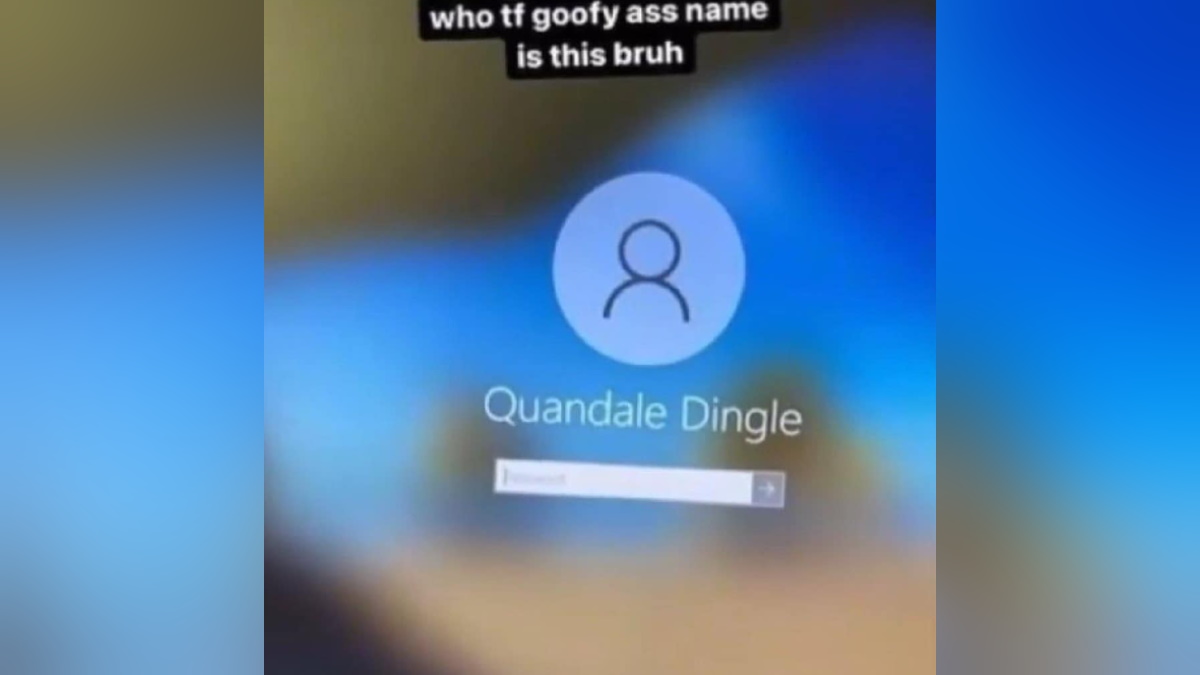
    A Pennsauken high school football player named Quandale Dingle became the unexpected center of a widespread internet meme phenomenon beginning in September 2021. The trend originated from a viral screenshot of a PC login screen displaying the distinctive name, which first appeared on Twitter and quickly gained traction through widespread reposts.

    Viral Screenshot Sparks Meme Culture

    The earliest known upload of the login screen screenshot surfaced on Twitter in September 2021. The image captured attention primarily due to the unusual nature of the name “Quandale Dingle,” which users found inherently humorous. This initial post catalyzed a wave of derivative content, as internet users began creating memes specifically referencing the name and its perceived absurdity.

    Evolution into Distorted Image Macros and TikTok Trends

    By late 2021 and continuing into early 2022, the meme evolved beyond simple text-based jokes. Creators began utilizing heavily distorted images of individuals, predominantly Black men, as visual representations of the fictionalized “Quandale Dingle” character within ironic meme formats. This visual shift marked a significant development in the meme’s lifecycle, moving it from a name-based joke to a character-driven format.

    Simultaneously, the phenomenon expanded to TikTok, where a distinct trend emerged involving parody RapTV-style posts. Users on the platform created fabricated music news updates and announcements attributed to the Quandale Dingle persona, further cementing the name’s place in early 2020s internet culture.