Tag: Instagram Reels

  • TikTok, Reels Memes Visualize Friend Group Separation

    TikTok, Reels Memes Visualize Friend Group Separation

    Key Highlights

    • The “When the Friend Group Is Separated So Everyone Is Experiencing Their Own Arc” meme trend emerged in December 2024 and gained sustained traction across TikTok and Instagram Reels throughout 2026.
    • The format uses video clips of individuals pursuing solo activities, humorously framed as narrative “arcs” typically reserved for fictional character development.
    • The trend reflects a broader internet culture shift toward applying storytelling tropes to everyday social dynamics, particularly around friendship group evolution.

    Origin and Viral Spread of the Meme Format

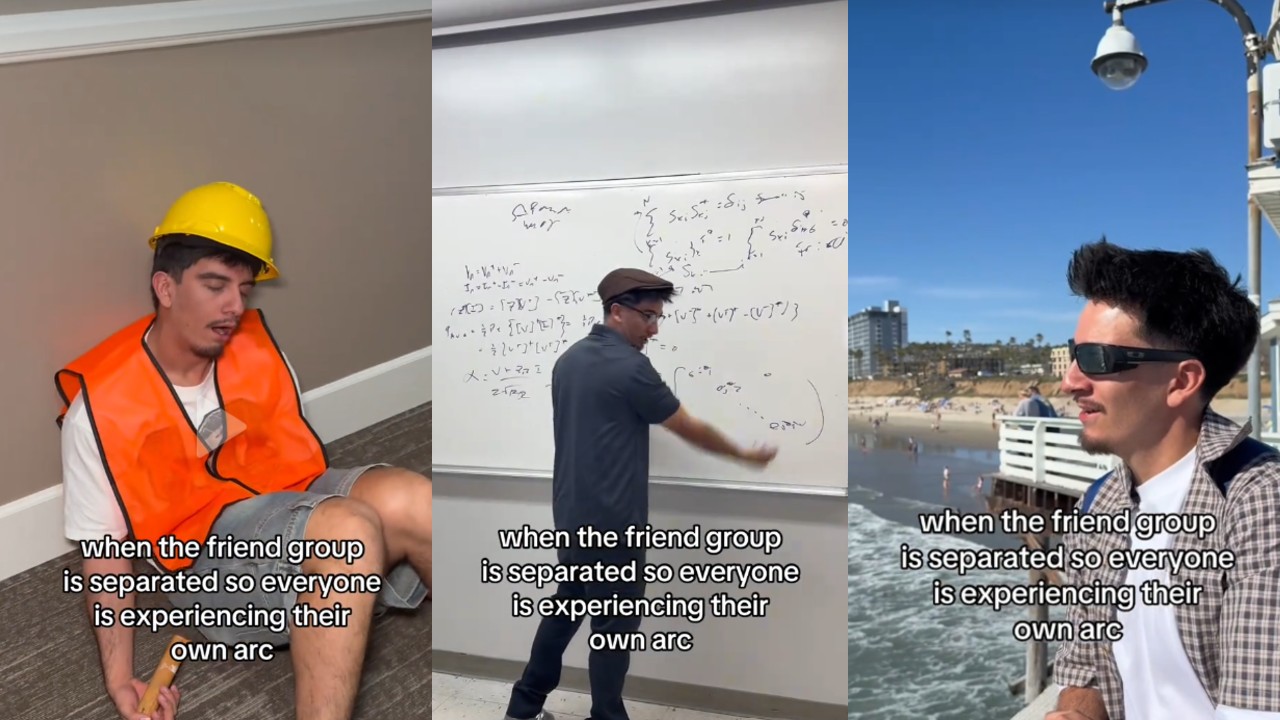
    The meme captioned “When the Friend Group Is Separated So Everyone Is Experiencing Their Own Arc” first achieved viral momentum in December 2024. The format centers on a relatable social scenario: a friend group disperses, and each member embarks on a distinct, often mundane or absurdly specific personal journey. Creators on platforms like TikTok and Instagram Reels adopted the template to juxtapose the collective identity of a friend group against the sudden, individualized “plotlines” that unfold when they are apart.

    Structure and Recurring Themes in User Content

    Versions of the meme typically compile short video clips—skits, vlog snippets, or edited montages—showing people doing things independently. These actions range from picking up a niche hobby and changing a fashion style to navigating a specific personal crisis or simply eating a meal alone. The unifying narrative device is the caption, “When the friend group is separated so everyone is experiencing their own arc.” By borrowing the literary term “character arc,” the trend humorously elevates ordinary life events into structured narrative progressions, suggesting that physical separation from the group triggers a protagonist moment for each member.

    Platform Dynamics and Longevity Through 2026

    While the initial spike occurred in late 2024, the meme demonstrated unusual staying power, remaining a staple of short-form video culture throughout 2026. Its adaptability fueled longevity; the template works equally well for genuine “glow-up” documentation, ironic depictions of failure, or surreal humor. The algorithm-driven ecosystems of TikTok and Instagram Reels amplified the trend by serving variations to users based on engagement with similar “relatable humor” or “friend group dynamic” content categories. The format’s reliance on a fixed caption structure allowed for infinite permutation without losing the core joke.

    Why This Matters

    The persistence of this meme highlights how internet users increasingly process real-life social shifts through the lens of media literacy and storytelling frameworks. Applying the concept of a “character arc”—a staple of screenwriting and literature—to the dissolution of a friend hangout session reveals a generation fluent in narrative theory. It also underscores the role of short-form video in codifying shared emotional vocabulary; the caption functions as a shorthand for the bittersweet, sometimes chaotic transition from collective identity to individual agency. As friend groups naturally evolve due to relocation, life stages, or drifting apart, this meme provides a communal language to frame that experience not as loss, but as plot progression.

    Frequently Asked Questions

    When did the “Experiencing Their Own Arc” meme start?

    The trend first went viral in December 2024 and continued to be popularized across TikTok and Instagram Reels throughout 2026.

    What does “experiencing their own arc” mean in this context?

    It humorously applies the literary concept of a “character arc”—a transformation or inner journey—to the real-life activities of friends after they separate, turning mundane or random solo actions into defined narrative storylines.

    What platforms is this meme most associated with?

    The meme is primarily associated with TikTok and Instagram Reels, where the short-form video format suits the quick-cut compilation style of the trend.
  • Nolan Winking Responds to His Unofficial ‘Cappy’ Audition Becoming a Brainrot Meme

    Nolan Winking Responds to His Unofficial ‘Cappy’ Audition Becoming a Brainrot Meme

    Key Highlights

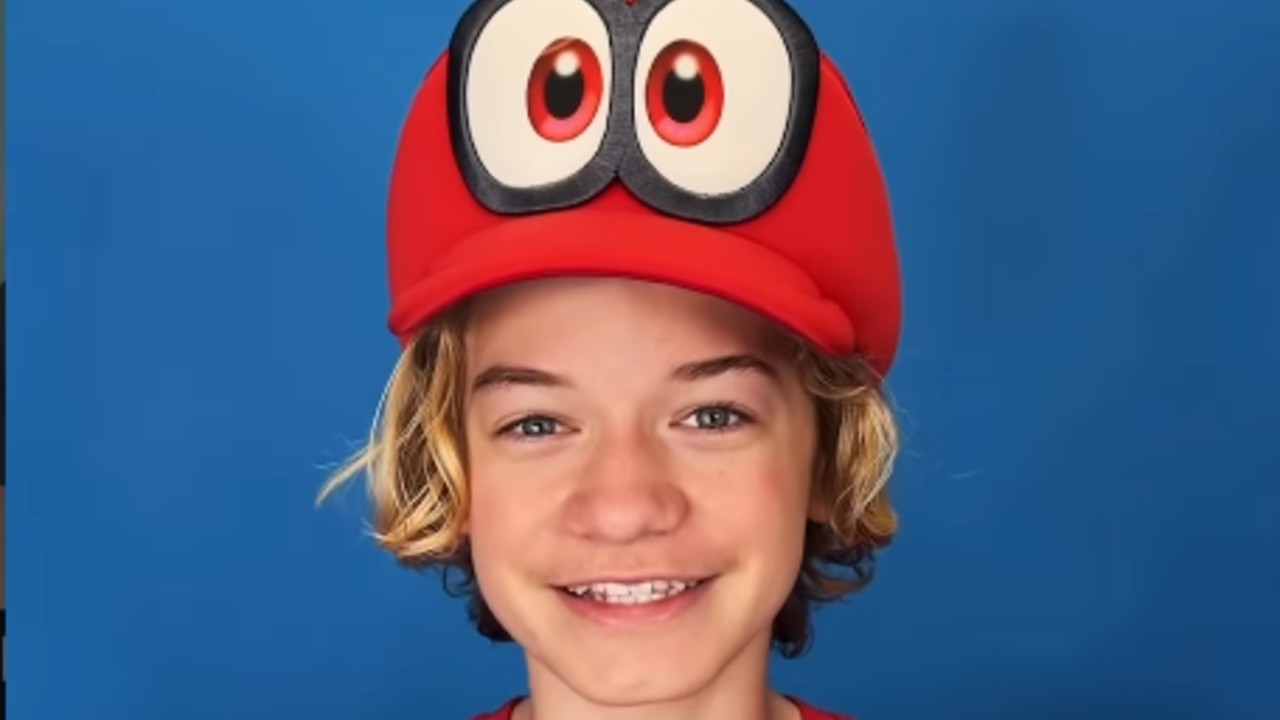
    • Content creator Nolan Winking uploaded an unofficial audition video for the role of Cappy, the sentient hat from Super Mario Odyssey, to Instagram in April 2026.
    • The clip exploded into a viral meme phenomenon across TikTok and Instagram Reels in September 2026, spawning “brainrot” edits, remixed audio trends, and dance and lip-dub challenges.
    • Winking embraced the internet’s response, reacting positively to the wave of user-generated content built around his original performance.

    The Audition That Wasn’t: Nolan Winking’s Cappy Performance

    In April 2026, digital creator Nolan Winking posted a video to Instagram that blended committed performance art with internet absurdity. Titled as an unofficial audition for the character Cappy—the sentient, mustachioed hat who serves as Mario’s primary companion and gameplay mechanic in Nintendo’s 2017 hit Super Mario Odyssey—the clip saw Winking embody the anthropomorphic headwear with surprising physicality and vocal mimicry. The premise carried a layer of meta-humor: Winking was ostensibly auditioning for a “Super Mario Odyssey movie,” a project that, at the time of the upload and this writing, has neither been officially announced by Nintendo nor confirmed by Illumination as a follow-up to 2023’s The Super Mario Bros. Movie.

    From Niche Upload to “Brainrot” Phenomenon

    For roughly five months, the video existed as a curiosity within Winking’s follower base. That changed dramatically in September 2026, when the algorithmic currents of TikTok and Instagram Reels seized on the clip. The video became the raw material for a massive, platform-native meme cycle. Editors remixed the footage into “brainrot” edits—a genre defined by rapid-fire, surreal, and often intentionally degrading visual and audio manipulation that signals deep engagement with internet subculture. Simultaneously, an isolated audio track of Winking’s “Cappy noises” detached from the visual context to become a standalone sound trend, underpinning thousands of dance routines and lip-dub performances.

    Creator Embraces the Chaos

    Unlike creators who distance themselves from ironic or mocking reinterpretations of their work, Winking leaned into the virality. Throughout September 2026, he responded positively to the deluge of edits and trend participations, engaging with the community that had transformed his sincere bit of character work into a shared inside joke. This reception cemented the video’s status not merely as a viral hit, but as a case study in how a creator’s good-faith participation can validate and extend a meme’s lifespan far beyond its initial upload window.

    Why This Matters

    The trajectory of Winking’s Cappy audition illustrates the modern lifecycle of character-driven internet comedy. It demonstrates how platforms like TikTok and Reels function as collaborative writers’ rooms, deconstructing a single performance into audio stems, visual templates, and lore expansions that the original author never anticipated. For Nintendo and Illumination, the organic demand for Cappy-centric content—evidenced by millions of user-generated videos—serves as unsolicited market research confirming the character’s breakout appeal ahead of any potential Super Mario Odyssey film adaptation. For creators, Winking’s trajectory underscores that relinquishing control of a clip to “brainrot” culture can be the definitive mark of having “made it” in the attention economy.

    Frequently Asked Questions

    Is a Super Mario Odyssey movie actually in production?
    No. As of the viral peak in September 2026, neither Nintendo nor Illumination had officially announced a Super Mario Odyssey film, nor confirmed it as a sequel to The Super Mario Bros. Movie. Winking’s audition was explicitly unofficial and satirical.
    What are “brainrot” edits?
    “Brainrot” edits are a style of internet video remix characterized by extreme visual distortion, layered irony, nonsensical captions, and rapid pacing. They are typically created by and for communities deeply immersed in platform-specific humor on TikTok and Instagram Reels.
    How did Nolan Winking react to the memes?
    Winking responded positively to the meme trend in September 2026, engaging with the edits, dances, and lip-dub videos created by users rather than requesting takedowns or expressing frustration.
  • Ted 2’s ‘Grr Mondays’ Scene Sparks Viral Hashtag Trend on TikTok, Reels

    Ted 2’s ‘Grr Mondays’ Scene Sparks Viral Hashtag Trend on TikTok, Reels

    Key Highlights

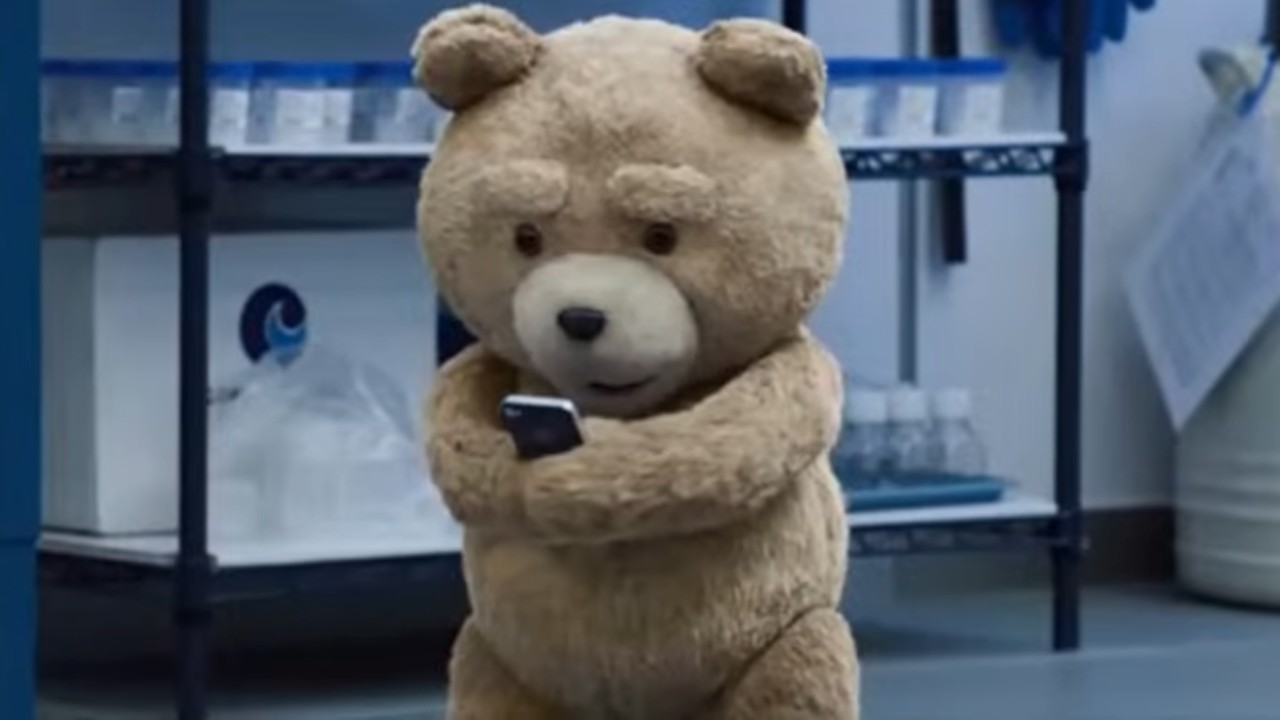
    • The “Grr Mondays” catchphrase originates from a sperm bank scene in the 2015 film Ted 2, where Mark Wahlberg’s character John Bennett is accidentally covered in sperm and the titular teddy bear posts a photo tagged “#GrrMondays.”
    • In September 2026, the scene experienced a viral resurgence on TikTok and Instagram Reels, inspiring widespread meme formats including audio-based animations and user reenactments.
    • The trend highlights the enduring cultural footprint of the Ted franchise and the cyclical nature of internet humor, where older media moments find new life through short-form video platforms.

    Origin of the “Grr Mondays” Catchphrase

    The “Grr Mondays” meme traces its roots directly to a specific sequence in Ted 2, the 2015 sequel written and directed by Seth MacFarlane. In the scene, John Bennett, portrayed by Mark Wahlberg, visits a sperm bank as part of a subplot involving his attempts to have a child with his wife. A mishap occurs resulting in John being drenched in the donor material. Seizing the moment, the anthropomorphic teddy bear Ted—voiced by MacFarlane—snaps a photograph of the humiliated John and uploads it to Facebook with the sarcastic caption “#GrrMondays.” The line functions as a dark twist on the classic “Garfield” comic strip trope of hating Mondays, reframed through the franchise’s signature raunchy humor.

    Viral Resurgence on Short-Form Video Platforms

    More than a decade after the film’s theatrical release, the moment exploded into a major trend during September 2026. The catalyst for the resurgence appears to be the extraction of the scene’s audio—specifically the delivery of the hashtag line—which began circulating widely on TikTok and Instagram Reels. Creators on both platforms adopted the sound for two primary formats. The first involves animated edits, where artists synchronize original character animations or motion graphics to the audio clip. The second trend sees users filming live-action reenactments, often staging messy or unfortunate “Monday morning” scenarios in their own lives before cutting to the punchline. The hashtag #GrrMondays accumulated millions of views across the platforms during the peak of the trend.

    The Mechanics of the Meme Format

    The structure of the trend relies heavily on the juxtaposition of the audio’s specific cadence with visual misery. Because the source material is a single, punchy line of dialogue, it functions as a versatile “sound effect” for content creators. Unlike memes requiring complex narrative setups, the “Grr Mondays” format allows for low-barrier participation: a creator simply needs a relatable inconvenience—spilled coffee, a missed alarm, a work email notification—and the audio provides the instant comedic framing. This accessibility fueled the volume of user-generated content, pushing the 2015 movie clip back into the cultural conversation nearly eleven years post-release.

    Why This Matters

    The “Grr Mondays” phenomenon underscores the shifting dynamics of media longevity in the algorithmic era. Legacy comedy films, particularly those from the 2010s, are increasingly serving as raw material libraries for Gen Z and Alpha creators on TikTok and Reels. Studios and rights holders are observing that singular, quotable moments—often secondary gags rather than central plot points—can drive massive organic engagement years after a title leaves the box office. For Ted 2, a film that received mixed critical reviews upon release, the trend represents a significant “second life” asset, potentially driving catalog streaming revenue and maintaining franchise relevance ahead of any potential future installments or the Peacock streaming series. It also illustrates how platform-native humor (animations, POV reenactments) remediates passive film viewing into active, participatory culture.

    Frequently Asked Questions

    What movie is the “Grr Mondays” meme from?

    The meme originates from the 2015 movie Ted 2, directed by Seth MacFarlane and starring Mark Wahlberg.

    Why did the meme go viral in September 2026?

    The scene’s audio clip gained traction on TikTok and Instagram Reels, where creators used it for animations and reenactments depicting relatable “bad Monday” moments, driving millions of views under the #GrrMondays hashtag.

    What happens in the original scene?

    Mark Wahlberg’s character, John Bennett, has an accident at a sperm bank that leaves him covered in sperm. Ted photographs him and posts the picture to Facebook with the caption “#GrrMondays.”

  • ‘Family Guy’ Cutaway About Blocking the Street Sparks Viral Memes on TikTok, Instagram Reels

    ‘Family Guy’ Cutaway About Blocking the Street Sparks Viral Memes on TikTok, Instagram Reels

    Key Highlights

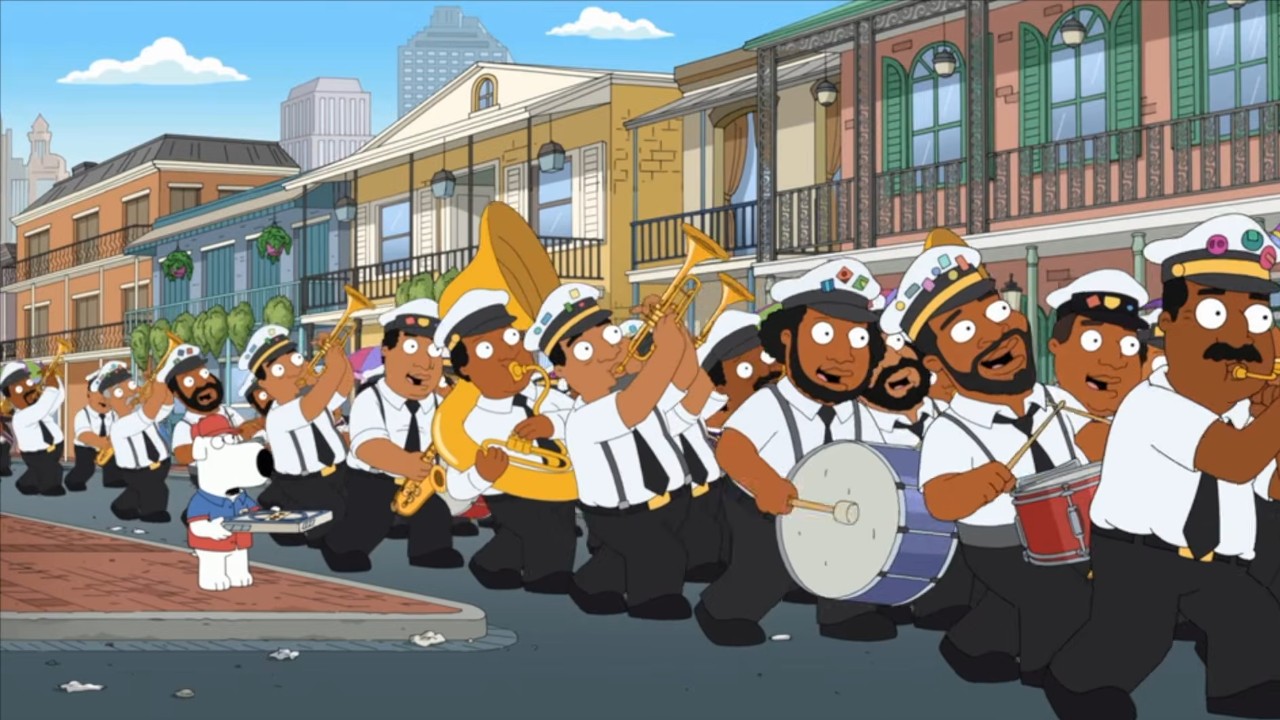
    • “We’re All Just Blocking the Street” originated from Family Guy season 15, episode 18 “The Peter Principal,” featuring a New Orleans second line band marching while singing about obstructing traffic.
    • The clip surged as a viral meme format on TikTok and Instagram Reels in September 2026, widely used for lip dubs and image macros captioned around the frustration of navigating crowded spaces.
    • The scene centers on Brian Griffin’s escalating annoyance as the band refuses to clear the roadway, a dynamic that resonated with social media users relating to everyday bottlenecks.

    From Cutaway Gag to Cultural Touchstone

    When Family Guy aired “The Peter Principal” during its fifteenth season, the musical interlude “We’re All Just Blocking the Street” functioned as a classic cutaway gag: a brass-heavy second line band parades down a New Orleans thoroughfare, cheerfully chanting about their own obstructionism while Brian Griffin stews in gridlocked traffic. The sequence, built on the show’s signature blend of absurdity and observational humor, depicted the band as unapologetically communal and Brian as the lone rational actor trapped by their revelry. For years, the moment lived in the series’ deep catalog of memorable musical bits, cited mostly by fans ranking the best Family Guy songs or recalling the show’s frequent visits to the Crescent City.

    The September 2026 Resurgence on Short-Form Platforms

    That changed in September 2026 when the clip migrated to TikTok and Instagram Reels, where it mutated into a versatile meme template. Creators isolated the audio—often just the infectious refrain—and deployed it as a lip dub backdrop, syncing the lyrics to everything from concert crowds and festival choke points to grocery store aisles during holiday rushes. Simultaneously, the visual of the marching band became an image macro staple: the band stands in for any immovable mass, while Brian’s exasperated driver represents the viewer caught behind it. Captions typically riff on the universality of “getting stuck in a crowd,” whether literal or metaphorical, turning a decade-old cartoon joke into a shorthand for collective frustration in the algorithmic age.

    Why the Format Resonates Across Platforms

    The meme’s durability stems from its structural flexibility. The second line tradition—rooted in New Orleans jazz funerals and celebrations where the “main line” follows the band—carries inherent cultural weight about community claiming public space. Family Guy satirized that tradition by making the band self-aware (“We’re all just blocking the street”), and short-form creators reclaimed the irony, applying it to modern friction points: commuters halted by marathon runners, shoppers boxed in by sample tables, gamers stuck in lobby queues. The Brian Griffin reaction shot provides a ready-made reaction face, while the upbeat brass melody ensures the content feels participatory rather than purely cynical, a balance that fuels shareability on both TikTok’s For You Page and Instagram’s Explore grid.

    Why This Matters

    The trajectory of “We’re All Just Blocking the Street” illustrates how legacy animated sitcoms feed the meme economy long after their original broadcast. Family Guy‘s dense archive of musical cutaways—produced by a writers’ room that routinely parodies specific regional cultures—acts as a renewable resource for creators mining nostalgia and specificity. The September 2026 spike also underscores the role of audio-centric discovery on TikTok and Reels: a fifteen-second hook can resuscitate a scene from 2017, decoupling it from its narrative context and repurposing it as a universal reaction asset. For media analysts, the case reinforces that intellectual property holders benefit when legacy clips are easily licensable or tolerant of transformative use, because each viral cycle drives renewed viewership to the source series on streaming platforms.

    Frequently Asked Questions

    Which Family Guy episode features “We’re All Just Blocking the Street”?
    The song appears in season 15, episode 18, titled “The Peter Principal,” which originally aired in 2017.
    Why did the clip go viral in September 2026?
    TikTok and Instagram Reels creators adopted the audio and visual as a meme template for expressing the frustration of navigating crowded spaces, pairing the upbeat second line brass with relatable captions about bottlenecks.
    Who are the main characters in the original scene?
    The scene centers on Brian Griffin, the Griffin family’s anthropomorphic dog, who grows increasingly irritated while a New Orleans second line band marches down the street singing about blocking traffic.
  • TikTokers Face Backlash for Turning 14-Year-Old’s Death Into Meme

    TikTokers Face Backlash for Turning 14-Year-Old’s Death Into Meme

    Key Highlights

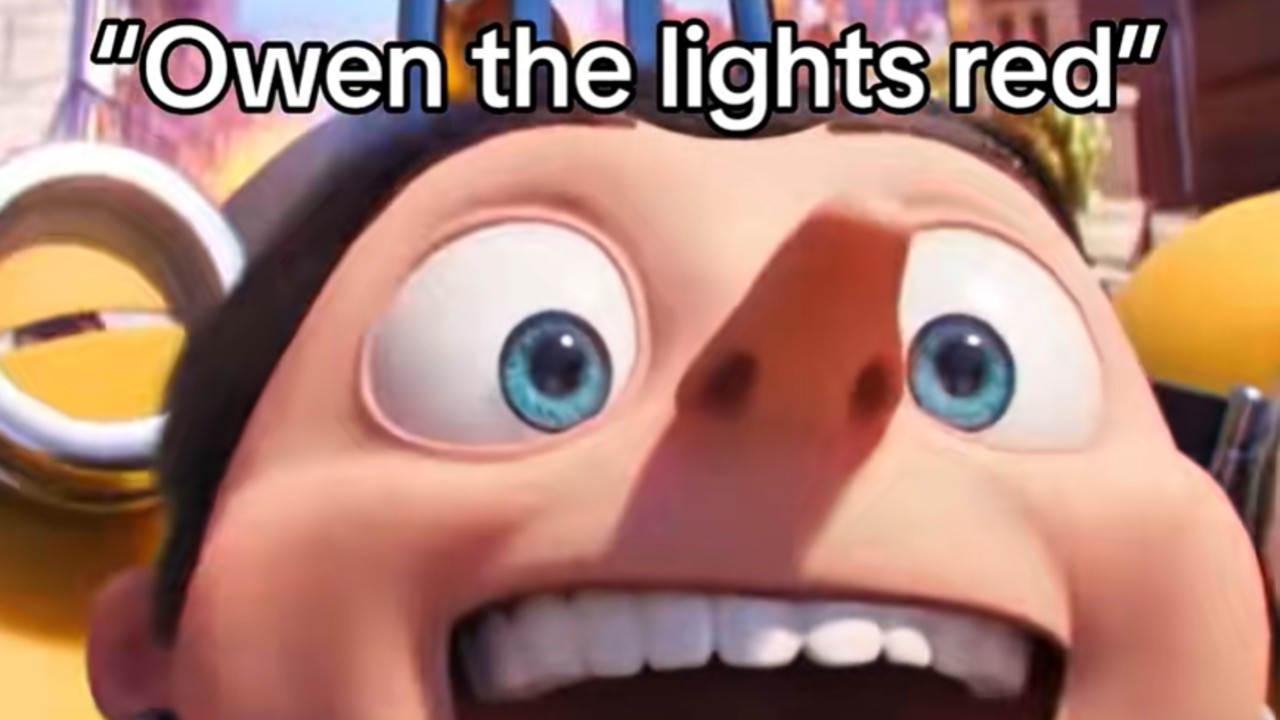
    • Viral meme trend “The Light Is Red Owen” mocks the September 2026 e-bike death of 14-year-old Utah resident Owen Harris, who ran a red light and was struck by a vehicle.
    • Memes using formats like SpongeBob Driving Crazy and Beast Boy driving crazy spread rapidly across TikTok and Instagram Reels in the days following the crash.
    • The trend has drawn significant online backlash for targeting a minor’s fatal accident, raising renewed concerns about content moderation and digital empathy on major social platforms.

    Fatal E-Bike Crash Sparks Controversial Meme Phenomenon

    A series of dark internet memes mocking the death of a Utah teenager has ignited widespread criticism across social media platforms, highlighting persistent tensions between viral content culture and basic human empathy. The trend, known as “The Light Is Red Owen,” centers on the September 12, 2026, death of 14-year-old Owen Harris, who was struck by a car while riding an e-bike through a red light in Utah.

    How the Memes Spread Across Platforms

    In the days following the fatal collision, remixes and image macros began circulating widely on TikTok and Instagram Reels. Many of the most-shared variations employ the popular “SpongeBob Driving Crazy” and “Beast Boy Driving Crazy” animation formats, digitally inserting Owen’s name into chaotic driving sequences. A recurring caption — “Yo Owen the light is red” — became a de facto catchphrase for the trend, repeated across thousands of posts and comment threads. The algorithmic amplification on both platforms allowed the memes to reach massive audiences before significant moderation intervention occurred.

    Backlash Over Targeting a Minor’s Death

    The virality of the memes prompted an immediate and sustained backlash from users, child safety advocates, and digital ethics commentators. Critics argue that the trend crosses a clear line by transforming a specific child’s fatal traffic accident into repeatable comedy content. Unlike abstract or fictional scenarios, the memes reference a real, named minor, his exact manner of death, and the precise location of the tragedy. Parents and local community members in Utah have expressed particular distress at seeing the incident repackaged for engagement metrics. The controversy has renewed calls for platforms to implement faster detection and removal of content that harass or exploit grieving families, especially when minors are involved.

    Why This Matters

    The “Light Is Red Owen” phenomenon underscores a recurring structural problem in short-form video ecosystems: algorithms optimized for engagement velocity often amplify shocking, transgressive, or cruel content before human moderators or automated safety systems can intervene. While TikTok and Meta have policies against harassment and hate speech, enforcement typically lags behind viral spread. The case also illustrates how meme formats — originally designed for absurdist or fictional humor — can be weaponized to target real-world tragedies with minimal friction. For policymakers and platform governance teams, the incident adds urgency to debates about mandatory “circuit breakers” that slow distribution of content flagged for potential harm to minors or vulnerable individuals. The Harris family has not issued a public statement, and Utah authorities have not commented on the online response to the crash investigation.

    Frequently Asked Questions

    Who was Owen Harris?
    Owen Harris was a 14-year-old resident of Utah who died on September 12, 2026, after the e-bike he was riding ran a red light and was struck by a car.
    What is the “Light Is Red Owen” meme?
    It is a viral meme trend that mocks Owen Harris’s fatal crash using formats like “SpongeBob Driving Crazy” and “Beast Boy Driving Crazy,” often accompanied by the phrase “Yo Owen the light is red.”
    On which platforms did the memes spread?
    The memes went viral primarily on TikTok and Instagram Reels in the days following the September 12 crash.
  • Streamers ‘Zias’ and ‘B.Lou’ Inspire Memes With ‘Sound vs. Light’ Speed Test

    Streamers ‘Zias’ and ‘B.Lou’ Inspire Memes With ‘Sound vs. Light’ Speed Test

    Key Highlights

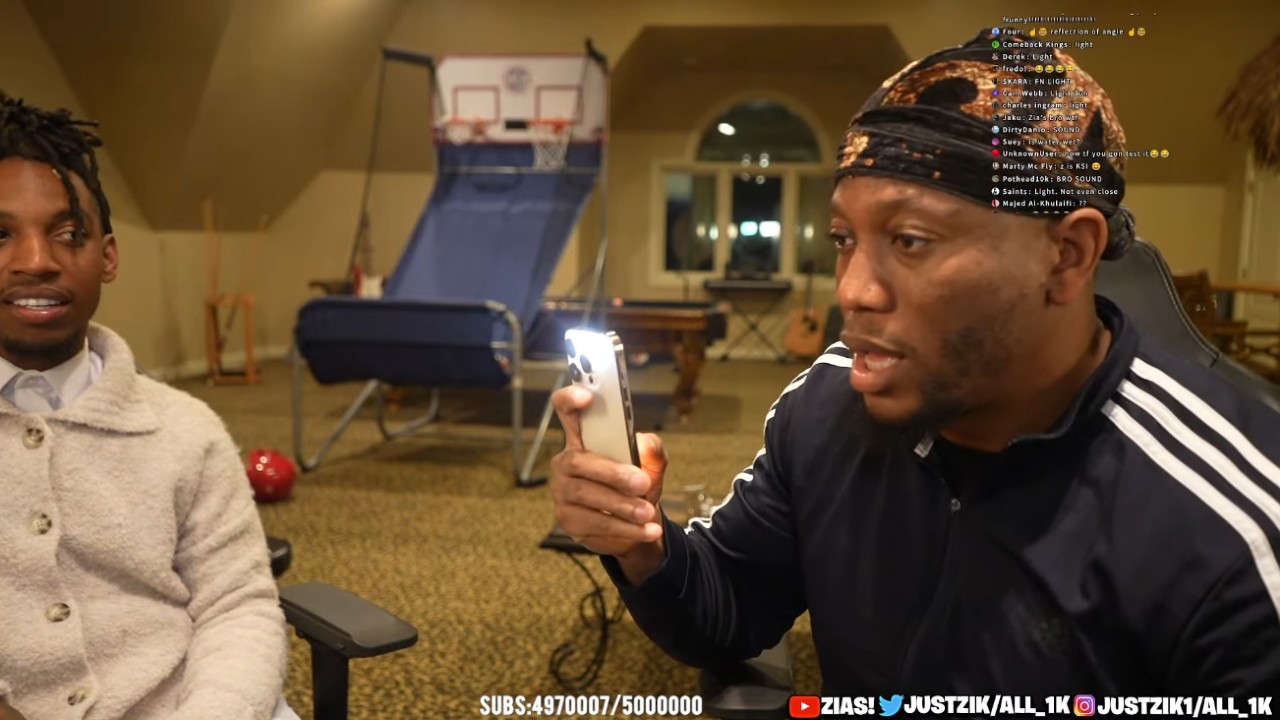
    • Streamers Zias and B.Lou inadvertently sparked a viral science meme on March 22, 2025, by testing if sound or light travels faster using a phone flashlight and an “Ah” vocalization.
    • The clip gained massive traction on TikTok in 2025 and experienced a significant resurgence in September 2026, inspiring ironic “great scientists” edits across TikTok and Instagram Reels.
    • The phenomenon highlights how spontaneous creator moments can evolve into enduring internet folklore, blending genuine curiosity with absurdist humor across platform algorithms.

    The Origin: A Backyard Physics Experiment Goes Viral

    On March 22, 2025, popular streamers Zias and B.Lou conducted an impromptu physics demonstration during a live broadcast that would unexpectedly capture the internet’s imagination. The duo attempted to settle a rudimentary scientific question—whether sound or light travels faster—by simultaneously activating a smartphone flashlight and emitting a vocal “Ah” sound. The premise was simple: observe which sensory signal reached the camera or microphone first. While the laws of physics dictate light’s decisive victory at roughly 299,792 kilometers per second versus sound’s 343 meters per second in air, the execution’s charmingly unscientific nature—relying on consumer-grade hardware and human reaction times—struck a chord with viewers. The clip rapidly circulated on TikTok throughout 2025, amassing millions of views as audiences delighted in the streamers’ earnest yet flawed methodology.

    Resurgence and the “Great Scientists” Irony

    Approximately 18 months after its initial explosion, the footage found new life in September 2026. A fresh wave of video edits and memes flooded TikTok and Instagram Reels, this time steeped in heavy irony. Creators began captioning the clip with hyperbolic praise, referring to Zias and B.Lou as “great scientists,” “physics pioneers,” and “the Einstein and Newton of our generation.” This satirical framing transformed the original moment from a mere viral blooper into a collaborative inside joke. The resurgence demonstrates the cyclical nature of short-form video trends, where older content is excavated by algorithm-driven “For You” pages and reinterpreted through the lens of current meme culture—specifically, the post-ironic humor that celebrates mundane actions as historic achievements.

    Anatomy of a Cross-Platform Meme Lifecycle

    The trajectory of the “Sound Faster Than Light Test” offers a case study in modern meme propagation. The initial 2025 virality was driven by TikTok’s algorithm amplifying authentic, unscripted creator interactions. The 2026 revival, however, was fueled by remix culture: editors isolated the flashlight-and-“Ah” sequence, layered it with dramatic orchestral scores, fake documentary narration, and pseudo-academic graphics, then distributed these derivatives across both TikTok and Instagram Reels. This cross-pollination between Meta’s and ByteDance’s ecosystems underscores how memes no longer remain platform-exclusive; they migrate fluidly, adapting to each community’s distinct comedic vernacular while retaining the core visual anchor. Zias and B.Lou, established figures in the streaming and reaction-video sphere, became unwitting mascots for a joke about scientific illiteracy that required their genuine personalities to land effectively.

    Why This Matters

    The enduring popularity of the Zias and B.Lou clip illustrates a broader shift in digital culture: the blurring line between content creation and collective folklore. In an era where attention spans are measured in seconds, a three-second improvisation from a March 2025 stream can generate two distinct viral cycles separated by over a year. For platforms, it validates the long-tail value of archived live content. For creators, it serves as a reminder that unguarded moments often outperform polished productions in meme potential. For audiences, the “great scientists” narrative provides a shared language of absurdity—a way to collectively pretend that two streamers yelling at a flashlight constitutes a peer-reviewed breakthrough. As algorithmic resurfacing becomes more sophisticated, expect more “dormant” clips to re-enter the cultural bloodstream with entirely new ironic contexts attached.

    Frequently Asked Questions

    When did the original Zias and B.Lou “Sound Faster Than Light Test” stream take place?
    The original stream occurred on March 22, 2025, during which the streamers attempted the flashlight-and-vocalization experiment live.
    Why did the clip go viral again in September 2026?
    The resurgence was driven by ironic meme edits on TikTok and Instagram Reels that humorously labeled Zias and B.Lou as “great scientists,” repurposing the 2025 footage into a new absurdist trend.
    What does the meme reveal about internet culture?
    It highlights how algorithms resurface old content for new audiences, how irony layers transform genuine moments into shared folklore, and how cross-platform distribution (TikTok to Instagram Reels) extends a meme’s lifespan and mutates its meaning.
  • What Is the ‘Things To Say’ Meme? Viral Hustle Culture Memes on TikTok and Reels Explained

    What Is the ‘Things To Say’ Meme? Viral Hustle Culture Memes on TikTok and Reels Explained

    Viral “Things to Say” Meme Exposes Bad Relationship Advice from Self-Proclaimed Hustlers

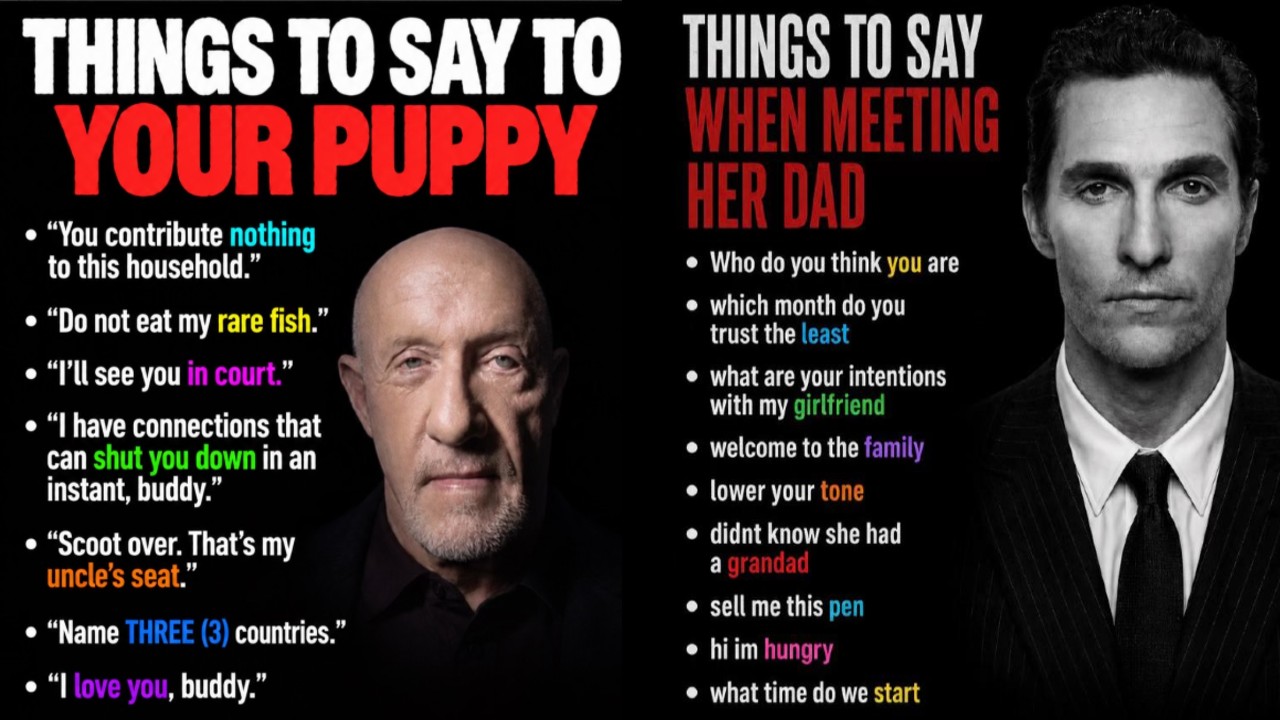
    A new internet meme is satirizing the flood of questionable relationship advice circulating on social media, particularly from accounts branding themselves as entrepreneurs or “hustlers.” The “things to say” trend highlights scripted lines supposedly guaranteed to win over partners, family members, or friends—advice experts warn should be ignored entirely.

    How the Meme Works

    The format typically presents a list of manipulative or overly calculated phrases framed as “high-value” communication strategies. Creators package these lines as psychological cheat codes for navigating intimate relationships, often promising instant respect, attraction, or compliance. The humor derives from the absurdity of the suggestions, which range from transactional to emotionally dismissive.

    Origin in Hustle Culture Content

    The meme directly targets a corner of social media where self-improvement rhetoric intersects with performative masculinity and transactional views of human connection. Accounts focused on “leveling up,” “alpha” mindsets, or financial success frequently post carousel graphics or short videos listing exact phrases to deploy in personal interactions. The advice usually lacks nuance, context, or ethical consideration.

    Why the Advice Fails

    Relationship therapists and communication scholars emphasize that healthy connection relies on authenticity, active listening, and mutual respect—not memorized scripts. Using pre-written lines to manipulate outcomes erodes trust and signals emotional unavailability. The meme’s popularity suggests audiences recognize the gap between performative “high-value” posturing and genuine relational skill.

    Satire as Media Literacy

    By exaggerating the logic of hustle-culture advice to its breaking point, the “things to say” meme functions as informal media literacy. It encourages viewers to question accounts that monetize insecurity by selling oversimplified solutions to complex human dynamics. The trend underscores a growing skepticism toward influencers who treat relationships as transactions to be optimized.

  • AI-Generated Future Polar Bear Reminds Us November 2026 Is Coming

    AI-Generated Future Polar Bear Reminds Us November 2026 Is Coming

    The internet’s latest time-bending joke has arrived right on schedule. A fresh wave of “Remember November 2026 Is Coming” memes is flooding Instagram Reels and TikTok, reviving a surreal piece of lore that first surfaced years ago.

    Origin of the Polar Bear Prophecy

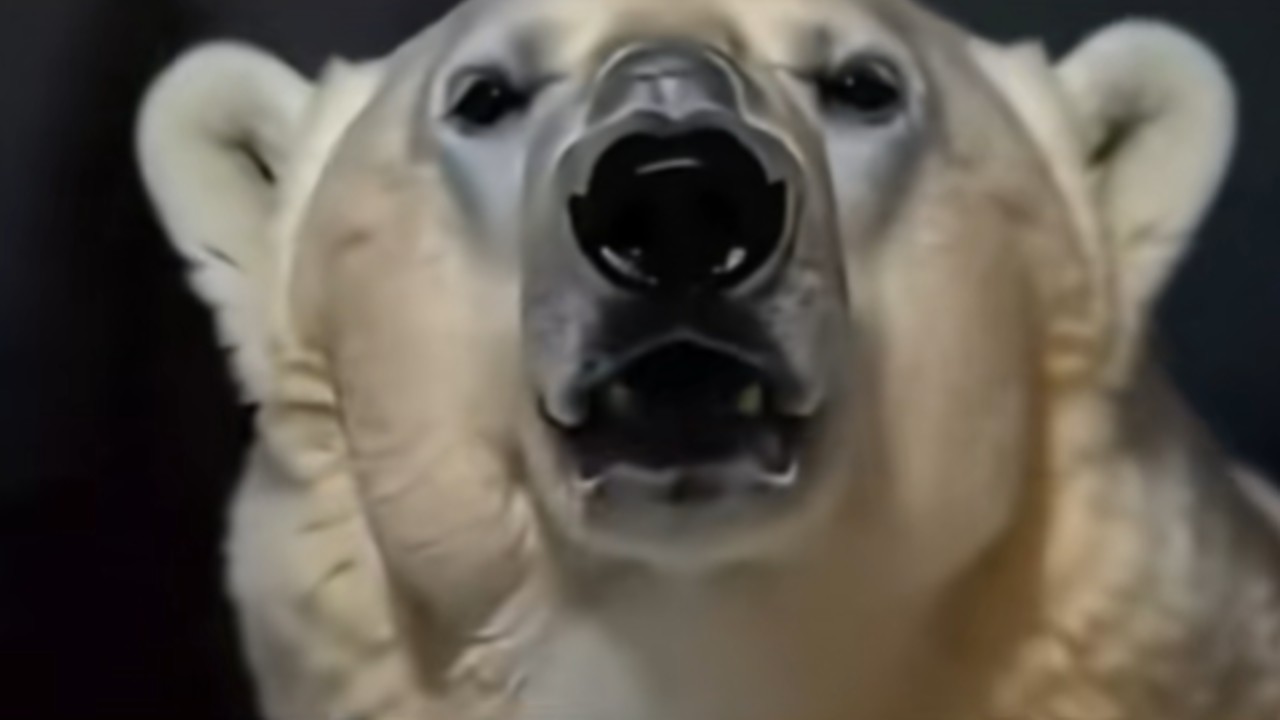
    The trend centers on an AI-generated video featuring a polar bear singing to the tune of “Life Goes On” by Oliver Tree. In the clip, the bear delivers the deadpan lyric: “Remember November 2026 is coming.” The video acts as a callback to the 2023 “Polar Bear 2026” meme, which users at the time joked was a dispatch from the future warning them about a specific date three years away.

    Why It Resurfaced in September 2026

    As the actual month of November 2026 approaches, the prophecy has become self-fulfilling. Creators on Instagram Reels and TikTok began reposting and remixing the bear’s musical reminder throughout September 2026, treating the date like a long-awaited cultural milestone. The humor lies in the loop: a 2023 joke about a 2026 meme is now a 2026 meme about the 2023 joke.

    Meme Culture’s Favorite Time Loop

    This format thrives on temporal irony. The polar bear isn’t predicting an event; it’s commemorating the meme itself. By the time the calendar flips to November, the joke will have completed its three-year arc—turning a throwaway AI video into a piece of shared internet history that users collectively willed into existence.

  • Streamer Braeden Forces ‘La Fairs’ Meme, Blending ‘La Peace’ and ‘Fairs’

    Streamer Braeden Forces ‘La Fairs’ Meme, Blending ‘La Peace’ and ‘Fairs’

    Streamer Braeden Sparks Viral “La Fairs” Meme by Combining “La Peace” and “Fairs” Trends

    A new forced ironic meme dubbed La Fairs has exploded across TikTok and Instagram Reels in September 2026, merging two distinct internet trends from earlier in the summer. The hybrid format draws from the August 2026 “La Peace” meme and the June 2026 “Fairs” slang meme, creating a meta-commentary on meme culture itself.

    Origin: A Streamer’s Experiment Goes Viral

    The phenomenon originated during a late-August 2026 livestream by content creator Braeden, who asserted that memes could be deliberately forced into existence. A clip from that broadcast was edited and quickly gained traction on short-form video platforms, inspiring a wave of derivative content throughout September.

    Format and Visual Language

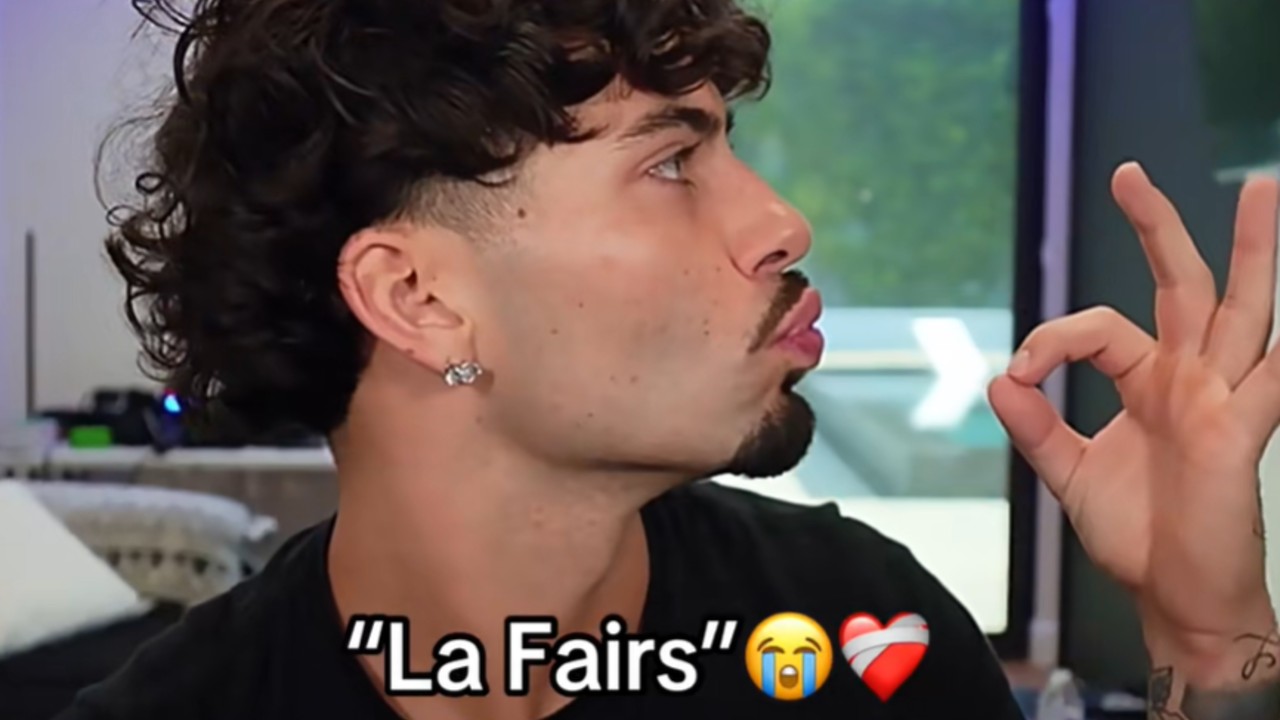
    As a composite meme, La Fairs incorporates signature elements from both source trends. Common iterations depict Braeden styled as an ancient Greek philosopher—a visual nod to the La Peace meme—while simultaneously featuring the OK hand symbol associated with the Fairs slang. This juxtaposition underscores the ironic, self-aware nature of the trend.

    Meta Commentary on Meme Mechanics

    La Fairs stands out as a rare example of a meme explicitly created to test the mechanics of virality. By declaring the intent to force a meme into existence—and then succeeding—Braeden and the participating community have turned the trend into a running joke about how internet culture manufactures and spreads shared references.

  • Cristiano Ronaldo’s ‘Cheeky Boy’ Comment to Interviewer Resurfaces as Viral Meme on TikTok, Reels

    Cristiano Ronaldo’s ‘Cheeky Boy’ Comment to Interviewer Resurfaces as Viral Meme on TikTok, Reels

    Cristiano Ronaldo “Cheeky Boy” Interview Clip Sparks Viral Meme Trend Across Social Media

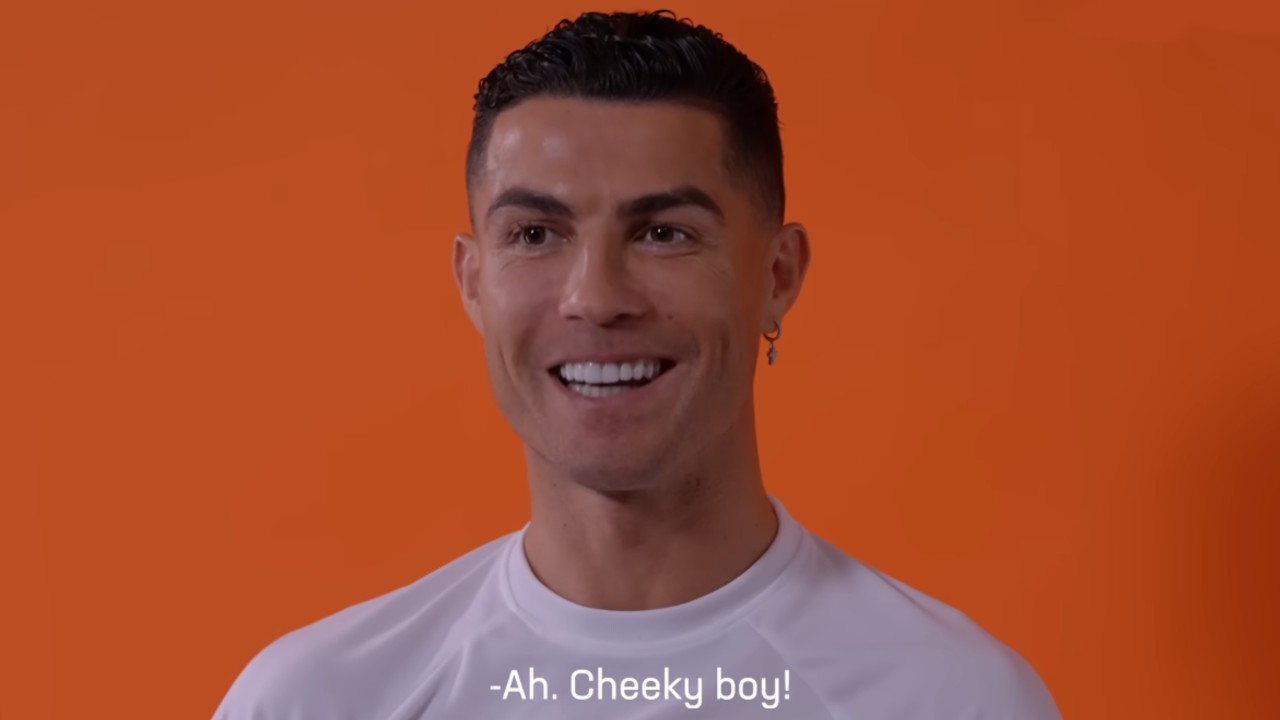
    A short clip from a 2023 interview with football superstar Cristiano Ronaldo has evolved into a recurring internet phenomenon known as the “Cheeky Boy” Ronaldo meme series. The moment originated from a LiveScore video uploaded to YouTube in April 2023, during which Ronaldo playfully referred to the interviewer as a “cheeky boy.”

    From Interview Moment to Instagram Reels Sensation

    The exchange quickly captured online attention, becoming the subject of memes on Instagram Reels as early as 2023. Users remixed the clip across various formats, turning Ronaldo’s lighthearted remark into a versatile reaction template.

    TikTok Revival and the “Animal Transformation” Format

    The meme experienced a significant resurgence in September 2026 on TikTok, where it adopted a new narrative structure. In this iteration, creators pair footage of an animal engaging in humorous or inappropriate behavior with a sudden cut to the Ronaldo clip. The format typically carries a caption describing someone transforming into an animal, using the interviewer’s reaction as the punchline to the transformation scenario.

    This latest wave demonstrates how a single spontaneous moment from a sports interview can sustain cultural relevance across multiple platforms and years, continually adapting to the creative norms of each social media ecosystem.