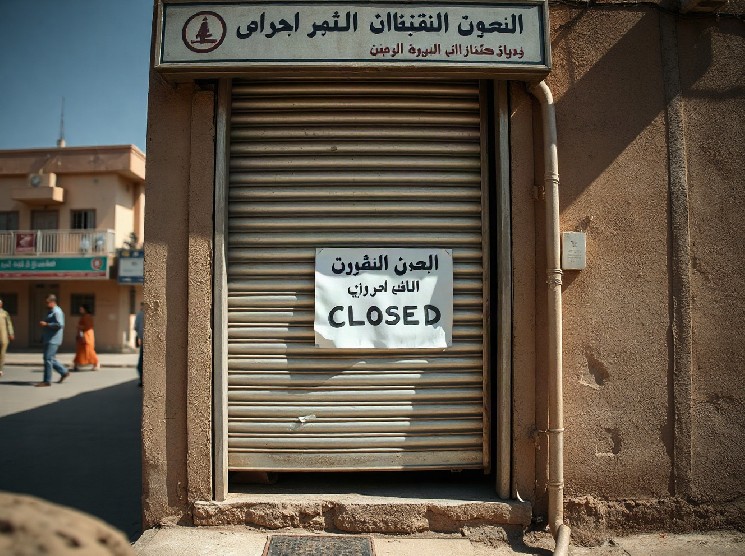
The Taliban has effectively banned cryptocurrency trading across Afghanistan, closing exchange shops and threatening prosecution for traders and crypto-related businesses. The crackdown marks a major shift in a country where digital assets had become an important financial lifeline following the collapse of the Western-backed government and the freezing of Afghanistan’s international reserves.
Afghanistan’s Cryptocurrency Ban and Enforcement
Authorities have reportedly closed more than 20 cryptocurrency exchange shops in Herat, a major trading hub near the Iranian border, and arrested at least 13 traders.
The Taliban’s Ministry of Finance and central bank have classified digital assets as fraudulent. Officials have also argued that cryptocurrency speculation is comparable to gambling under Islamic law. This interpretation effectively prohibits cryptocurrency trading, holding and transfers across the country.
The enforcement campaign appears to extend nationwide, with local reports indicating that similar operations are underway in other provinces. The move is part of the Taliban’s broader effort to impose strict interpretations of Sharia law, including restrictions on interest-based banking and certain financial instruments.
Impact on Remittances and Afghan Savings
Before the ban, cryptocurrencies such as Bitcoin and stablecoins including USDT played a significant role in Afghanistan’s financial system. After the Taliban takeover in August 2021, Afghanistan became largely disconnected from international financial markets.
Many Afghan citizens turned to cryptocurrency to protect their savings from hyperinflation, transfer money across borders and receive remittances from relatives overseas. Monthly crypto inflows reportedly reached more than $150 million at their peak but have since fallen to less than $80,000 following the crackdown.
The sharp decline underscores how heavily some Afghans relied on digital assets for everyday financial needs. People without access to formal banking services used cryptocurrency as a hedge against economic instability and as a way to navigate Western sanctions that froze the country’s central bank assets.
Humanitarian and Economic Consequences
The cryptocurrency ban could worsen Afghanistan’s already severe humanitarian crisis, with more than half of the population facing acute food insecurity. Remittances from Afghan diaspora communities provide essential income for millions of families.
With crypto-based transfer channels closed, many families may have to depend on informal networks that are more expensive and carry greater risks. International aid organizations and financial experts have warned that the ban could push cryptocurrency activity underground, making it more difficult to monitor and regulate.
The policy could also deepen Afghanistan’s isolation from global financial markets and hinder any potential economic recovery. The Taliban’s decision contrasts with the approach taken by other Muslim-majority countries, including the United Arab Emirates, which has adopted regulatory frameworks for digital assets designed to align with Sharia principles.
What the Cryptocurrency Ban Means for Afghanistan
The Taliban’s effective ban on cryptocurrency trading represents a significant setback for financial access in Afghanistan. Although the regime has justified the measure on religious and anti-fraud grounds, its practical effect is to remove a vital financial channel for ordinary Afghans.
As enforcement continues, the future of digital finance in Afghanistan remains uncertain. The international community is also watching how the policy affects humanitarian assistance, remittances and the country’s economic stability.
Frequently Asked Questions
Why did the Taliban ban cryptocurrency trading?
The Taliban classified digital assets as fraudulent and stated that crypto speculation is comparable to gambling, which is prohibited under Islamic law. This interpretation led to a nationwide ban on cryptocurrency-related activities.
How will the cryptocurrency ban affect Afghan citizens?
Many Afghans used cryptocurrency for savings and remittances because the country had been cut off from much of the international financial system. The ban removes access to those services, making it more difficult for families to receive money from abroad and protect their savings from inflation.
What happened to crypto exchange shops and traders in Afghanistan?
Authorities reportedly shut down more than 20 cryptocurrency exchange shops in Herat and arrested at least 13 traders. The crackdown is part of a wider enforcement campaign across Afghanistan.
Source: cryptonews.net