Key Highlights
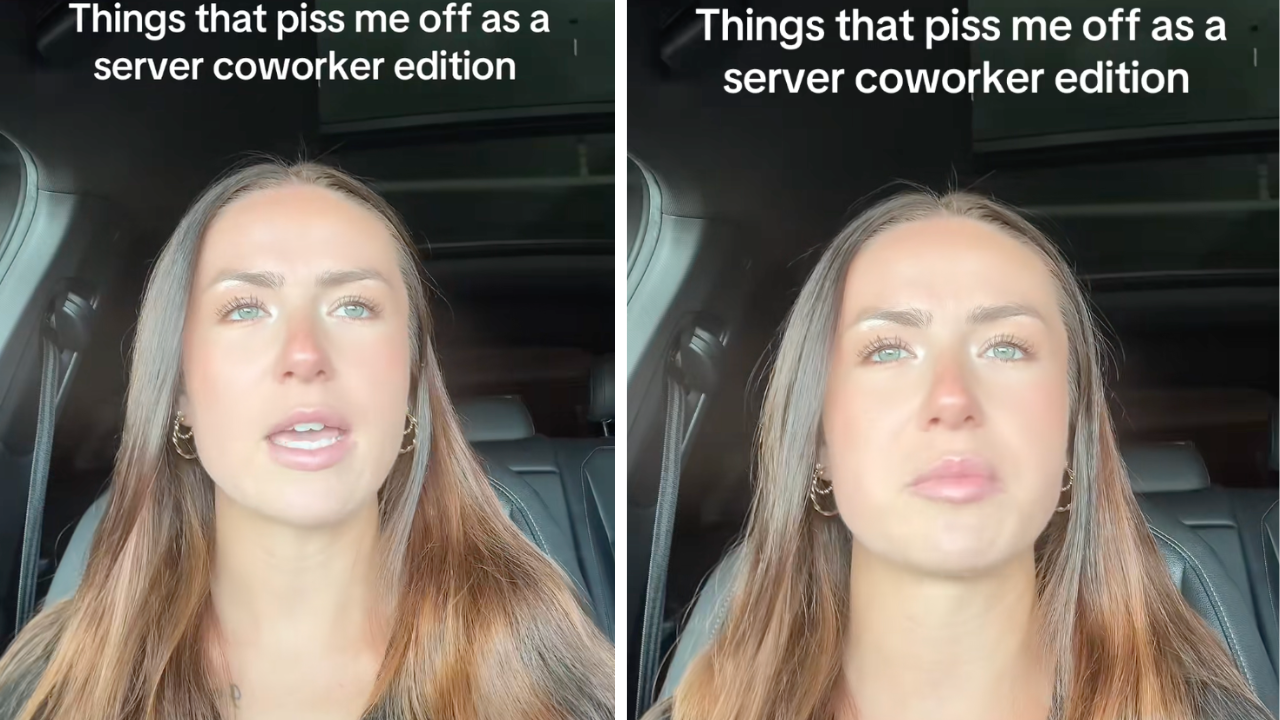
- TikTok server @hannah__lynn16 (Hannah) posted a viral video with 156,100 views detailing three workplace pet peeves: late-arriving coworkers refusing to help open, servers ignoring assigned side work, and colleagues leaving dirty tables before shift cuts.
- Hundreds of fellow servers flooded the comments validating her frustrations, with one 20-year veteran stating, “More times than not, I’m mad at my coworkers and not the customers.”
- Commenters suggested systemic management failures rather than individual laziness, noting that unclear expectations and poor accountability enable the behavior Hannah described.
Server’s TikTok Rant Exposes Common Restaurant Workplace Tensions
TikTok creator @hannah__lynn16, who goes by Hannah, recently struck a nerve across the service industry with a candid video enumerating three specific behaviors that frustrate her as a restaurant server. The clip has amassed 156,100 views and 338 comments, sparking a widespread conversation about team dynamics, accountability, and the often-overlooked friction between front-of-house staff.
Opening Shift Struggles: The 11 a.m. Server Who Won’t Help
Hannah’s first grievance centers on the handoff between the sole opener and the midday crew. She arrives at 10:15 a.m. to prepare the restaurant for an 11:00 a.m. opening, but describes a recurring scenario where the scheduled 11:00 a.m. server arrives, watches her scramble to finish opening tasks, and simply waits for their first table without offering assistance. “We have one opener. We come in at 10:15. The restaurant opens at 11. We always have an 11:00am server come in. So when that 11:00am server comes in, and they see me still running around trying to do things to get the restaurant open, and then they just stand there and wait for their first table, and don’t ask me if I need help with anything,” she says in the video. This failure to pitch in during a critical window leaves the opener shouldering the full setup burden alone.
Side Work Evasion: Assigned Tasks Left Undone
The second issue involves the restaurant’s running side work chart—a system that assigns specific recurring tasks (like refilling ice bins) to named servers each shift. Hannah describes colleagues who stand idle in the kitchen while their designated duties go neglected, forcing her to intervene. “At my restaurant, we have a lot of servers on at the same time, usually for night shifts. So we have, like, a running side work chart, and it is always filled out with someone’s name next to the running side work that they’re responsible for. So an example being, you know, filling up ice. If I see that person standing there in the kitchen doing nothing, and the ice bin is empty, and I have to ask you to get ice,” she explains. The chart exists precisely to prevent this confusion, yet compliance appears inconsistent.
Pre-Bussing Neglect: Leaving Plates for the Closing Crew
Hannah’s third frustration—admittedly one that “doesn’t really affect me personally”—involves servers who deliberately skip pre-bussing tables before being cut (sent home) at night. Because the restaurant trains bussers to clear only glasses and trash, not plates, departing servers leave full dishware behind, creating extra work for those remaining. “This doesn’t really affect me personally, it just really gets on my nerves for some reason. But when my co workers don’t pre-bus their tables, and it happens a lot at night, specifically when they know that they’re about to be cut soon, and then they don’t wanna get sad again, so they’ll just leave their tables filled with dishes. Because our bussers are trained to only grab, like, glasses and trash off of the table and not grab plates. So they’ll do it on purpose, and that just really gets to me for some reason,” she says. The phrase “don’t wanna get sad again” appears to reference the disappointment of being cut early or having sections reduced.
Industry-Wide Resonance: Commenters Validate the Experience
The comment section quickly became a forum for shared grievances. A veteran server with over 20 years of experience summed up a sentiment echoed by many: “I’m 37. Been in the restaurant world for over 20 years. More times than not, I’m mad at my coworkers and not the customers.” Another commenter emphasized personal accountability: “I ALWAYS stay on top of my side work, because when its time to go. I’m out of there with all my work is done.” The volume of similar stories suggests Hannah’s experience reflects systemic patterns rather than isolated incidents.
Management Accountability Questioned
Several observers redirected the focus toward leadership. One commenter wrote bluntly, “Sounds like you might have a management issue.” This perspective frames the behaviors Hannah describes—ignoring opening duties, skipping assigned side work, abandoning tables—as symptoms of insufficient oversight, unclear consequences, or a culture where teamwork isn’t enforced. When side work charts exist but aren’t upheld, and when bussers’ limited scope creates gaps no one fills, the responsibility arguably extends beyond individual servers to the systems managing them.
Why This Matters
The viral response to Hannah’s video underscores a persistent, under-discussed challenge in hospitality: interpersonal friction among staff often outweighs guest-related stress. While customer complaints dominate public narratives about restaurant work, servers consistently report that coworker reliability, fairness in task distribution, and management enforcement of standards dictate daily job satisfaction more than any difficult table. The video also highlights how tipped-wage structures and shift-cut practices can incentivize short-term self-preservation over collective responsibility—when being cut early means lost income, servers may prioritize exiting quickly over leaving their station ready for the next shift. For operators, the takeaway is clear: clear side work protocols, enforced accountability, and busser training that covers full table clearance aren’t just operational details—they’re retention tools.
Frequently Asked Questions
What were the three specific pet peeves Hannah described in her TikTok?
Hannah cited: (1) 11:00 a.m. servers who watch the opener struggle but refuse to help set up; (2) coworkers who ignore their assigned side work tasks (like refilling ice) while standing idle; and (3) servers who deliberately leave dirty plates on tables before being cut, knowing bussers only clear glasses and trash.
Did other servers agree with Hannah’s complaints?
Yes. The video garnered 338 comments, many from servers validating her experience. A 20-year veteran stated they’re more often angry at coworkers than customers, and numerous commenters shared similar frustrations with side work neglect and pre-bussing failures.
Was the restaurant’s management mentioned as a factor?
Multiple commenters suggested the issues stem from management failures rather than individual laziness, citing lack of accountability, unclear enforcement of side work charts, and busser training gaps that leave plates uncleared.
