Tag: generative AI

  • Brandi Glanville Joins AI Girlfriend Site

    Brandi Glanville Joins AI Girlfriend Site

    Key Highlights

    • Former Real Housewives star Brandi Glanville has launched an AI-powered digital version of herself for fan interaction.
    • The AI avatar is programmed to engage in adult-oriented conversations without the health limitations Glanville faces.
    • Fans now have “unfettered access” to the virtual personality through a dedicated platform.

    Brandi Glanville Enters the AI Companion Space

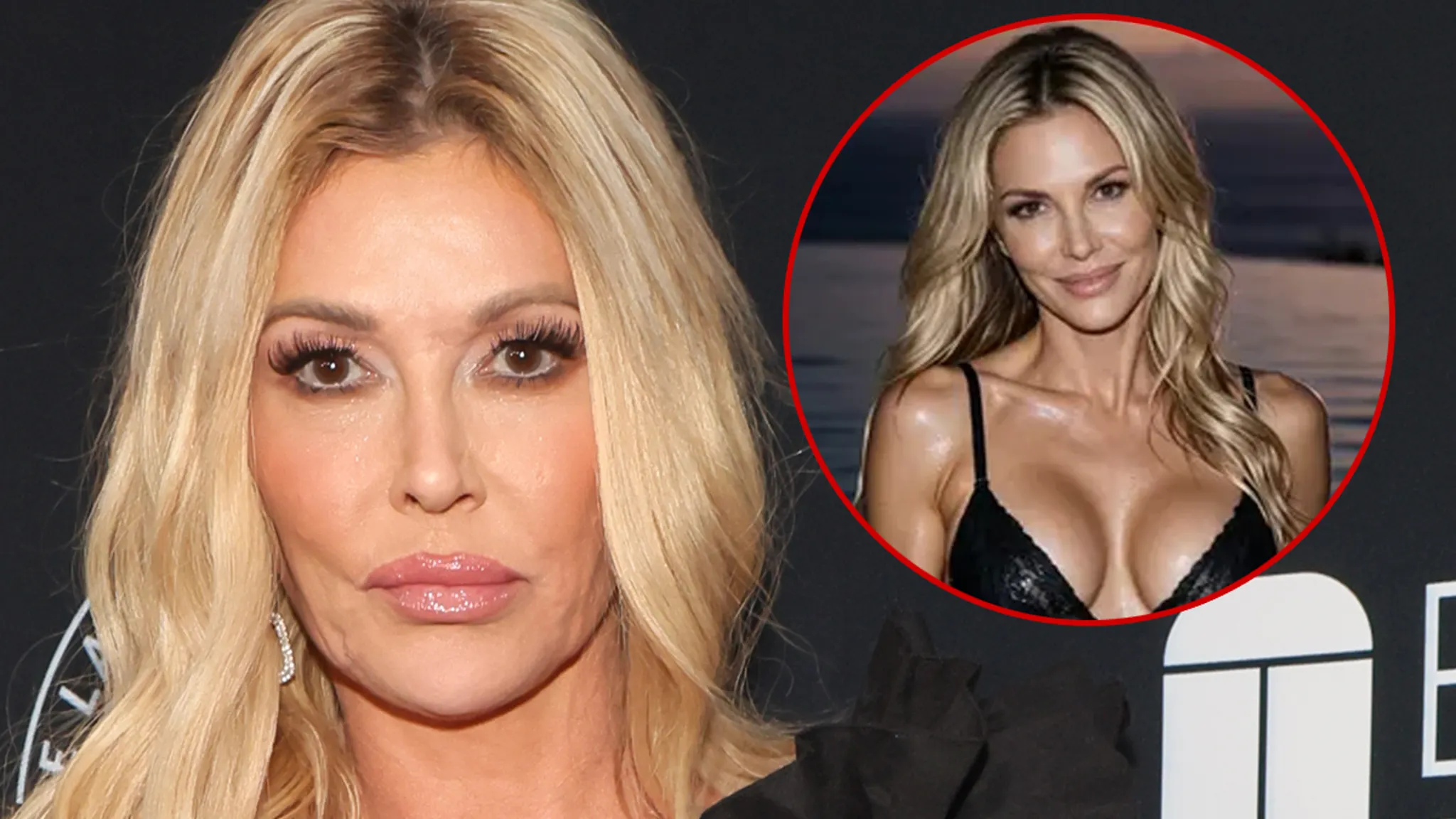
    Former Real Housewives of Beverly Hills cast member Brandi Glanville has debuted an artificial intelligence version of herself, offering followers what is being described as unrestricted access to a digital persona designed for intimate engagement. The reality television veteran, known for her unfiltered on-screen presence, is the latest celebrity to embrace AI companion technology as a new revenue and fan-connection channel.

    Health Challenges Drive Digital Alternative

    The launch comes as Glanville has publicly navigated significant health issues in recent years. The AI counterpart is explicitly positioned as a version of the star that “doesn’t have any health issues,” allowing for continuous, high-energy interaction that her physical condition may not always permit. This framing suggests the project serves both as a business venture and a workaround for the limitations imposed by her medical situation.

    Platform Promises Explicit, Unrestricted Interaction

    Marketing language for the AI avatar emphasizes that it is “programmed to do a whole lotta naughty things,” signaling an adult-oriented experience. The promise of “unfettered access” indicates fewer content restrictions than typical social media platforms impose, aligning with the growing trend of celebrities monetizing direct-to-fan platforms that allow explicit material. The specific platform hosting the AI has not been disclosed in the initial announcement.

    Why This Matters

    Glanville’s entry into the AI companion market reflects a broader shift in celebrity monetization strategies. As generative AI becomes more sophisticated, public figures are licensing their likeness, voice, and personality to create persistent digital doubles that can engage thousands of fans simultaneously. For reality stars whose fame rests on personality access rather than a specific creative craft, AI companions represent a scalable extension of their brand. The move also highlights how health challenges can accelerate adoption of digital twin technologies among performers who face physical limitations.

    Frequently Asked Questions

    What is Brandi Glanville’s AI companion designed to do?

    The AI version is programmed for adult-oriented, explicit conversations with fans, marketed as having “unfettered access” and the ability to do “a whole lotta naughty things” without the health constraints Glanville experiences.

    Why did Glanville create an AI version of herself?

    The launch is framed around her ongoing health issues; the AI counterpart “doesn’t have any health issues,” allowing for continuous high-energy fan engagement that her physical condition may limit.

    Where can fans access the Brandi Glanville AI?

    The specific platform hosting the AI companion was not disclosed in the initial announcement.
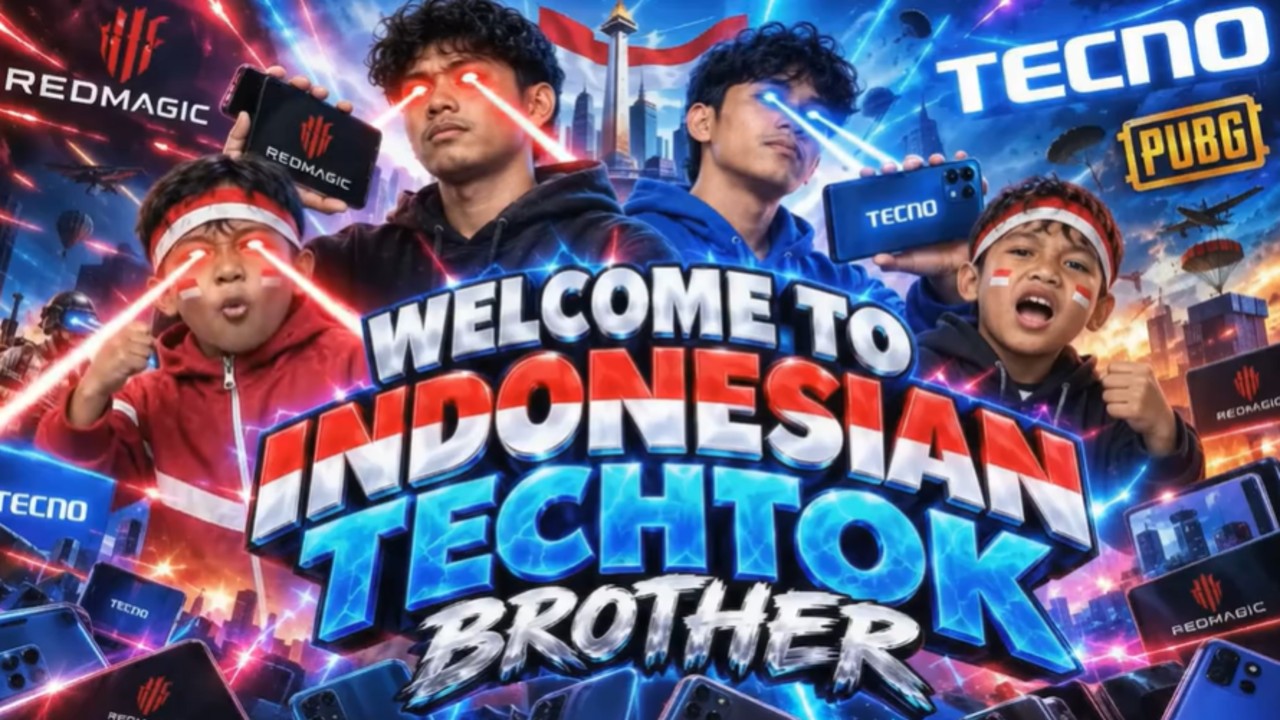
  • AI-Generated ‘Welcome To X Brother’ Memes Go Viral on TikTok

    AI-Generated ‘Welcome To X Brother’ Memes Go Viral on TikTok

    Key Highlights

    • AI-generated “Welcome to Techtok Brother” memes proliferated across TikTok throughout September 2026, featuring groups welcoming viewers to technology-focused subcultures.
    • The format follows a repetitive structure where participants say “Welcome to X brother,” with “X” representing specific corners of “techtok”—the technology side of TikTok.
    • The trend appears potentially inspired by the earlier “Welcome to BP, Brother” catchphrase memes associated with black pill ideology.

    Origins and Spread of the Meme Format

    The “Welcome to Techtok Brother” phenomenon emerged as a distinct AI-generated meme series on TikTok during September 2026. The videos typically depict a group of individuals delivering the synchronized line “Welcome to X brother,” where the variable “X” denotes a particular fandom or niche community within the platform’s technology ecosystem, colloquially known as “techtok.” Unlike organic user-generated trends, these clips are characterized by their synthetic origin, marking a continued evolution of AI-assisted content creation within short-form video culture.

    Structure and Variations Across TechTok Communities

    Each iteration of the meme targets a different subsection of techtok, ranging from programming language communities and hardware enthusiast circles to software development frameworks and emerging AI tool discussions. The formulaic delivery—uniform cadence, shared phrasing, and collective address—creates a ritualistic initiation tone, parodying or genuinely performing a gateway rite into specialized digital enclaves. The repetition of “Welcome to X brother” across varied technical domains underscores both the fragmentation and the shared cultural syntax of TikTok’s algorithmically curated interest graphs.

    Connection to Predecessor Meme Culture

    Observers note a potential lineage linking the techtok variants to the “Welcome to BP, Brother” memes, a catchphrase format historically associated with welcoming individuals into “black pill” ideological spaces. The structural parallels—communal address, the “Welcome to [identifier], brother” syntax, and the threshold-crossing implication—suggest either direct homage or convergent memetic evolution. Whether the techtok adaptation constitutes satire, appropriation, or independent emergence remains a subject of interpretation among platform analysts.

    Why This Matters

    The rapid spread of AI-generated meme formats like “Welcome to Techtok Brother” signals a shifting dynamic in how subcultural identity is performed and disseminated on TikTok. Synthetic content, produced at scale and tailored to micro-communities, blurs the line between authentic community signaling and algorithmically optimized engagement bait. For researchers and marketers tracking digital culture, the trend illustrates how generative AI tools are becoming native instruments of meme propagation, accelerating the lifecycle of inside jokes and potentially diluting the organic roots of platform-specific vernacular. The possible ideological echo from “Welcome to BP, Brother” also raises questions about how fringe catchphrases migrate into mainstream tech discourse, stripped of original context but retaining structural potency.

    Frequently Asked Questions

    What is “techtok” on TikTok?

    “Techtok” refers to the technology-focused side of TikTok, encompassing communities centered on programming, hardware, software development, AI tools, and related technical topics.

    Are the “Welcome to Techtok Brother” videos made by real people?

    No, the meme series is described as AI-generated, meaning the videos are synthetically produced rather than filmed by human creators performing organically.

    What is the “Welcome to BP, Brother” meme?

    “Welcome to BP, Brother” is a catchphrase meme historically used to welcome someone into “black pill” ideological spaces, serving as a potential structural predecessor to the techtok variant.

  • Danny Boyle’s Ink Doesn’t Need Its Controversial AI Scene

    Danny Boyle’s Ink Doesn’t Need Its Controversial AI Scene

    Key Highlights

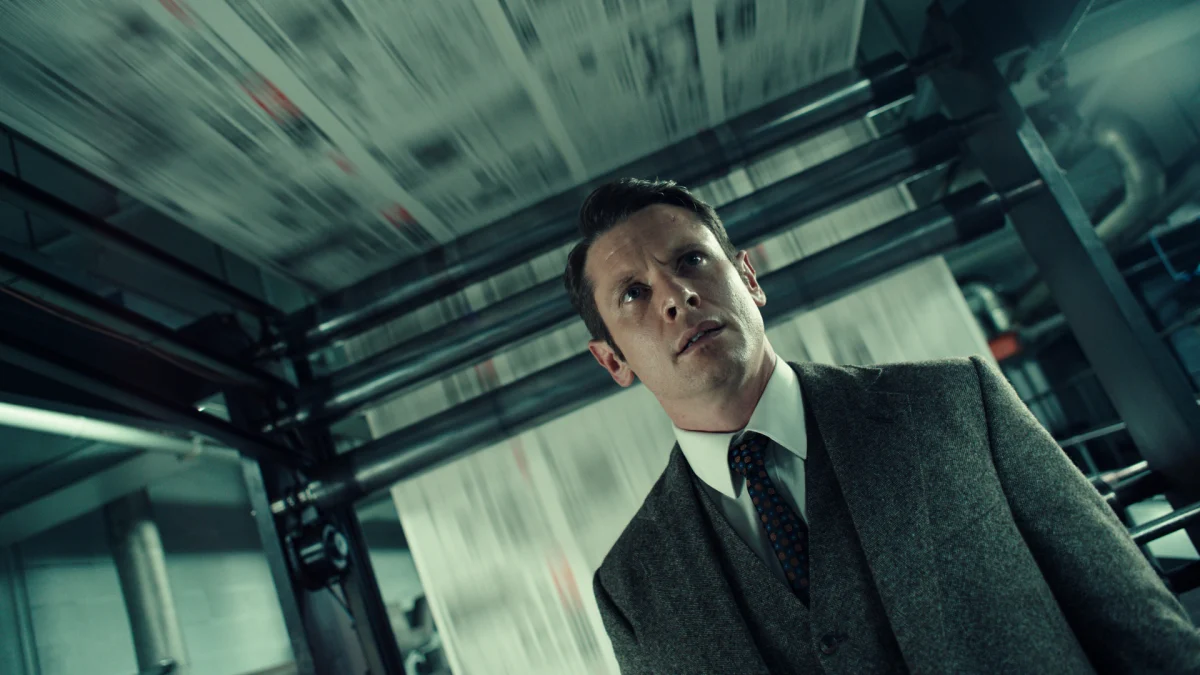
    • Danny Boyle’s latest film Ink dramatizes the 1969 partnership between Rupert Murdoch and editor Larry Lamb that turned the struggling The Sun into a dominant, sensationalist British tabloid.
    • Boyle confirmed at the Telluride and Toronto film festivals that generative AI was used for roughly 30 seconds of the 116-minute runtime, specifically to animate a historical photograph and depict mice in a newsroom.
    • The film’s climax links the tabloid’s “give the people what they want” philosophy to Silicon Valley’s “Move Fast and Break Things” motto, but critics argue Boyle’s own use of AI undercuts this thematic critique.

    Boyle Returns to Biopic Territory With Ink

    Since his 1996 breakthrough with Trainspotting, English filmmaker Danny Boyle has oscillated between genre-defining horror (28 Days Later), Oscar-winning drama (Slumdog Millionaire), and high-stakes biopics (127 Hours, Steve Jobs). His newest feature, Ink, marks a return to the biographical form, chronicling how Australian media magnate Rupert Murdoch and Yorkshire-born editor Larry Lamb transformed a failing UK newspaper into the powerful—and arguably dangerous—tabloid The Sun. Boasting a cast led by Jack O’Connell as Lamb, Guy Pearce as Murdoch, and Claire Foy as the provocative reporter Jules, the film arrived at the Venice International Film Festival with early Oscar buzz. That momentum stalled, however, when Boyle inadvertently derailed awards-season discourse by revealing he had employed generative AI for “about 30 seconds” of the finished film.

    A Heist-Movie Structure for a Newspaper Launch

    Screenwriter James Graham frames the newspaper launch as a caper reminiscent of Ocean’s Eleven. Set in 1969 London, the film introduces Lamb and Murdoch as boxers circling in a dark, wood-paneled restaurant—the oldest in London, Lamb notes. A swift Boyle-esque cut to a black-and-white photograph of men posing outside that same restaurant decades earlier underscores the establishment’s stodgy irrelevance, making it the perfect covert meeting place. Murdoch tasks Lamb with building a rival to the wildly popular Daily Mirror, and a punk-rock-scored montage follows Lamb recruiting reporters from a porn theater, a morgue, and a hotel bed. O’Connell delivers a chaotic, devilish charisma that captures Lamb’s willingness to exploit sex, violence, and fear for circulation. When Murdoch objects, Lamb insists he is merely giving the public the ugly truth they crave.

    The AI Controversy: “About 30 Seconds” That Distract

    The AI disclosure emerged during the festival circuit. At the Telluride Film Festival, Boyle stated the mice scurrying through The Sun‘s newsroom in the first act were AI-generated. He also admitted, “We animate[d] a couple of old photographs.” At a post-premiere Q&A at the Toronto International Film Festival (TIFF), he elaborated: “We try to be very responsible and make sure no actors were out of work because of it, so we would always employ actors if we were going to use a bit of it. There was about 30 seconds of it.”

    One of those seconds animates the opening photograph: the static line of suited gentlemen suddenly dances and celebrates during a montage of the paper’s rising success. The effect is immediately jarring. The generative AI artifacts are visible, clashing with Boyle’s otherwise frenetic but tactile visual style. The callback to the first scene is already clear without the animation; the sequence feels like a hat on a hat. Worse, it undermines the film’s own argument about the perils of abandoning standards for engagement.

    Final Montage Links Tabloid Past to Tech Present

    In its closing moments, Ink flashes images of Mark Zuckerberg, Elizabeth Holmes, and Elon Musk alongside graphics reading: “Move Fast and Break Things.” The notorious Silicon Valley motto, coined by Zuckerberg, is presented as the spiritual heir to Lamb and Murdoch’s playbook. The film argues that popularity does not equate to quality or societal good—a parable about blind ambition and the temptation to exploit primal desires for profit. Yet the critique falters when the filmmaker himself succumbs to the temptation of a controversial, unproven technology for mere flourishes. As the review notes, “How can that critique land when Boyle himself is falling to the temptation of generative AI? Spoilers: It won’t.”

    Ink will play in select theaters on December 7 before streaming on Netflix December 11.

    Why This Matters

    The controversy surrounding Ink highlights a growing fault line in the film industry: the ethical and artistic integration of generative AI. While Boyle frames his use as responsible—limited in duration and not displacing actors—the visible artifacts in a high-profile prestige drama amplify concerns that AI tools are being adopted for convenience rather than necessity. For a film explicitly critiquing the “move fast and break things” mentality, the decision to use unpolished AI animation for a non-essential shot appears hypocritical to many critics and industry observers. This incident may influence awards voters and shape emerging guild policies on AI disclosure and usage, setting a precedent for how “responsible” AI adoption is defined in Hollywood craft categories.

    Frequently Asked Questions

    What is Ink about?

    Ink dramatizes the 1969 acquisition of the failing British newspaper The Sun by Rupert Murdoch and the appointment of editor Larry Lamb. It depicts their transformation of the paper into a sensationalist tabloid that prioritized sex, scandal, and sport, drawing a direct line to modern tech disruption.

    How much generative AI was used in the film?

    Director Danny Boyle confirmed at the Telluride and Toronto film festivals that generative AI was used for approximately 30 seconds of the 116-minute runtime. This includes animating a historical photograph in a montage sequence and generating mice in the newsroom scenes.

    When and where can I watch Ink?

    Ink is scheduled for a limited theatrical release on December 7, followed by a global streaming debut on Netflix on December 11.

  • AI Wrapper Boom Misses Real Problem, Says Jeffrey Zang

    AI Wrapper Boom Misses Real Problem, Says Jeffrey Zang

    Proletic Founder Predicts Restrained AI Will Win Next Product Wave

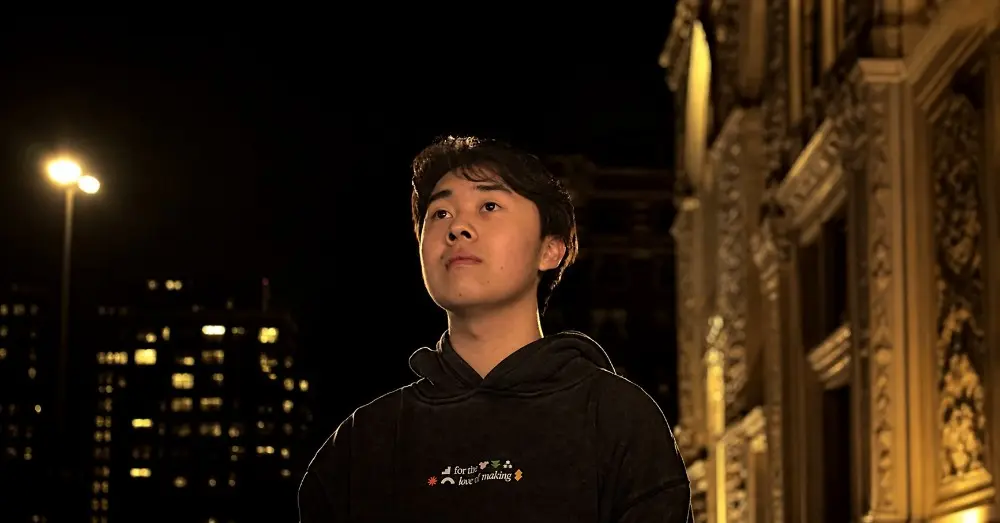
    The founder of Proletic contends that success in the next generation of artificial intelligence products will belong to teams prioritizing restraint and genuine utility over flashy capabilities. According to the argument, the market will reward software that users genuinely want to continue using rather than tools that merely demonstrate technical prowess.

    Shifting Focus From Capability to Utility

    This perspective suggests a maturing AI landscape where the novelty of large language models and generative features gives way to product discipline. Teams that resist the urge to over-engineer or stuff products with every possible AI feature may gain a competitive edge by delivering focused, reliable experiences that solve specific problems well.

    Retention as the New Metric

    The emphasis on software “people actually want to keep using” highlights retention and habitual use as critical differentiators. In a crowded market of AI-powered tools, products that integrate seamlessly into workflows and provide consistent value without friction are positioned to outlast those relying on initial hype or demonstrations of raw model power.

    Proletic’s stance reflects a broader industry conversation about sustainable AI product strategy, where restraint in design and clarity of purpose become strategic advantages.

  • Series Entertainment Launches ‘RUN’: An AI Platform Turning ‘Vibe Gaming’ Into Playable Games in Days

    Series Entertainment Launches ‘RUN’: An AI Platform Turning ‘Vibe Gaming’ Into Playable Games in Days

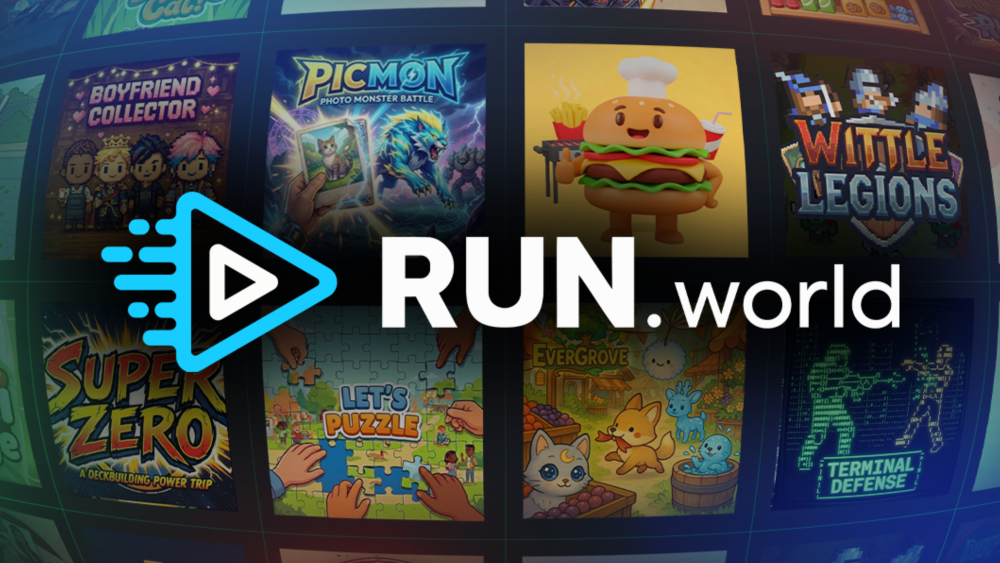
    The generative AI wave that popularized "vibe coding" and "vibe directing" has now reached game development. Series Entertainment has entered beta with RUN, a platform designed to compress the typical months- or years-long game creation cycle down to a matter of days, aiming to let creators build, publish, and monetize games across mobile and web from a single interface.

    The concept leans into what the company calls "vibe gaming" — an approach where users describe the feel, mechanics, or aesthetic they want, and the AI assembles a playable experience around that direction. During its alpha phase, Series attracted roughly 5,500 creators, many drawn in through "Game Jams" that offered cash prizes for the best prototypes built on the platform. Those events also served as stress tests for the publishing pipeline, which currently targets mobile and web with TV and Steam support slated for later.

    If the workflow holds up at scale, RUN could lower the barrier for interactive storytelling in the same way generative video tools have for short-form video. The comparison to "vibe coding" is instructive: just as developers now prompt large language models for boilerplate and logic, RUN attempts to abstract away engine plumbing, asset integration, and live-ops scaffolding so creators can iterate on core loops instead of wrestling with build pipelines. Whether that translates to sustainable hits — or a flood of disposable prototypes — will depend on how much creative control survives the abstraction layer.

    The move also signals a broader shift in entertainment tech: platforms are increasingly positioning themselves as end-to-end studios-in-a-box, handling distribution and monetization alongside creation. Series' model — beta access, community jams, revenue share — mirrors the playbook that fueled Roblox and Fortnite Creative, but with generative AI replacing the traditional scripting and modeling toolchain. For now, the platform remains in beta, and the true test will be whether games made on RUN can retain players beyond the novelty of AI-assisted creation.