Key Highlights
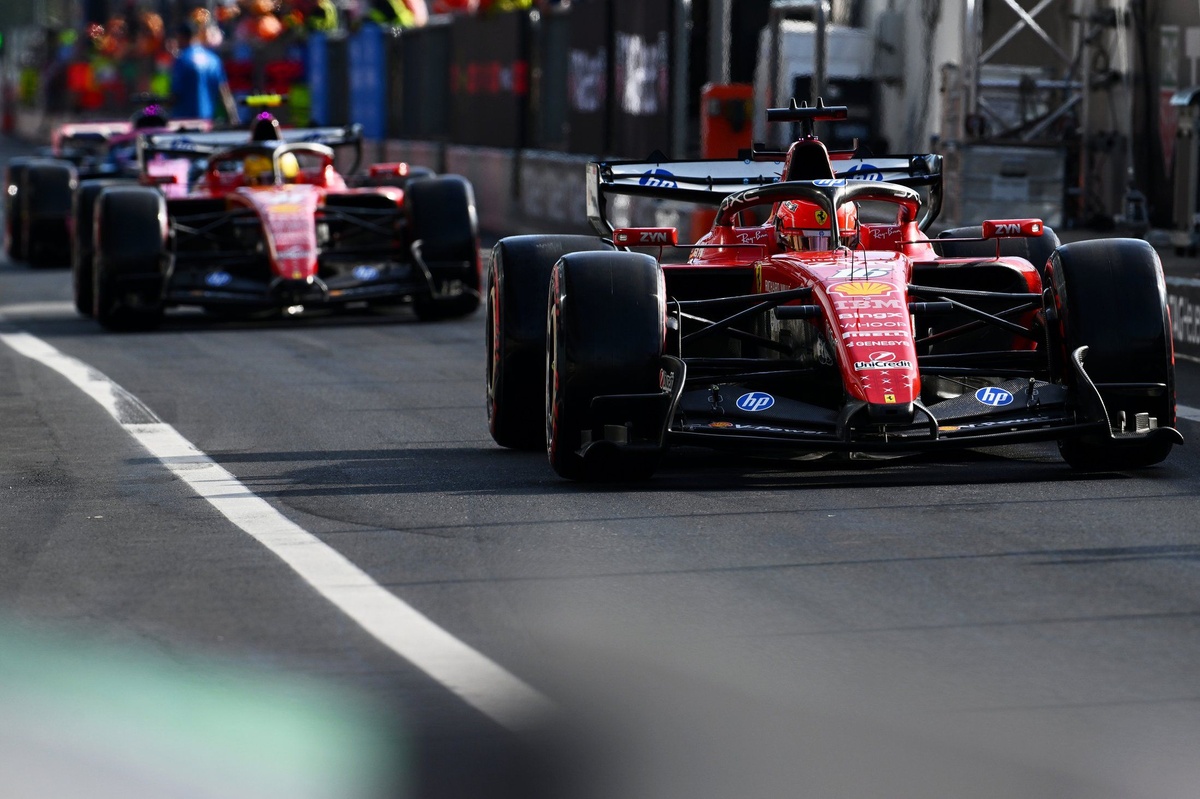
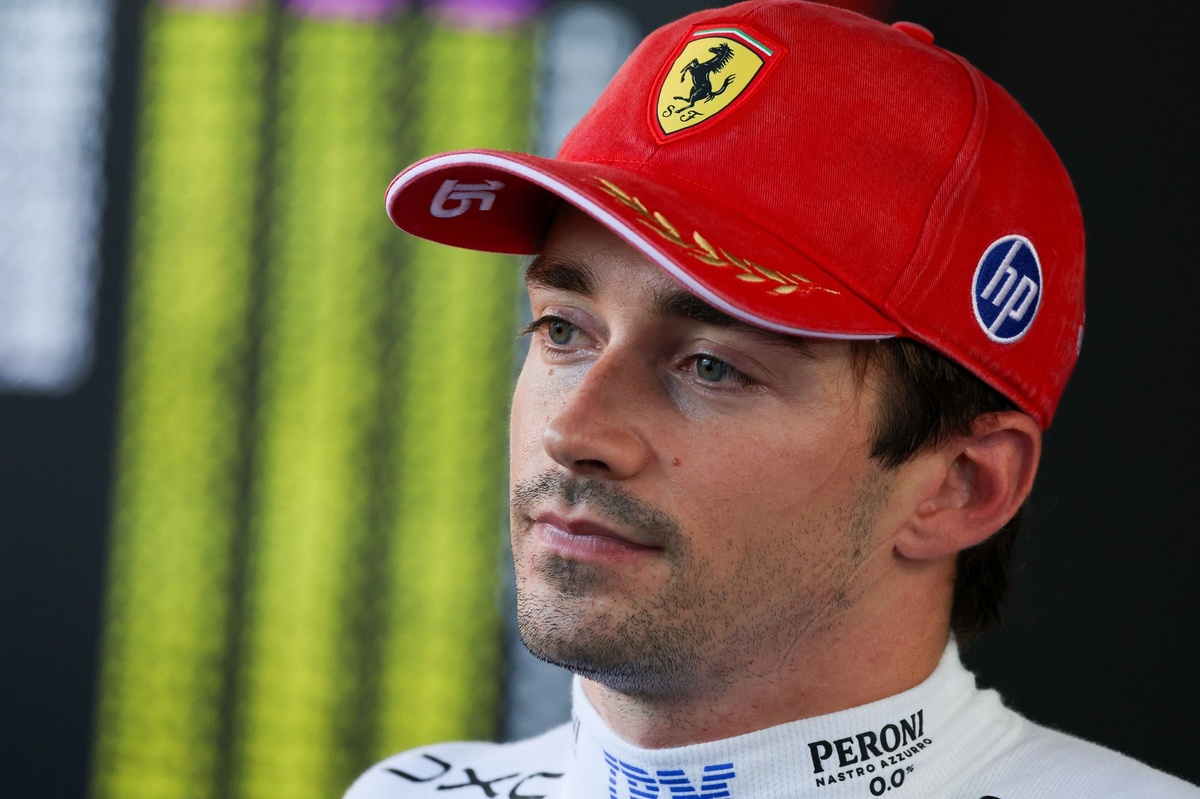
- Charles Leclerc has reaffirmed his long-term commitment to Ferrari, stating he wants to achieve his “ultimate goal” of becoming a world champion with the Scuderia and expressing 200% belief in team principal Frederic Vasseur.
- Leclerc’s manager, Nicolas Todt, explored opportunities with Mercedes, McLaren, and Aston Martin, but negotiations with Ferrari concluded rapidly once the parties sat down together.
- The current contract, signed in early 2024 alongside Lewis Hamilton’s arrival announcement, runs theoretically to 2029 but includes a 2026 break clause originally intended as protection against potential regulatory failures.
Leclerc’s Loyalty Tested by Market Forces and Internal Dynamics
Charles Leclerc’s relationship with Ferrari has long resembled a high-stakes romance punctuated by periodic flirtations with rival suitors. Each contract extension arrives amid whispers of interest from Mercedes, Red Bull, McLaren, and most recently Aston Martin, yet the Monégasque driver consistently returns to Maranello. On a recent episode of F1’s Beyond the Grid podcast, Leclerc offered rare transparency about the process: “For that, I’m also lucky to be in the position where I’ve got my manager… And my manager is here to let me know about what are the other opportunities, what’s going on around. And so I didn’t have any personal talks, but my manager did.” He elaborated that Nicolas Todt’s role is to provide “the full picture of what’s going on in the paddock,” confirming that “yes, there were other opportunities. But at the end of the day, we sat down with Ferrari and we made it happen quite quickly.”
The Todt-Vasseur Axis and Its Strategic Leverage
Central to Leclerc’s bargaining power is his manager, Nicolas Todt, whose connections run deeper than typical driver representation. The son of Jean Todt—the architect of Ferrari’s Michael Schumacher-era dominance and former FIA president—Todt Jr. manages a stable including Le Mans winner James Calado and formerly guided Felipe Massa. Crucially, he co-founded the ART Grand Prix organization with Frederic Vasseur over two decades ago, forging an alliance that proved decisive in January 2023 when Todt was instrumental in replacing Mattia Binotto with Vasseur as team principal. This access to Ferrari’s senior leadership, extending beyond the team principal to chairman John Elkann and CEO Benedetto Vigna, grants Leclerc a channel of influence unavailable at rival outfits. It facilitated not only Binotto’s departure but also the swift, peculiarly communicated removal of race engineer Xavier Marcos early in the 2024 season.
Contract Architecture: Golden Handcuffs and Escape Hatches
When Ferrari announced Lewis Hamilton’s 2025 arrival in January 2024, it simultaneously locked Leclerc into a long-term deal theoretically extending to 2029 with options. However, the contract contained a 2026 break clause—a calculated hedge against Ferrari botching the new technical regulations. That scenario has not materialized; instead, Ferrari has produced a competitive chassis and demonstrated an aggressive, effective upgrade trajectory. Yet operational misfires—strategy errors, pit-stop issues, and execution lapses—have cost valuable points. Meanwhile, the external landscape shifted: Mercedes, once a plausible destination when Todt sounded out the Silver Arrows about filling Hamilton’s vacancy, grew content with its own lineup. McLaren, where Todt held discussions with Andrea Stella and Zak Brown, entered 2024 with two championship-contending drivers. Aston Martin approached late last year, but amid internal turmoil that saw Adrian Newey’s arrival coincide with Andy Cowell’s ouster, the project presented what one observer termed “a farrago.” Faced with Ferrari’s improving trajectory versus organizational chaos elsewhere, Leclerc chose continuity.
Why This Matters
The Leclerc-Ferrari bond now enters a critical phase. With Hamilton installed as teammate, the internal equilibrium hinges on clear number-one status, operational excellence, and a car capable of challenging Red Bull and McLaren consistently. The 2026 break clause looms as a natural inflection point: if Ferrari fails to convert current promise into championships, both parties retain flexibility. For now, Leclerc’s public declaration—“I don’t want to give up on my ultimate goal, which is to become a world champion with Ferrari… I believe in the project. I believe in every single person of the team… And Fred is a big reason on why I have signed again as well. I believe in Fred 200%.”—signals alignment. Yet his leverage diminishes if performance plateaus; at the next renewal cycle, he will be over 30, an age when F1 options historically narrow. The Scuderia’s ability to translate technical innovation into race wins will determine whether this partnership achieves its stated destiny or becomes another chapter in Ferrari’s long championship drought.
Frequently Asked Questions
Does Charles Leclerc have a clause allowing him to leave Ferrari in 2026?
Yes. The long-term contract signed in January 2024 includes a break clause activatable in 2026, originally inserted as protection against potential failure with the new technical regulations. Both parties retain the option to reassess at that juncture.
What role did Nicolas Todt play in Frederic Vasseur becoming Ferrari team principal?
Todt was instrumental in the January 2023 transition that replaced Mattia Binotto with Vasseur. The two co-founded ART Grand Prix together over 20 years ago, and Todt’s access to Ferrari’s senior leadership—including chairman John Elkann—enabled him to influence the decision.
Which other teams expressed interest in signing Leclerc?
Mercedes, McLaren, and Aston Martin all held discussions or were approached by Todt over the past two years. Mercedes was considered when Hamilton’s departure created a vacancy, McLaren was approached while fielding two title contenders, and Aston Martin made an approach amid its own organizational upheaval.