Key Highlights
- Ferrari Team Principal Fred Vasseur dismissed suggestions that split tire strategies for Charles Leclerc and Lewis Hamilton at the Spanish Grand Prix were designed to keep the teammates apart on track.
- Vasseur cited identical strategy splits at McLaren, Mercedes, and Red Bull as evidence the approach was standard racecraft, not internal conflict management.
- Hamilton retired early with a braking issue on soft tires, while Leclerc’s hard-tire gamble for a late safety car did not materialize, leaving Ferrari without points in Madrid.
Vasseur Rejects Narrative of Manufactured Separation
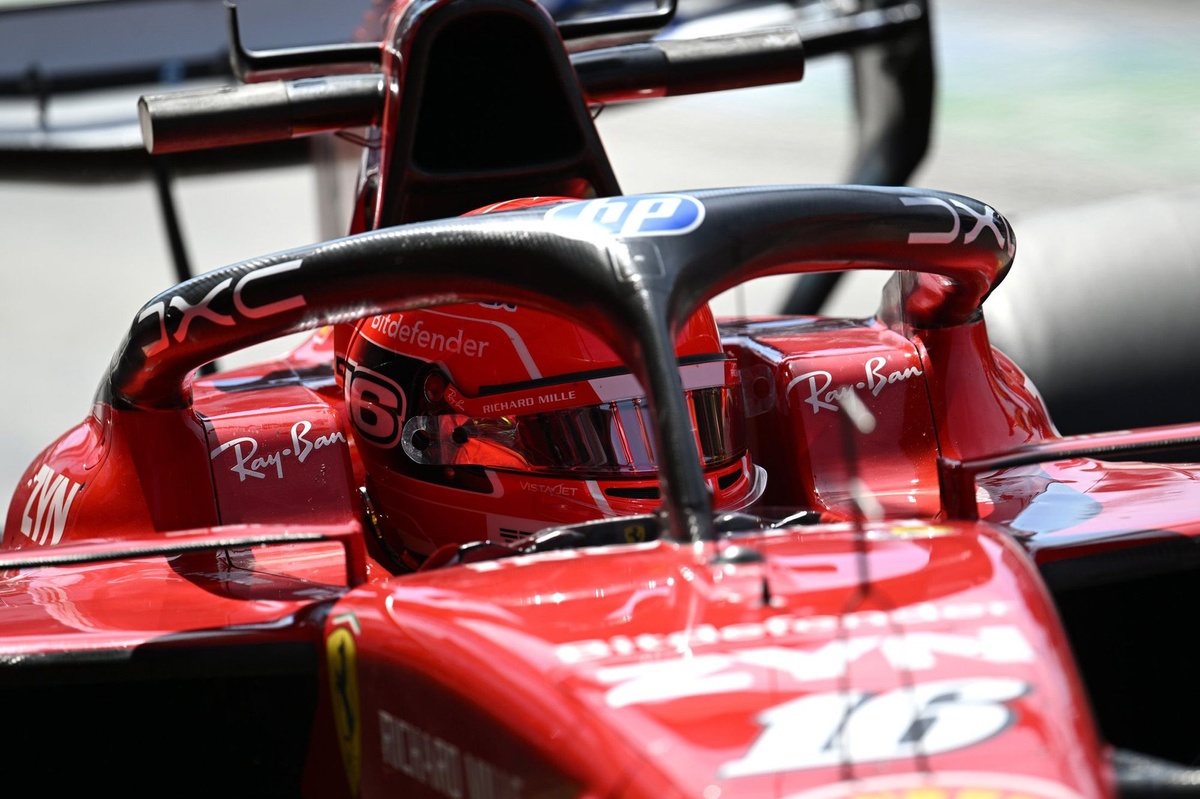
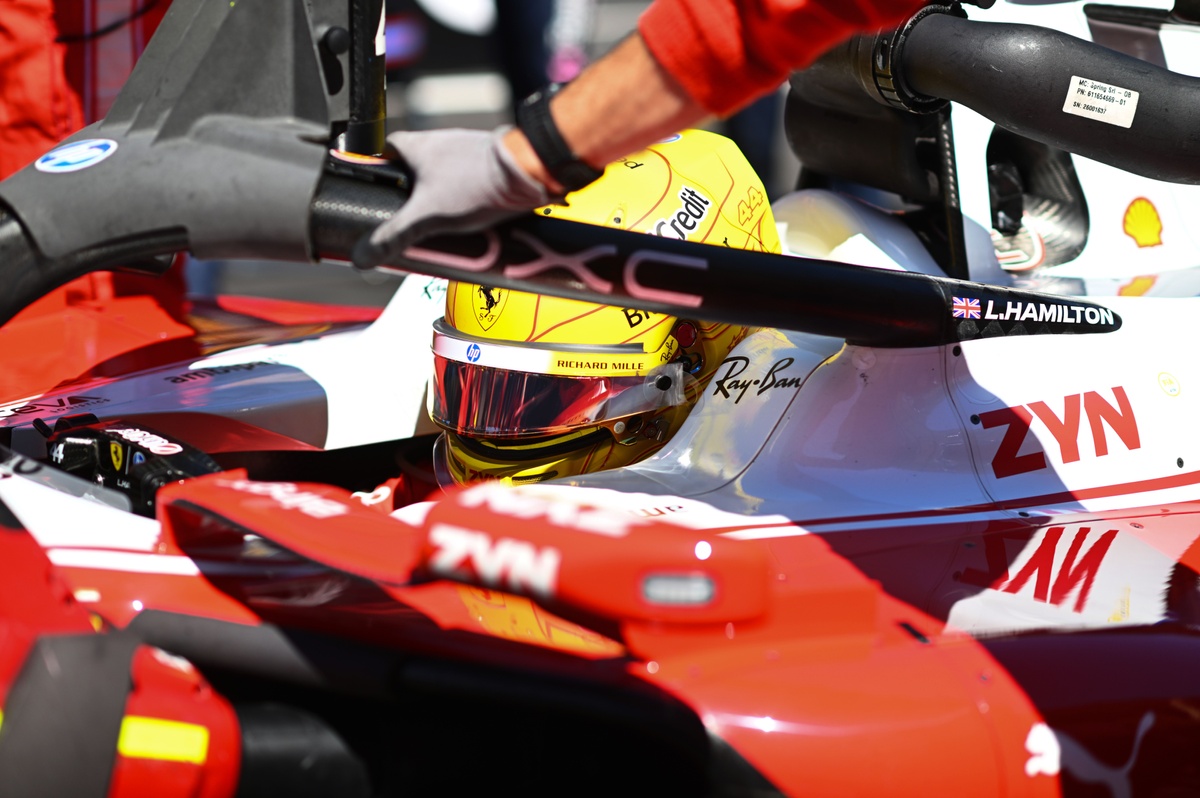
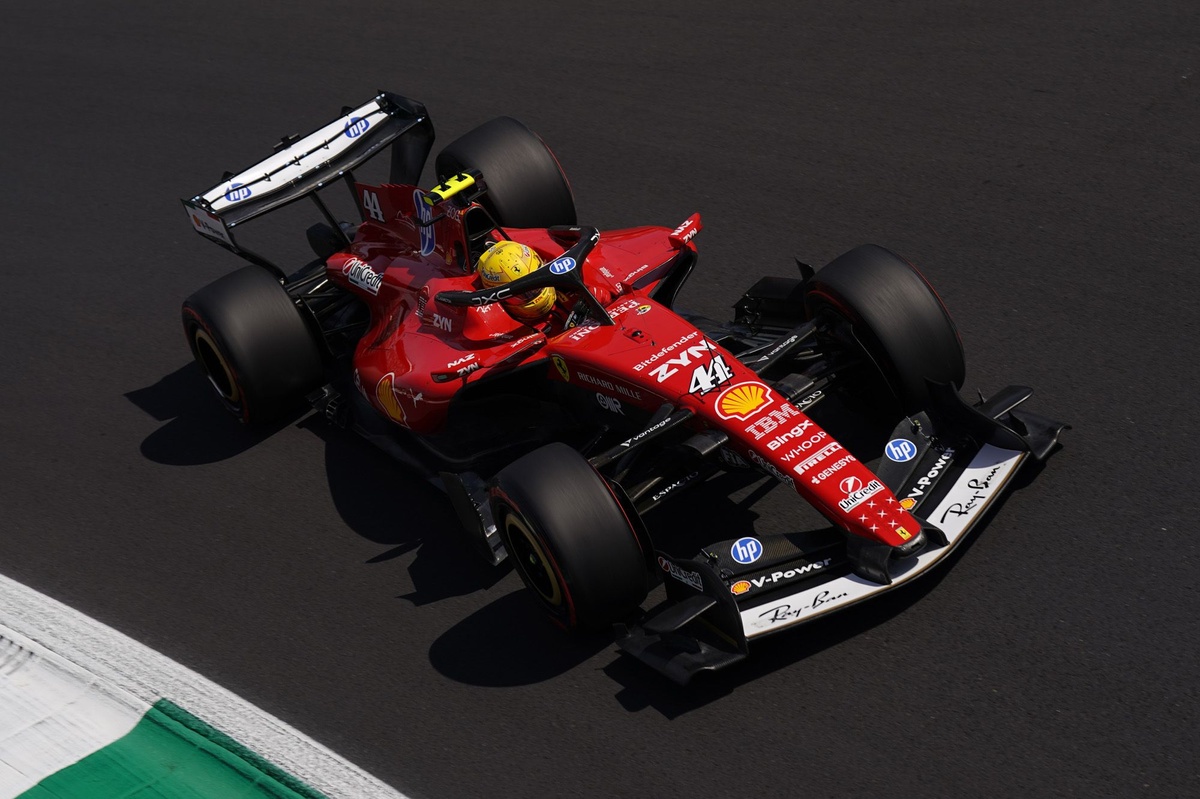
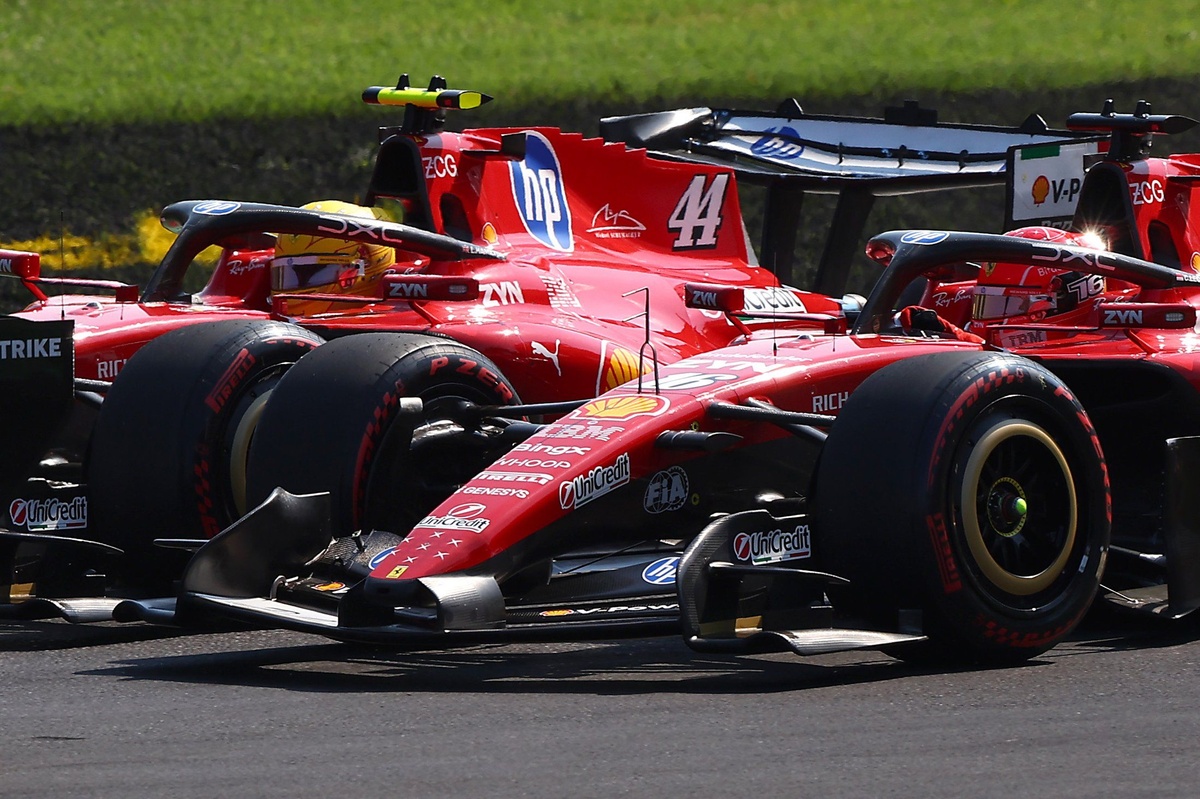
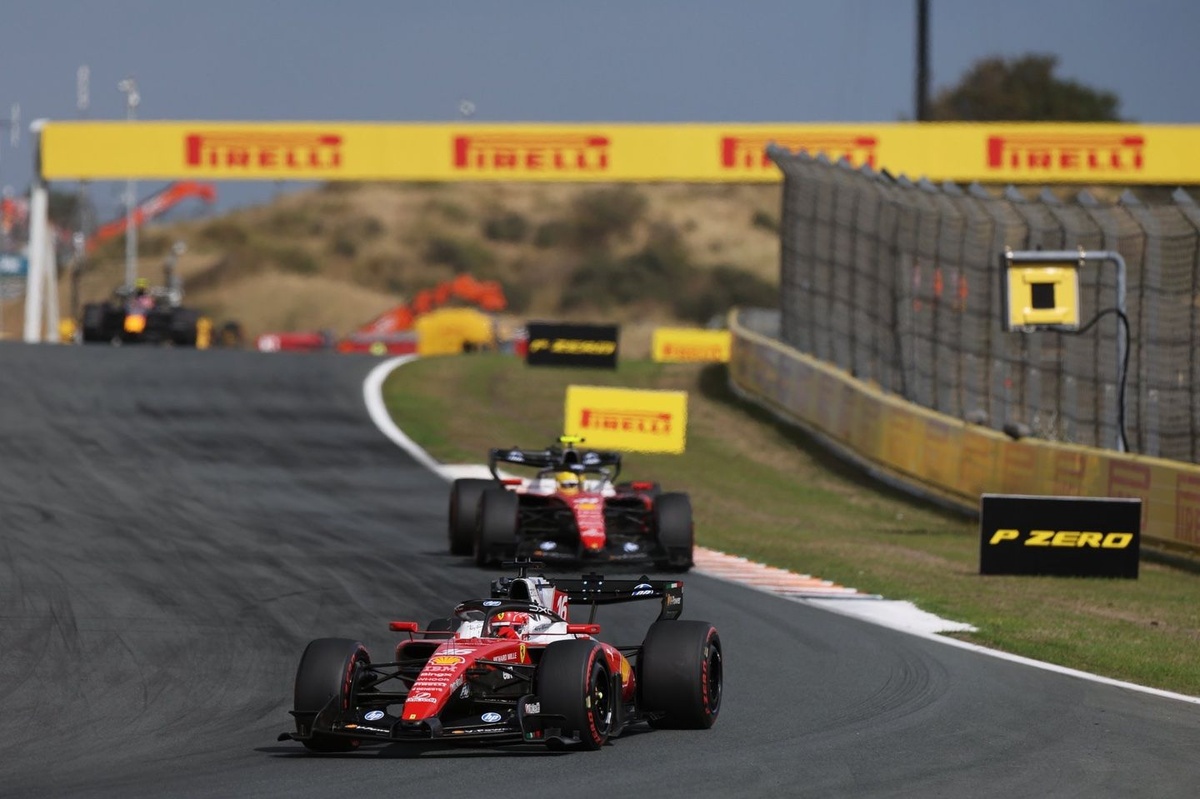
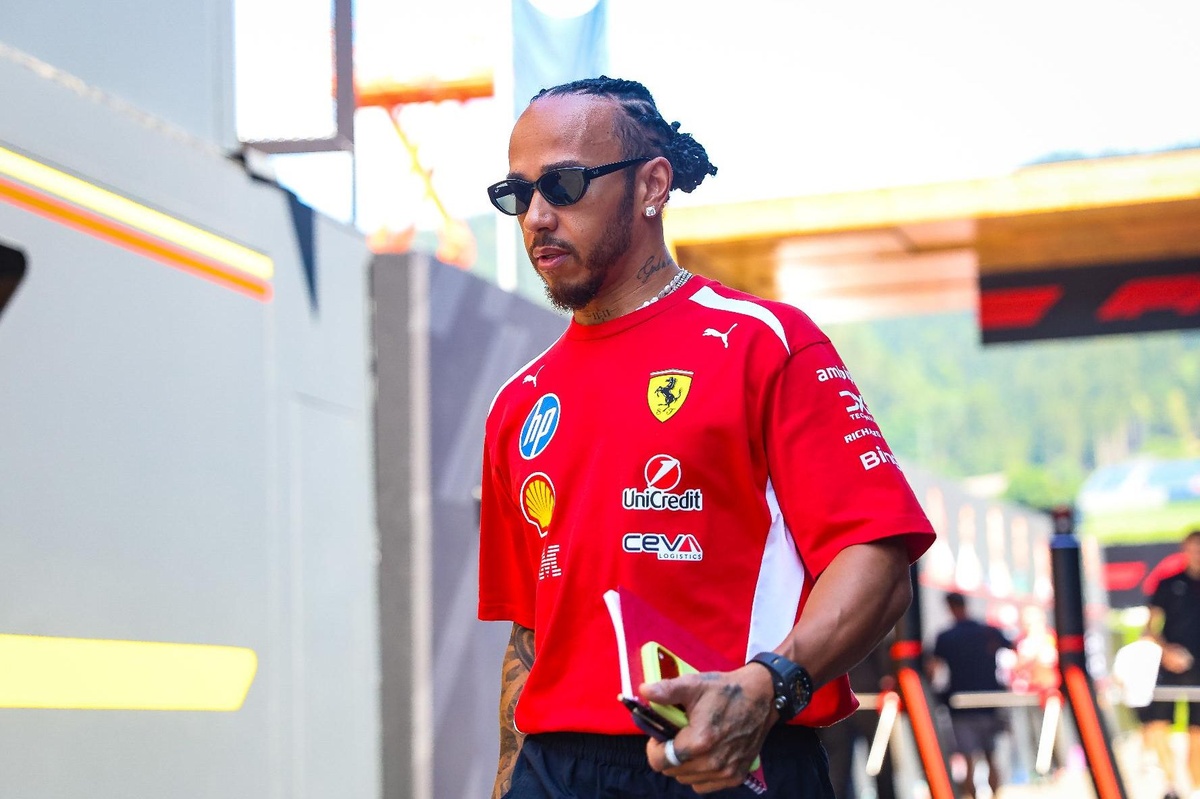
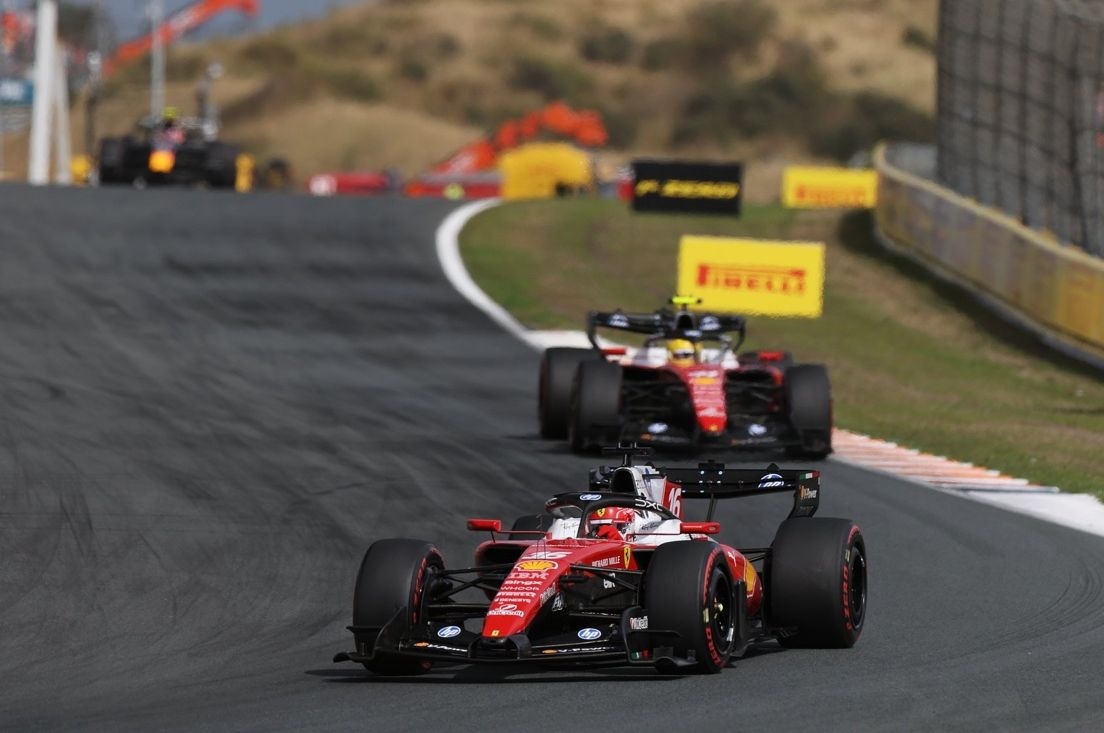
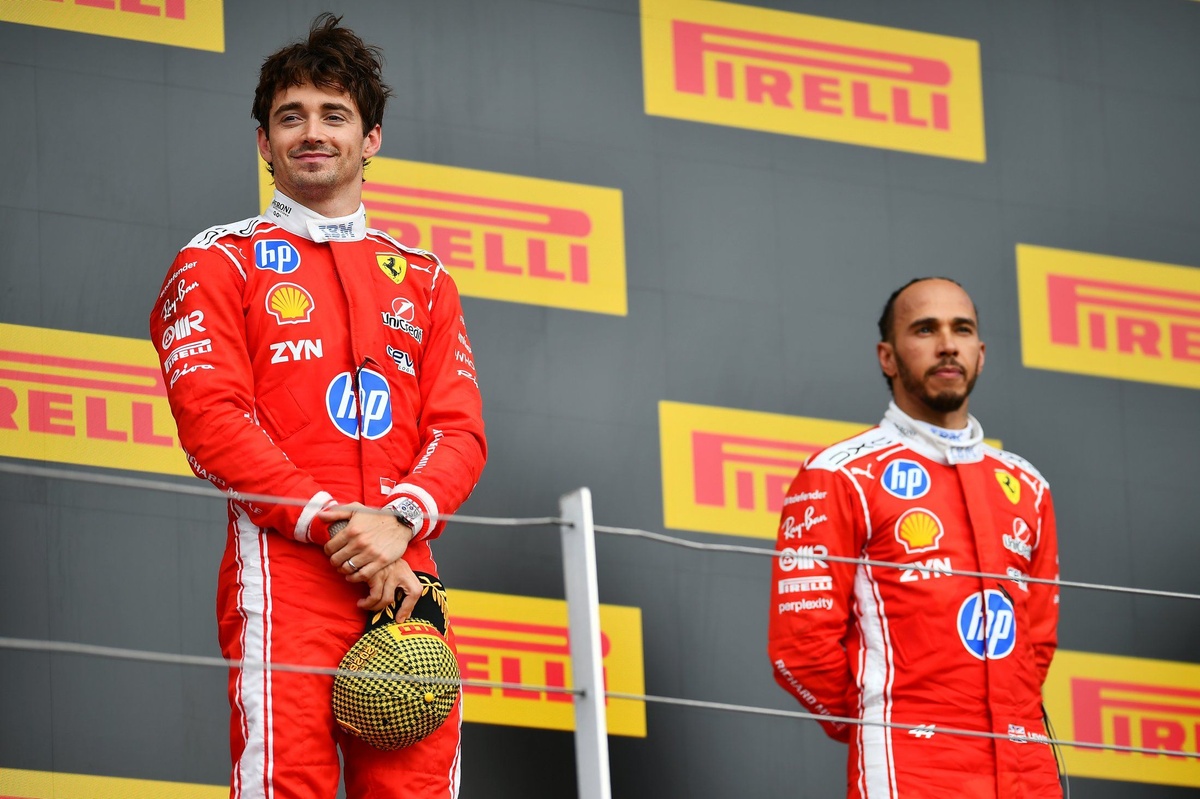
Ferrari Team Principal Fred Vasseur moved decisively to quash speculation that the Scuderia’s divergent tire strategies for Charles Leclerc and Lewis Hamilton at the Spanish Grand Prix were a tactical maneuver to prevent on-track friction between the pair. The scrutiny followed a tense run of races: in Zandvoort, Hamilton pleaded for team orders to pass Leclerc, and at Monza, the duo collided on the opening lap, derailing Hamilton’s afternoon. Against that backdrop, the decision to start Hamilton on soft compounds and Leclerc on hards in Barcelona invited immediate questions about whether Ferrari was engineering separation.
Comparisons to Rivals Underscore Standard Practice
Addressing reporters after Sunday’s race, Vasseur pointed to the grid at large to contextualize the call. “Have a look. [Lando] Norris, [Oscar] Piastri did the same. [George] Russell, [Kimi] Antonelli did the same. [Max] Verstappen, [Liam] Lawson did the same,” he said. “I don’t think they [McLaren] were scared to have a crash between Norris and Piastri.” The comparison framed the split strategy as a routine response to marginal qualifying positions—Hamilton fourth, Leclerc fifth—rather than a relationship-management tool.
Divergent Race Outcomes Highlight Strategic Gamble
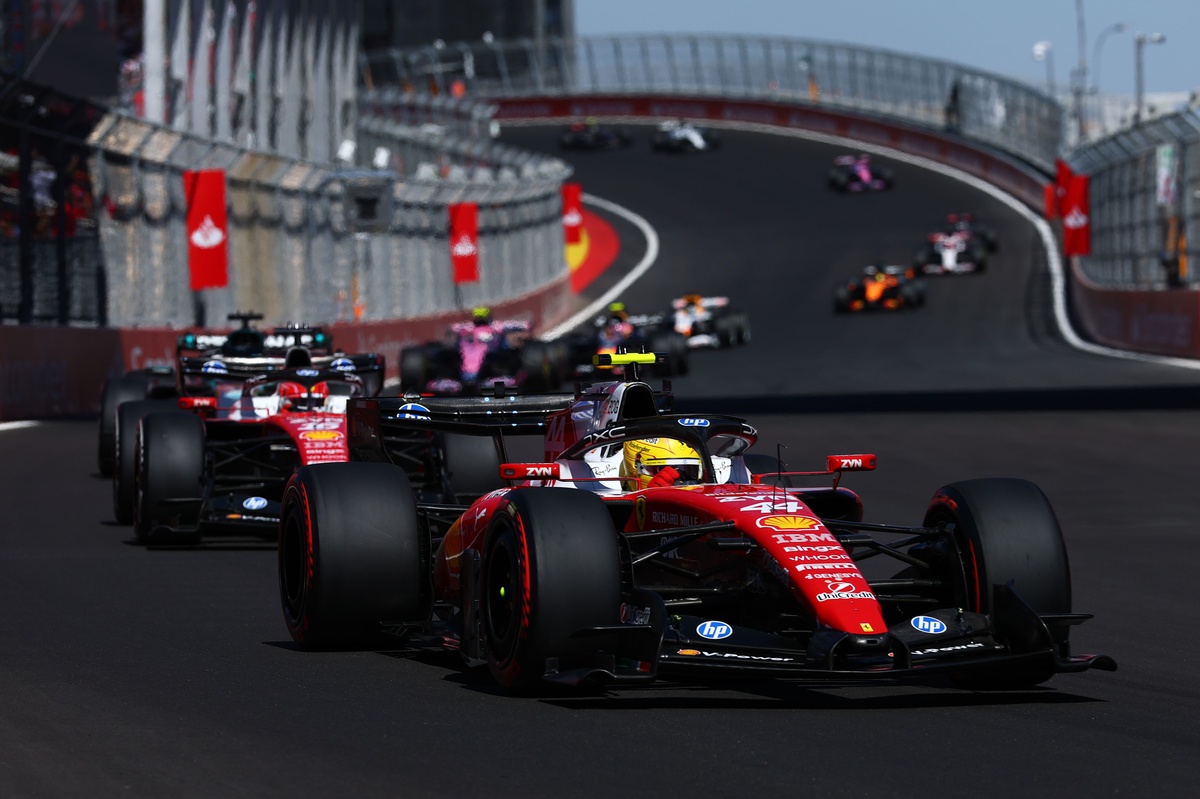
The race itself rendered the strategic debate largely academic. Hamilton’s afternoon ended prematurely when a braking issue prevented him from exploiting the soft tire’s early-life advantage, forcing retirement after only a handful of laps. Leclerc, meanwhile, committed to a long first stint on the hard compound, banking on a late safety car that would allow a cheap pit stop for fresh rubber. That caution period never arrived, leaving the Monegasque to finish outside the points.
Leclerc Stands by Hard-Tire Call Despite Result
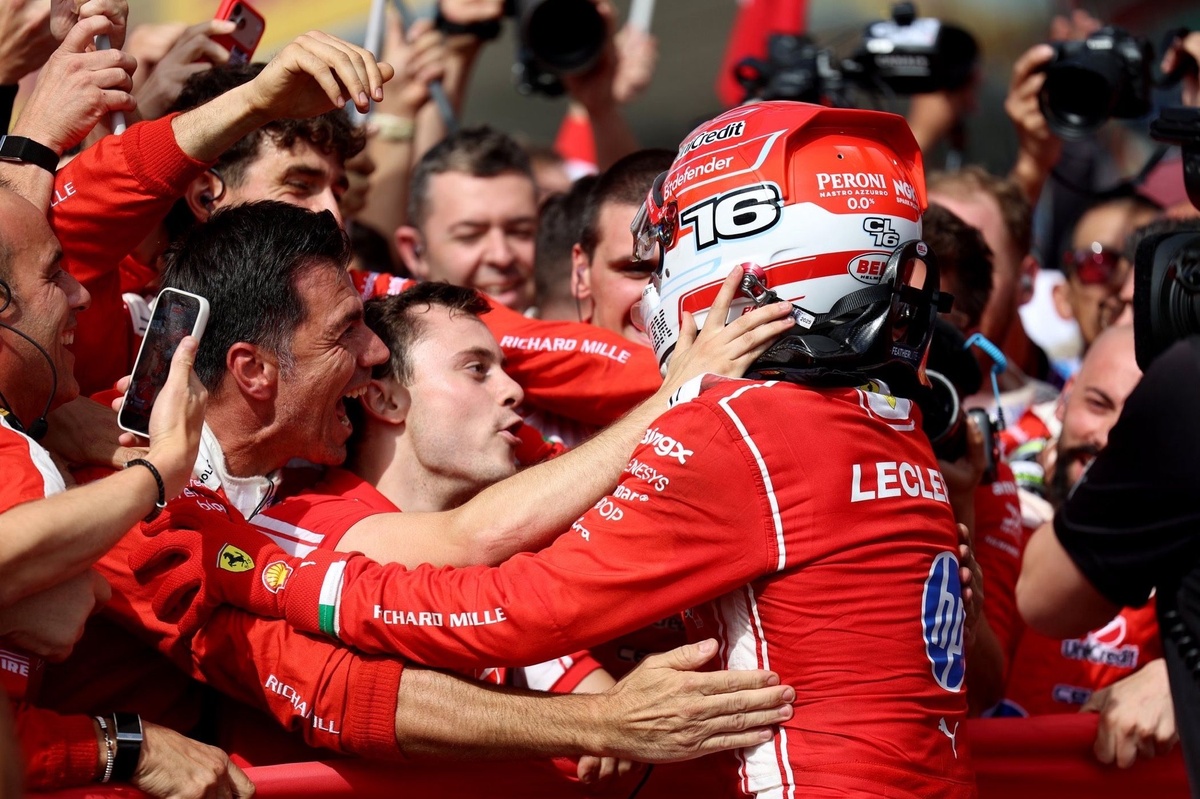
Leclerc offered a robust defense of the approach post-race, emphasizing the lack of overtaking opportunities at the Madring circuit. “We could have done many different things, but I think the best thing for us today was what we did. If I had to do the race again I would do exactly the same thing. Because starting on the soft at the beginning wouldn’t have given me the opportunity to do anything special,” he explained. “I would have ended up in the same strategy as the guys in front of me and wouldn’t have been very helpful, considering there were no overtakes. So, the hard soft was the right strategy and waiting for the safety car at the end was also the right thing to do. But, unfortunately, it never came.”
Why This Matters
The episode underscores the intense external pressure on Ferrari’s driver lineup, where every tactical decision is parsed for signs of internal discord. While Vasseur’s data-driven rebuttal—highlighting identical splits at McLaren, Mercedes, and Red Bull—is factually sound, the team’s zero-point weekend in Spain amplifies scrutiny of its strategy group. With the Constructors’ Championship battle tightening, Ferrari cannot afford weekends where both cars finish empty-handed, regardless of the strategic rationale. The next round will test whether the Leclerc-Hamilton dynamic stabilizes or continues to overshadow the Scuderia’s technical performance.
Frequently Asked Questions
Did Ferrari split strategies to keep Leclerc and Hamilton apart?
No. Team Principal Fred Vasseur explicitly denied this, noting that McLaren, Mercedes, and Red Bull all employed the same soft/hard split for their driver pairings in Spain, indicating it was a circuit-specific tactical choice rather than a relationship-management measure.
Why did Hamilton retire from the Spanish Grand Prix?
Lewis Hamilton suffered a braking issue early in the race that prevented him from extracting performance from his soft-compound tires, leading to his retirement after only a few laps.
What was Leclerc’s strategy and why did it not work?
Charles Leclerc started on hard tires aiming for a long first stint, hoping a late safety car would allow a cheap stop for softs. The safety car did not deploy, leaving him on a one-stop strategy that yielded no points at a circuit where overtaking was extremely difficult.