Key Highlights
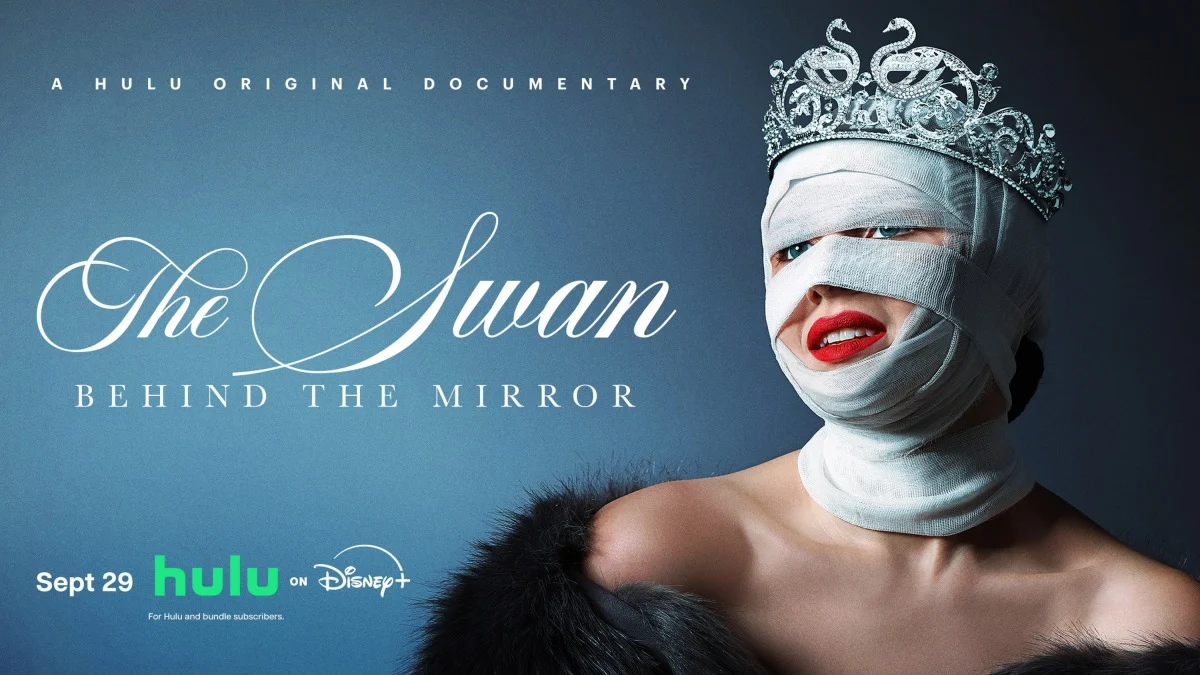
- The Swan: Behind the Mirror revisits Fox’s 2004 reality competition and its controversial makeover premise.
- Former contestants and producers describe undisclosed pageant rules, pressure over cosmetic procedures and limited medical aftercare.
- Erin Lee Carr’s Hulu documentary also examines alleged emotional manipulation, nude photography and a reported medical emergency.
What The Swan: Behind the Mirror Reveals About Fox’s Reality Experiment
Now streaming on Hulu, The Swan: Behind the Mirror examines Fox’s 2004 reality television series The Swan, which offered participants a 90-day transformation involving dieting, exercise, therapy, dental work and free plastic surgery. Documentarian Erin Lee Carr revisits the show through interviews with 12 former contestants, along with producers, personal trainers and plastic surgeon Dr. Randal Haworth.
Carr, known for documentaries including Thought Crimes: The Case of the Cannibal Cop, Mommy Dead & Dearest, I Love You, Now Die: The Commonwealth V. Michelle Carter, Britney v. Spears and Fanatical: The Catfishing of Tegan and Sara, uses the film to explore the intersection of reality-TV production, celebrity culture and participant exploitation.
Creator and executive producer Nely Galán originally presented The Swan as a makeover program for women seeking a dramatic change in their appearance and circumstances. Participants, known as “swans,” were promised personal trainers, therapy, dental surgery and cosmetic procedures. They were not, however, told before signing up that the season would end with a beauty pageant.
Contestants Say the Pageant Was Kept Secret
The pageant concept came from Fox executive Mike Darnell. Senior producer Carl Buehl recalled that Darnell described the program as a show where “We’re going to take ugly chicks and make them hot.” Galán adopted the idea after the Season 1 participants had already joined the production.
Cindy, a Season 1 contestant, recalled being told, “You ladies are going to get to be in a pageant,” describing the announcement as being “dropped [like] a bomb on us.” Kelly A said, “The Swan promised us therapy, plastic surgery,” adding, “It did not promise us a pageant.” Kristy similarly said, “None of that was mentioned before. Yeah, we did sign up to be filmed. Yes, we did sign up to share our stories. We didn’t sign up for a pageant.”
The contestants learned more about the competition only after undergoing surgery. They were paired with another swan for the final reveal, but only one woman from each pair would advance to the pageant. The other contestant would be eliminated and sent home, turning the relationships developed during recovery into a competition.
Beth said, “These women were the ones who were supporting you after you had surgery. They were emotionally the ones available that were there for you. And then all of a sudden, it’s my competition?” Kristy described the setup more bluntly: “I don’t know what fresh hell you live in where you think it’s okay to bring these women into program under the guise that you’re giving them the gift of a lifetime, and then immediately pit them against the very women that they bonded with this whole time to go to your backwoods beauty pageant. They didn’t look at us and see us. They saw dollar signs.”
Despite the anger and distress described in the documentary, The Swan: Behind the Mirror also focuses on the solidarity that grew among the contestants. The former swans ultimately formed a supportive community that remains connected, captured by the film’s defiant refrain: “Flock around and find out, bitch!”
Pressure Over Surgery and Recovery
According to the former contestants, the pageant was not the only major condition they learned about after joining the show. Tawnya recalled declining facial procedures during consultations and hearing another contestant say, “I didn’t know you could say no.” The implication, she said, was that refusing a procedure could result in being sent home.
Archival footage shows Dr. Randal Haworth and Dr. Terry Dubrow pressing contestants to accept particular operations, including tummy tucks. Producer Jenna Baker described the participants’ control over their treatment as extremely limited: “I’d say women had maybe 1% say over what procedures they had.”
The contestants recovered in isolation during the 90-day production period, with limited medical aftercare and little contact with friends and family. They were also pushed to return to the gym while still healing from surgery. Haworth commented on those workouts, “I can’t control stupidity or stubborness,” a statement presented in the documentary as part of the show’s broader disregard for the contestants’ recovery.
Dr. Randal Haworth’s Comments Draw Scrutiny
Haworth is one of the documentary’s most controversial interview subjects. Discussing his role in selecting potential contestants, he told Carr, “They wanted to know who would make good TV — not in terms of their backstory. I’m just looking at their face. And my goal was as a plumber, can I perform early hyperaesthetic surgery on these people?”
Carr challenged the comparison by pointing out that “plumber” was a “weird” analogy because “you’re literally talking about toilets and women.” Haworth replied, “That was unintended.” He also acknowledged that he was looking for “drama” in the transformations.
Haworth said, “[Getting a dog was] the only good thing that came out of my second marriage” because the experience taught him empathy. He later added, “[My dog] taught me a lot about humans and how to be more empathetic.” When asked about former contestants who felt harmed by the show, Haworth offered the stark assessment, “There are no victims in life, there are only volunteers.”
The documentary contrasts that statement with the contestants’ accounts that the program had not fully disclosed its pageant structure or the extent of the physical and emotional demands involved.
How Producers Pursued Emotional Reactions
The Swan: Behind the Mirror also examines the methods used to provoke emotional scenes. Baker said the production’s “money shot” was “getting a swan to cry.” For Dore, a military veteran, the effort allegedly involved exploiting her grief and vulnerability after surgery.
While Dore was looking at photographs of her newborn nephew, a cameraman asked, “So how does it feel that everybody else can have kids, and you can’t have any?” Dore left for the bathroom to get away from the cameras and later said, “It was despicable.”
Baker reflected on the production’s treatment of the contestants by saying, “These women were treated like a storyline, not like people,” while Dore summarized the danger she believed she faced with the statement, “I almost died for reality television.”
Season 2 contestant Kari also recalled a medical emergency during surgery. Sitting with her sister, Gina, Kari said a nurse later told her that pain in her ribs suggested she had received chest compressions, potentially indicating that her heart had stopped on the operating table. Kari said she still did not know exactly what happened.
Questions Over Nude Photos Taken During Season 2
The documentary further investigates nude photographs taken of Season 2 participants at Haworth’s office. Amy said she and other contestants were taken to a garage, where they were photographed nude against a white backdrop. Several women described the experience as uncomfortable.
Kari recalled that The Swan cameras were not present but said she understood the choice to be coercive: “if you don’t do this, you go home.” Haworth confirmed that the photo session took place and told Carr, “Thank you for reminding me.”
Haworth said, “I was working with Dah Len, who’s a top photographer. He worked with Madonna. And we asked the girls if they would want to do before and after [shots]…for a big coffee table book that never saw the light of day.” He maintained that the women had consented to the photographs.
Amy disputed that account, while Kari questioned the explanation of a “super artsy” book. Haworth said, “I still have those pictures,” and characterized the session by saying, “It was an art project.”
Why This Matters
The Swan: Behind the Mirror arrives amid broader scrutiny of reality television’s treatment of participants. The documentary shows how makeover formats can combine physical transformation, restricted communication, competitive reveals and producer-driven emotional pressure. It also places renewed attention on informed consent when contestants are asked to undergo surgery, film vulnerable moments or participate in nude photography.
The film’s central tension is between the makeover promised to participants and the production demands revealed through their accounts. While the contestants describe lasting harm and manipulation, Carr’s documentary also emphasizes the enduring bond among the women who experienced the show together. Additional discussion of the documentary is scheduled for the Oct. 2 episode of Say More, featuring Erin Lee Carr.
Frequently Asked Questions
Where can viewers watch The Swan: Behind the Mirror?
The Swan: Behind the Mirror is streaming on Hulu.
What was The Swan about?
Fox’s The Swan was a 2004 reality competition in which participants underwent a 90-day program involving dieting, exercise, therapy, dental work and cosmetic surgery. The contestants were later told about a pageant in which only some would advance.
What issues does the documentary investigate?
Erin Lee Carr’s documentary examines undisclosed competition rules, pressure surrounding cosmetic procedures, limited recovery support, emotional manipulation during filming, a reported medical emergency and the taking of nude photographs of Season 2 participants.