Key Highlights
- A viral TikTok video showing a woman eating a boxed pizza slice in a store before her EBT card was repeatedly declined has reignited debate over food assistance rules and whether consuming food before payment constitutes theft.
- The clip, originally posted by @gadzooks2025, garnered over 18,500 likes on TikTok and 4,900+ likes on X, with commenters split between accusing the woman of intentional fraud and questioning EBT eligibility for prepared foods.
- According to Propel, standard SNAP benefits generally prohibit purchasing hot, ready-to-eat items like heated pizza, though cold or uncooked foods such as chilled deli sandwiches and pre-packaged cold chicken are typically allowed.
Viral Video Sparks Heated Debate Over EBT Usage and Store Policies
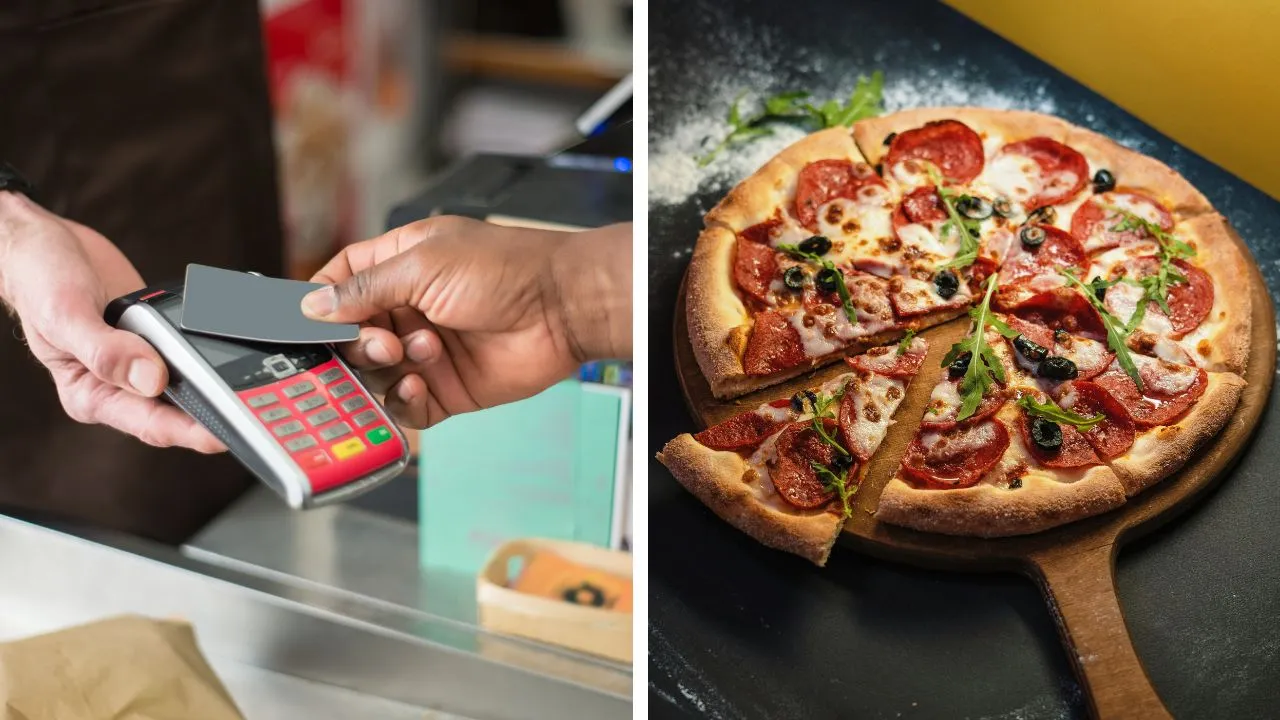
A resurfaced video circulating on TikTok and X has thrust the complexities of the Supplemental Nutrition Assistance Program (SNAP) into the spotlight, drawing millions of views and a polarized reaction regarding a woman who ate a boxed pizza slice in a store before her Electronic Benefits Transfer (EBT) card was declined at the register. The footage, originally shared by TikTok user @gadzooks2025, shows the customer taking repeated bites of the pizza while approaching the cash counter. She remarks that the pizza “tasted great” before presenting her EBT card for payment. After the card is declined multiple times—despite her asking the cashier for additional attempts—she takes a final bite and leaves the store without paying.
Social Media Reaction Divided on Intent and Policy
The video amassed over 18,500 likes on TikTok and was subsequently reposted on X, where it garnered more than 4,900 likes. The comment sections on both platforms became forums for intense debate. Several viewers accused the woman of bad faith, with one commenter asserting, “eating the food before paying is considered stealing by law.” Others claimed this was not the first time the individual had engaged in similar behavior. Conversely, a separate thread questioned whether EBT should cover cooked or prepared foods at all. A reply to that point highlighted a critical nuance: “some people actually can’t get their cooked food paid for as well, especially if they are homeless and don’t have access to a kitchen daily.” However, skeptics noted the woman’s appearance did not align with their perception of homelessness, dismissing that explanation.
Broader Implications for Retail and Food Access
The discourse extended beyond the specific incident to broader retail trends. An X user identifying as a Manhattan resident offered a firsthand observation on shifting store policies. He stated that even high-end restaurants in his area now require upfront payment for entire meals before dining—a practice he noted was uncommon just a few years ago. He explained the shift by saying, “not all — but the trend is noticeably growing.” This anecdote underscores a growing tension between retailers loss-prevention measures and customer experience, potentially accelerated by viral incidents like this one.
What SNAP Benefits Actually Cover
Central to the confusion is the distinction between eligible and ineligible items under federal SNAP guidelines. According to Propel, a financial technology company serving EBT users, standard benefits generally do not cover hot, ready-to-eat, or cooked foods. This restriction excludes items such as rotisserie chickens, hot pizza, hot soup, and hot coffee purchased from a deli or counter, as well as most restaurant-prepared meals. Eligible purchases are typically limited to cold or uncooked items intended for home preparation, including chilled deli sandwiches, cold pasta salads, and pre-packaged cold chicken—provided they are not heated at the point of sale. The temperature of the pizza slice in the viral video could not be determined, leaving the specific eligibility of that item unresolved.
Why This Matters
The viral incident highlights the persistent public confusion surrounding SNAP eligibility rules, particularly the federal prohibition on using benefits for “hot foods” or foods meant for immediate consumption. This restriction, rooted in the Food and Nutrition Act of 2008, aims to limit benefits to groceries for home preparation, though states can request waivers for specific populations (such as the homeless, elderly, or disabled) through the Restaurant Meals Program. The debate also reflects rising retail theft concerns—often termed “shrink”—which have prompted major chains to implement receipt checks, locked cases, and pre-payment requirements. As inflation strains household budgets, incidents like this fuel political and cultural narratives about welfare fraud, even as advocates stress that the vast majority of SNAP recipients follow the rules and that administrative errors or benefit lapses often explain declined transactions. The Daily Dot was unable to independently verify the woman’s identity, the store location, or the recording date, meaning the full context remains unknown.
Frequently Asked Questions
- Can you buy hot pizza with an EBT card?
- Generally, no. Standard SNAP benefits prohibit purchasing hot, prepared foods intended for immediate consumption, including heated pizza from a deli or counter. Only cold or uncooked items meant for home preparation are typically eligible.
- Is eating food in a store before paying considered theft?
- Legally, consuming merchandise before payment can be classified as shoplifting or theft in many jurisdictions, as ownership does not transfer until the transaction is complete. Store policies vary, but most retailers consider it a violation.
- Why are some restaurants and stores now requiring upfront payment?
- Businesses cite rising incidents of “dine-and-dash” and retail theft as primary drivers. The Manhattan commenter noted this trend is “noticeably growing” even in high-end establishments, reflecting a broader shift in loss-prevention strategies.