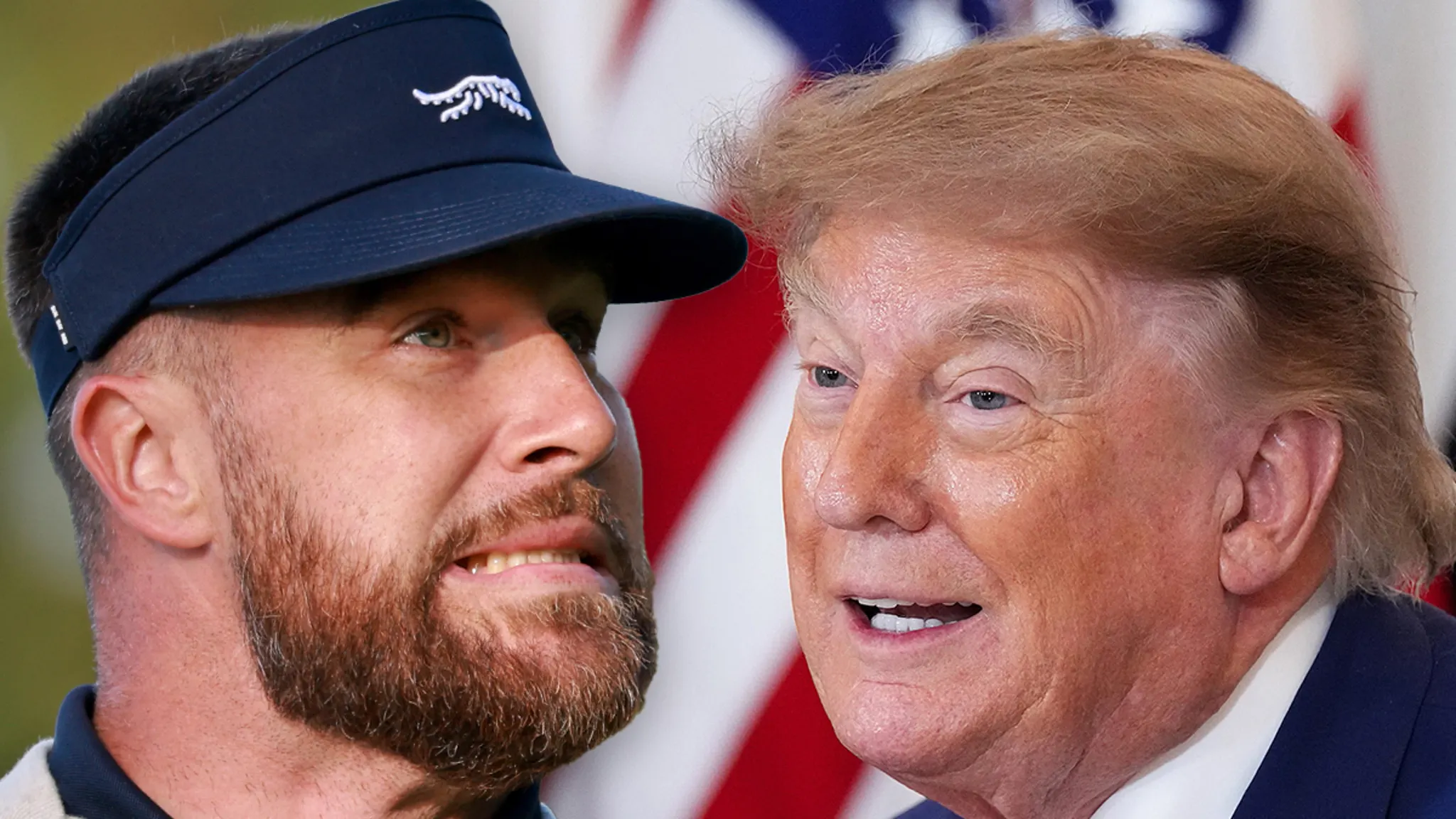
Key Highlights
- The White House responded to news of Travis Kelce’s involvement in a $35 million Ponzi scheme with a humorous social media post.
- Officials jokingly offered the Kansas City Chiefs tight end a position following reports he was defrauded by the scheme’s accused operator.
- The interaction highlights the intersection of sports celebrity, financial fraud, and government communication on social platforms.
White House Engages Kelce Fraud News With Humor
The White House appeared to lean into internet culture this week, issuing a lighthearted response to revelations that Kansas City Chiefs star Travis Kelce had fallen victim to a massive Ponzi scheme. According to reports, the official White House account on X, formerly Twitter, shared a post referencing the news that Kelce had been “hoodwinked” by the fraudster accused of orchestrating a $35 million scheme. Rather than issuing a standard consumer warning, the administration opted for levity, jokingly extending a job offer to the three-time Super Bowl champion.
Social Media Strategy Blends Pop Culture and Governance
The move underscores a broader shift in how government entities communicate on social media, where meme-ready responses to celebrity news often generate higher engagement than formal statements. By reacting to Kelce’s predicament—a high-profile athlete reportedly ensnared in a significant financial fraud—the White House inserted itself into a trending sports and business narrative. The post did not detail the specifics of the alleged scheme or the identity of the accused operator, focusing instead on the cultural moment surrounding the tight end’s off-field headlines.
Kelce’s Off-Field Challenges Draw National Attention
Travis Kelce, widely regarded as one of the greatest tight ends in NFL history, has seen his public profile surge beyond football due to his relationship with Taylor Swift and numerous endorsement deals. The revelation that he was targeted in a multi-million dollar Ponzi scheme adds a layer of financial vulnerability to his public persona. While the White House’s jest offered a moment of levity, the underlying allegations point to a serious enforcement action against an individual accused of stealing tens of millions of dollars from investors, including high-net-worth individuals like Kelce.
Why This Matters
This episode illustrates how quickly financial crimes involving celebrities become fodder for political social media teams. It also serves as a reminder that even sophisticated, high-earning individuals are susceptible to complex investment fraud. The Securities and Exchange Commission and federal prosecutors typically pursue Ponzi scheme operators aggressively, and the involvement of a household name like Kelce may accelerate public awareness of the case’s developments. For the White House, the interaction represents a low-stakes opportunity to appear culturally fluent, though it does not substitute for regulatory action against financial fraud.
Frequently Asked Questions
- Was Travis Kelce directly named in the White House post?
- Yes, the White House shared an X post specifically referencing the news that Kelce had been “hoodwinked” by the accused fraudster.
- What is the alleged value of the Ponzi scheme?
- The fraudster is accused of stealing $35 million, according to the source material.
- Did the White House offer Kelce a real job?
- No, the job offer was described as a joke made in the context of a humorous social media response.