Key Highlights
- 2016 Formula 1 World Champion Nico Rosberg has proposed closing the pitlane or drastically reducing the pitlane speed limit during Virtual Safety Car (VSC) periods to eliminate the unfair advantage gained by drivers who pit under VSC conditions.
- The suggestion comes after the inaugural Spanish Grand Prix at the Madring circuit, where McLaren’s Lando Norris lost a likely victory after an ill-timed VSC deployed for Lance Stroll’s stranded Aston Martin allowed rivals to make cheaper pit stops.
- Norris, who started from pole and built a lead over Mercedes’ Kimi Antonelli, had just passed the pit entry when the VSC was called, forcing him to stay out while Antonelli and Red Bull’s Max Verstappen pitted under neutralized conditions, ultimately finishing third behind race winner Antonelli and Verstappen.
Rosberg Highlights Fundamental Flaw in VSC Pit Stop Delta
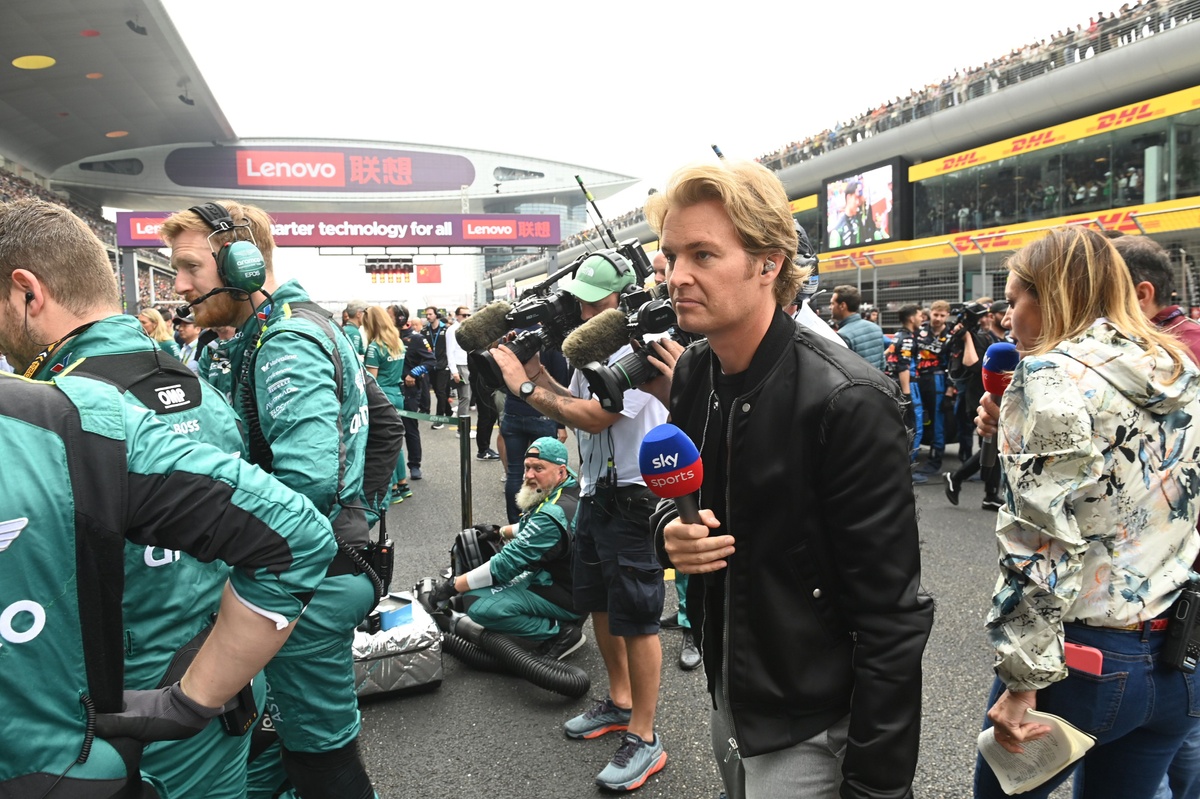
Speaking on Sky Sports’ The F1 Show, 2016 Formula 1 World Champion Nico Rosberg dissected the strategic inequity exposed during the first-ever Spanish Grand Prix held at the Madring circuit. The race saw McLaren driver Lando Norris dominate the early stages from pole position, building a comfortable margin over Mercedes rookie Kimi Antonelli. However, the complexion of the Grand Prix shifted irrevocably when a Virtual Safety Car was deployed to retrieve Lance Stroll’s Aston Martin. Because Norris had just crossed the pit entry threshold, he was denied the opportunity to pit under the reduced time-loss delta that the VSC affords, while his primary rivals—including eventual race winner Antonelli and Red Bull Racing’s Max Verstappen—dived into the pits and emerged ahead.
Former Champion Advocates for Structural Rule Changes
Rosberg acknowledged the inherent lottery of neutralizations but argued the sport must explore regulatory fixes to preserve sporting fairness. “No, it’s just really unlucky,” Rosberg explained. “That’s the way it is. And it swings and roundabouts with the VSC and safety car deployments. You’re always going to have good luck or bad luck. It’s always horrible when that happens because he deserved to win, and it sucks that he lost it just because of a VSC.” He emphasized that while the VSC was introduced to avoid the spectacle-killing procession of a full Safety Car—“The problem is we hate seeing cars going round and round behind a safety car. It’s the most boring thing in the world of motorsport. And that’s why the VSC has been brought in so that we can reduce speed out there for minor dangers.”—the current rules create a perverse incentive where pitting under VSC yields a massive time gain relative to green-flag racing.
Two Concrete Proposals to Neutralize the Pit Stop Advantage
The German outlined two specific mechanisms to equalize the time loss of a pit stop regardless of track status. “Either the pitlane stays closed during a VSC, which then doesn’t give anybody the opportunity to take advantage during it or even why not something like: during a VSC, the pitlane speed limit gets reduced massively because it’s all about the time lost during a pitstop.” Rosberg explained the physics of the disparity: “The problem is during a VSC, the pitstop time lost is so much less because everybody on track is driving so slowly, so by going in the pits you lose a lot less race time, and that is the big problem, why then it becomes unfair.” His second proposal targets that delta directly: “But if you somehow find a way to make the pitstop time lost during a VSC as much time lost as when there’s no VSC, so you need to somehow slow people down who are going for the pitstop, that could be an idea. So then it’s all fair and equal for everybody.”
Why This Matters
The debate touches on a long-standing tension in Formula 1 between safety protocol integrity and competitive equity. The VSC was implemented precisely to minimize race neutralization time for minor incidents, yet its very efficiency—slowing cars on track without bunching the field—creates a “free” pit stop window that can overturn a driver’s legitimate on-track performance. The Madring race serves as a high-profile case study: Norris lost a near-certain win not through error or pace deficit, but through the geometric misfortune of track position relative to the pit entry at the moment of VSC deployment. As F1 evaluates its sporting regulations for future seasons, Rosberg’s proposals—closing the pitlane or mandating a drastically lower pitlane speed limit during VSC—represent practical, enforceable levers the FIA could pull to align the time cost of a pit stop with green-flag conditions, thereby removing the “lottery” element without reverting to full Safety Car deployments that degrade the spectacle.
Frequently Asked Questions
Why did Lando Norris lose the lead at the Spanish Grand Prix?
A Virtual Safety Car was deployed to recover Lance Stroll’s Aston Martin just after Norris had passed the pit entry. This allowed rivals Kimi Antonelli and Max Verstappen to pit under VSC conditions—losing significantly less time relative to the field—while Norris was forced to stay out, dropping him to third by the finish.
What specific rule changes did Nico Rosberg propose?
Rosberg suggested two options: either keep the pitlane closed for the duration of a VSC, or drastically reduce the pitlane speed limit during a VSC so that the time lost during a pit stop equals the time lost under green-flag racing, neutralizing the unfair advantage.
Was this the first Spanish Grand Prix at the Madring circuit?
Yes, the race referenced was the inaugural Spanish Grand Prix held at the Madring circuit.