Key Highlights
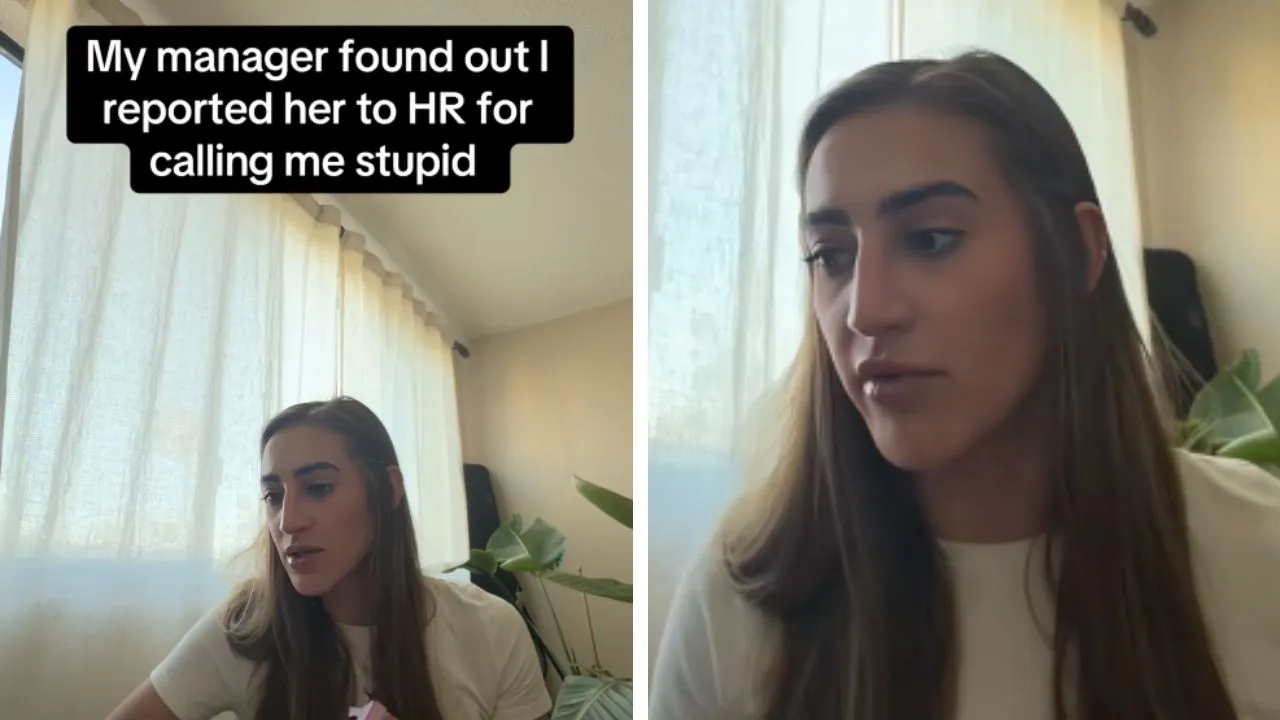
- A TikTok video by @productivitywork shows a manager named Janice threatening to fire an employee after discovering she reported her to HR for calling her “stupid” in front of colleagues.
- The employee argues the termination would constitute illegal retaliation for filing an HR complaint, while the manager claims the report proves the behavior that prompted the initial criticism.
- Legal experts and the EEOC clarify that not all workplace rudeness meets the legal standard for harassment, and employers can still discipline employees for legitimate, non-discriminatory reasons.
TikTok Video Captures Manager’s Threat to Fire Employee After HR Complaint
A viral TikTok video posted by user @productivitywork has ignited widespread discussion about workplace dynamics, the role of human resources, and the legal boundaries of retaliation. The video, which has amassed over 157,500 likes, features an on-screen overlay stating, “My manager found out I reported her to HR for calling me stupid.” In the footage, a manager identified as Janice confronts the employee, who is recording the interaction, after learning she filed a formal harassment complaint with HR.
The Confrontation: From Name-Calling to Termination Threat
According to the video, the incident originated when Janice allegedly called the employee “stupid” in front of colleagues during a meeting. The employee states she submitted a transcript of that meeting to HR because she “felt bad being called ‘stupid’ in front of her colleagues.” Upon discovering the report, Janice argues the employee should have addressed the issue directly rather than escalating it to HR. She asserts that by choosing to report the incident, the employee is “proving that she is still behaving in the same way that was the reason for the initial criticism.” The confrontation escalates rapidly, culminating in Janice informing the employee that she would be fired.
Employee Cites Retaliation Protections and Legal Recourse
The employee pushes back forcefully, arguing that terminating her employment would amount to illegal retaliation for filing an HR complaint. She asserts her right to submit valid complaints and informs the manager that the dismissal itself will also be reported to HR. Additionally, she indicates that if the manager proceeds, she can seek advice from an employment attorney. The video has prompted a flood of comments offering strategies such as documenting all conversations, contacting an attorney, recording future interactions with the manager, and sharing those recordings with HR. However, some commenters maintain the employee should have attempted to resolve the matter directly with the manager before escalating the dispute.
Why This Matters: The Legal Nuance Behind Workplace Retaliation and Harassment
The viral nature of the video underscores a critical gap between public perception and employment law. The U.S. Equal Employment Opportunity Commission (EEOC) clarifies that federal anti-retaliation protections generally apply when an employee engages in “protected activity” under federal equal employment opportunity laws. This includes reporting or opposing discrimination or harassment covered by those statutes, or participating in an investigation, even against the employer’s wishes.
However, the EEOC emphasizes that filing an HR complaint does not grant blanket immunity from termination. Employers retain the right to discipline or dismiss employees for legitimate, non-discriminatory reasons such as poor performance or misconduct. Whether an adverse action constitutes unlawful retaliation depends on whether the action is causally linked to the protected activity. Furthermore, the EEOC notes that not all rude or inappropriate workplace behavior meets the legal threshold for harassment. Under federal anti-discrimination laws, harassment typically must be based on a protected characteristic or protected activity and satisfy specific legal standards; isolated, non-serious incidents generally do not violate federal harassment law.
Frequently Asked Questions
Does reporting a manager to HR legally protect an employee from being fired?
No. Filing an HR complaint triggers anti-retaliation protections only if the complaint involves “protected activity” under federal EEO laws (such as opposing discrimination or harassment based on a protected characteristic). Employers can still terminate employees for valid, non-discriminatory reasons unrelated to the complaint, such as documented performance issues or misconduct.
Is calling an employee “stupid” considered illegal harassment under federal law?
Not necessarily. The EEOC states that harassment must be based on a protected characteristic (like race, sex, religion, etc.) or protected activity, and be severe or pervasive enough to create a hostile work environment. Isolated incidents of rudeness or name-calling, while unprofessional, generally do not meet this federal legal standard.
What should an employee do if they believe they are facing retaliation after an HR complaint?
Document all interactions meticulously, preserve any relevant communications, and consult an employment attorney to evaluate the specific facts. The employee in the video indicated she would report the threatened termination to HR and seek legal counsel, which aligns with standard guidance for preserving legal claims.