Key Highlights
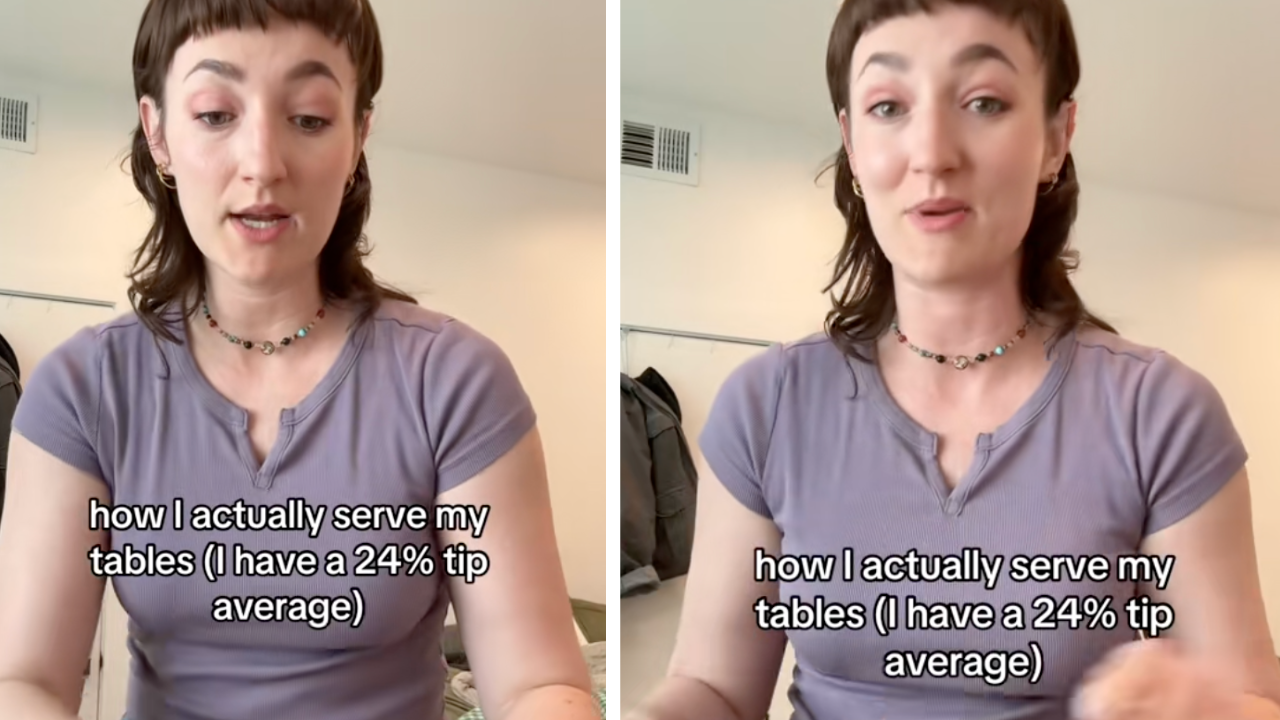
- TikTok creator Sawyer (@soy.err) shared her customer service approach as a server in a video that garnered 5.8 million views, emphasizing attentiveness and making guests feel comfortable.
- Sawyer claims to average a 24% tip rate by focusing on simple gestures like proactive refills and reassuring customers that requests such as splitting checks are “literally fine.”
- The video sparked widespread discussion among service industry workers, with many commenters confirming that genuine hospitality and friendliness correlate with higher gratuities.
TikTok Server’s Viral Breakdown of Her 24% Tip Strategy
TikTok creator Sawyer, known by her handle @soy.err, has ignited a conversation about the economics of hospitality after posting a video detailing the specific service habits she believes drive her reported 24% average tip rate. The clip, which has accumulated 5.8 million views and over 1,200 comments as of publication, moves beyond generic advice to demonstrate exact phrasing and behavioral cues she uses during a shift. Rather than focusing on upselling or speed, Sawyer’s methodology centers on emotional intelligence—checking in on guests’ well-being, anticipating needs like beverage refills, and explicitly removing the guilt often associated with making special requests.
The “Literally Fine” Philosophy: Removing Friction for Guests
A central pillar of Sawyer’s approach is normalizing requests that servers often find cumbersome, most notably splitting the bill. In a skit reenacting a table interaction, she demonstrates her response to a group asking to divide the check. “You guys can split the bill. Honey, I’m at my job. Yeah, of course. It’s literally fine,” she says in the video. This scripted reassurance targets a common pain point: diners frequently apologize for splitting checks, anticipating annoyance from staff. By meeting that request with warmth and a dismissal of inconvenience, Sawyer signals that the guest’s comfort supersedes the server’s momentary administrative burden. She applies this same energy to routine tasks, playfully mimicking a proactive refill check: “Diet Coke refill? Yes,” Sawyer says in the video.
Industry Professionals Validate the “Genuine Care” Model
The comment section of the viral post effectively functioned as a peer-reviewed case study for Sawyer’s thesis. Numerous current and former servers weighed in to corroborate the link between authentic hospitality and income. “Being a waitress is actually really fun when you like making people have a good time and genuinely want people to have a good time,” one user wrote. Another commenter offered specific linguistic tools they deploy to cultivate a relaxed atmosphere: “My top line is ‘it’s your world and I’m just living in it’ and they go crazy. Also when I bring the check I say ‘and this is complimentary with every meal’ with a wink,” they wrote. A third contributor, identifying as a high earner in the field, stated bluntly: “As someone who regularly had a 20 to 30% tip rate this is literally it. People wanna feel special, like you really care… I was literally just kind and friendly.”
Why This Matters: The Economics of Emotional Labor in Hospitality
The discourse surrounding Sawyer’s video highlights a persistent tension in the restaurant industry between transactional service models and relational hospitality. While tipping culture in the United States remains a subject of legislative and ethical debate, front-line workers operate within its current reality daily. Sawyer’s content—and the community response it generated—serves as anecdotal evidence that emotional labor, often dismissed as “soft skills,” has a direct, measurable impact on a server’s take-home pay. It also underscores a shift in how service professionals are leveraging social media platforms like TikTok to codify and share tacit knowledge that was traditionally passed down only through on-the-job mentorship. For restaurant owners and managers, the viral engagement suggests that training programs emphasizing empathy, scripting for difficult requests, and server autonomy to “make it right” may yield better financial outcomes for staff—and by extension, better retention—than scripts focused solely on upselling appetizers.
Frequently Asked Questions
Has The Daily Dot verified Sawyer’s claimed 24% average tip rate?
No. The Daily Dot explicitly stated they were unable to independently verify Sawyer’s reported 24% average tip rate. The figure is based solely on her personal account of her experience working as a server and the approach she describes in the video.
What specific techniques does Sawyer recommend for increasing tips?
Sawyer emphasizes three core behaviors: proactively checking on guests (e.g., offering refills before being asked), using language that reassures customers their requests are not a burden (specifically regarding splitting checks), and maintaining a demeanor that makes diners feel genuinely cared for and comfortable throughout the meal.
Do other service workers agree with her assessment?
Yes, the video’s comment section featured significant consensus from other industry professionals. Multiple commenters reported achieving similar 20–30% tip averages by employing comparable strategies focused on kindness, attentiveness, and making guests feel valued rather than processed.