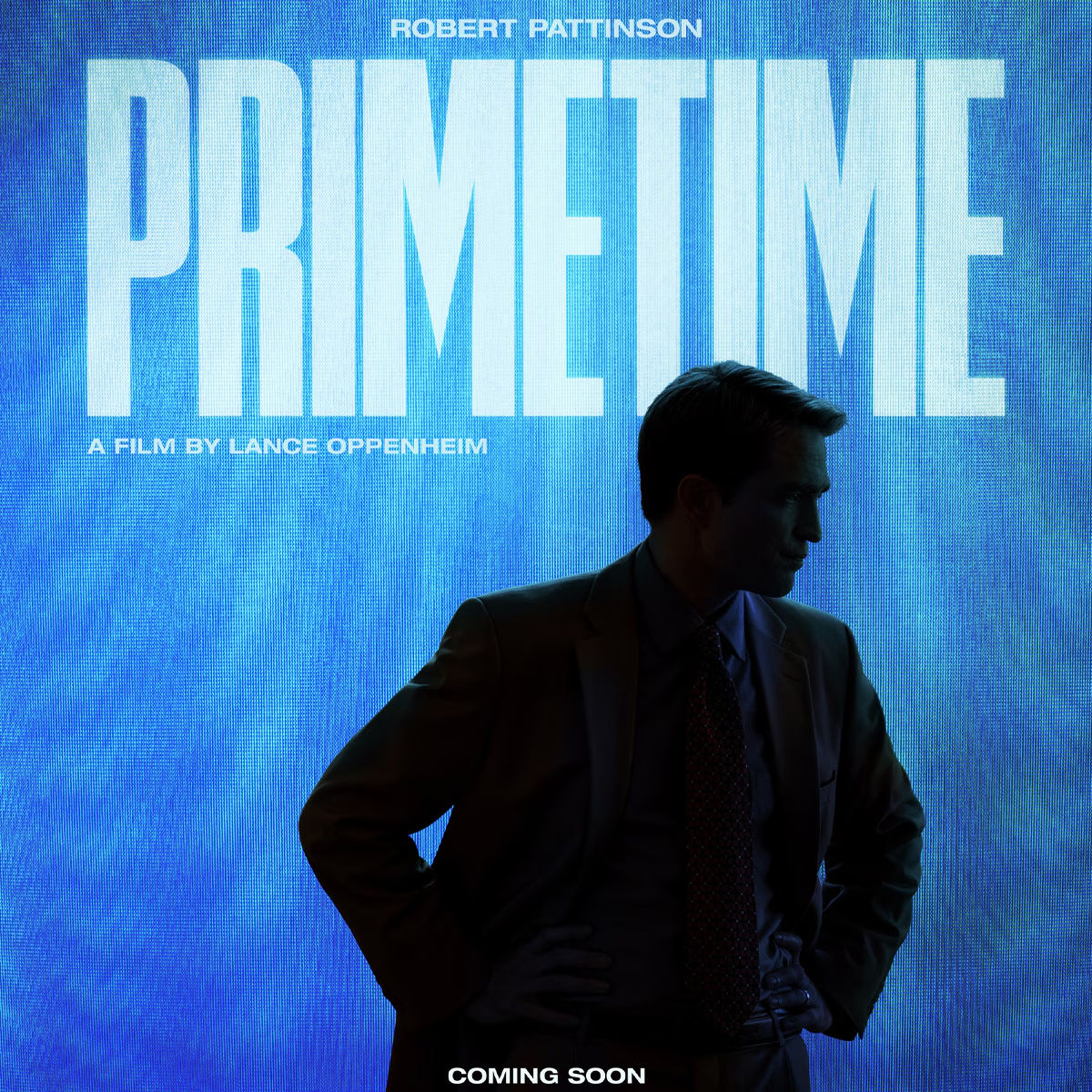
Tag: Chris Hansen

  • Robert Pattinson’s ‘you see how this looks, right’ Primetime Quote: What It Really Means

    Robert Pattinson’s ‘you see how this looks, right’ Primetime Quote: What It Really Means

    Key Highlights

    • Robert Pattinson portrays Chris Hansen in the A24 film Primetime, now in U.S. theaters, with early trailers going viral for his delivery of Hansen’s iconic line: “You see how this looks, right?”
    • Pattinson, considered an outside Oscar contender, tells LADbible he found it fascinating how the serious Dateline segment To Catch a Predator became an internet meme, and anticipated the trailer’s own viral second life.
    • The film holds an 87% Rotten Tomatoes score; Variety praises “extraordinary performances” that make the “uncompromisingly grimy” movie unignorable. U.K. release is set for 31 October.

    Pattinson’s Chris Hansen Portrayal Ignites Viral Buzz Ahead of Primetime Release

    A24’s Primetime has arrived in U.S. cinemas, propelled by a wave of online attention that began months before opening weekend. The catalyst was Robert Pattinson’s uncanny embodiment of Chris Hansen, the former host of NBC’s Dateline: To Catch a Predator. Early trailers spread rapidly across social platforms, zeroing in on Pattinson’s delivery of Hansen’s signature confrontation line: “You see how this looks, right?” The clip turned the actor into an instant meme and placed him in the early conversation as a dark-horse contender for the Academy Award for Best Actor.

    The Irony of a Serious Sting Operation Becoming Internet Comedy

    In an exclusive interview with LADbible, Pattinson dissected the strange trajectory that took a hard-hitting investigative news segment and transformed it into lasting meme fodder. He explained that the script’s central tension—the gap between the show’s grave purpose and its eventual ironic afterlife—was what drew him to the role. “I think that’s one of the things I found interesting about the characters and the story, it’s one of those weird internet things, why has he been co-opted? When you look at the chronology of how people were receiving the show… it was a segment on the news, that’s what it was,” Pattinson said. He described the speed of the shift as jarring: “To be so popular immediately was so strange, but then it was co-opted so quickly by people doing parodies and people normalising it and it being something which people were imitating just immediately.”

    The actor dug deeper into the “alchemy” that made audiences read a predator sting as entertainment. “You’re like ‘Why? What was it about the alchemy of the different elements that made it first of all something where people interpreted the news as sort of like… funny? Because it wasn’t supposed to be funny,” he observed. Pattinson acknowledged the difficulty of predicting internet culture but admitted he sensed the trailer might follow the same path: “But then it had this second life as this internet thing, which in some ways was ironic, it’s so difficult to understand why anything happens on the internet but I kinda thought there was a possibility that that might happen.”

    Chris Hansen Embraces the Meme Legacy

    The subject of the portrayal has publicly welcomed his unexpected digital fame. Chris Hansen has addressed the phenomenon repeatedly, most notably during a 2019 appearance on the H3 podcast. He framed the meme status as a generational bridge: “It’s amazing to me because a whole generation of people who were kids or not even born when we started doing To Catch a Predator now know me through YouTube clips and memes.” Hansen argued that resistance is futile in modern media: “I think it’s great. You have to embrace it—if you take yourself too seriously in this business, you’re done.” He traced his own acceptance to the shift from rigid network formats to audience-driven clips: “At first, back at NBC, everything had to be very rigid news broadcast format. But when I saw the online reaction, I realized people loved the catchphrases and the dramatic moments. So why fight it?”

    Critical Reception and Release Schedule

    Early critical consensus suggests the film transcends its viral marketing hook. Primetime holds an 87% rating on Rotten Tomatoes at the time of publication. Variety highlighted the ensemble’s work as the anchor that prevents the film’s bleak aesthetic from alienating viewers: “This uncompromisingly grimy approach would be actively repellent were it not for the extraordinary performances, which make Primetime a thing you cannot stop watching even as the desire to flee to the nearest shower cubicle grows.” The film is currently playing in U.S. theaters and expands to U.K. cinemas on 31 October.

    Why This Matters

    Primetime arrives at a cultural moment where true-crime media, internet irony, and prestige cinema increasingly overlap. The film uses the To Catch a Predator legacy—once a staple of appointment-viewing broadcast journalism, later a staple of YouTube compilation culture—as a lens to examine how digital platforms strip context from serious events and repurpose them as content. Pattinson’s casting signals A24’s continued strategy of pairing bankable stars with challenging, director-driven material. For awards watchers, his “outside contender” status will be tested by the crowded Best Actor field and the Academy’s historical reluctance to reward horror-adjacent or deeply uncomfortable performances. The U.K. release on 31 October positions the film for Halloween-season horror audiences while keeping it eligible for the 2025 awards cycle.

    Frequently Asked Questions

    When and where can I watch Primetime?
    The film is currently in wide release in U.S. cinemas. It opens in U.K. cinemas on 31 October. No streaming date has been announced.
    Is Robert Pattinson actually a front-runner for the Best Actor Oscar?
    Industry outlets currently categorize him as an “outside contender” or dark-horse candidate. The race remains highly competitive and will depend on precursor awards and guild nominations in early 2025.
    How did Chris Hansen react to the film and the memes?
    Hansen has publicly embraced the meme phenomenon, stating on the H3 podcast that it introduces his work to new generations and that fighting the internet’s affection for catchphrases is pointless.
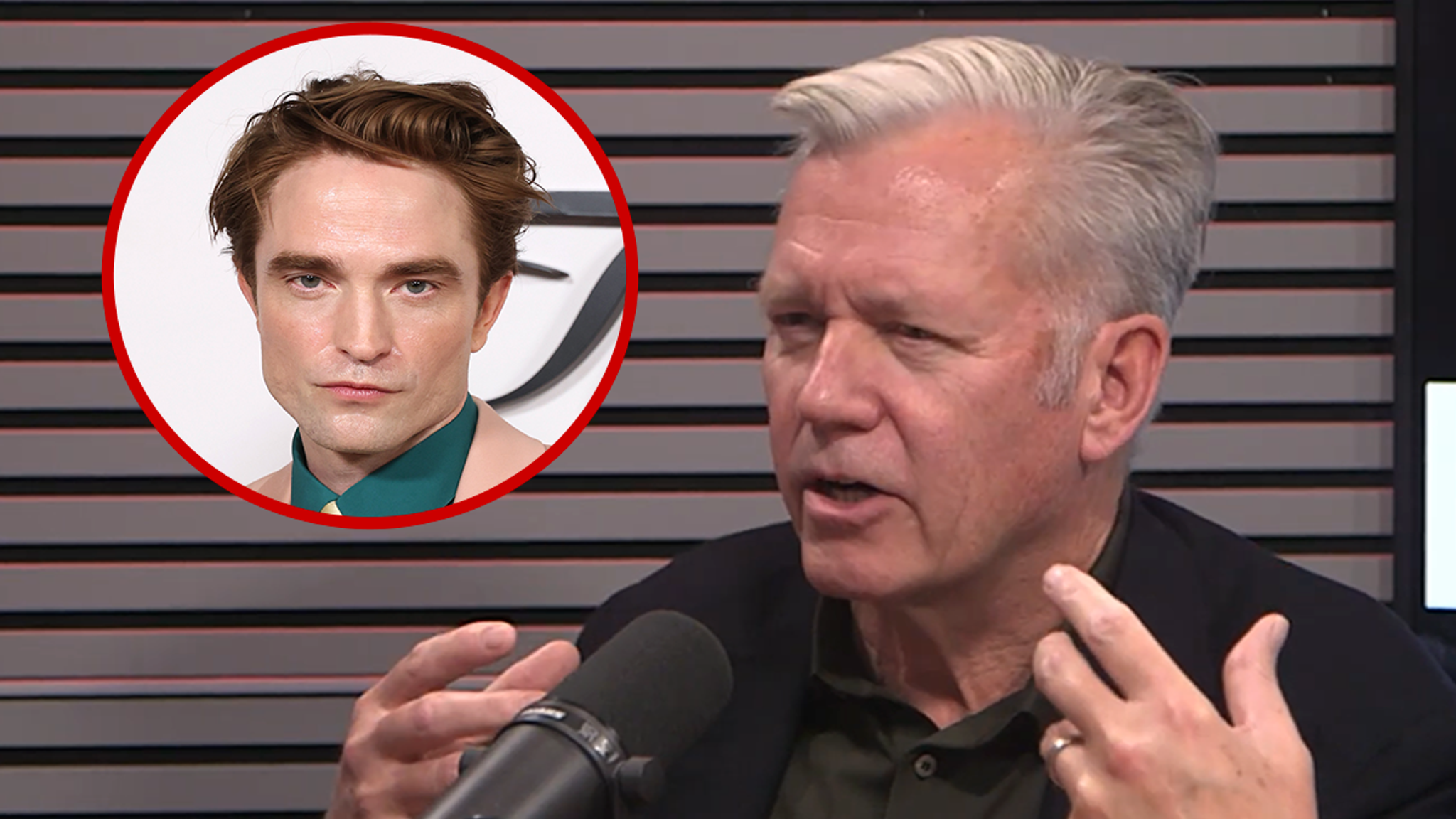
  • Chris Hansen Claims 98% of ‘Primetime’ Is Pure Fiction, Gives Robert Pattinson a D Rating

    Chris Hansen Claims 98% of ‘Primetime’ Is Pure Fiction, Gives Robert Pattinson a D Rating

    Key Highlights

    • Chris Hansen labeled the film “Primetime” as “over the top” during a special episode of his “Have a Seat” podcast.
    • Hansen described Robert Pattinson’s portrayal of him as “so detached, so unhinged, so dark, so unlikable.”
    • The commentary was delivered on Hansen’s own podcast platform, “Have a Seat,” where he watched and reacted to the project.

    Chris Hansen Delivers Blunt Assessment of “Primetime” Film

    Longtime television journalist and “To Catch a Predator” host Chris Hansen offered a unsparing review of the film “Primetime” during a dedicated segment of his podcast, “Have a Seat.” In the special episode, Hansen watched the production and provided real-time commentary, pulling no punches in his evaluation of the project as a whole. His verdict on the film itself was concise and cutting, dismissing it as over the top. The reaction underscores Hansen’s direct engagement with media portrayals of his career and persona, utilizing his own broadcast platform to address the depiction head-on.

    Scathing Critique of Robert Pattinson’s Portrayal

    The most pointed remarks were reserved for the performance of Robert Pattinson, who portrays a version of Hansen in the film. Hansen did not mince words in dissecting the actor’s interpretation, characterizing it through a string of damning adjectives. He stated the portrayal was so detached, so unhinged, so dark, so unlikable. The quartet of descriptors paints a picture of a performance that Hansen feels fundamentally misses the mark, veering into territory he finds unrecognizable and unappealing. The criticism carries weight given it comes from the subject of the portrayal himself, offering a rare first-person rebuttal to a dramatic representation.

    “Have a Seat” Podcast Serves as Venue for Rebuttal

    The choice of venue for this critique is notable. Hansen opted to air his views on “Have a Seat,” his own podcast brand, which shares its name with the iconic phrase from his “To Catch a Predator” investigations. By addressing the film on his own terms and in his own format, Hansen controls the narrative context, framing the viewing experience for his audience directly. The special episode format suggests a deliberate effort to tackle the subject comprehensively, positioning the podcast as a primary channel for Hansen’s media criticism and personal response to cultural depictions of his work.

    Why This Matters

    The exchange highlights the friction that can arise when real-life public figures are dramatized on screen, particularly when the figure remains active and vocal in the media landscape. Hansen’s visceral rejection of both the film’s tone and the lead performance signals a significant disconnect between the filmmakers’ artistic choices and the subject’s self-perception. For audiences and industry observers, the incident serves as a real-time case study in the ethics and accuracy of biographical or inspired-by storytelling, especially when the subject has a platform to immediately contest the narrative. The upcoming release or distribution of “Primetime” will now carry the baggage of its central figure’s public repudiation.

    Frequently Asked Questions

    What film did Chris Hansen criticize?
    Chris Hansen criticized the film titled “Primetime.”
    What were Chris Hansen’s exact words about Robert Pattinson’s performance?
    Hansen described Robert Pattinson’s version of him as so detached, so unhinged, so dark, so unlikable.
    Where did Chris Hansen make these comments?
    He made the comments during a special episode of his podcast, “Have a Seat,” while watching the film.
  • Robert Pattinson Hopes for Chris Hansen’s Take on His ‘Primetime’ Portrayal

    Robert Pattinson Hopes for Chris Hansen’s Take on His ‘Primetime’ Portrayal

    Key Highlights

    • Robert Pattinson responds to Chris Hansen’s “hit piece” criticism of A24’s Primetime, expressing hope the To Catch a Predator host will understand the film’s nuanced portrayal after viewing it.
    • Pattinson reveals he drew performance inspiration from the active To Catch a Predator Reddit community rather than consulting Hansen directly, emphasizing the film explores cultural perception over biographical accuracy.
    • Early critical acclaim positions Pattinson for awards contention, with The A.V. Club calling it a “career best” and The Telegraph awarding a perfect five stars, comparing the film to Nightcrawler.

    Pattinson Addresses Hansen’s Criticism Amid Awards Buzz

    Robert Pattinson has broken his silence on Chris Hansen’s scathing pre-release critique of Primetime, the A24 film in which Pattinson portrays the longtime To Catch a Predator host. Hansen, who has not yet seen the completed movie, labeled it a hit piece in a recent interview, claiming a non-disclosure agreement from A24 would have required him to sign his rights away to attend a screening. Studio sources countered that the document was a boiler-plate NDA to avoid spoiling the film. Speaking exclusively to LADbible, Pattinson acknowledged he was kept pretty out the loop regarding Hansen’s public comments but offered a measured defense of the project’s intent.

    Performance Rooted in Cultural Perception, Not Biography

    Pattinson clarified that Primetime does not function as a conventional biopic seeking to dramatize the psychology of a real person. Instead, the actor explained the film operates on a meta-level, examining the public perception of the series and its host. If you look at it, [Primetime is] a very particular tone, Pattinson said. I think when you watch the movie it’s not like you’re watching a guy, a human, you’re trying to do a portrait and you’re heightening some elements, and so hopefully when he watches it, if he watches it, he understands that. The actor reiterated his hope that Hansen would ultimately appreciate the film, adding, I hope when he sees it he’s going to like it.

    Navigating Meme Status and Cultural Relevance

    Pattinson offered a sympathetic reading of Hansen’s complicated relationship with his own legacy. I think he’s someone who’s managed to ride… for doing something where you’re a reporter and I don’t think he’s ever had any intention of becoming the meme figure and to be able to navigate that is complicated in and of itself, and I think he’s done that with grace, Pattinson observed. He noted Hansen’s enduring cultural footprint two decades after the original show’s debut, suggesting the host understands that the different amalgamations of your persona is an organic thing that keeps evolving. Rather than consulting Hansen directly, Pattinson immersed himself in the To Catch a Predator subreddit, which he described as still very active, using the community’s discourse to shape his understanding of how the show and its host are perceived today.

    Co-Star and Critics Signal a Nuanced, Provocative Film

    Skyler Gisondo, who co-stars as Decoy Dan, reinforced the film’s refusal to moralize. I don’t think Lance [Oppenheim, the director] is the kind of filmmaker where he’s telling you what to think in this heavy handed way, Gisondo said. I think it’s just this show happens to be a really interesting inflection point in some way on our culture and a really interesting time capsule to look back at 20 years ago and what the show was doing then. Early reviews validate this approach. The A.V. Club hailed Pattinson’s turn as a career best, while The Telegraph awarded a rare five-star review, writing: Inspired by a 2007 magazine article about the series’ grisly conclusion the previous year, it is the best and nastiest film of its type since 2014’s Nightcrawler: it leaves its audience simultaneously appalled and thrilled, and thereby grubbily complicit. Merrit Weaver’s supporting performance has also drawn significant praise.

    Why This Matters

    Primetime arrives at a cultural moment where the ethics of reality television, predator-sting journalism, and internet vigilantism are under renewed scrutiny. By casting a major movie star as Chris Hansen and filtering the story through the lens of online fandom rather than the subject’s own testimony, director Lance Oppenheim positions the film as a critique of media spectacle itself. The dispute between Hansen and the filmmakers highlights the tension between public figures and the secondary narratives that calcify around them in the digital age. With a limited U.S. release on September 25 and a U.K. debut on October 31, the film’s awards-season trajectory—fueled by Pattinson’s transformative performance and Oppenheim’s rising auteur profile—will test whether audiences and academy voters embrace a project that refuses to settle for easy villainy or vindication.

    Frequently Asked Questions

    Has Chris Hansen seen Primetime?
    No. As of the latest reports, Hansen has not viewed the film. He declined a screening invitation citing an NDA he characterized as requiring him to sign his rights away, though A24 sources describe it as a standard confidentiality agreement to prevent spoilers.
    Is Primetime a biopic of Chris Hansen?
    According to Robert Pattinson, the film is not a traditional biopic. It focuses on the cultural perception of To Catch a Predator and its host rather than a psychological portrait of Hansen as a private individual.
    When and where can audiences watch Primetime?
    The film opens in the United States on September 25 and in the United Kingdom on October 31, distributed by A24.
  • Robert Pattinson Makes Chris Hansen a Scary Clown in Primetime Review

    Robert Pattinson Makes Chris Hansen a Scary Clown in Primetime Review

    Key Highlights

    • A24’s Primetime reimagines Chris Hansen of To Catch a Predator fame as a fame-obsessed antihero, with Robert Pattinson delivering a chilling, accent-perfect performance directed by Lance Oppenheimer.
    • The film dramatizes the 2007 Esquire exposé “Tonight on Dateline This Man Will Die” and the fatal Murphy, Texas sting, featuring a standout ensemble including Merritt Wever, Skyler Gisondo, and Phoebe Bridgers in her acting debut.
    • Despite electrifying performances and a haunting first two acts, the review argues the finale retreats into restrained cynicism and disconnected supernatural imagery, ending with a whimper instead of the daring conclusion the material demands.

    A Fever Dream of Ambition: Primetime Dissects the Making of a Media Monster

    Lance Oppenheimer, the filmmaker soon to collaborate with Nathan Fielder on the Elizabeth Holmes documentary You Can See Everything, turns his lens on the rise and rot of reality television justice in Primetime. The A24 drama, now in theaters, is based on the 2007 Esquire article “Tonight on Dateline This Man Will Die” and plunges viewers into the heyday of To Catch a Predator, the Dateline special report that graduated to a primetime sensation. At its center sits Chris Hansen, once revered for his practiced poise in confronting alleged pedophiles before hidden cameras. As attorney-turned-foe Two-Face said in The Dark Knight, “You either die a hero or live long enough to see yourself become the villain.” Primetime posits that Hansen’s villain era has arrived, painting him not as a guardian of justice but as a “fame-hungry monster” willing to sacrifice ethics, relationships, and human lives for ratings dominance over rival Stone Phillips.

    Pattinson’s Haunting Metamorphosis Anchors the Horror

    Robert Pattinson’s portrayal is the film’s gravitational force. Shedding his signature daffy swagger and English accent entirely, he adopts a stern American anchor tone “eerily in line with the real Hansen’s.” The transformation is clinical and terrifying; when he tells a fretful stranger, “take a seat,” the line triggers a “chilling thrill of recognition” for anyone who witnessed the original broadcasts. The review draws a direct line to Jake Gyllenhaal in Nightcrawler and Christian Bale in American Psycho, noting Pattinson taps the dark side of the American Dream but with a distinct, heightened “anchorman intensity”—a “funhouse mirror version, or a TEMU Halloween mask of Hansen.” In one outrageous moment illustrating the total consumption of self by persona, Chris answers his personal cell phone in character, saying intensely, “This is Chris Hansen.” His wife on the other end is flustered “in a way that suggests this is not a one-off. She’s lost her husband to his show, and she knows it.”

    An Ensemble of Complicity and Collateral Damage

    Surrounding Pattinson is a “terrifically talented cast” elevating material that occasionally veers into archetype. Three-time Emmy winner Merritt Wever plays producer Andie Bender, injecting “surliness and flushes of doubt” into a role that could have been a tedious moral compass; she is simultaneously the voice of reason and an enabler, creating an “electrifying” battle of wills with Pattinson. Matthew Maher revels as the self-righteous internet researcher Xavier Von Erck, while Phoebe Bridgers makes a compelling, gruff acting debut as decoy Del, projecting the “armor demanded by this decoy role” rather than vulnerability. Skyler Gisondo emerges as the film’s “thumping heart” playing Dan Plumb, a thinly veiled version of real-life decoy Dan Schrack. Gisondo translates the “discomfort and terror of being bait” with boyish nervousness, and Oppenheimer wisely lingers on Dan’s perspective during an early sting, leaning into the discomfort rather than playing it solely for dark laughs.

    Why This Matters: The Reckoning of Reality TV’s Predatory Era

    Primetime arrives amid a critical reassessment of the “predator hunting” genre. Last year’s documentary Predators rigorously re-evaluated To Catch a Predator‘s practices and its inspiration of reckless imitators. Oppenheimer’s film dramatizes the specific inflection point where journalistic enterprise curdled into entertainment spectacle—the move to a demanding primetime slot that pressured the team to engineer ever-more-dramatic “catches,” culminating in the infamous Murphy, Texas operation. That real-life sting resulted in the suicide of a district attorney and the eventual cancellation of the series, a scandal the film recreates. By framing Hansen’s ambition through a horror-thriller lens, Primetime forces audiences to confront the complicity of a viewership that tuned in by the millions to watch “some perverted form of justice play out on TV as armed officers would tackle one suspect after another for our entertainment.” The film questions not just the hunter, but the ecosystem that fed him.

    Frequently Asked Questions

    Is Primetime a direct biopic of Chris Hansen?
    No. While based on the 2007 Esquire article “Tonight on Dateline This Man Will Die” and the real events surrounding the Murphy, Texas sting, the film is described as a heightened psychological thriller and horror movie about blind ambition. Pattinson’s performance is a “theatrical interpretation”—a “funhouse mirror version” of Hansen—rather than a strict mimicry. The real Chris Hansen has not seen the film and is reportedly displeased with the depiction.
    Who are the key supporting characters and who plays them?
    The ensemble includes Merritt Wever as producer Andie Bender, Matthew Maher as researcher Xavier Von Erck, Skyler Gisondo as decoy Dan Plumb (based on Dan Schrack), Phoebe Bridgers in her acting debut as decoy Del, Bill Heck as rival anchor Stone Phillips, and Anna Farris as Hansen’s wife.
    What is the main criticism of the film’s ending?
    The review argues the final act “loses its nerve.” Despite building intense dread through Pattinson’s performance, the depiction of the fatal Murphy, Texas climax feels “oddly restrained.” The film abruptly introduces “xenophobic supernatural iconography” and ghostly flair that feels disconnected from the grounded psychological horror preceding it, retreating to a “dully cynical” final scene instead of following the protagonist’s dark trajectory to a more damning, daring conclusion.