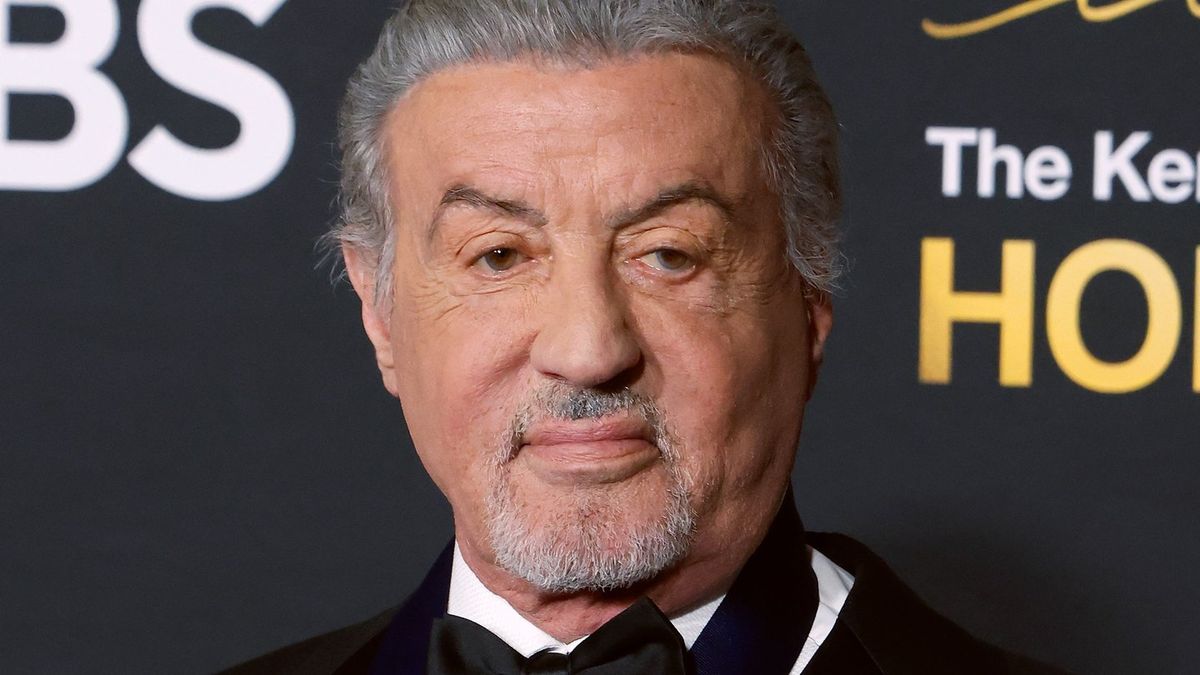
Key Highlights
- Sylvester Stallone reveals he struggled with bulimia and used steroids during his career.
- The “Rocky” star describes a tumultuous relationship with body image driven by fame’s pressures.
- His disclosure adds a rare male perspective to conversations about body dysmorphia in Hollywood.
Stallone’s Candid Revelation
Sylvester Stallone, the actor synonymous with the “Rocky” and “Rambo” franchises, is speaking openly about the hidden costs of maintaining an action-hero physique. In a recent interview, the 77-year-old star detailed a tumultuous relationship with his body image that included battles with bulimia and the use of performance-enhancing substances. The admission pulls back the curtain on the extreme physical demands placed on leading men in the action genre, where muscular definition is often treated as a non-negotiable job requirement.
The Toll of Action Hero Physiques
Stallone’s career has been defined by characters who embody peak physical conditioning, from the underdog boxer Rocky Balboa to the Vietnam veteran John Rambo. Sustaining that level of muscularity across decades requires a regimen that the actor now acknowledges took a severe toll on his mental and physical health. By naming bulimia and steroid use specifically, Stallone identifies two high-risk behaviors that are rarely discussed by male celebrities, despite their prevalence in an industry that rewards hyper-masculine aesthetics.
Breaking Silence on Male Body Image
The actor’s willingness to discuss an eating disorder traditionally associated with women marks a significant moment for male body-image advocacy. Experts have long noted that men face unique stigma when acknowledging disorders like bulimia, often leading to underdiagnosis and untreated suffering. Stallone’s platform transforms his personal struggle into a public health signal, potentially encouraging other men in high-pressure professions to seek help rather than suffer in silence.
Why This Matters
The entertainment industry has historically celebrated dramatic physical transformations for roles, often without addressing the long-term health consequences. Stallone’s disclosure arrives amid growing scrutiny of the “Marvel physique” pipeline and the normalization of performance-enhancing drugs in Hollywood. His status as an 80s and 90s icon gives weight to the conversation: if the archetype of cinematic masculinity admits the model was unsustainable and damaging, it challenges the current generation of stars—and the studios that employ them—to prioritize health over aesthetics. The revelation also underscores the need for union protections and on-set wellness protocols that address body-image pressures as an occupational hazard.
Frequently Asked Questions
- What specific health struggles did Sylvester Stallone disclose?
- Stallone revealed he struggled with bulimia and used steroids during his career, linking both to the pressures of maintaining his action-star physique.
- Why is Stallone’s admission significant for men’s health?
- Bulimia and body dysmorphia are frequently underreported in men due to stigma. A high-profile male action star discussing these issues publicly helps normalize help-seeking behavior and challenges gendered assumptions about eating disorders.
- Has Stallone connected these struggles to specific films or periods?
- The source indicates he detailed a tumultuous relationship with body image overall, but does not specify particular movies or timeframes.