Key Highlights
- Williams Racing has accepted a developmental compromise for the remainder of the 2026 Formula 1 season, having redirected the majority of its engineering resources toward the 2027 campaign.
- Team principal James Vowles confirmed two new chassis and aerodynamic upgrades will debut at the Azerbaijan Grand Prix to address car mass limits, but warned the updates will not be sufficient to consistently score points given the pace of rival development.
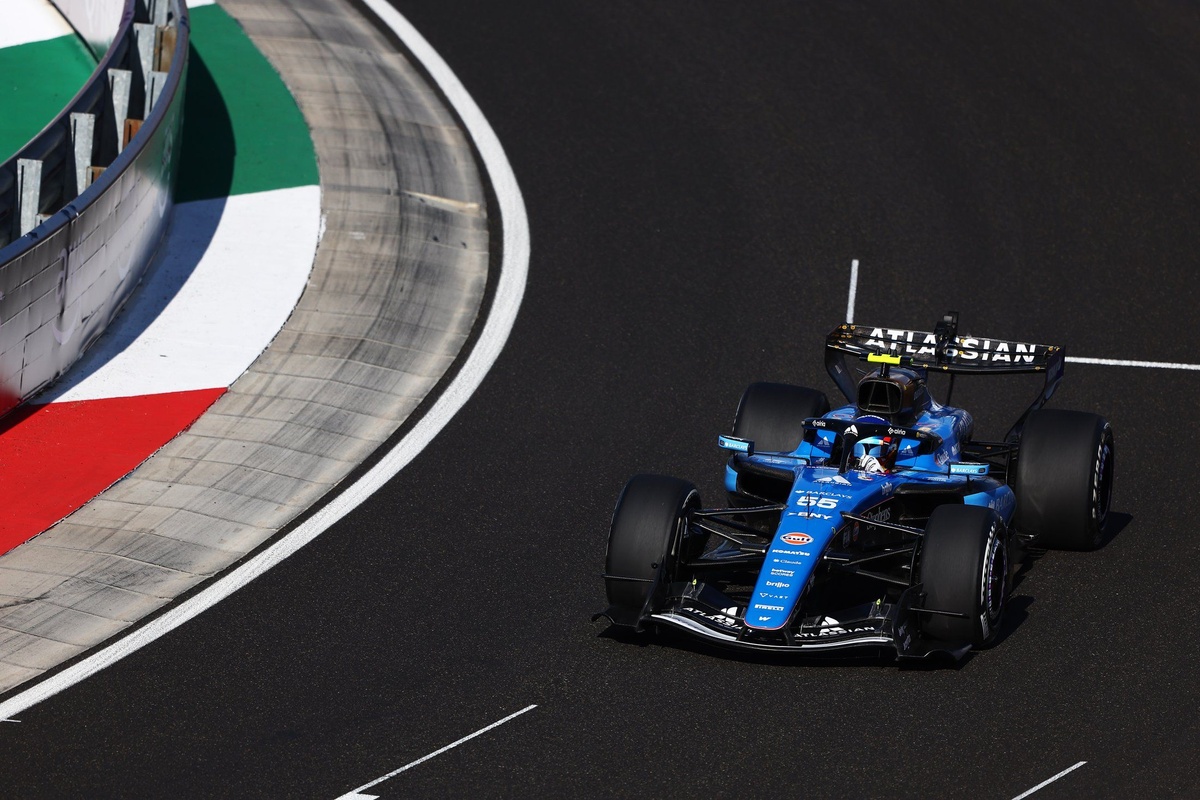
- A difficult Spanish Grand Prix at the new Madring circuit—where Alex Albon finished 15th and Carlos Sainz retired with floor damage—exposed the extent of Williams’ current performance deficit relative to the midfield.
Vowles Acknowledges Difficult Spanish Grand Prix Reality
Williams team principal James Vowles offered a candid assessment of the squad’s trajectory during his post-race “Vowles Verdict” debrief following a challenging Spanish Grand Prix at the brand-new Madring circuit. The weekend underscored the Grove outfit’s current struggles: Alex Albon and Carlos Sainz qualified 16th and 17th respectively, before Sainz incurred a three-place grid penalty for impeding, dropping him to 20th on the grid. Albon managed only 15th at the finish, while Sainz retired after 43 laps due to floor damage.
“For us, a difficult grand prix. We knew it was going to be difficult going into it,” Vowles explained. “It’s just exaggerating the issues we have at the moment, and we haven’t added performance to the car for far too long and have fallen back relative to teams around us.”
Baku Upgrades Offer Limited Relief
Looking ahead to the Azerbaijan Grand Prix, Vowles outlined a technical plan aimed at extracting immediate gains. “We have Baku coming up next, and it’s a race we’ve been looking forward to for a while. We’re going to be bringing two new chassis to that event in a bid to get our car mass below the limit. So that should be a strong step up in performance for us. And in addition to that, we’ll have some aerodynamic upgrades that go with it.”
However, the team principal tempered expectations regarding the impact of those updates. “There is a however. The field has moved on so significantly and these upgrades, whilst powerful, simply won’t be what we are looking for in order to consistently score points.”
Strategic Pivot Toward 2027 Season
The fundamental constraint, Vowles revealed, is a resource allocation decision made months ago. “We’ve invested a lot already into next year and beyond, and the resultant behind this is that we accept the compromise to this year, and it stems from what happened over the winter, and we weren’t able to recuperate to the level we wanted. So, a positive step forward but really we need more, and it will come into next year.”
This strategic pivot means Williams has effectively conceded the remainder of the 2026 championship, accepting a period of limited competitiveness to accelerate development for the 2027 regulation cycle.
Why This Matters
Williams’ situation illustrates the brutal resource allocation dilemma facing midfield teams under Formula 1’s cost cap and aerodynamic testing restrictions. With development bandwidth finite, teams must choose between fighting for points in the current season or investing early in the next regulatory cycle—a decision that can define competitiveness for years. For Williams, a historic constructor seeking to return to the front, the 2027 regulation changes represent a potential inflection point. The team’s willingness to endure a barren second half of 2026 signals high internal confidence in their 2027 concept, but also carries reputational and commercial risk if the projected gains fail to materialize. The Baku upgrades will serve as a litmus test for whether the new chassis can at least stabilize the car’s platform before the long pivot to next year.
Frequently Asked Questions
- Why is Williams bringing two new chassis to the Azerbaijan Grand Prix?
- Williams is introducing two new chassis in Baku to reduce the car’s mass below the regulatory minimum weight limit, which Vowles described as a “strong step up in performance” for the team.
- Will the Baku upgrades make Williams competitive enough to score points regularly?
- No. Vowles explicitly stated that while the upgrades are “powerful,” the development rate of rival teams means they “simply won’t be what we are looking for in order to consistently score points.”
- What caused Williams to accept a compromise for the rest of the 2026 season?
- The team shifted the majority of its engineering resources to the 2027 project during the winter, and Vowles acknowledged they “weren’t able to recuperate to the level we wanted” for the current campaign, forcing a strategic acceptance of reduced competitiveness in 2026.