Category: Sports

Sports news, viral moments, athletes, teams, and major competitions.

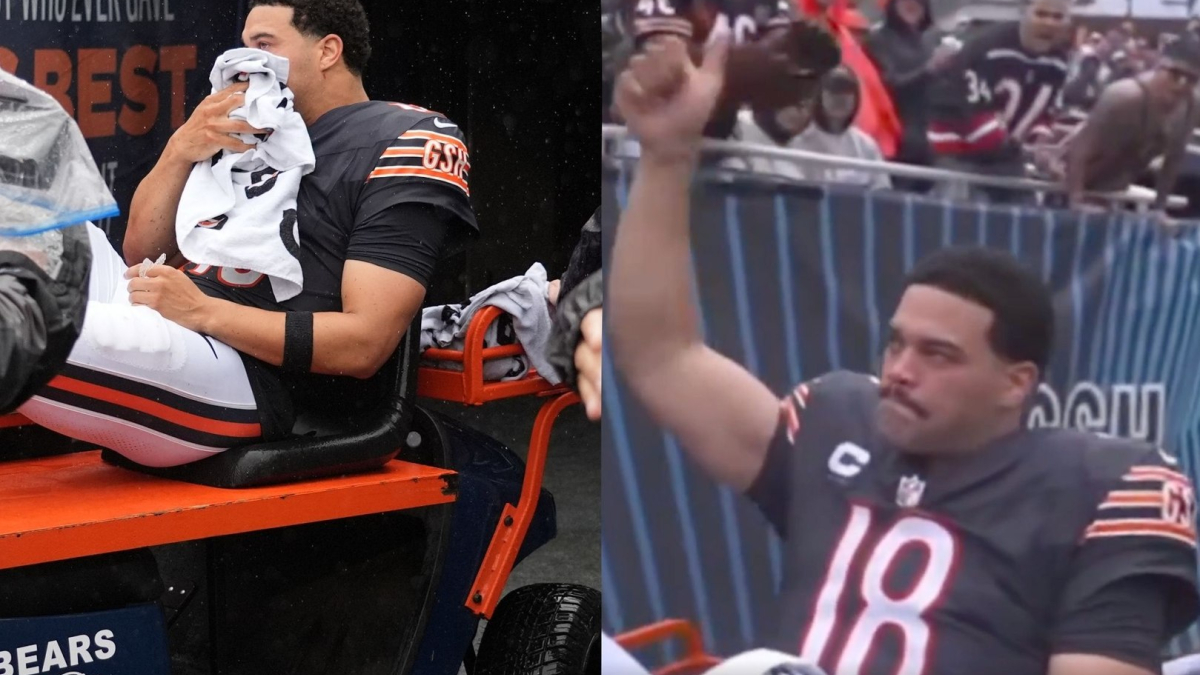
  • Caleb Williams Fights Back Tears After Being Carted Off Field With Hamstring Injury

    Caleb Williams Fights Back Tears After Being Carted Off Field With Hamstring Injury

    Key Highlights

    • Chicago Bears quarterback Caleb Williams suffered an apparent right leg injury late in the fourth quarter against the Minnesota Vikings and was carted off the field.
    • Williams was visibly emotional, covering his face with a towel before acknowledging the crowd with a raised hand, drawing an ovation from fans at the stadium.
    • The injury occurred on a first-and-goal scramble with the Bears trailing 6-3; Chicago ultimately lost the game 9-3.

    Williams Goes Down in Critical Moment

    The Chicago Bears’ 9-3 loss to the Minnesota Vikings took a sobering turn late in the fourth quarter when rookie quarterback Caleb Williams sustained an apparent right leg injury. With Chicago facing first-and-goal and trailing by three points, Williams scrambled toward the end zone before suddenly pulling up and grabbing his right leg. He was immediately attended to by medical staff, helped to the sideline, and ultimately transported to the locker room on a cart, raising immediate concerns about the severity of the injury and its implications for the franchise’s most important player.

    Raw Emotion and a Gesture of Resilience

    As the cart made its way off the field, television cameras captured a raw, unguarded moment. Williams covered his face with a towel, tears visible as he processed the sudden shift in fortune. Yet, aware of the thousands watching in the stands and millions more on broadcast, the first-overall pick eventually lowered the towel and raised his right hand toward the crowd. The gesture—part reassurance, part defiance—was met with a sustained ovation from the home fans, a spontaneous show of support for a quarterback who has quickly become the face of the organization’s rebuild.

    Game Context and Immediate Aftermath

    The injury struck at the worst possible juncture. The Bears’ offense, already struggling to generate points against a stout Vikings defense, had driven into the red zone with a chance to take the lead. Williams’ absence forced a turnover on downs shortly thereafter, effectively sealing Chicago’s sixth loss of the season. Head coach Matt Eberflus and the medical staff have not yet released an official diagnosis, but the image of the quarterback unable to put weight on his right leg suggests a potentially significant absence. The team’s next steps—both for Sunday’s result and the broader trajectory of the 2024 campaign—now hinge on the forthcoming medical evaluation.

    Why This Matters

    Caleb Williams entered the league as the consensus No. 1 overall pick carrying the weight of a franchise that has cycled through quarterbacks for decades. His rookie season had shown flashes of the improvisational brilliance and poise that made him a generational prospect at USC. An extended absence would not only derail his development curve but also thrust the Bears into a familiar, precarious position: relying on backup quarterback Tyson Bagent while the offense’s rhythm and confidence are tested. For a Chicago team clinging to playoff relevance in a competitive NFC North, the next 48 hours of medical clarity will shape the narrative of the entire season.

    Frequently Asked Questions

    What exactly happened to Caleb Williams on the play?
    Williams scrambled on first-and-goal in the fourth quarter, appeared to grab his right leg in pain, and went down without contact. He was helped off, then carted to the locker room.
    Has the team announced an official injury diagnosis?
    No. As of the final whistle, the Bears had not released a formal injury report or timeline for Williams’ return.
    Who replaces Williams if he misses time?
    Backup quarterback Tyson Bagent, who started four games as an undrafted rookie in 2023, would be next on the depth chart.
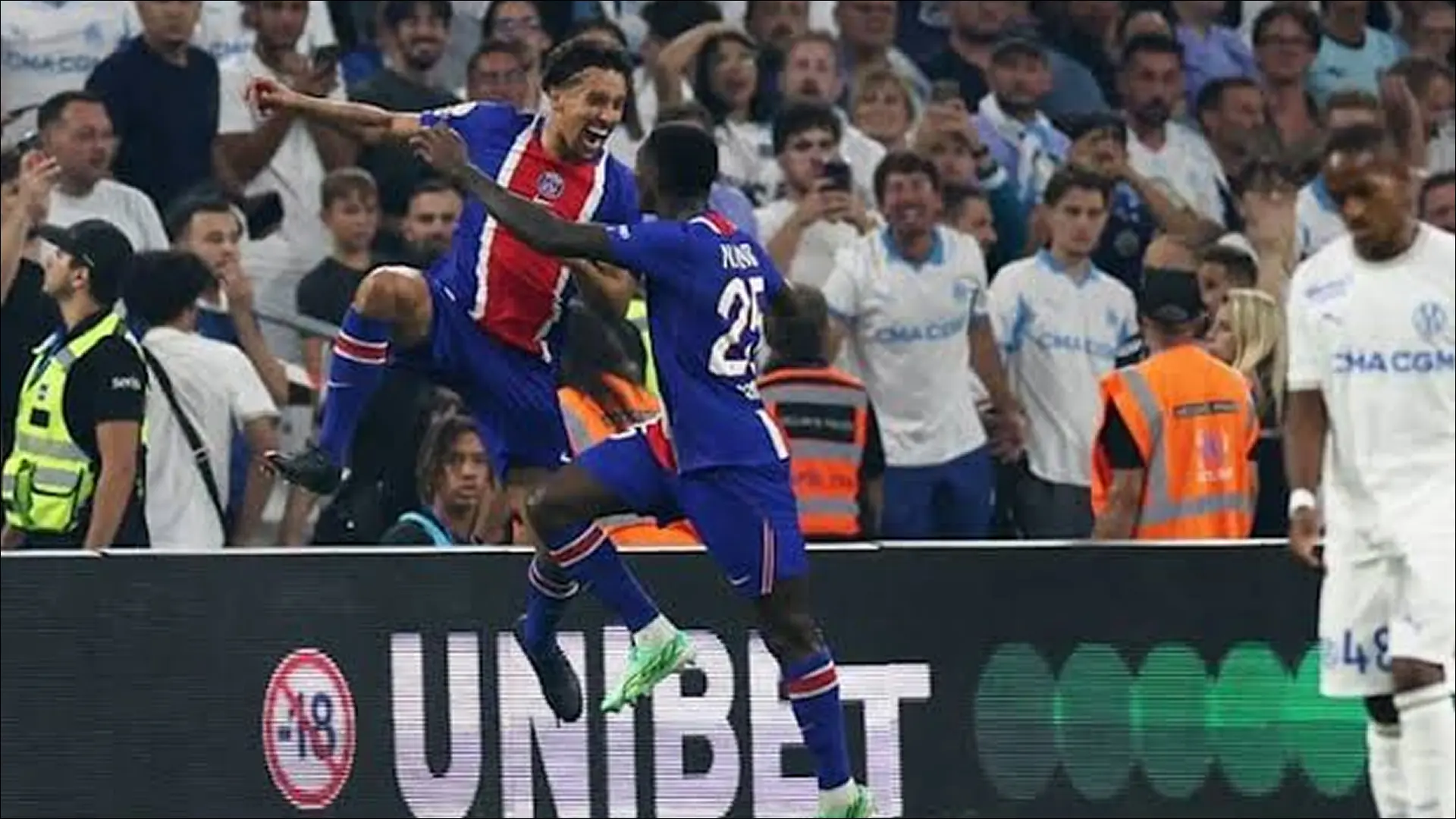
  • LFP Opens Investigation Into Homophobic Chants During Marseille vs PSG

    LFP Opens Investigation Into Homophobic Chants During Marseille vs PSG

    Key Highlights

    • Olympique de Marseille faces an LFP disciplinary investigation after homophobic chants were heard from the stands during Sunday’s Ligue 1 match against Paris Saint-Germain at the Stade Vélodrome.
    • The Professional Football League’s (LFP) disciplinary committee formally opened the investigation on Monday following the incident.
    • The probe adds to ongoing concerns about discriminatory behavior in French football stadiums and potential sanctions for the club.

    LFP Opens Disciplinary Proceedings Against Marseille

    Olympique de Marseille is under formal investigation by the Professional Football League (LFP) after homophobic chants were reported from the stands during Sunday evening’s high-profile Ligue 1 encounter with Paris Saint-Germain at the Stade Vélodrome. The league’s disciplinary committee announced on Monday that it had opened proceedings to examine the incidents, which occurred during one of French football’s most heated rivalries, known as Le Classique.

    Incident Details and League Response

    The chants were reportedly audible during the match, prompting the LFP to act swiftly under its regulatory framework governing discriminatory conduct. The disciplinary committee’s decision to launch an investigation on the first working day after the fixture underscores the seriousness with which French football’s governing bodies are treating the matter. While the specific content and duration of the chants have not been detailed in the initial announcement, the committee will review match footage, delegate reports, and any additional evidence to determine the extent of the violations.

    Potential Sanctions and Precedent

    If the investigation confirms the violations, Marseille could face a range of sanctions under LFP regulations, including fines, partial stadium closures, or matches played behind closed doors. French football has seen similar cases in recent seasons, with clubs such as Lyon, Nice, and Monaco receiving penalties for discriminatory chanting. The LFP has progressively tightened its stance, aiming to align with UEFA and FIFA protocols on combating hate speech in stadiums.

    Why This Matters

    The investigation highlights the persistent challenge of eradicating homophobic abuse in European football, particularly during high-stakes fixtures where crowd intensity often crosses regulatory lines. For Marseille, a club with a passionate and historically vocal supporter base, the case represents both a disciplinary risk and a reputational test. The LFP’s handling of this file will be closely watched by other clubs, supporter groups, and anti-discrimination organizations such as SOS Homophobie and Football Against Racism in Europe (FARE), as it may set the tone for enforcement consistency through the remainder of the 2024-25 season.

    Frequently Asked Questions

    What triggered the LFP investigation?
    Homophobic chants heard from the stands during Sunday’s Ligue 1 match between Marseille and Paris Saint-Germain at the Stade Vélodrome prompted the LFP disciplinary committee to open an investigation on Monday.
    What sanctions could Marseille face?
    Depending on the committee’s findings, potential sanctions include financial fines, partial stadium closures for specific stands, or matches played behind closed doors, consistent with previous LFP rulings on discriminatory chanting.
    Is this the first such case in Ligue 1 this season?
    The source does not specify whether this is the first case of the current season, but French football has seen multiple clubs sanctioned for similar offenses in recent campaigns as the LFP strengthens enforcement against hate speech.
  • Formula 1 Approves Shorter Races for 2027 to Align with Revised Power Unit Regulations

    Formula 1 Approves Shorter Races for 2027 to Align with Revised Power Unit Regulations

    Key Highlights

    • The Formula 1 Commission has approved a 15 km reduction in grand prix race distance for 2027, dropping the standard from 305 km to 290 km pending FIA World Motor Sport Council ratification.
    • Power unit regulations shift toward combustion: the internal combustion engine (ICE) output rises to 420 kW while MGU-K deployment falls to 300 kW (350 kW in overtake mode), supported by a 5% fuel flow increase.
    • Race stoppage rules are overhauled: the three-hour maximum window for red-flagged events is replaced by a hard stop time based on daylight, and race directors gain authority to extend free practice sessions after prolonged interruptions.

    F1 Commission Greenlights 2027 Race Distance Reduction

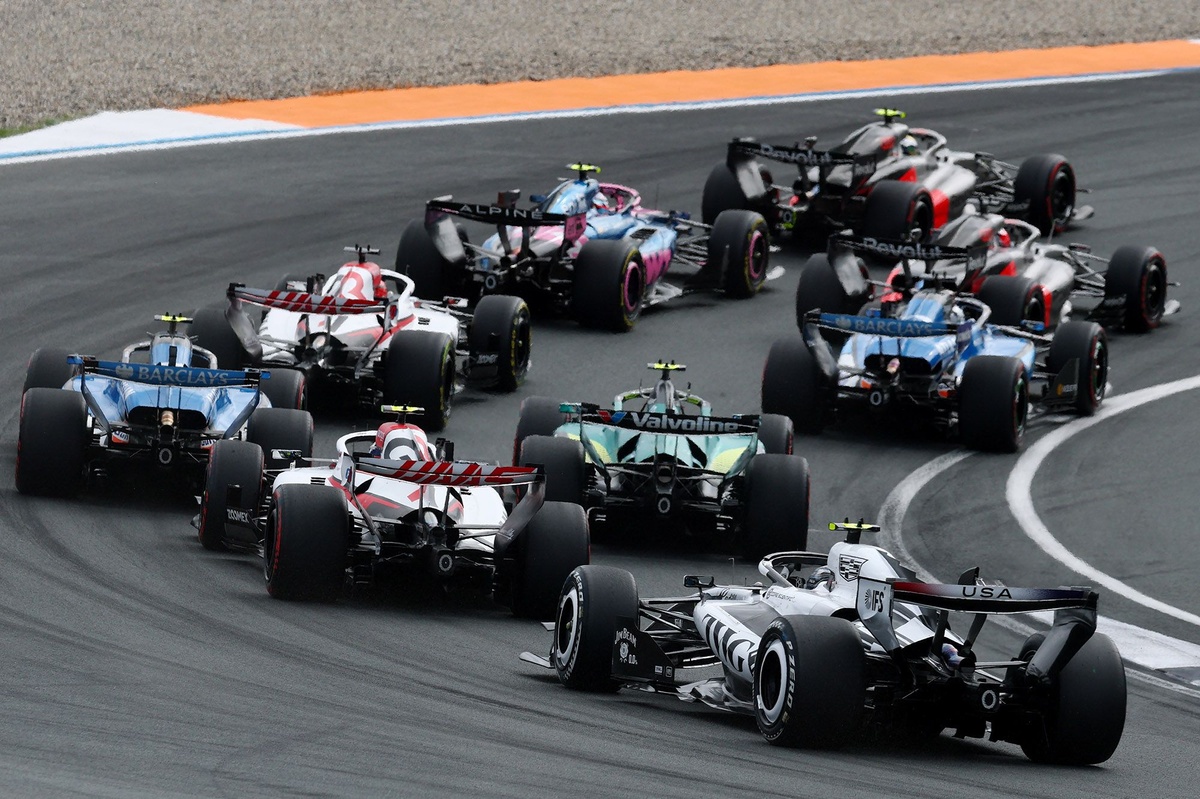
    The Formula 1 Commission convened in London on Monday and rubber-stamped a package of regulatory changes for the 2027 season, headlined by a decision to shorten every grand prix by 15 kilometres. The standard race distance will fall from 305 km to 290 km, a move that translates to roughly three fewer laps at most circuits on the calendar. The measure still requires formal approval from the FIA World Motor Sport Council (WMSC) before it enters the sporting regulations.

    Power Unit Rebalance Drives Chassis and Fuel Strategy Changes

    The distance cut is a direct consequence of the 2027 power unit framework agreed earlier. To re-balance the formula and curb the level of “superclipping” and energy harvesting that characterised recent seasons, the Commission confirmed that the internal combustion engine will be upscaled to a 420 kW peak output. Simultaneously, the maximum power drawn from the MGU-K is reduced to 300 kW during standard running, with the overtake mode retaining a 350 kW ceiling. Delivering the extra combustion output demands a 5% increase in fuel flow.

    Rather than mandate larger fuel cells to accommodate the higher flow rate—which would entail costly chassis redesigns—the FIA and Formula One Management (FOM) opted to trim race distances. The shorter races minimise the risk of drivers running dry in the closing laps while keeping the current fuel tank specification intact. It remains an open question whether the 290 km format will persist into 2028, when the regulations evolve again: ICE output is slated to climb to 450 kW, fuel flow will rise by 13% overall, and the combustion-to-electric energy split shifts to 60/40, a configuration that will necessitate a larger fuel tank.

    Race Stoppage Protocol Overhauled for Daylight Constraints

    Beyond powertrain matters, the Commission forwarded a significant rewrite of the race suspension clock to the WMSC. The existing two-hour race-time limit remains, but the three-hour absolute window that currently governs red-flag stoppages will be eliminated. In its place, a hard stop time tied to daylight conditions will be enforced for any delayed or rain-affected grand prix. The FIA communique explained the rationale directly: “these changes were introduced to ensure that the spectators have the best possible chance to enjoy a full race if disruptions occur.”

    Race directors will also receive expanded authority to extend free practice sessions when extended red-flag periods eat into track time. The rule change was motivated by the Spanish Grand Prix FP3 session, which lost approximately 30 minutes after separate incidents involving Lewis Hamilton and Ollie Bearman. Hamilton’s impact at Turn 22 required roughly 25 minutes of barrier repairs, and Bearman’s late-session crash truncated the remaining running by a further five minutes.

    Gearbox Development Unlocked for 2027 Season

    In a move welcomed by manufacturers, gearbox homologation has been rescinded for 2027. The decision allows suppliers to continue developing their transmissions throughout next season rather than freezing specifications. The Commission’s document also alluded to additional minor technical regulation tweaks for 2025, alongside undisclosed updates to the sporting and financial regulations for the current championship year.

    Why This Matters

    The 2027 rule package represents the most substantial regulatory reset since the ground-effect era began in 2022. By dialing up combustion output and dialing down electrical deployment, the FIA aims to restore a more traditional power delivery profile while containing costs through the race-distance reduction rather than chassis redesigns. The shift to a hard stop time for red-flagged races addresses long-standing criticism that the three-hour window created scheduling uncertainty for broadcasters and promoters, particularly at venues with limited daylight or tight curfews. Free practice extensions give teams a safeguard against lost preparation time, a practical response to the increasing frequency of session-stopping incidents. Finally, lifting gearbox homologation acknowledges that transmission development remains a meaningful performance differentiator and prevents a premature technology freeze ahead of the 2028 power unit evolution.

    Frequently Asked Questions

    How much shorter will 2027 Formula 1 races be?
    Each grand prix will be reduced by 15 km, from the current 305 km standard to 290 km. At most circuits this equates to approximately three fewer laps.
    Why is the race distance being cut instead of increasing fuel tank size?
    The 2027 power unit rules raise ICE output to 420 kW and increase fuel flow by 5%. Enlarging fuel tanks would require costly chassis modifications; shortening races achieves the same fuel-margin safety net without structural changes.
    What changes are being made to red-flag and race stoppage rules?
    The three-hour maximum window for a red-flagged race is replaced by a hard stop time based on daylight. Race directors also gain the power to extend free practice sessions after prolonged interruptions, a direct response to the truncated FP3 session at the 2024 Spanish Grand Prix.
  • Barcelona Legend Reveals Surprise Ballon d’Or Pick

    Barcelona Legend Reveals Surprise Ballon d’Or Pick

    Key Highlights

    • Barcelona legend Carles Rexach has publicly endorsed Raphinha as a deserving Ballon d’Or winner despite the Brazilian’s absence from this year’s shortlist.
    • Rexach argues the award should reflect current form, stating Raphinha’s performances merit the prestigious individual honor.
    • The endorsement highlights a discrepancy between the official 30-man nominee list and expert assessments of the winger’s 2024 impact.

    Rexach Champions Raphinha’s Ballon d’Or Credentials

    Former Barcelona player and coach Carles Rexach has weighed into the debate surrounding the 2024 Ballon d’Or, delivering a strong endorsement of Raphinha that contradicts the official nomination list released by France Football. The Brazilian winger, who has been instrumental in Hansi Flick’s revitalized Barcelona side, was notably omitted from the 30-player shortlist announced earlier this month. Rexach, a respected voice at Camp Nou having served the club in various capacities over five decades, contends that the selection committee overlooked the player’s current trajectory and decisive influence on matches.

    Current Form Versus Historical Voting Cycles

    The crux of Rexach’s argument rests on the timing of the award relative to the football calendar. While the Ballon d’Or traditionally assesses a player’s output over the preceding European season, the veteran believes the “current situation” on the pitch should carry decisive weight. Raphinha has started the 2024-25 campaign in scintillating fashion, contributing goals and assists at a rate that places him among the statistical elite in La Liga and the Champions League. Rexach’s stance suggests a growing sentiment among purists that individual awards must evolve to recognize peak performance windows rather than relying solely on retrospective seasonal aggregates.

    A Legend’s Perspective on Modern Greatness

    Carles Rexach’s opinion carries significant historical gravity. As a member of Johan Cruyff’s “Dream Team” and a long-time technical director, his evaluation of attacking talent is rooted in the Barcelona philosophy of dominant, creative football. He sees in Raphinha a player embodying the directness and goal threat required at the highest level. The omission of the 27-year-old from the shortlist—while teammates like Lamine Yamal and Robert Lewandowski were included—has sparked discussion regarding the criteria used by the international jury of journalists. Rexach’s intervention amplifies the narrative that Raphinha’s resurgence under Flick represents one of the most compelling individual storylines in European football this year.

    Why This Matters

    The discrepancy between expert opinion and the official Ballon d’Or shortlist underscores an ongoing tension in football’s most prestigious individual award. The voting process, conducted by a global panel of journalists, finalizes its selections months before the ceremony, potentially missing late-season surges or early-season explosions like Raphinha’s current form. For Barcelona, the debate serves as a validation of their sporting project under Hansi Flick, demonstrating that their key assets are receiving world-class recognition from within the game, even if institutional awards lag behind. As the ceremony approaches, the conversation sparked by figures like Rexach may influence future reforms to the voting timeline or criteria.

    Frequently Asked Questions

    Why was Raphinha left off the 2024 Ballon d’Or shortlist?
    The shortlist reflects performances during the 2023-24 season, a period in which Raphinha struggled with injuries and inconsistent form before his current resurgence under Hansi Flick.
    What is Carles Rexach’s connection to FC Barcelona?
    Carles Rexach is a club legend who played for Barcelona for 15 years, later serving as first-team coach, sporting director, and technical advisor across multiple decades.
    Who are the Barcelona players nominated for the 2024 Ballon d’Or?
    Lamine Yamal and Robert Lewandowski were the Barcelona representatives included on the 30-man shortlist announced by France Football.
  • F1 Commission Agrees Regulatory Changes for 2026 and 2027

    F1 Commission Agrees Regulatory Changes for 2026 and 2027

    Key Highlights

    • The F1 Commission approved a reduction in grand prix race distance from 305 km to 290 km for the 2027 season, aligning with revised power unit fuel-flow regulations.
    • A hard stop time for race endings will replace the current three-hour overall event window, while the two-hour actual racing limit remains in place.
    • Gearbox homologation will be removed for 2027, granting suppliers continued development freedom, with all changes pending FIA World Motor Sport Council ratification.

    F1 Commission Greenlights 2027 Regulatory Package in London

    The third meeting of the Formula 1 Commission for the 2026 calendar convened on Monday at the FIA headquarters in London, where FIA Single-Seater Director Nikolas Tombazis and Formula One Management President and CEO Stefano Domenicali co-chaired discussions that produced a slate of regulatory adjustments targeting both the current 2026 season and the pivotal 2027 campaign. A formal statement issued after the session confirmed that minor amendments to the 2026 Sporting and Financial Regulations were approved, while the bulk of the agenda focused on structural changes for the next regulatory cycle.

    Race Distance Trimmed to Match Power Unit Evolution

    The most headline-grabbing decision for 2027 is a reduction in the total grand prix distance from 305 kilometres to 290 kilometres, a shortening equivalent to roughly two or three laps depending on the circuit. The move is a direct consequence of refinements to the power unit regulations—specifically adjustments to fuel-flow parameters—that will take effect in 2027. By trimming the race distance, the Commission aims to ensure that the new energy management demands of the updated power units do not compromise the spectacle or push teams into overly conservative race strategies.

    Revised Race-Interruption Framework Prioritises Full Events

    In a significant shift for wet-weather and red-flag scenarios, the Commission agreed to introduce a hard stop time that will definitively cap the end of any on-track racing activity. Crucially, the existing three-hour overall event window—measured from the scheduled start to the final chequered flag, including all interruptions—will be eliminated. However, the two-hour limit on actual green-flag racing time will be retained. The rationale, according to the released statement, is to give spectators the best possible chance of witnessing a complete race when disruptions occur. Additionally, race directors will gain greater flexibility to extend Free Practice sessions if they are interrupted, ensuring teams do not lose critical track preparation time.

    Gearbox Homologation Scrapped to Preserve Development Freedom

    Following consultation with the relevant manufacturer working group and a recommendation from the Sporting Advisory Committee, the Commission voted to remove gearbox homologation requirements for the 2027 season. The decision is designed to preserve supplier development freedom, allowing transmission manufacturers to continue refining their designs throughout the season rather than being locked into a single specification. The change reflects a broader philosophy of maintaining technical competition in areas where cost control can be achieved without a full homologation freeze.

    Why This Matters

    The package approved in London represents the most concrete picture yet of Formula 1’s 2027 regulatory landscape. The race-distance reduction signals that the sport’s governing bodies are proactively calibrating the sporting code to match the anticipated efficiency gains—and constraints—of the next-generation power units. Meanwhile, the overhaul of the race-interruption rules addresses a long-standing pain point for promoters, broadcasters, and fans: the uncertainty of whether a weather-delayed event will reach a satisfactory conclusion. By removing the three-hour overall clock but keeping a hard stop for on-track action, F1 creates a clearer broadcast window while protecting the integrity of the competition. The gearbox homologation repeal, though technical in nature, underscores a commitment to keeping the supply chain competitive at a time when the chassis and power unit regulations are becoming increasingly prescriptive. All measures remain subject to formal ratification by the FIA World Motor Sport Council (WMSC), the final legislative authority in the sport.

    Frequently Asked Questions

    When do the new race-distance and interruption rules take effect?

    The reduced 290 km race distance, the hard stop time for race endings, and the removal of the three-hour overall event window are all slated for the 2027 Formula 1 World Championship season, pending WMSC approval.

    Why is gearbox homologation being removed for 2027?

    The Commission, acting on advice from the manufacturer working group and the Sporting Advisory Committee, decided that eliminating gearbox homologation will preserve development freedom for transmission suppliers, encouraging ongoing technical competition without significantly escalating costs.

    Does the two-hour race-time limit still apply?

    Yes. The two-hour limit on actual green-flag racing remains unchanged; only the three-hour overall event window (including stoppages) is being replaced by a hard stop time for the end of on-track activity.

  • Van Dijk Praises Ronald Araujo After Impressive Liverpool Start: ‘I Don’t Think He Was the Captain of Barcelona for No Reason’

    Van Dijk Praises Ronald Araujo After Impressive Liverpool Start: ‘I Don’t Think He Was the Captain of Barcelona for No Reason’

    Key Highlights

    • Liverpool captain Virgil van Dijk commends Ronald Araujo’s impressive early form following his loan move from Barcelona.
    • Van Dijk cautions that a congested fixture schedule awaits the squad after the upcoming international break.
    • Araujo has adapted quickly to a right-back role under manager Andoni Iraola, despite being a natural centre-back.

    Van Dijk Endorses Araujo’s Quick Integration at Anfield

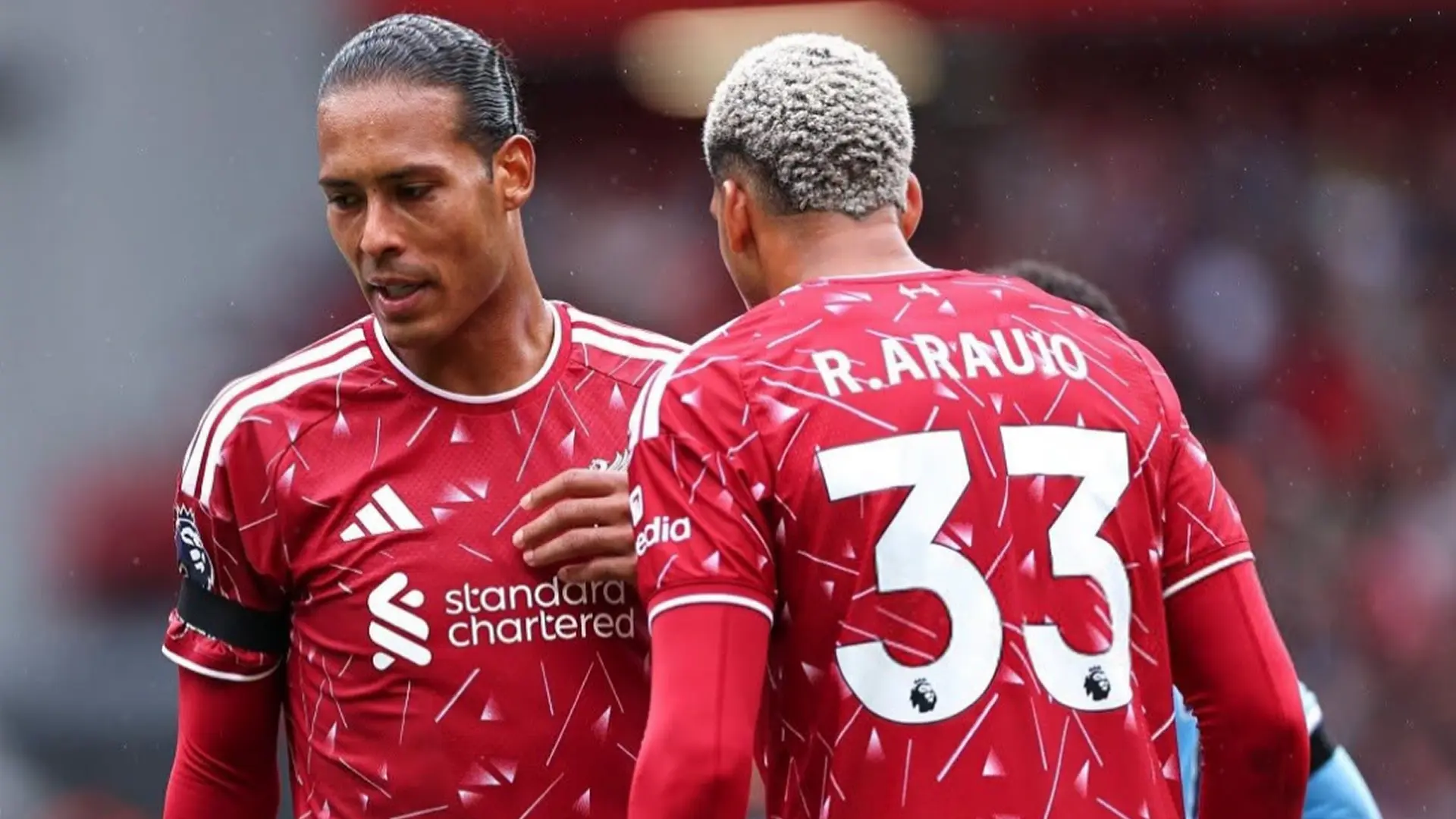
    Liverpool captain Virgil van Dijk has publicly backed summer loanee Ronald Araujo, highlighting the Uruguayan defender’s seamless transition since arriving from Barcelona. The Netherlands international, who anchors the Reds’ back line, noted that Araujo has made an “impressive start” to life on Merseyside, validating the club’s decision to secure his services on a temporary basis. Van Dijk’s endorsement carries significant weight given his status as one of the Premier League’s most respected defensive leaders and his first-hand view of Araujo’s daily contributions in training and matches.

    Positional Versatility Tested in Early Weeks

    Araujo’s adaptation has been accelerated by a tactical shift that sees him deployed at right-back rather than his customary centre-back position. Despite the unfamiliar role, the 25-year-old has settled quickly into Andoni Iraola’s system, demonstrating the positional flexibility that made him an attractive target for Liverpool’s recruitment team. The move from Barcelona—where he featured regularly in a central defensive partnership—requires adjustments in both defensive positioning and attacking output, yet early indications suggest Araujo is embracing the challenge without a dip in performance levels.

    Captain Flags Fixture Congestion as Next Major Test

    While praising the new arrival, Van Dijk struck a note of caution regarding the calendar ahead. The skipper warned that a “hectic period” looms once the current international window concludes, signaling a stretch of frequent, high-stakes fixtures across multiple competitions. This congestion will test squad depth, rotational strategies, and the physical resilience of every player—including Araujo, who must maintain his form while navigating an unfamiliar league and a demanding schedule. Van Dijk’s warning underscores the importance of the Uruguayan’s quick acclimatization, as Liverpool will likely need every available defender at peak sharpness in the weeks to come.

    Why This Matters

    Liverpool’s defensive structure has been a cornerstone of their recent success, and the integration of a high-profile loanee like Araujo represents a calculated risk by the club’s hierarchy. The fact that the captain himself has vouched for the player’s early impact suggests the coaching staff are satisfied with his tactical understanding and professional attitude. However, the impending fixture pile-up—spanning Premier League, Champions League, and domestic cup commitments—will be the true barometer of whether Araujo’s versatility can sustain Liverpool’s defensive solidity over a grueling two-month stretch. His ability to perform consistently at right-back, a position he has rarely occupied at elite level, could determine the success of the loan arrangement and influence Liverpool’s transfer strategy in future windows.

    Frequently Asked Questions

    What did Virgil van Dijk say about Ronald Araujo?
    Van Dijk praised Araujo for making an “impressive start” to his loan spell at Liverpool but warned that a hectic period is coming after the international break.
    Which club did Ronald Araujo join on loan, and from where?
    Araujo joined Liverpool on loan from Barcelona.
    What position is Araujo playing for Liverpool?
    Despite being a natural centre-back, Araujo has been used at right-back since arriving at Liverpool.
  • Carlos Sainz Backs Bold Approach for Williams Junior Will Green’s Racing Future

    Carlos Sainz Backs Bold Approach for Williams Junior Will Green’s Racing Future

    Key Highlights

    • Carlos Sainz advises 13-year-old Williams Academy driver Will Green to prioritize finding the limit over consistency in his transition from karting to single-seaters.
    • The Spanish Formula 1 driver emphasizes that making mistakes while pushing hard is essential for learning and confidence-building at the junior level.
    • Green, the 2026 Karting European Championship junior champion, conducted the interview published on the Williams Racing YouTube channel.

    Sainz Mentors Williams’ Newest Academy Talent

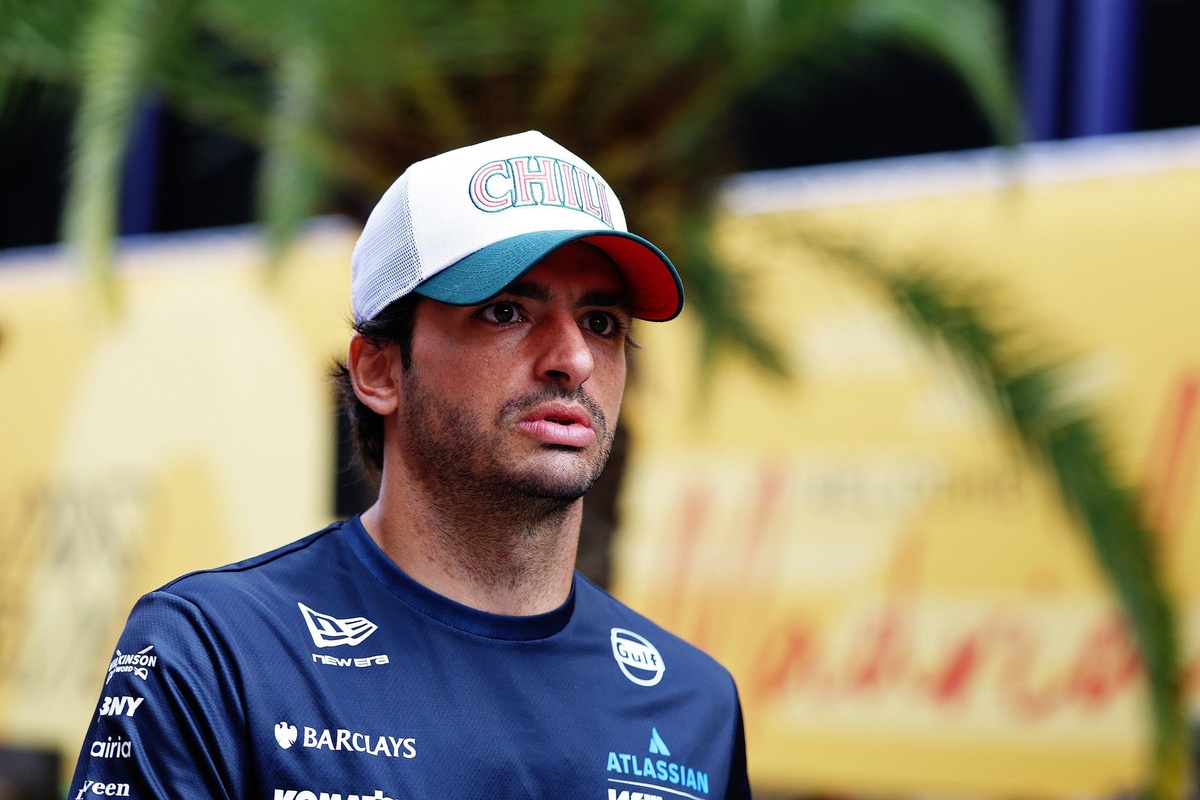
    Carlos Sainz has offered candid guidance to Will Green, the 13-year-old karting prodigy who joined the Williams Racing Academy in December 2024, urging the British youngster to embrace risk-taking over conservative consistency as he prepares for the leap to single-seater competition. The conversation, filmed for the Williams Racing YouTube channel, featured the unique dynamic of Green interviewing the 32-year-old Spanish Grand Prix winner, providing a rare glimpse into how established Formula 1 stars view the developmental pathway.

    Embrace Mistakes to Multiply Talent

    Sainz’s central message focused on the psychological approach required during the formative junior years. “Don’t be afraid to make mistakes. It’s better to push too hard and make mistakes than try and be too conservative,” Sainz said in the video on the Williams YouTube channel. “You are at the age where it’s important to learn as much as possible. So, don’t be scared.” He elaborated that the window for aggressive experimentation is narrow and critical. “Don’t be afraid to make mistakes, risk too much and go for overtakes or last-lap moves that maybe are too risky. I would say that age is the time to do it because that’s when you will learn the most.”

    The Ferrari driver distinguished between productive errors and avoidable blunders. “Always try to be as close to the limit as possible. Obviously, don’t do anything stupid. If you can avoid stupid mistakes, avoid stupid mistakes. But go and take risks because when they pay off, you feel a lot of confidence, and that’s where your talent multiplies. You’re not only talented but also confident.” This philosophy underscores a broader paddock consensus that early-career confidence, forged at the edge of adhesion, is a prerequisite for elite performance.

    A Natural Transition from Karting to Cars

    Reflecting on his own graduation from karts, Sainz offered reassurance regarding the technical adjustment. “I felt that going from karting to cars was quite natural to me. It didn’t feel weird,” he added. “You will jump in a car one day. They will teach you how to drive with the gears, with everything. The first two laps will be strange but then your natural instinct of just pushing flat out whatever they give you will kick in and you will find a way.” The remarks serve to demystify the step up for Green, who currently holds the 2026 Karting European Championship junior title.

    Why This Matters

    The exchange highlights the increasing structure of Formula 1 junior programs, where teams like Williams invest in drivers as young as 13 and facilitate direct mentorship with current race winners. Sainz’s advice aligns with the “find the limit first” doctrine employed by many driver coaches: early consistency often masks a lack of ultimate pace potential. For Green, the 2026 European junior champion, the immediate challenge will be applying this mindset during his first tests in machinery such as the Formula 4 car, where the cost of errors rises sharply compared to karting. Williams’ decision to publish the dialogue publicly also signals a transparency strategy, showcasing their academy culture to sponsors, fans, and future recruits.

    Frequently Asked Questions

    Who is Will Green and what has he achieved?
    Will Green is a 13-year-old British driver announced as a Williams Racing Academy member in December 2024. He recently won the 2026 Karting European Championship junior title.
    What specific advice did Carlos Sainz give about making mistakes?
    Sainz told Green it is better to push too hard and make mistakes than to be too conservative, stating that taking risks at this age is when a driver learns the most and builds the confidence that multiplies talent.
    Where can the full interview be watched?
    The interview conducted by Green with Sainz was published on the official Williams Racing YouTube channel.
  • All Official Formula 1 Team Cars Arrive in Hot Wheels Infinite Rush via New F1 Car Collection Pack

    All Official Formula 1 Team Cars Arrive in Hot Wheels Infinite Rush via New F1 Car Collection Pack

    Key Highlights

    • HOT WHEELS Infinite Rush launches today across PlayStation 5, Xbox Series X|S, Nintendo Switch 2, ROG Xbox Ally devices, and PC via Steam, Microsoft Store, and Epic Games Store.
    • The F1 Car Collection Pack DLC, featuring the full 2026 Formula 1 grid, will release in March 2027 as downloadable content.
    • The release marks a first-of-its-kind collaboration between Mattel, Formula 1, and Milestone to bring official Hot Wheels die-cast F1 cars into a video game.

    Hot Wheels Infinite Rush Launches Globally with Multi-Platform Availability

    HOT WHEELS Infinite Rush is available now, delivering high-octane arcade racing to a broad hardware lineup that includes PlayStation 5, Xbox Series X|S, Nintendo Switch 2, ROG Xbox Ally, ROG Xbox Ally X, and PC through Steam, the Microsoft Store, and the Epic Games Store. The launch positions the title as one of the most widely accessible racing releases of the year, spanning current-generation consoles, Nintendo’s new hybrid platform, ASUS ROG’s handheld Windows devices, and the three major PC storefronts.

    Formula 1 Partnership Expands with 2026 Grid DLC Set for March 2027

    The collaboration between Mattel, Formula 1, and developer Milestone deepens with the announcement of the F1 Car Collection Pack, scheduled to arrive as downloadable content in March 2027. The pack will introduce the complete 2026 Formula 1 grid into the game, marking the first time official Hot Wheels die-cast F1 cars have been translated into a playable video game format. The move leverages the popularity of the physical die-cast line, which has already proven a commercial hit with collectors and racing fans alike.

    Formula 1 Seeks New Fan Engagement Through Gaming

    Emily Prazer, Chief Commercial Officer of Formula 1, said: “Our partnership with Mattel and Hot Wheels keeps evolving for our fans, and this latest move gives them the opportunity to race their favourite driver’s car in the HOT WHEELS Infinite Rush video game.
    “They can play against friends and family, immersing themselves in the world of F1 and enjoying the speed, competition, and drama of the sport in a whole new format.
    “We know it’s going to be hugely popular given the reaction to the previous F1 Hot Wheels die-cast cars, and we can’t wait to see fans get behind the wheel when the F1 Car Collection Pack launches in March 2027.”

    Milestone Highlights Trust and Technical Achievement

    Andrea Loiudice, Publishing Director of Milestone, said: “We’re incredibly proud to be the first to bring Formula 1 Hot Wheels die-cast cars to a video game. The opportunity to work alongside such prestigious partners as Mattel and Formula 1 is a great testament to the trust they place in Milestone and in our ability to deliver high-quality racing experiences.
    “Bringing the full 2026 F1 grid to HOT WHEELS Infinite Rush with the F1 Car Collection Pack is an exciting milestone for us, and we’re sure players around the world will be just as thrilled to enjoy these iconic cars in a whole new way.”

    Mattel Emphasizes Best-in-Class Partnership Strategy

    Erika Winterholler, Head of Licensed Games, Mattel added: “The combination of Formula 1’s authenticity and Milestone’s racing expertise created a unique opportunity to deliver something truly special for Hot Wheels fans.
    “Bringing the full 2026 Formula 1 grid to HOT WHEELS Infinite Rush reflects our approach to building best-in-class gaming experiences through great partnerships, while continuing to expand how fans engage with the Hot Wheels brand.”

    Why This Matters

    The release of HOT WHEELS Infinite Rush and its forthcoming F1 Car Collection Pack represents a strategic convergence of toy licensing, motorsport rights, and game development. Milestone, known for the MotoGP, RIDE, and Monster Energy Supercross franchises, brings specialized racing simulation DNA to an arcade-style product, while Formula 1 continues its push to reach younger and more casual audiences through gaming and lifestyle partnerships. For Mattel, the integration of the 2026 F1 grid into a digital play space extends the Hot Wheels brand beyond the pegboard, creating a persistent engagement loop between physical collectibles and interactive entertainment. The March 2027 DLC window aligns with the real-world 2026 Formula 1 season calendar, suggesting coordinated marketing beats across game updates, die-cast releases, and Grand Prix events.

    Frequently Asked Questions

    What platforms is HOT WHEELS Infinite Rush available on at launch?

    The game is available now on PlayStation 5, Xbox Series X|S, Nintendo Switch 2, ROG Xbox Ally, ROG Xbox Ally X, and PC via Steam, Microsoft Store, and Epic Games Store.

    When does the F1 Car Collection Pack release and what does it include?

    The F1 Car Collection Pack launches in March 2027 as downloadable content and features the full 2026 Formula 1 grid, marking the first time official Hot Wheels die-cast F1 cars appear in a video game.

    Who developed HOT WHEELS Infinite Rush?

    The game was developed by Milestone, the Italian studio known for racing titles such as MotoGP, RIDE, and Monster Energy Supercross, in partnership with Mattel and Formula 1.

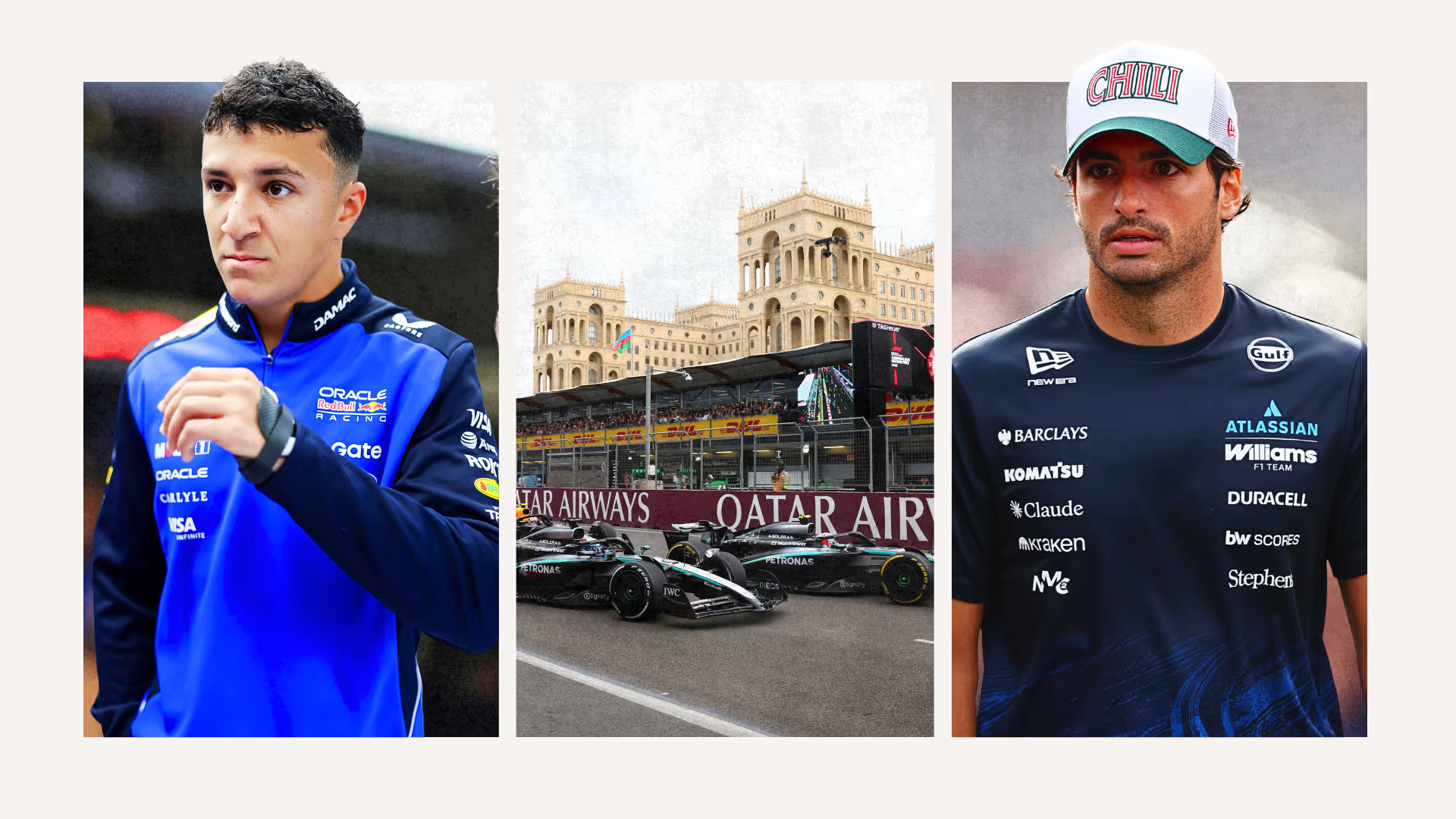
  • Race Week: 5 Storylines to Watch Ahead of the 2026 Azerbaijan Grand Prix

    Race Week: 5 Storylines to Watch Ahead of the 2026 Azerbaijan Grand Prix

    Key Highlights

    • The 2026 Formula 1 season enters a decisive phase with the first of three consecutive triple-headers beginning at the Azerbaijan Grand Prix in Baku, where Kimi Antonelli leads the Drivers’ Championship for Mercedes.
    • Isack Hadjar may return to the Red Bull seat after missing three rounds with a wrist injury, though the team insists they will not rush his recovery ahead of a grueling three-race stretch.
    • Williams debut a long-planned upgrade package in Baku aiming to climb from ninth in the Constructors’ standings, while Formula 2 hosts a pivotal double-header with the title fight finely balanced among four drivers.

    Triple-Header Gauntlet Begins in Baku as Championship Momentum Builds

    The 2026 Formula 1 season shifts into its most demanding phase this weekend as the Azerbaijan Grand Prix launches the first of three consecutive triple-headers. With nine races compressed into eleven weeks, the schedule offers little margin for error and amplifies the significance of every development — on track and off. Kimi Antonelli arrives at the Baku City Circuit leading the Drivers’ Championship after winning the previous two rounds, giving Mercedes a psychological edge even as the team acknowledges its early-season performance advantage has eroded. The Italian rookie’s consistency has made him the benchmark, but the unique demands of Baku’s street layout — where barrier-kissing precision meets a 2.2-kilometre straight that invites late-braking overtakes — could reshuffle the competitive order.

    Hadjar Recovery Monitored Closely as Red Bull Prioritize Long-Term Health

    Isack Hadjar has not raced for Red Bull since sustaining a wrist injury during the summer shutdown, forcing him to miss the Zandvoort, Monza, and Madrid rounds. Liam Lawson has deputised at the senior team, with Yuki Tsunoda moving up to VCARB in a chain reaction that has reshaped Red Bull’s driver deployments. A two-week gap since Madrid has increased optimism regarding Hadjar’s potential return in Azerbaijan, but the team has been unequivocal: he will only resume driving once medical clearance confirms full recovery. Given that Baku begins a triple-header — followed by races in Singapore and Austin — any premature return risks aggravating the injury during a stretch with minimal recovery windows. Team officials have indicated an update is expected in the coming days, making Hadjar’s status one of the most closely watched storylines heading into the weekend.

    Williams Unveil Critical Upgrade Package Amid Constructors’ Battle

    Williams arrive in Baku with a substantial upgrade package telegraphed months in advance, a rare instance of a team publicly committing to a development timeline. The Grove-based squad sits ninth in the Constructors’ Championship, six points behind Audi and ten adrift of seventh-placed Haas. The 2026 season was internally targeted as a return to midfield competitiveness, but results have fallen short of expectations. Technical Director Pat Fry’s development group has focused the Baku package on aerodynamic efficiency and mechanical grip — areas where the FW48 has struggled relative to rivals. Beyond immediate points gains, the upgrade serves as a validation of Williams’ development trajectory; a clear step forward would confirm the team’s engineering direction is sound ahead of the 2027 regulation cycle.

    Mercedes Manage Upgrade Cadence While Defending Championship Lead

    Mercedes have been transparent about their constrained upgrade cadence this season, a consequence of prioritising the launch specification that dominated the opening rounds. While that early advantage has diminished, the team remains firmly in the championship hunt — Antonelli’s back-to-back victories underscore the W15’s underlying potential. Mercedes confirmed last week that new components will debut at the following round in Malaysia, meaning Baku represents another weekend where the Silver Arrows must extract maximum performance from their current package. McLaren, Ferrari, and Red Bull have all introduced updates more frequently, applying relentless development pressure. How Mercedes manage this defensive phase — balancing resource allocation between current and future cars — will be a defining strategic narrative of the triple-header period.

    Driver Market Stagnates Despite Impending Contract Deadlines

    While the on-track calendar accelerates, the 2027 driver market has scarcely moved since the Zandvoort announcements, which included Max Verstappen’s contract extension and the retention of both Williams drivers. Haas remain the most conspicuous open seat, having evaluated Ryo Hirakawa, Rafael Camara, Leonardo Fornaroli, and Jack Doohan across a month of testing. No decision is imminent. Fernando Alonso’s future continues to dominate paddock speculation; the double World Champion is widely expected to remain with Aston Martin, yet his home race in Madrid passed without an announcement. Racing Bulls also represent a potential flashpoint, though their current line-up appears stable. The lack of movement is unusual for this stage of the season and suggests teams are awaiting clarity on 2027 power unit regulations or key driver decisions before committing.

    Saturday Race and Revised Schedule Mark Baku’s Tenth Anniversary

    This year marks a decade since Formula 1’s first visit to Azerbaijan in 2016, and the milestone edition arrives with a scheduling anomaly: the Grand Prix will be contested on Saturday, 26 September, rather than the traditional Sunday. The shift avoids a clash with Azerbaijan’s Remembrance Day on 27 September, compressing the entire weekend by 24 hours. Media obligations move to Wednesday, practice to Thursday, qualifying to Friday, and the race to Saturday. The format change compresses preparation time for teams and broadcasters alike, while the circuit itself remains unchanged — a 6.003-kilometre street layout that combines a hyper-technical castle section with the longest flat-out section on the calendar. Overtaking into Turn 1 is frequent, and races have historically been decided in the final metres of the final lap. The Saturday slot adds novelty to an already unpredictable venue.

    Formula 2 Title Fight Reaches Crescendo with Double-Header Format

    Support category action amplifies the weekend’s stakes as Formula 2 adopts a double-header format mirroring Formula 3’s season finale at the Madring. Two qualifying sessions on Thursday set the grids for a Friday morning Sprint Race and a Friday afternoon Feature Race preceding Formula 1 qualifying. A second Feature Race on Saturday leads into the Grand Prix. The championship battle is exceptionally tight: Red Bull junior Nikola Tsolov leads Ferrari academy driver Rafael Camara by just seven points. Alpine-backed Gabriele Mini sits 24 points behind Tsolov — within a single race victory — while team-mate Alex Dunne remains a mathematical contender at 38 points adrift. Baku’s history of chaotic, safety-car-influenced races makes it a potential title decider; the double-header format doubles the scoring opportunities and the risk.

    Why This Matters

    The Azerbaijan Grand Prix sits at a rare convergence of sporting, technical, and commercial inflection points. For the Drivers’ Championship, the triple-header sequence will test consistency and resilience over a compressed timeframe where a single mechanical failure or driving error carries disproportionate weight. Antonelli’s lead is slender in real terms; the circuits to come — Baku, Singapore, Austin — demand vastly different car characteristics, favouring no single team philosophy. For constructors, Williams’ upgrade represents a litmus test for midfield ambition: success could trigger a development arms race among Audi, Haas, and Alpine, while failure may force a strategic pivot toward 2027. The driver market’s inertia is equally significant; with fewer than ten races remaining, teams without confirmed 2027 line-ups risk losing preferred candidates to rival series or academy promotions. Finally, the Saturday race format — while a one-off — offers Formula 1 data on condensed weekend structures, a concept under study for future calendar compression. Baku, then, is not merely the next race; it is a stress test for the sport’s competitive, technical, and operational frameworks.

    Frequently Asked Questions

    Why is the Azerbaijan Grand Prix taking place on a Saturday?
    The race has been moved forward by 24 hours to avoid a clash with Azerbaijan’s Remembrance Day on 27 September. The entire weekend schedule shifts accordingly: media day on Wednesday, practice Thursday, qualifying Friday, and the Grand Prix on Saturday.
    Will Isack Hadjar race for Red Bull in Baku?
    Hadjar has missed the last three rounds with a wrist injury. A two-week break since Madrid increases the likelihood of his return, but Red Bull have stated he will only drive once fully cleared medically. An update is expected before the weekend.
    How close is the Formula 2 championship battle heading into Baku?
    Nikola Tsolov leads Rafael Camara by seven points. Gabriele Mini is 24 points behind the leader, and Alex Dunne trails by 38 points. With a double-header format offering two Feature Races, the title fight could swing dramatically this weekend.
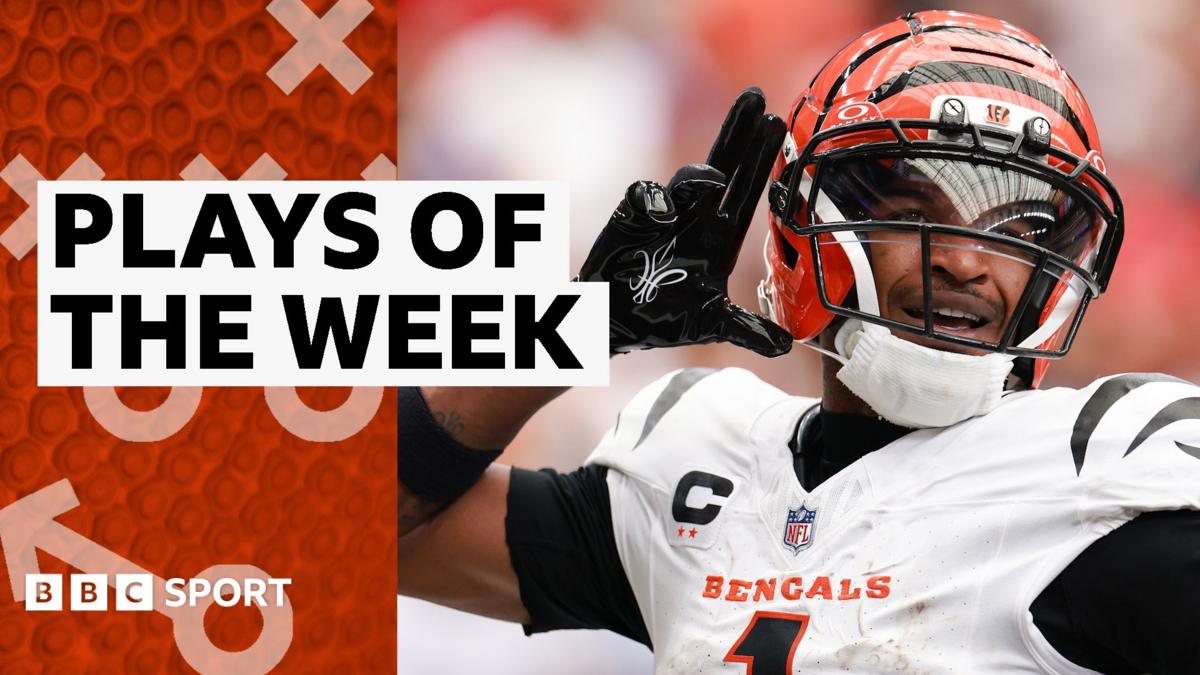
  • ‘What a play!’ Chase catch tops NFL plays of the week

    ‘What a play!’ Chase catch tops NFL plays of the week

    Key Highlights

    • Ja’Marr Chase delivered a spectacular catch during the Cincinnati Bengals’ victory over the Houston Texans.
    • The play headlines the top highlights from the latest weekend of NFL regular-season action.
    • Cincinnati secured a win against Houston, with Chase’s performance standing out among league-wide standout moments.

    Chase’s Highlight-Reel Grab Anchors Bengals’ Win Over Texans

    Cincinnati Bengals star wide receiver Ja’Marr Chase produced the signature moment of the NFL weekend, hauling in an extraordinary catch that headlined the league’s best plays package. The play occurred during Cincinnati’s victory over the Houston Texans, underscoring Chase’s continued status as one of the game’s most dynamic playmakers. While the Bengals’ team result moved them forward in the standings, the individual brilliance on display reinforced why the former LSU standout remains a weekly must-watch attraction for football audiences.

    Weekend Recap: Top Plays Across the League

    The NFL’s weekly highlights reel packaged Chase’s grab alongside other elite athletic feats from around the league. From game-changing interceptions to breakaway touchdowns, the compilation captured the breadth of talent on display during the most recent slate of games. Cincinnati’s win over Houston provided the backdrop for the standout sequence, but the roundup served as a league-wide snapshot of the speed, strength, and improvisational skill that define modern professional football. Each play was selected for its combination of difficulty, game impact, and visual spectacle.

    Why This Matters

    Weekly highlight packages serve as the primary discovery engine for casual fans and a critical retention tool for the NFL’s digital ecosystem. Featuring a player of Chase’s caliber—already a multiple-time Pro Bowler and Offensive Player of the Year candidate—maximizes engagement across social platforms, broadcast partners, and the league’s owned media channels. For the Bengals, national exposure of their premier offensive weapon reinforces brand visibility in a competitive AFC landscape. For the Texans, appearing in the context of a highlight-reel loss still places their defensive unit on the national stage, offering evaluation tape for coaches and scouts alike. The cycle repeats each week, but the concentration of star power in a single play often dictates the narrative momentum heading into the next slate of games.

    Frequently Asked Questions

    Which teams played in the game featuring Ja’Marr Chase’s top play?

    The Cincinnati Bengals defeated the Houston Texans in the game that produced Chase’s featured catch.

    Where can I watch the full highlights package from this NFL weekend?

    The NFL’s official media channels—including NFL.com, the NFL app, and league social accounts—publish the weekly best-plays compilation shortly after the Sunday slate concludes.

    Was Ja’Marr Chase’s catch the only Bengals highlight featured?

    The source identifies Chase’s catch as the highlighted Bengals play, but the weekly package typically includes multiple standout moments from across all games that weekend.