Category: Sports

Sports news, viral moments, athletes, teams, and major competitions.

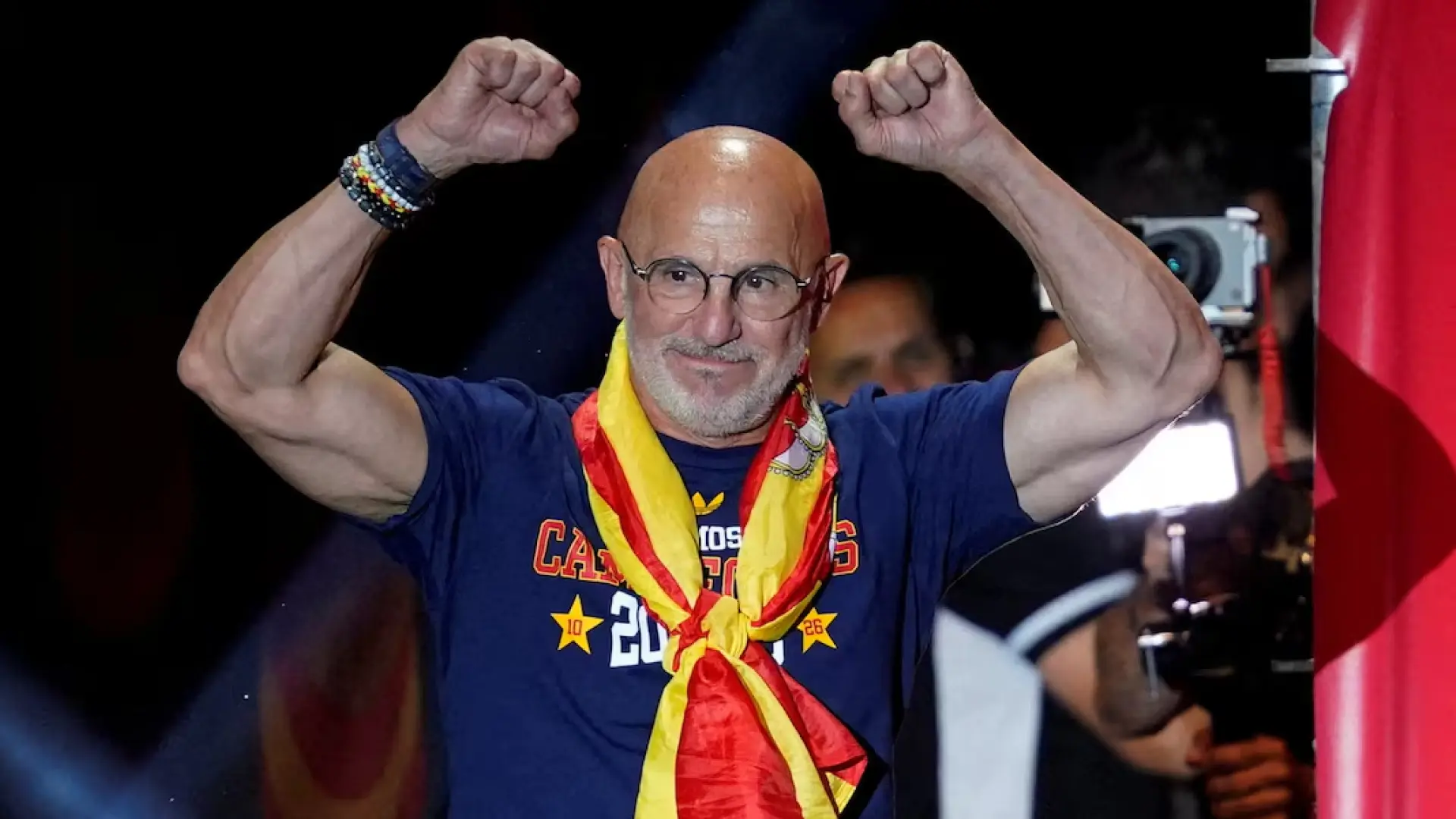
  • Spain Confirm Luis de la Fuente Contract Renewal Through 2030 World Cup

    Spain Confirm Luis de la Fuente Contract Renewal Through 2030 World Cup

    Spain Coach Luis de la Fuente to Remain Through 2030 World Cup

    Royal Spanish Football Federation (RFEF) President Rafael Louzan has confirmed that Luis de la Fuente will continue as Spain’s head coach through the 2030 FIFA World Cup. The announcement was made during the World Football Summit.

    Federation Finalizing Long-Term Extension

    Louzan praised De la Fuente’s record and stated that the federation is finalising an agreement to keep him in the role for several more years.

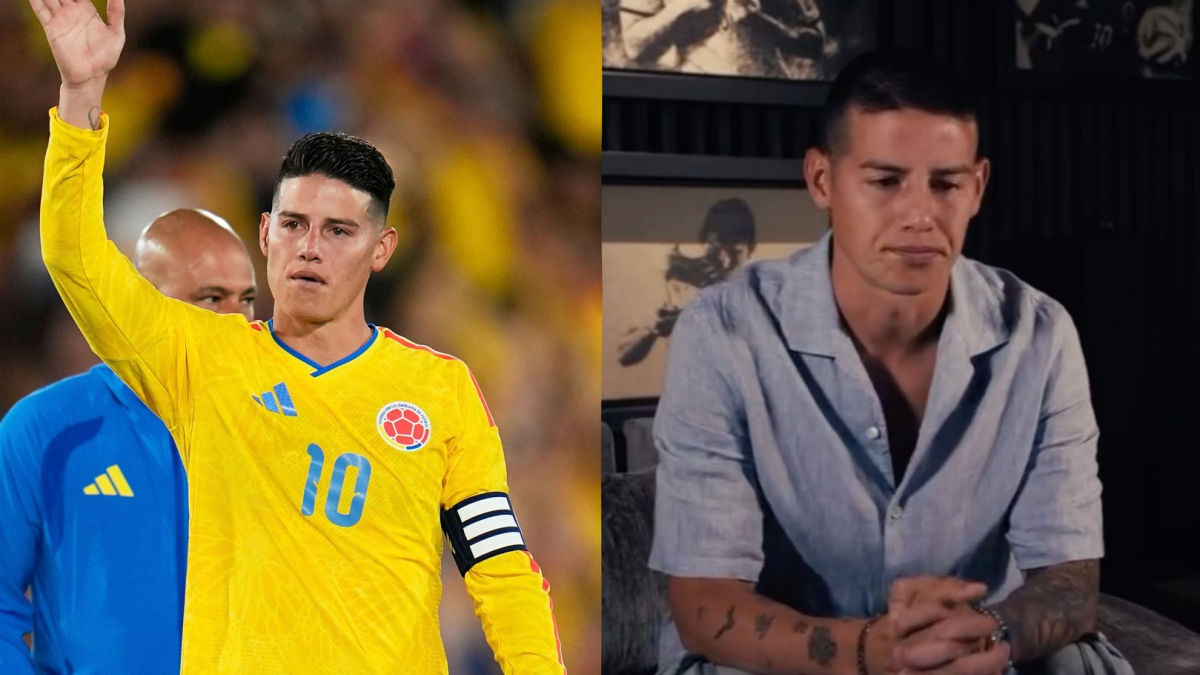
  • James Rodríguez says goodbye to Colombia after 15 years in emotional video

    James Rodríguez says goodbye to Colombia after 15 years in emotional video

    Key Highlights

    • James Rodríguez retires from Colombian national team after 15 years, 131 caps, and 31 goals.
    • The 35-year-old departs as Colombia’s all-time appearance leader and second-highest scorer, with a Golden Boot from the 2014 World Cup and 2024 Copa América Best Player award.
    • Rodríguez announced the decision in an emotional video, stating he leaves knowing he “gave absolutely everything” to the national team.

    Colombia’s Golden Generation Loses Its Standard-Bearer

    James Rodríguez has officially drawn the curtain on his international career, ending a 15-year journey that saw him become the face of Colombian football’s modern renaissance. The 35-year-old playmaker announced his retirement from the national team via an emotional video message, confirming weeks of speculation following Colombia’s run to the 2024 Copa América final. With 131 appearances, Rodríguez stands alone as the most-capped player in Los Cafeteros history, while his 31 goals place him second only to Radamel Falcao on the all-time scoring charts.

    From World Cup Glory to Continental Recognition

    Rodríguez’s legacy was forged on the world stage at the 2014 FIFA World Cup in Brazil, where he claimed the Golden Boot with six goals—including the tournament’s widely acclaimed goal of the tournament against Uruguay—and propelled Colombia to its first-ever quarter-final appearance. A decade later, he added a second major individual honor by being named the Best Player at the 2024 Copa América in the United States, where his creativity and leadership guided Colombia to the final against Argentina. Across three World Cups (2014, 2018, and 2022) and multiple Copa América campaigns, the number 10 shirt became synonymous with his vision, set-piece mastery, and clutch performances.

    A Farewell Marked by Gratitude and Closure

    In his farewell message, Rodríguez emphasized the totality of his commitment, saying he leaves “knowing he gave absolutely everything to the national team.” The announcement closes a chapter that began with his senior debut in 2009 and spanned three distinct World Cup cycles, bridging the eras of José Pékerman, Carlos Queiroz, Reinaldo Rueda, and Néstor Lorenzo. While the source text references a “final tournament in 2026,” the 2024 Copa América—where Colombia finished as runners-up—served as his actual swansong, with the 2026 World Cup in North America now set to proceed without its most decorated midfielder.

    Why This Matters

    Rodríguez’s departure signals the definitive end of Colombia’s “Golden Generation” that consistently reached the latter stages of major tournaments between 2014 and 2024. His retirement creates a leadership and creative vacuum for manager Néstor Lorenzo, who must now transition the squad toward a new core ahead of 2026 World Cup qualifying. Commercially, the federation loses its most marketable global asset, while domestically, the focus shifts to emerging talents such as Jhon Arias, Luis Díaz, and Jorge Carrascal to shoulder the playmaking burden. The decision also underscores the physical toll of elite club football—Rodríguez has navigated spells at Porto, Monaco, Real Madrid, Bayern Munich, Everton, Al-Rayyan, Olympiacos, and São Paulo—making his longevity at international level remarkable.

    Frequently Asked Questions

    How many caps and goals did James Rodríguez finish with for Colombia?
    Rodríguez earned 131 caps—an all-time national record—and scored 31 goals, ranking him second on the all-time scoring list behind Radamel Falcao.
    What major individual awards did he win with the national team?
    He won the Golden Boot at the 2014 FIFA World Cup with six goals and was named the Best Player at the 2024 Copa América.
    What was his last tournament for Colombia?
    His final tournament was the 2024 Copa América in the United States, where Colombia finished as runners-up to Argentina.
  • Arsenal Emerge as New Suitors for JJ Gabriel Amid Youth Recruitment Drive, Reports Say

    Arsenal Emerge as New Suitors for JJ Gabriel Amid Youth Recruitment Drive, Reports Say

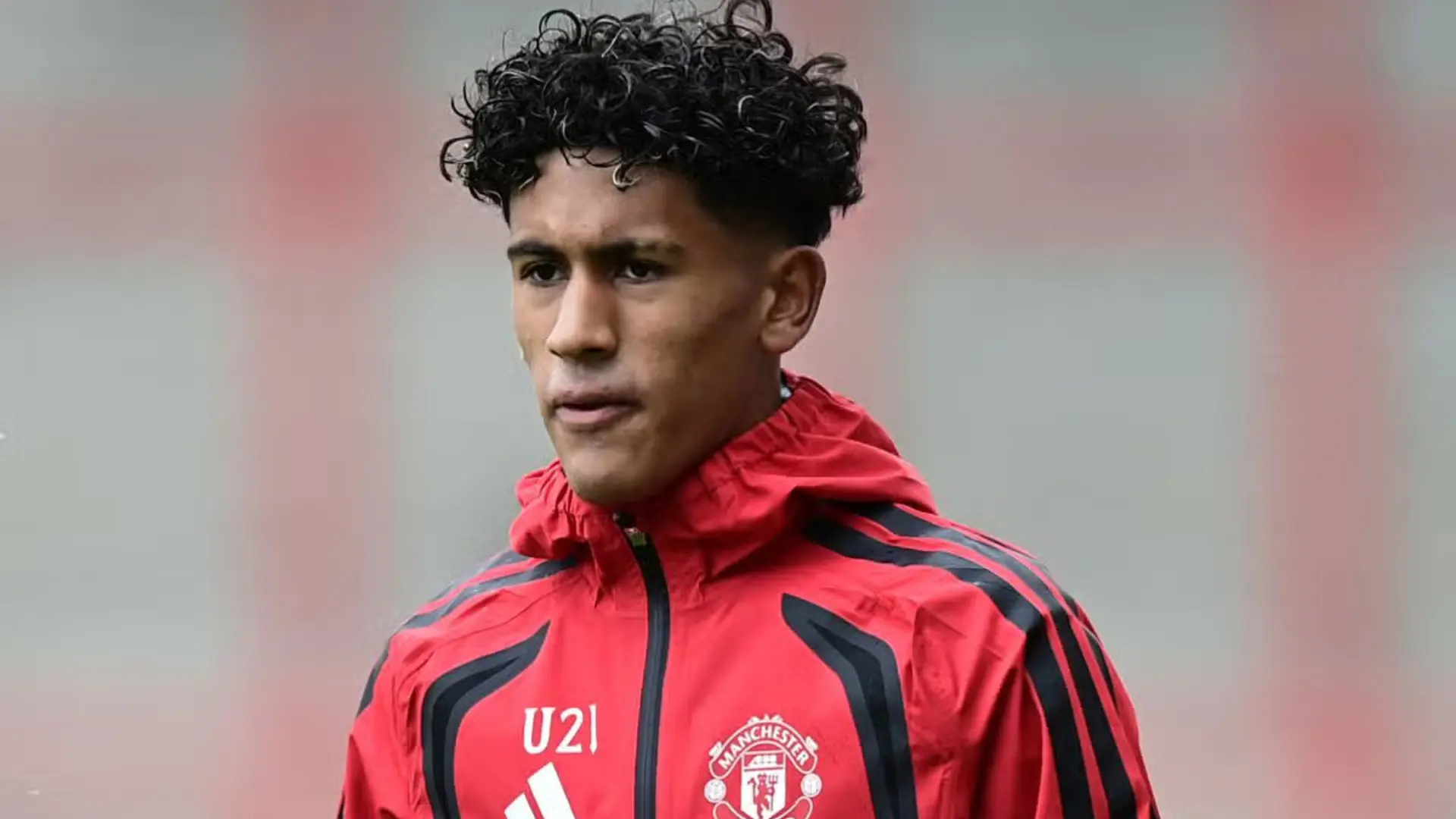
    Arsenal have reportedly joined the race to sign Manchester United youngster JJ Gabriel, according to a report from football.london. The Gunners are described as the latest club to express interest in the player, who is said to be seeking a move away from Old Trafford.

    Arsenal Enter the Frame for Gabriel

    The north London side have emerged as contenders for the teenager’s signature, adding to a growing list of suitors monitoring his situation at Manchester United. Gabriel, widely regarded as one of the academy’s promising talents, has been labeled a “wantaway” figure amid suggestions he is looking for a clearer pathway to first-team football.

    Growing Competition for the Youngster

    While specific details regarding the extent of Arsenal’s interest or potential transfer fees remain scarce, the report positions the club as a serious admirer. The development underscores the high regard in which Gabriel is held across the Premier League, with multiple clubs reportedly tracking his availability.

    Manchester United face a decision on the player’s future as they weigh up retaining a highly rated academy product against the prospect of a sale that could fund other areas of the squad.

  • Win 2027 Grand Prix Tickets to Celebrate 2027 Calendar Launch

    Win 2027 Grand Prix Tickets to Celebrate 2027 Calendar Launch

    Formula 1 Launches 2027 Calendar Giveaway with Race Tickets Prize

    Formula 1 is celebrating the release of the 2027 F1 Calendar by offering fans a chance to win tickets to a 2027 Grand Prix of their choice. The promotion runs through the official F1 Unlocked platform.

    How to Enter the 2027 F1 Ticket Giveaway

    To participate, fans must:

    • Sign up for a free F1 Unlocked account (or sign in if already a member)
    • Vote for the 2027 race they are most looking forward to attending

    One winner will be selected to receive tickets to their chosen 2027 Formula 1 race.

    About F1 Unlocked

    F1 Unlocked is Formula 1’s free membership program that provides fans with exclusive content, priority ticket access, behind-the-scenes features, and special promotions like this calendar launch giveaway.

    The 2027 Formula 1 season calendar was recently announced, setting the schedule for the next championship year. Fans can now review the full race lineup and cast their vote for the event they most want to experience in person.

  • VAR Controversy: Rushed Derby Review Highlights Pressure for Quick Decisions

    VAR Controversy: Rushed Derby Review Highlights Pressure for Quick Decisions

    VAR Process Failures Highlighted in Manchester City Controversy

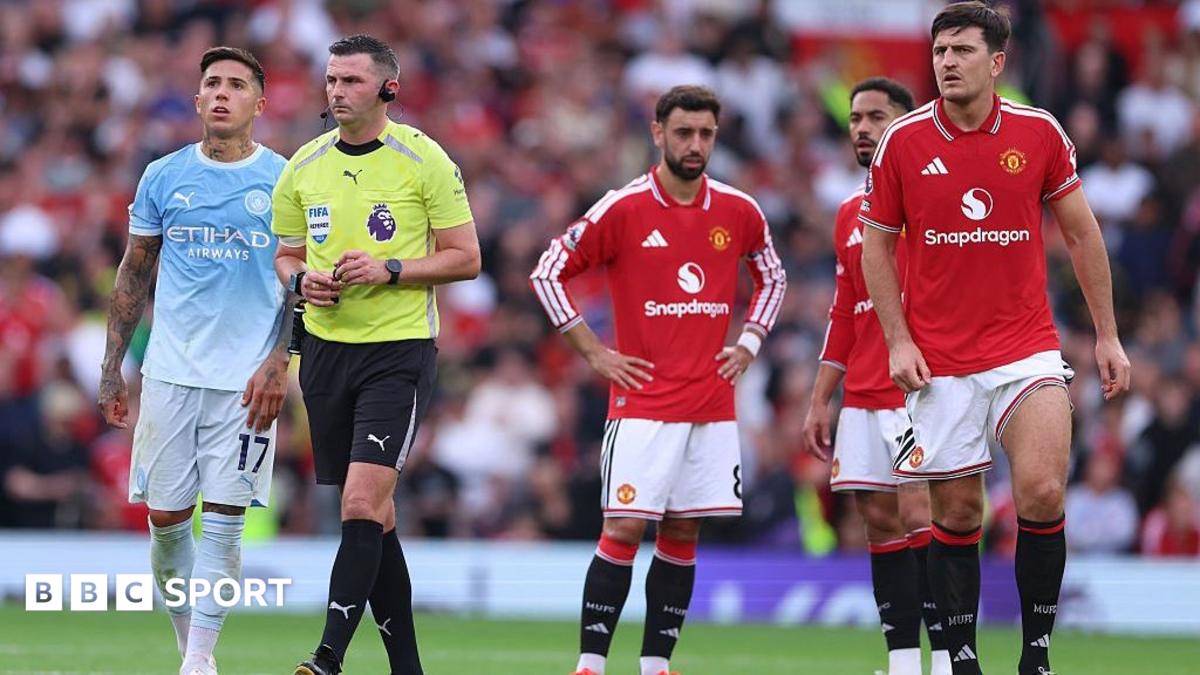
    A critical breakdown in Video Assistant Referee (VAR) protocol has emerged following the review of a Manchester City goal, with officials accused of skipping essential assessment steps in favor of speed. The incident, involving VAR John Donohue and Assistant VAR (AVAR) Lee Antrobus, has drawn scrutiny over procedural errors that occurred before the final decision was reached.

    Premature Transition to Offside Technology

    The most serious error in the process came before Donohue attempted to rush through the attacking phase review. Donohue instructed the replay operator to stop the video on the first replay — the moment Josko Gvardiol touched the ball to cross into the penalty area — and immediately moved to the semi-automated offside technology.

    This approach bypassed a fundamental requirement: the VAR team should have assessed the full sequence of play, from the delivery of the cross to Erling Haaland’s header. A complete review would have provided awareness of Enzo Fernandez’s position and potential impact inside the penalty area.

    Narrow Focus Undermined Comprehensive Review

    By failing to evaluate the events inside the penalty area during the initial phase, the officials deferred that analysis until later. At that point, the sole focus for Donohue and Antrobus became whether Fernandez had touched the ball — a touch that would have created a new phase of play and placed Haaland in an offside position.

    While Donohue has absorbed much of the public criticism, Antrobus’s role — or lack thereof — was arguably just as influential. The AVAR’s entire contribution to the review consisted of uttering “no, yeah” regarding the potential touch by Fernandez. This remark came just one second before Donohue declared, “final decision is goal, check complete.”

    AVAR Role and Checks and Balances

    The AVAR is responsible for providing checks and balances to ensure the VAR has not missed any critical elements. In this instance, that safeguard fell short. The failure raises questions about whether external factors influenced Antrobus’s judgment.

    Previous Lengthy Delay May Have Played a Role

    This season has seen only one notably lengthy VAR delay, occurring during the Brentford versus Sunderland fixture. In that match, a Dan Ballard goal was disallowed for a subjective offside against Kevin Danso — a review that exceeded four minutes. Antrobus served as the AVAR for that game as well, and the extended delay attracted significant media criticism.

    While it cannot be confirmed, the psychological impact of that prior scrutiny may have weighed on Antrobus during Sunday’s review. Ironically, in the Brentford match, Antrobus played a crucial role in guiding VAR Tim Wood to the correct offside decision against Danso.

    Support VAR Did Not Intervene

    An additional layer of oversight exists in the form of the support VAR, positioned in the operations room adjacent to the match hub at Stockley Park, with authority to intervene on protocol matters. Despite awareness of the unfolding review, no action was taken.

    The situation remained salvageable during the window between the goal being scored and the subsequent kick-off — a period in which protocol allows for corrective intervention.

  • Ryan Garcia Confirms Gervonta Davis Rematch Talks, Reveals Terms Have Changed

    Ryan Garcia Confirms Gervonta Davis Rematch Talks, Reveals Terms Have Changed

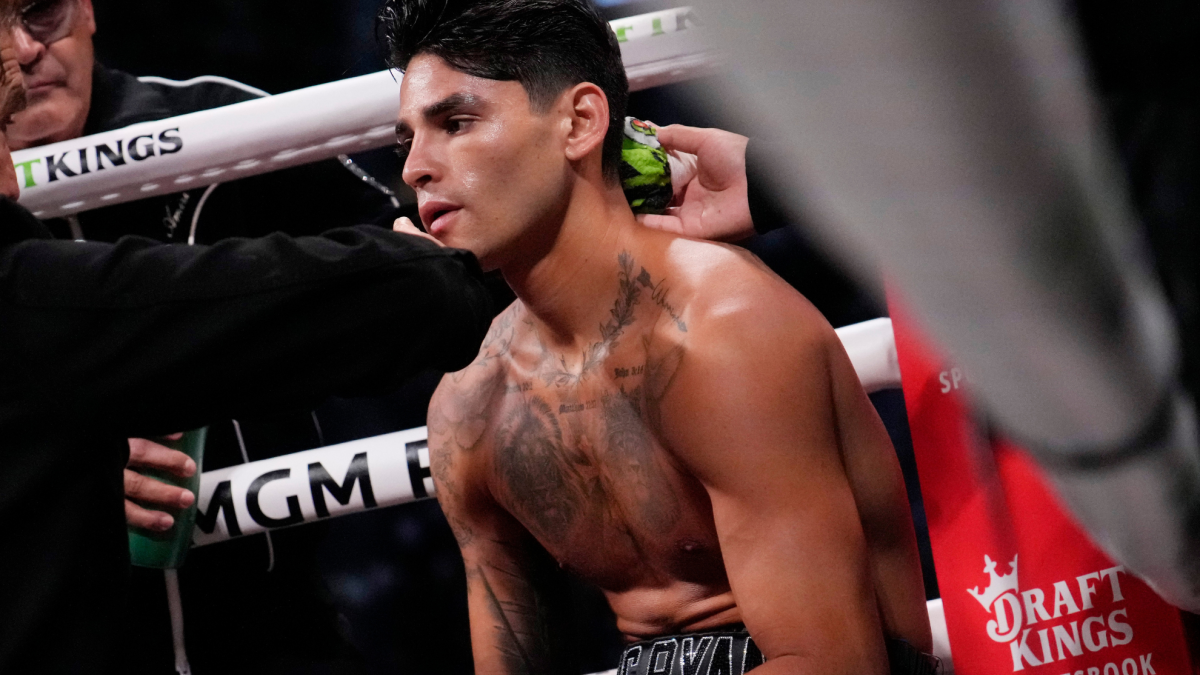
    Ryan Garcia Demands 147 Pounds for Gervonta Davis Rematch, Refuses Past Concessions

    Ryan Garcia has made his terms clear for a potential rematch with Gervonta “Tank” Davis: the fight happens at 147 pounds or not at all. After their 2023 bout ended with Garcia on the canvas, the California native says he will no longer be the fighter making major concessions to make the matchup happen.

    Garcia Confirms Contact, Sets Weight Parameters

    Garcia confirmed that Davis and Premier Boxing Champions founder Al Haymon have reached out to his team about a second fight. He immediately established his non-negotiable stance on social media.

    “I can confirm Gervonta and Al have contacted my team,” Garcia wrote on X. “147 or nothing.”

    He added conditions regarding Davis’ preparation and current situation.

    “And I want him to get a tune up fight and be at his best when we fight,” Garcia added. “He has some stuff to handle but we forsure going to get it going on. LETS RUMBLE.”

    Stark Contrast to First Fight Negotiations

    This position represents a significant reversal from their first meeting in April 2023. For that bout, Garcia agreed to terms heavily favoring Davis, including a 136-pound catchweight and a rehydration clause preventing him from weighing more than 146 pounds on fight day. Davis won by seventh-round knockout with a body shot Garcia couldn’t recover from.

    Since that loss, Garcia has insisted he would never accept similar restrictions again.

    “I need that if you want it,” he wrote while discussing a rematch at 147 pounds. “If not, there’s nothing to be said.”

    He has indicated 144 pounds could potentially be discussed but ruled out a return to 140 entirely.

    “There’s no way I’m going down to 140,” Garcia said in another exchange. “He got to come up to me sooner or later.”

    Davis Signals Willingness to Compromise

    Davis, responding through an account linked to him, appeared open to moving closer to Garcia’s requested weight.

    “No lie for you, I’ll do 144…word, say it’s a bet!!” Davis wrote. “And I’ll get this sh*t I’m going through out the way! Just give the word!!”

    Garcia Holds Leverage in 2026

    The negotiating dynamic has shifted considerably since 2023. After setbacks against Devin Haney and Rolando Romero, Garcia rebuilt his standing with a title win over Mario Barrios and strengthened it further with a victory over Conor Benn.

    Garcia now considers 147 pounds his natural division. By contrast, Davis has spent most of his career at 130 and 135 pounds, with only limited experience above lightweight. This makes the weight issue a substantive competitive factor rather than mere negotiating theater.

    A rematch is clearly back in play, but Garcia is no longer presenting himself as the fighter willing to bend just to make it happen. Three years ago, he moved toward Davis. Now he expects Davis to move toward him.

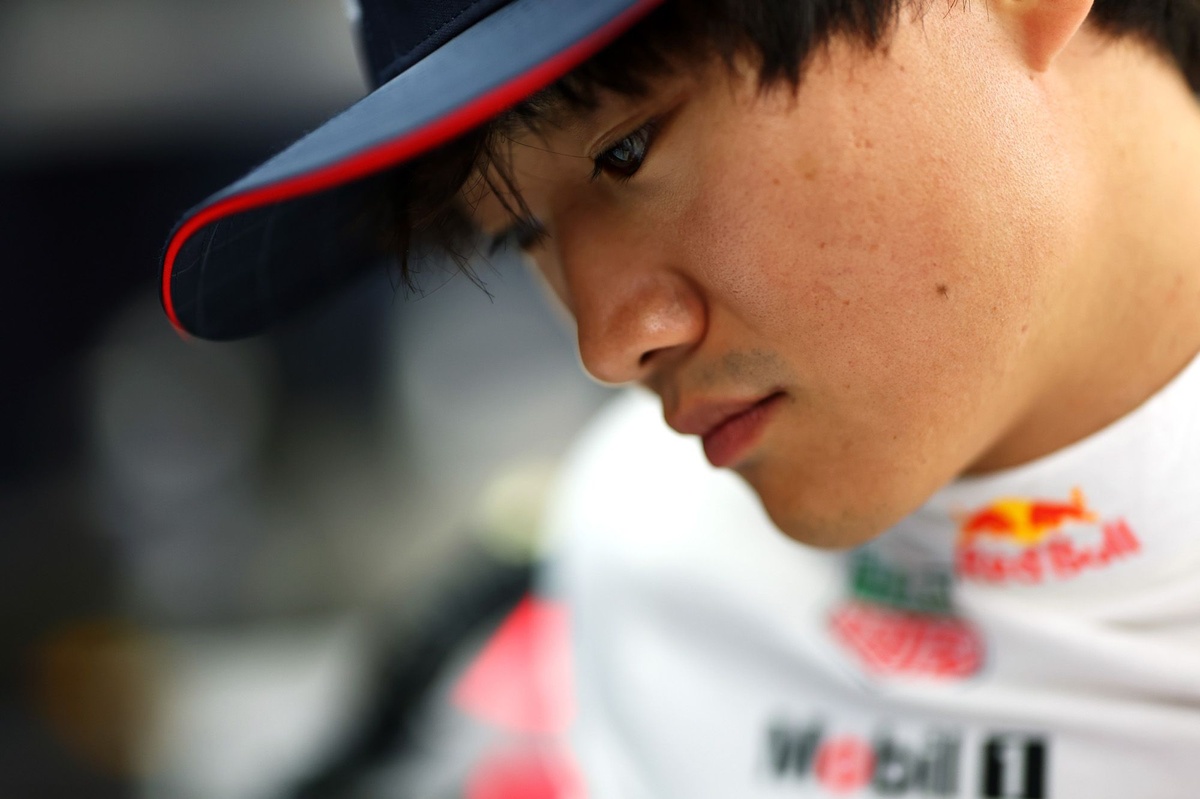
  • “I’m not enjoying life” – How Yuki Tsunoda’s Red Bull F1 stint “exhausted” him

    “I’m not enjoying life” – How Yuki Tsunoda’s Red Bull F1 stint “exhausted” him

    Key Highlights

    • Yuki Tsunoda described his 2025 Red Bull Racing season as the “toughest year” of his career, revealing severe mental exhaustion and a loss of enjoyment in Formula 1 while struggling to match Max Verstappen’s performance.
    • Tsunoda lost his race seat after the summer break when Isack Hadjar was promoted and Arvid Lindblad debuted, but returned to Racing Bulls for the final three grands prix following Hadjar’s wrist injury and Liam Lawson’s temporary Red Bull call-up.
    • The Japanese driver stated he emerged from the ordeal mentally stronger, declaring he now feels “very comfortable” under pressure and believes nothing in his future career will match the difficulty of his 2025 experience.

    Tsunoda’s Brutal Red Bull Audition: A Midseason Promotion With No Preparation

    Yuki Tsunoda’s 2025 Formula 1 campaign stands as a case study in the unforgiving nature of Red Bull Racing’s second seat. Promoted from Racing Bulls midseason to partner four-time world champion Max Verstappen, Tsunoda stepped into the RB21 without a single prior lap in the machinery—a disadvantage compounded by the team’s condensed development cycle. While Sergio Perez endured four seasons in the role and Liam Lawson lasted merely two grands prix, Tsunoda received a nearly full campaign to prove his worth. He finished 17th in the drivers’ championship, while Verstappen narrowly missed a fifth consecutive title by two points, underscoring the performance gap that has defined the Milton Keynes squad’s driver lineup dynamics for years.

    Mental Toll: Exhaustion, Isolation, and a Loss of Passion

    Speaking candidly on the Beyond The Grid podcast, Tsunoda laid bare the psychological erosion that accompanied his on-track struggles. The 26-year-old described a progressive breakdown of his usual coping mechanisms, where familiar reset rituals—good food, downtime at home—ceased to restore his energy as the season wore on.

    “Definitely, 2025 was the toughest year in my career, and I learned heaps of things,” Tsunoda said. “I’m the kind of person, as soon as I had good food or whatever, I was able to reset myself between the race weeks. But I started to really struggle, towards the second half of the season especially; somehow when I came back to my house, I felt very exhausted.”

    The exhaustion deepened into existential doubt. Tsunoda recounted a growing inability to recharge, a relentless schedule that offered no respite, and a creeping realization that the joy driving his career had evaporated.

    “Normally I’m able to reset myself, get back this energy after I had something that I really like, if I do something that I really like. But I didn’t feel that energy, [it] never came back, and the races just kept going and going, going, going. I had so much up and down, and at some point I just recognised myself that I’m not really enjoying my life, I would say, like I’m not really enjoying the situation, not really enjoying driving Formula 1 probably as much as I was doing the first three years.”

    Confronting the Root Cause: Distance from Home and Professional Support

    Tsunoda traced the crisis to a factor he had overlooked since his formative European racing years: geographic and emotional separation from his support network in Japan.

    “So, it was a very tough time, and outside of racing, try to solve this issue, right? What can I do to help that? And if I look back, is there something else other than eating food or this stuff? What makes me happy? And normally it’s friends, but mostly friends in Japan and… Okay, I really recognised, actually I’m away from Japan. That I really never thought about since probably my first year in F3.”

    He sought professional intervention—psychological support, trainer guidance—but the punishing second-half calendar limited the space needed for recovery. “Okay, this is tough, something that I have to resolve myself. I got help quite a lot with psychology, trainer and a lot of things, but the race [schedule] was pretty busy in the second half, so it was a pretty tough time. But at the same time, the year gave me the opportunity to look myself through a lot more than any other years.”

    Demotion, Reserve Role, and an Unexpected Return

    The organizational fallout was swift. Ahead of the 2026 season, Red Bull promoted Isack Hadjar to the senior team and handed Arvid Lindblad his Formula 1 debut at Racing Bulls, relegating Tsunoda to a reserve driver role across both squads. Fortune intervened during the summer break when Hadjar sustained a wrist injury, prompting Lawson’s temporary elevation to Red Bull and creating a vacancy at Racing Bulls. Tsunoda seized the opportunity, contesting the final three grands prix starting at Zandvoort.

    The reprieve revealed a transformed competitor. Tsunoda reported a newfound comfort under pressure, crediting the 2025 crucible for recalibrating his mental framework.

    “Not sure I’m gonna have that much pressure and struggle, difficult times, as much as I had in 2025,” he added. “So everything comes so far with big challenges. Somehow I’m able to enjoy that kind of pressure moments and I feel very comfortable. Jumping into the car that I’ve never driven, spring qualifying format, VCARB team’s doing really well, running P5 in the teams’ championship – you can’t really mess up for the race, you want to have points. Somehow I was like, I really feel okay, I didn’t feel that much pressure.”

    Asked whether any future challenge could match 2025’s intensity, his answer was definitive: “I don’t think so.”

    Why This Matters

    Tsunoda’s experience illuminates the human cost of Red Bull’s high-stakes driver development model, where the second seat has become a revolving door of talent unable to withstand the Verstappen benchmark. The team’s 2026 lineup shuffle—elevating Hadjar and Lindblad while retaining Tsunoda in a reserve capacity—signals a continued willingness to cycle through candidates rather than stabilize the pairing. For Tsunoda, the season represents a pivotal career inflection: a driver who confronted the limits of his resilience, sought structured psychological support, and emerged claiming a durable mental upgrade. His return to Racing Bulls for the season’s closing rounds, where he operated without the paralyzing pressure that defined his Red Bull stint, offers a tangible measure of that growth. The broader paddock will watch closely whether this psychological recalibration translates into sustained on-track performance in 2026, particularly if Tsunoda secures a full-time drive again.

    Frequently Asked Questions

    Why did Yuki Tsunoda struggle so severely during his 2025 Red Bull Racing stint?
    Tsunoda was promoted midseason without any prior experience driving the RB21, placing him at an immediate technical disadvantage against four-time champion Max Verstappen. The performance gap, combined with a relentless race schedule and isolation from his Japan-based support network, triggered profound mental exhaustion and a loss of enjoyment in racing.
    How did Tsunoda return to a race seat after being demoted to reserve driver?
    Isack Hadjar, who had been promoted to Red Bull Racing for 2026, suffered a wrist injury during the summer break. Liam Lawson filled in for Hadjar at Red Bull, vacating his Racing Bulls seat and allowing Tsunoda to compete in the final three grands prix starting at Zandvoort.
    Does Tsunoda believe he is mentally stronger after the 2025 season?
    Yes. Tsunoda explicitly stated that he now feels “very comfortable” under pressure, enjoys high-pressure moments, and does not expect any future career challenge to match the difficulty of his 2025 experience. He credited psychological support and self-reflection during the season for the transformation.
  • What’s Gone Wrong for Chelsea Talent Kendry Paez?

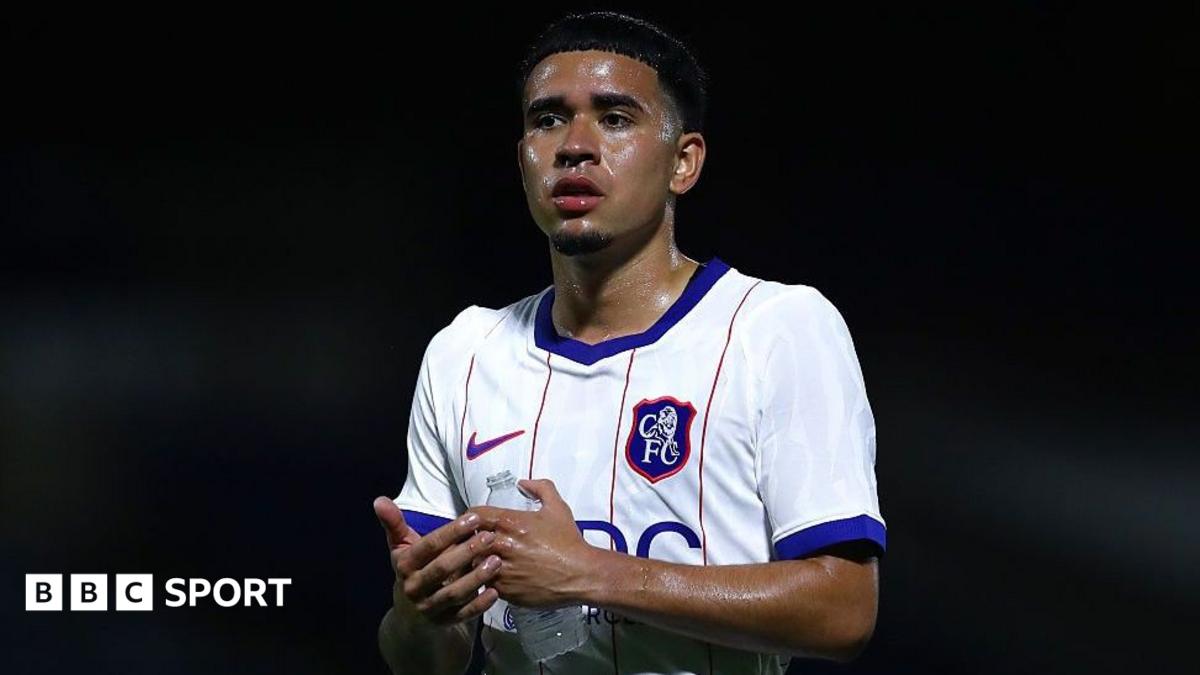
    What’s Gone Wrong for Chelsea Talent Kendry Paez?

    Kendry Paez: From Record-Breaking Prodigy to Crossroads at Chelsea

    Ecuadorian winger Kendry Paez exploded onto the scene as a historic prodigy, but his development path since joining Chelsea has encountered significant turbulence. After a record-setting start in his homeland and a high-profile move to the Premier League, the attacker now finds himself at a critical juncture following difficult loan spells in France and Argentina.

    Historic Start in Ecuador and South America

    Paez rewrote the record books before he was old enough to vote. He became the youngest debutant and goalscorer in Ecuadorian top-flight history at the age of 15. Later that same season, he made his debut in the Copa Libertadores, South America’s premier club competition.

    His international ascent was equally meteoric. In 2023, aged 16 years and 131 days, he made his second appearance for Ecuador, becoming the second-youngest South American to feature in World Cup qualifying behind only Diego Maradona. A month later, he set another benchmark as the youngest South American to score in a World Cup qualifier during a 2-1 victory away to Bolivia.

    Chelsea Investment and Early Support

    By the time Chelsea agreed to sign him, Paez had already accumulated two international goals and 18 caps. The club believed the attacker was destined for elite status. Demonstrating a commitment to his development beyond the pitch, Chelsea integrated him into first-team training sessions well before he was officially eligible to join following his 18th birthday.

    The club also provided security for Paez, his family, and the family of international teammate Moises Caicedo after violence erupted in Ecuador in early 2024.

    Disciplinary Issues and Strasbourg Struggles

    Off-field concerns emerged a few months later when Paez was filmed in a New York strip club while away on international duty.

    On the pitch, his initial loan at Chelsea’s sister club Strasbourg began promisingly. He won the Ligue 1 Young Player of the Month award for September. However, his form and application dipped sharply thereafter, drawing sharp public criticism from then-manager Liam Rosenior.

    “We expect more, clearly,” Rosenior said later that season. “I’m tired of using the excuse of the player’s youth.”

    Despite the shared ownership structure linking Strasbourg and Chelsea, the loan was terminated early. Paez managed just one goal in 21 appearances.

    River Plate Loan Cut Short

    Paez subsequently joined Argentine giants River Plate on a two-year loan, but the move failed to revive his trajectory. Sources in Argentina echoed concerns regarding his attitude when contacted by BBC Sport. They pointed to a disappointing performance in the 1-0 Superclasico defeat to fierce rivals Boca Juniors at the Monumental in April.

    Shortly after that match, club president Stefano Di Carlo named Paez as one of 15 players training away from the first team, though other observers felt he warranted more opportunities. The loan was ultimately ended by mutual consent after the winger scored once in 14 appearances, totalling just 461 minutes on the field.

    Concern in Ecuador and the Path Forward

    Ahead of the recent international break, anxiety regarding Paez’s trajectory has surfaced in Ecuador, where he was once hailed as the nation’s next great attacking talent. Michel Deller, the owner of Paez’s formative club Independiente del Valle, spoke candidly to Hincha Amarillo about the situation.

    “He’s like a son to us. We care about him deeply.

    “He’s a good kid who’s had a tough time and has made decisions that have complicated his life.

    “We are always hopeful he’ll show his exceptional talent one again but right now, it’s up to him to decide what to do with his life.”

    These concerns are acknowledged but not fully endorsed by Chelsea or Paez’s immediate circle. There is a prevailing belief within his camp that the criticism is grossly overstated. The consensus remains that the player, still only 18, is owed time to mature both as a professional athlete and as a young man navigating immense pressure.

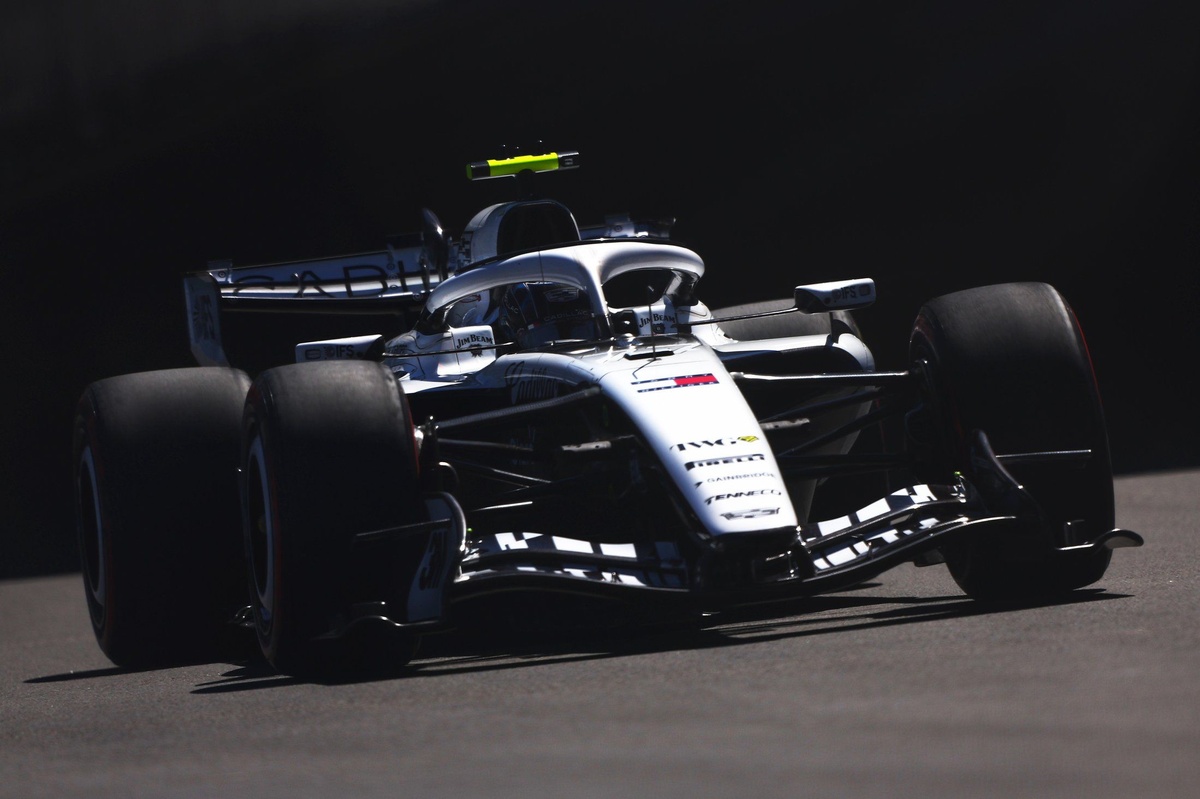
  • Was Cadillac “faster” than Williams in Madring F1 Race?

    Was Cadillac “faster” than Williams in Madring F1 Race?

    Key Highlights

    • Sergio Perez showed strong race pace at the Spanish Grand Prix, matching and briefly surpassing Alexander Albon’s Williams before a water leak forced his retirement.
    • Teammate Valtteri Bottas struggled with significant tire degradation and brake management, highlighting a performance disparity within the Cadillac squad.
    • Cadillac targets improvement at the Azerbaijan Grand Prix, where the Baku circuit’s low-downforce nature may mask the MAC-26’s current aerodynamic deficiencies.

    Perez Finds Encouraging Pace Amid Reliability Woes

    Cadillac’s maiden Formula 1 campaign has largely been defined by backmarker status, but the Spanish Grand Prix at the new Madrid circuit—referred to as Madring—offered a glimmer of competitiveness from Sergio Perez. The Mexican driver qualified 18th but made a lively start, jumping past Yuki Tsunoda and Carlos Sainz to sit 16th. More importantly, his race pace proved genuinely competitive against the midfield benchmark.

    Perez spent the entirety of his race shadowing Alexander Albon’s Williams, running a near-identical strategy of mediums to hards under the Virtual Safety Car. “I was pretty much the same pace as [Alexander] Albon all the way through,” Perez commented. “I was within a second or two until we had the issue. So a really strong weekend for the team in terms of pace. We pushed everything, we were on the limit with the brakes, but we pushed to the very limit, and [I’m] happy with that.” Telemetry backed his assessment: while Perez was 0.403 seconds per lap slower on the medium compound over 11 representative laps, he turned the tables on the hard tire, lapping 0.351 seconds quicker than Albon over eight laps before a terminal water leak and blue flags ended his challenge.

    Bottas Highlights Degradation and Durability Deficits

    The picture was starkly different for Valtteri Bottas. The Finn languished at the rear of the field, managing excessive brake temperatures with persistent lift-and-coast throughout the afternoon. “We know we need to improve,” the Finn nervously chuckled. “The car is still not robust enough, and we need to make it a lot faster. And the deg today highlights how much we’re lacking, it’s like way more than the competition.” Cadillac’s reliability record underscores the struggle: the team has suffered 11 retirements or non-starts in the 2026 season, fewer than Aston Martin’s 15 but significantly more than Williams’ seven.

    When presented with Perez’s positive comparison to Albon, Bottas offered a nuanced counterpoint. “In the beginning we can be there, we’ve seen, but as the race progresses, the deg gets worse. But actually for the next event, I’m more hopeful that we can be there. Baku, the only high-speed corners, they are flat out; otherwise it’s slow- or medium-speed.” His assessment points to a fundamental aerodynamic inefficiency on the MAC-26 that punishes the car disproportionately on conventional circuits.

    Why This Matters: A Two-Tier Trajectory for a Rookie Team

    The divergent weekends of Perez and Bottas expose the volatile nature of Cadillac’s development curve. Perez’s ability to match a race-winning midfield outfit like Williams—albeit over a limited sample—suggests the underlying potential of the chassis and power unit package exists, provided the car is in its optimal window. Conversely, Bottas’s experience confirms that the operational window remains dangerously narrow, with tire degradation and thermal management acting as primary performance limiters. With 11 DNFs already on the board, reliability is not merely a statistical blemish but a barrier to data accumulation. The upcoming Azerbaijan Grand Prix represents a critical calibration opportunity: Baku’s unique layout, dominated by long straights and low-speed corners, reduces the downforce demand that currently plagues the MAC-26. A strong showing there would validate the team’s aerodynamic diagnosis and provide momentum heading into the European swing, but it would not solve the fundamental lack of robustness that Bottas emphasized.

    Frequently Asked Questions

    How did Sergio Perez’s pace compare to Alexander Albon at the Spanish Grand Prix?

    On the opening medium stint, Perez lapped 0.403 seconds slower per lap than Albon. After both switched to hard tires under the Virtual Safety Car, Perez was 0.351 seconds per lap quicker over eight representative laps before a water leak and blue flags intervened.

    What are Cadillac’s main technical issues according to Valtteri Bottas?

    Bottas cited insufficient car robustness, excessive tire degradation relative to rivals, and persistent brake temperature management issues requiring significant lift-and-coast throughout the race.

    Why is the Azerbaijan Grand Prix seen as a better opportunity for Cadillac?

    The Baku circuit features predominantly slow- and medium-speed corners with only flat-out high-speed sections, reducing the downforce demand that currently exposes the MAC-26’s aerodynamic deficiencies on conventional tracks.

  • How to Watch ‘Max vs 100’: Streaming Guide for New Competition Series

    How to Watch ‘Max vs 100’: Streaming Guide for New Competition Series

    Key Highlights

    • Four-time Formula 1 world champion Max Verstappen competes against 100 amateur drivers in Red Bull’s “Max vs 100” go-karting event at Silverstone on September 16.
    • Verstappen starts at the rear of a 101-kart grid and has 30 laps or 55–75 minutes to overtake every rival; amateurs qualify in five groups of 20 to set the grid order.
    • The race streams live on ESPN via Disney+ from 6 p.m. local time, featuring Mario Kart–inspired graphics, cinematic drone footage, and commentary by comedian Mo Gilligan.

    Verstappen Returns to Karting Roots in Massive Head-to-100 Showdown

    Formula 1 world champion Max Verstappen is trading his Red Bull Racing RB20 for an identical 85 kg go-kart today at Silverstone, taking on 100 challengers in a one-off spectacle branded Max vs 100. Organized by Red Bull, the event pits the Dutch driver against a mixed field of athletes, celebrities, content creators, and everyday fans on a purpose-built layout of the Silverstone kart circuit. Verstappen, a four-time F1 title holder, described the outing as a natural return to the discipline that forged his race craft.

    “In go-karts you learn all the basics: starts, defending, overtaking,” said Verstappen. “Of course, I spent a long period of my life go-karting, so it’s always nice to return,

    “It’s about understanding the grip of the go-kart. I’ve done so many years in go-karting that you quite naturally get back into things.”

    Format: One Pro, 100 Amateurs, 30 Laps to Conquer the Field

    The competition structure is designed for maximum drama. After a qualifying session at 2:20 p.m. local time—split into five segments of 20 drivers each, with each karter allowed a single flying lap—the 100 amateurs will line up ahead of Verstappen, who starts dead last. He then has 30 laps, capped at 55 to 75 minutes, to pass every opponent. Each driver he overtakes is immediately eliminated, meaning the contest could finish well before the full distance.

    To level the playing field slightly, amateurs may deploy one “fast lap” during the first half of the race, using a track shortcut to gain ground. For the final 15 laps, however, that tactical option belongs exclusively to Verstappen. All karts are mechanically identical, and the reigning champion can communicate directly with his rivals via radio throughout the event.

    Star-Studded Amateur Grid Blends Sport, Entertainment, and Social Media

    The published entry list reads like a crossover episode of British pop culture. Confirmed participants include content creators Zac Alsop and Jack McDermott (known professionally as Pieface), 2019 Love Island winner Amber Gill, and ultramarathon runner Arda Saatci. The diverse roster underscores Red Bull’s intent to merge motorsport with broader entertainment audiences, turning a pure driving challenge into a viral-ready spectacle.

    Broadcast Plan: Mario Kart Aesthetic Meets Live Sports Production

    Qualifying will not be televised, but the main race airs live at 6 p.m. local time on ESPN via Disney+, Red Bull’s commercial partner, with a pre-event show beginning at 5 p.m. Comedian Mo Gilligan hosts the coverage, which promises a heavy Mario Kart vibe: game-inspired on-screen graphics, cinematic drone footage, and a production style built for social clips as much as traditional broadcast. The visual language is deliberately playful, reinforcing the event’s positioning at the intersection of elite sport and mass-market entertainment.

    Why This Matters

    Max vs 100 represents a growing trend in motorsport: leveraging driver personality and accessible formats to reach audiences beyond the traditional F1 paddock. By stripping away the technological complexity of Formula 1 machinery and placing a world champion in identical equipment against relatable opponents, Red Bull creates a narrative that is instantly understandable—can the best driver on the planet beat 100 people at once? The event also serves as a proof of concept for future “pro vs. mass participation” spectacles, potentially opening new revenue streams through streaming rights, sponsorship integrations, and short-form content distribution. For Verstappen, it reinforces his brand as a racer’s racer who never lost touch with the grassroots of the sport.

    Frequently Asked Questions

    When and where can I watch Max vs 100 live?

    The race streams live on ESPN via Disney+ starting at 6 p.m. local time (Silverstone) on Wednesday, September 16, with a pre-show at 5 p.m. Qualifying at 2:20 p.m. is not broadcast.

    How does the elimination format work?

    Verstappen starts last in a 101-kart field. Every amateur he overtakes is instantly eliminated. He has 30 laps or a maximum of 55–75 minutes to clear the entire field; the event ends early if he passes everyone before the lap or time limit.

    Who are some of the notable amateur participants?

    The entry list includes British content creators Zac Alsop and Jack McDermott (Pieface), 2019 Love Island winner Amber Gill, and ultramarathon runner Arda Saatci, among athletes, celebrities, and fans selected through Red Bull’s entry process.