Category: Buzz

Unique, interesting, and unusual stories.

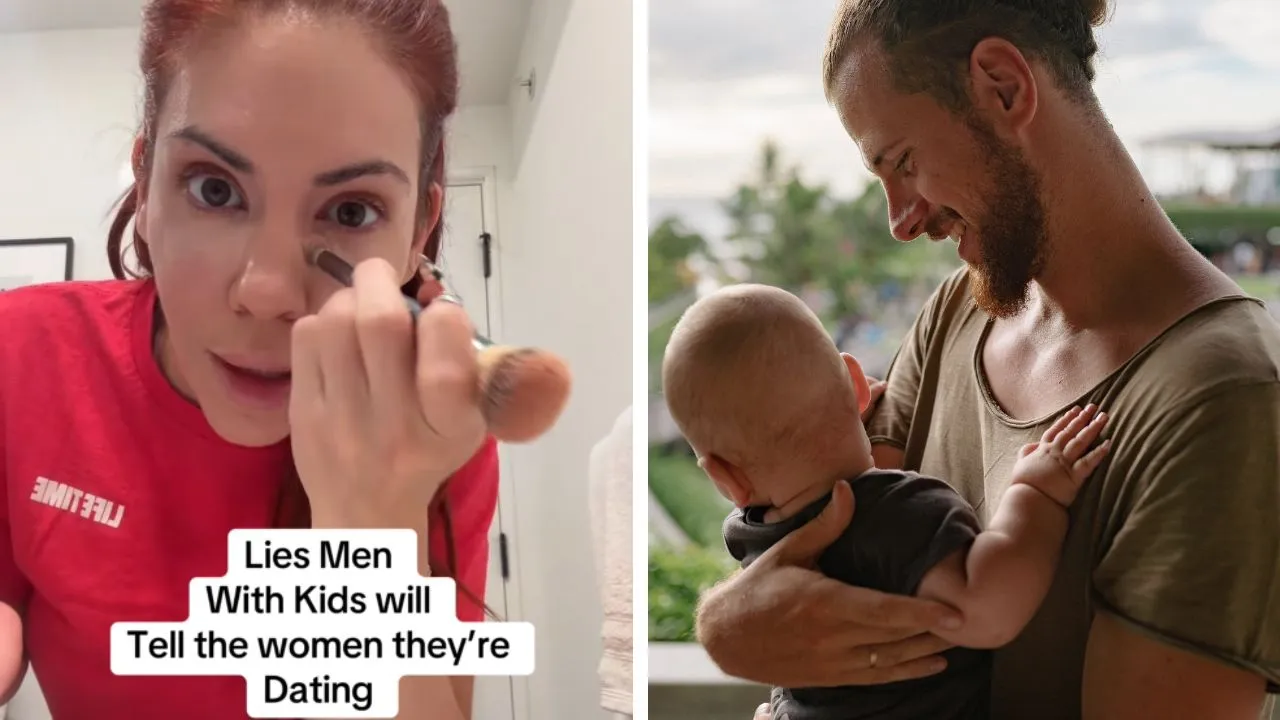
  • ‘If He Calls Her Crazy, Ask More Questions’: TikToker Shares Questions Women Should Ask Before Dating a Single Dad — Comments Reveal Mixed Experiences

    ‘If He Calls Her Crazy, Ask More Questions’: TikToker Shares Questions Women Should Ask Before Dating a Single Dad — Comments Reveal Mixed Experiences

    Key Highlights

    • TikTok creator Ingrid (@ingridexplainsitall) published a viral “Get Ready With Me” video outlining five critical questions women should ask before dating a man with children from a previous relationship, garnering over 54,300 likes and 1,550 comments.
    • Her advice challenges common narratives about “baby daddies,” urging women to scrutinize how men describe their children’s mothers, recognize potential safety motivations behind custody limits, and view financial contributions as shared parenting responsibility rather than favoritism.
    • The comment section revealed sharply divided real-world experiences, ranging from single mothers validating the warnings to successful co-parents and a single father with full custody who said the generalizations did not reflect his reality.

    TikTok Creator Ingrid Sparks Debate on Dating Men With Children

    In a widely viewed TikTok video filmed in a “Get Ready With Me” format, content creator Ingrid—known on the platform as @ingridexplainsitall—delivered a pointed critique of the dynamics women often encounter when dating men who have children with previous partners, a group colloquially referred to as a “baby daddy.” The video, which accumulated approximately 54,300 likes and 1,550 comments by the time of reporting, structured its argument around five specific behavioral patterns Ingrid believes women should interrogate rather than accept at face value.

    Five Red Flags Centered on Narrative Control and Co-Parenting Realities

    Ingrid’s first assertion targeted the language men use to describe the mothers of their children. She argued that when a man labels his former partner “crazy,” the new partner should “ask for more details rather than believe his version.” She followed this by suggesting that a man may privately harbor a desire to reunite with his children’s mother despite reassuring a new girlfriend otherwise. Her third point reframed restricted paternal access: a mother limiting a father’s time with their children may be driven by legitimate safety concerns rather than malice or alienation.

    The creator also addressed finances, contending that monetary contributions from a father to the mother of his children often represent a necessary sharing of responsibility for the “time and effort that the woman puts into raising their children single-handedly,” rather than an optional gift. Finally, she posited that a mother may have zero interest in reconciliation, even if the father claims she is pursuing him.

    Comment Section Becomes a Forum for Divergent Lived Experiences

    The response in the comments underscored the complexity of blended-family dynamics. Numerous viewers, identifying as single mothers or former partners of fathers, validated Ingrid’s framework. One commenter wrote she was “counting down until her youngest turned 18 so she could block the father,” while another recounted being told a partner’s ex was “crazy” only to later discover “there was more to the story.”

    Conversely, several users pushed back against the generalizations. One individual described a years-long successful co-parenting relationship with a former husband. Another, identifying as a single father with full custody, stated the first two claims did not align with his situation. The discourse culminated in a comment that captured the prevailing tension: the situation involves “nuances” and is “not a one-size-fits-all category.”

    Why This Matters

    The viral spread of Ingrid’s video highlights a growing public appetite for nuanced relationship advice that moves beyond simplistic tropes. As dating apps normalize connections between single parents and child-free individuals, the friction between “red flag” content and lived co-parenting realities becomes a significant cultural touchpoint. The mixed reception—where victims of abuse and successful co-parents both find validity in their opposing views—illustrates that blanket advice, even when well-intentioned, risks erasing the very safety concerns and functional partnerships it aims to illuminate. For media literacy, the episode also serves as a case study in how algorithm-driven platforms like TikTok amplify personal anecdotes into quasi-authoritative relationship doctrines without independent verification, a limitation The Daily Dot explicitly noted in its reporting.

    Frequently Asked Questions

    Who is Ingrid and what platform did she use?

    Ingrid is a TikTok creator who posts under the handle @ingridexplainsitall. She shared her dating advice in a “Get Ready With Me” style video on TikTok.

    What were the main points Ingrid made about dating a “baby daddy”?

    Ingrid outlined five points: (1) Question a man who calls his children’s mother “crazy”; (2) Be aware he may still want to reunite with her; (3) Understand that limited custody access may stem from safety concerns; (4) View financial support as shared parenting responsibility, not a favor; (5) Recognize the mother may not want him back despite his claims.

    How did viewers react to the video?

    Reactions were deeply divided. Many single mothers and former partners agreed with the warnings, sharing stories of abuse and deception. Others, including successful co-parents and a single father with full custody, argued the advice relied on harmful generalizations that did not reflect their positive experiences. A top comment summarized the divide by citing “nuances” and calling it “not a one-size-fits-all category.”
  • Viral X Post Suggesting Whiskey as Lube Ruthlessly Mocked

    Viral X Post Suggesting Whiskey as Lube Ruthlessly Mocked

    Key Highlights

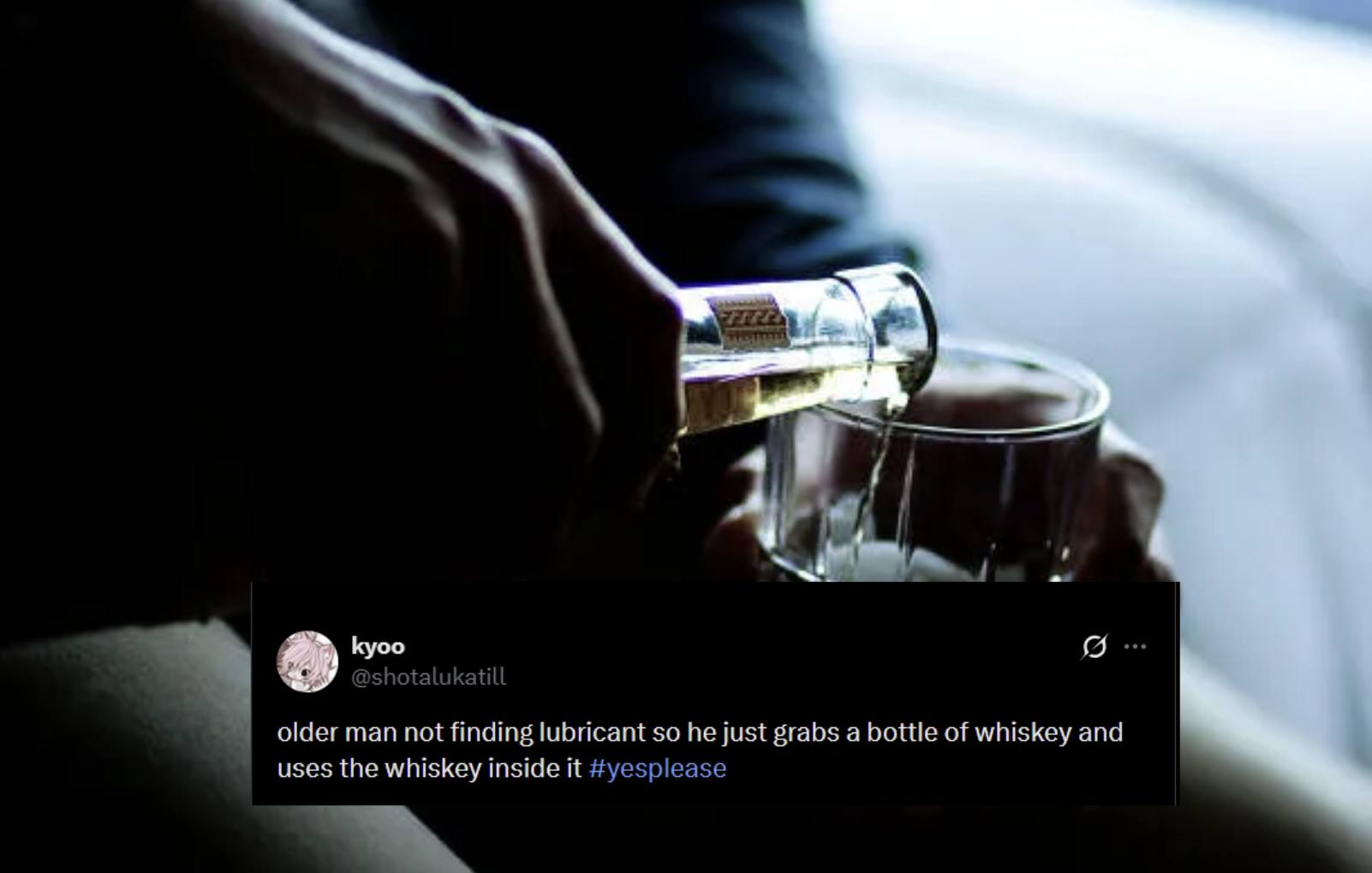
    • A viral X post from late September 2026, dubbed “Whiskey Lubricant,” described a sexual scenario involving an older man substituting whiskey for personal lubricant.
    • The post drew widespread mockery for its premise and prose style, with critics comparing it to low-quality BookTok romance tropes and Archive of Our Own (AO3) erotica.
    • Commentators suggested the depiction reflected a lack of firsthand sexual experience, arguing the author’s understanding of intimacy appeared shaped primarily by internet fanfiction conventions.

    Viral X Post Sparks Debate Over Literary Quality and Sexual Representation

    A short-form post published on X in late September 2026 ignited a wave of ridicule and critical analysis across the platform, centering on a scenario quickly labeled “Whiskey Lubricant” by the user base. The narrative described an older male protagonist who, upon discovering an absence of personal lubricant, opts to use whiskey as a substitute during a sexual encounter. While the platform routinely surfaces absurdist or deliberately provocative content, this specific entry garnered attention for the intensity of the negative reception directed at its literary execution rather than merely its shock value.

    Critics Target Prose Style and Narrative Plausibility

    Responses to the post coalesced around two primary vectors of criticism. First, users lampooned the writing style itself, drawing direct parallels to the often-maligned prose found in viral BookTok recommendations and amateur erotica hosted on Archive of Our Own (AO3). The comparison to AO3—a massive fanfiction repository known for its vast range of quality—served as a specific cultural shorthand for awkward phrasing, improbable anatomy, and melodramatic pacing. Second, the core premise of using whiskey, a high-proof alcohol, as a lubricant alternative was cited as a glaring indicator of biological implausibility, prompting jokes about the immediate physical consequences such an act would entail.

    Discourse Highlights Disconnect Between Tropes and Lived Experience

    Beyond the immediate mockery, a meta-discussion emerged regarding the origins of the post’s specific flavor of erotic writing. A significant portion of the commentary posited that the author’s conceptualization of sex bore the hallmarks of someone whose primary exposure to sexual narratives derives from online fanfiction ecosystems and social media-driven romance trends, rather than practical experience. Critics argued that the scenario relied heavily on established internet tropes—such as the “improvised lubricant” scenario common in hurt/comfort or “first time” fanfiction tags—without accounting for the physiological realities that would make the specific substitution of whiskey painful and dangerous. This line of critique framed the post as a case study in how algorithmic content consumption can distort understanding of human intimacy.

    Why This Matters

    The “Whiskey Lubricant” episode underscores the evolving dynamic between social media virality, fanfiction culture, and mainstream discourse on sexual literacy. As platforms like X (formerly Twitter) and TikTok’s BookTok community become primary vectors for erotic literature discovery—especially among younger demographics—the gap between performative, trope-heavy writing and anatomical reality widens. The incident reflects broader concerns among educators and cultural critics regarding the sources from which individuals derive sexual scripts. While fanfiction communities like AO3 have long self-regulated through tagging systems and reader feedback, the algorithmic amplification of decontextualized excerpts on general-purpose platforms strips away those guardrails, potentially cementing harmful misconceptions. The discourse also highlights the participatory nature of modern critique, where “hate-reading” and quote-tweeting function as a form of collective media literacy, publicly dissecting and rejecting narratives that fail plausibility tests.

    Frequently Asked Questions

    What was the “Whiskey Lubricant” post?

    It was a viral X post from late September 2026 describing a sexual scenario where an older man uses whiskey as a substitute for personal lubricant.

    Why did the post go viral?

    The post attracted widespread mockery for its implausible premise and writing style, which users compared to low-quality BookTok romance novels and amateur AO3 fanfiction erotica.

    What broader discussion did the post generate?

    Critics argued the post exemplified how internet and fanfiction tropes can shape unrealistic depictions of sex, suggesting the author lacked firsthand experience and relied on recycled online conventions rather than biological reality.

  • Viral X Post Recommending Whiskey as Lube Draws Ruthless Mockery

    Viral X Post Recommending Whiskey as Lube Draws Ruthless Mockery

    Key Highlights

    • A viral X post titled “Whiskey Lubricant” circulated in late September 2026, describing a sexual fantasy in which an older man substitutes whiskey for personal lubricant.
    • The post attracted widespread mockery for its implausible premise and prose style, with users likening it to low-quality BookTok content and Archive of Our Own (AO3) erotica.
    • Commentators argued the depiction of sex reflected a lack of firsthand experience, suggesting the author’s understanding was shaped primarily by internet and fanfiction tropes.

    The Viral Post and Its Premise

    In late September 2026, an X post labeled “Whiskey Lubricant” gained rapid traction across the platform. The post presented a fictional scenario centered on an older male protagonist who, upon discovering he had no lubricant available, opts to use whiskey during sexual activity. The narrative framed the substitution as a deliberate erotic choice rather than an improvised necessity, a framing that immediately struck many readers as physically improbable and narratively contrived. The post did not identify its author by name, nor did it link to a longer work; it existed as a standalone micro-fiction thread typical of the platform’s “thirst post” subculture.

    Online Reaction and Mockery

    Response to the post was overwhelmingly derisive. Quote-posts and replies flooded the thread with sarcastic commentary, meme formats, and explicit comparisons to amateur writing communities. Users specifically invoked BookTok—the TikTok subcommunity focused on romance and fantasy novels—and Archive of Our Own (AO3), the dominant fanfiction archive, as benchmarks for the post’s perceived literary quality. The consensus held that the scenario read less like a credible erotic vignette and more like a parody of the genre’s clumsiest tropes, including the fetishization of age gaps and the use of household substances as lubricants, a motif that has circulated in fanfiction for years but is widely recognized as unsafe in practice.

    Critique of Writing Style and Authenticity

    Beyond the premise, the prose itself became a target. Critics described the sentence structure, vocabulary, and pacing as hallmarks of someone mimicking erotic writing without understanding its mechanics or its physical realities. Several highly engaged replies posited that the author’s conception of sex appeared to be derived entirely from consuming fanfiction and social-media erotica rather than from lived experience. This line of criticism touched on a recurring discourse within online writing spaces: the feedback loop in which inexperienced writers replicate stylized, often anatomically inaccurate depictions of sex, which are then consumed by similarly inexperienced readers, reinforcing a distorted collective script.

    Why This Matters

    The “Whiskey Lubricant” episode illustrates how platform algorithms amplify fringe micro-fiction into mass spectacle, subjecting niche writing to mainstream scrutiny it was never designed to withstand. It also highlights the growing influence of fanfiction-derived tropes on broader erotic discourse, particularly among younger demographics whose primary exposure to sexual narratives comes from AO3, Wattpad, and BookTok rather than traditional publishing or comprehensive sex education. The safety implications are non-trivial: the casual depiction of alcohol as a lubricant normalizes a practice that can cause chemical irritation, mucosal damage, and condom degradation. While the post itself was almost certainly intended as fantasy, the volume of engagement demonstrates how quickly such content escapes its original context and enters the informational ecosystem.

    Frequently Asked Questions

    What exactly was the “Whiskey Lubricant” post?

    It was a short, fictional X post from late September 2026 describing an older man using whiskey as a substitute for personal lubricant during sex. The post went viral primarily because users mocked its premise and writing quality.

    Why did people compare it to BookTok and AO3 erotica?

    Critics felt the post’s tropes—improvised lubricants, age-gap dynamics, and stylized prose—mirrored the lowest-common-denominator content found in TikTok’s book-recommendation community and on the fanfiction archive Archive of Our Own, suggesting the author was imitating those styles poorly.

    Is using whiskey as lubricant actually dangerous?

    Yes. Alcohol can irritate sensitive mucosal tissue, disrupt the vaginal or anal microbiome, and degrade latex condoms, increasing the risk of breakage and sexually transmitted infections. Medical professionals strongly advise against using any substance not specifically formulated as a personal lubricant.

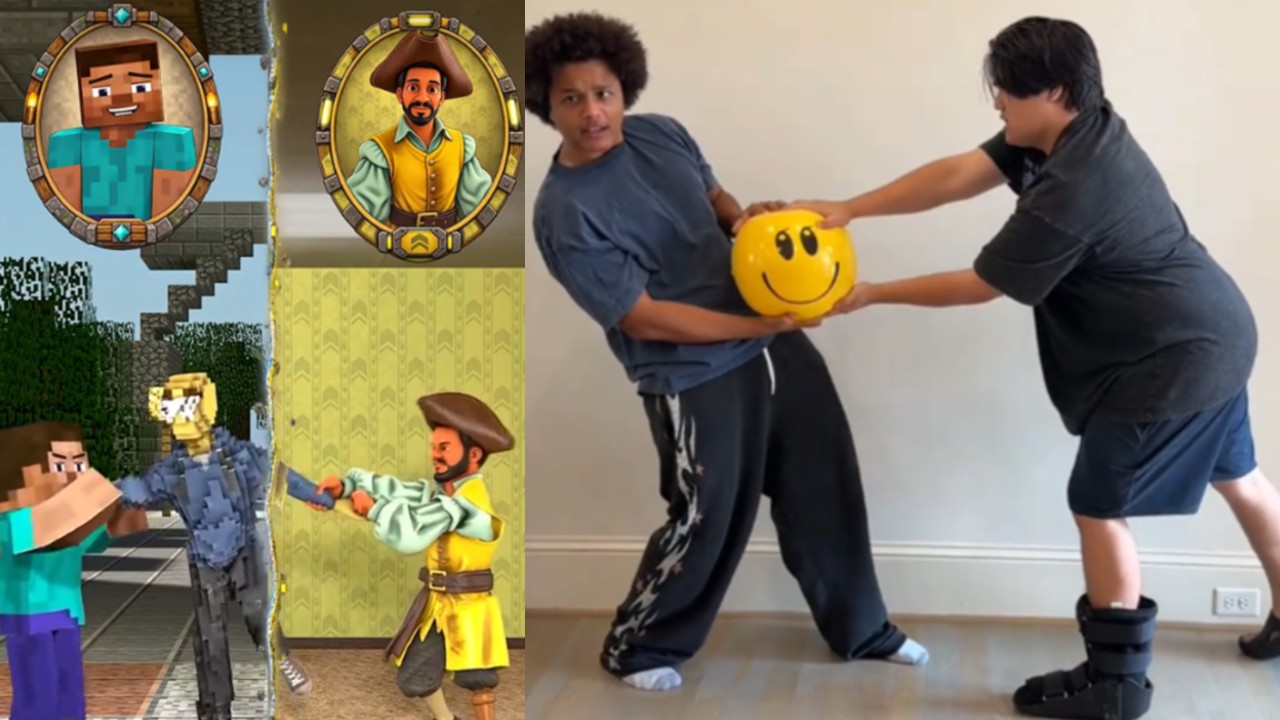
  • What Is the ‘Verity’s From Minecraft’ Meme? The Viral ‘He Belongs To Backrooms’ Memes Explained

    What Is the ‘Verity’s From Minecraft’ Meme? The Viral ‘He Belongs To Backrooms’ Memes Explained

    Key Highlights

    • Fans of Minecraft and the Backrooms horror collaborative are locked in a dispute over the character Verity.
    • Both communities claim affiliation with the character, but no consensus has emerged on where Verity truly belongs.
    • The debate illustrates the overlapping and often ambiguous boundaries between distinct internet subcultures and creative projects.

    Cross-Fandom Dispute Centers on Character Verity

    A heated discussion has erupted online between followers of the sandbox video game Minecraft and participants in the Backrooms collaborative fiction project. The focal point of the contention is a character named Verity, referred to with male pronouns in the discourse. Members of both communities assert that Verity originates from or belongs to their respective universes, yet a definitive resolution regarding the character’s provenance remains elusive.

    Community Claims and Unresolved Ownership

    According to the current discourse, neither the Minecraft fanbase nor the Backrooms community has been able to establish a universally accepted claim to Verity. The argument persists across social platforms and forums, with participants presenting various pieces of lore, fan art, and narrative history to support their side. The absence of a clear authoritative source for the character has only fueled the ongoing debate, leaving Verity’s canonical “home” in a state of limbo.

    Why This Matters

    This dispute highlights a recurring dynamic in internet culture where decentralized, community-driven creative projects intersect. Both Minecraft—with its vast modding and roleplay ecosystems—and the Backrooms—a wiki-based, collaborative horror setting—thrive on user-generated content. When characters or concepts migrate or appear simultaneously in such spaces, questions of ownership and canon become difficult to settle. The Verity debate serves as a case study in how fandoms negotiate identity and boundaries in the absence of top-down intellectual property control.

    Frequently Asked Questions

    Who is Verity?
    Verity is a character currently claimed by both the Minecraft and Backrooms communities. The source of the character is disputed, and no single origin has been confirmed.
    Why are Minecraft and Backrooms fans arguing over Verity?
    Both communities believe Verity belongs to their respective franchise or collaborative project. The disagreement stems from overlapping usage or creation of the character within each community’s lore.
    Has the dispute been resolved?
    As of the latest reports, nobody can decide where Verity belongs, and the argument remains ongoing without a consensus.
  • ‘The Boring Parent Was Right’: Internet Revisits Movie Parents Once Thought Wrong

    ‘The Boring Parent Was Right’: Internet Revisits Movie Parents Once Thought Wrong

    Key Highlights

    • A viral Reddit thread on r/AskReddit with over 700 comments sparked a reevaluation of movie parents once dismissed as boring or overprotective, revealing they were often the most reasonable characters.
    • Top-mentioned characters include Charlie Swan from Twilight, King Triton from The Little Mermaid, George Banks from Father of the Bride, and Mrs. Banks from Mary Poppins.
    • Commenters highlighted how adult perspectives shift sympathy toward parental concerns about safety, finances, and emotional maturity that teenage viewers originally missed.

    Reddit Thread Ignites Generational Reappraisal of Cinematic Parents

    A September 23 post on Reddit’s r/AskReddit community titled “What movie did you watch as a teenager where, upon rewatching as an adult, you suddenly realized the boring parent was right?” has generated significant discussion, amassing 707 comments as of publication. The thread, started by user u/Truthful-Helper9817, invited users to revisit films from their youth through a mature lens, uncovering a recurring pattern: the parental figures once viewed as restrictive or out of touch were frequently the only characters exercising sound judgment.

    Charlie Swan Emerges as the Voice of Reason in Twilight

    The first character to dominate the conversation was Charlie Swan, father of protagonist Bella Swan in the Twilight saga. One commenter asserted definitively, “Charlie was the only reasonable character in Twilight.” Another expanded on the professional dimension of his concern, noting, “Him being the chief of police makes it a hundred times worse: he’s watching one of the cases he works on in his job play out in his own house.” A third user introduced a controversial counterpoint regarding Charlie’s parenting choices, writing, “Forgot to mention the part where Charlie encouraged Jacob when he forcibly kissed Bella, and she broke her hand punching him just because he (validly) hated Edward.” The exchange illustrates how adult viewers simultaneously validate Charlie’s protective instincts while scrutinizing his handling of complex teenage relationships.

    King Triton’s Protectiveness vs. Parenting Tactics in The Little Mermaid

    The discussion quickly turned to Disney’s The Little Mermaid, where King Triton’s opposition to Ariel’s fascination with the human world drew nuanced analysis. A commenter stated plainly, “King Triton was right, and Ariel was still a child.” Another user agreed with the King’s intent but criticized his execution, arguing that his actions “only pushed his daughter away and toward the Prince.” This commenter elaborated at length:

    “He needed to stop and see things from her perspective so he could better teach her the problems with her plans without her having to find out the hard way. Yelling at your teenager that their plans are stupid and childish isn’t going to help anyone, even if their plans are stupid and childish. It’s also childish behaviour [sic] from someone who is trying to be the adult voice of reason and undermines your point,” wrote the user.

    Another participant concurred with the risk assessment but condemned a specific disciplinary moment, stating, “destroying all her shiny things was a bad parenting move for sure.”

    George Banks’ Financial Realism in Father of the Bride Vindicated by Inflation

    Steve Martin’s portrayal of George Banks in the 1991 comedy Father of the Bride received perhaps the most quantitatively supported reassessment. A commenter broke down the wedding costs with precise calculation: “$250 a head and 572 guests is $143,000! In 1991! That’s almost $352,000 today! For a wedding they’re having at their house! Absolutely insane. And they’re all acting like he’s a cheapskate the whole movie.” The breakdown reframes George’s frantic budget management not as comedic stinginess but as a rational response to an financially ruinous event imposed on his household.

    Mrs. Banks Recognized for Invisible Labor in Mary Poppins

    The conversation extended to Mrs. Winifred Banks in Mary Poppins, where a commenter described a complete perspective reversal: as a child the character “felt strict” but upon rewatching as an adult, the user realized she was “literally running a home, managing kids, and fighting for women’s suffrage all at the same time while her husband complained about his tea.” The observation highlights how youthful viewing overlooks the domestic and political labor of motherhood, particularly in period settings.

    Additional Mentions Broaden the Canon of Validated Parents

    Other parental figures cited in the thread include the father in Beethoven, Tom Hanks’s character Sam Baldwin in Sleepless in Seattle, the mother in A Christmas Story, and the titular character in Mrs. Doubtfire. While specific quotes for these entries were not detailed in the source, their inclusion signals a broad consensus across genres—from family comedy to romantic drama—that parental caution is frequently narratively justified.

    Why This Matters

    The thread reflects a wider cultural phenomenon where aging millennials and Gen X viewers recontextualize media from their formative years. As audiences mature, the narrative framing of “overprotective parent vs. free-spirited child” increasingly reads as “responsible guardian vs. immature risk-taker.” This shift has implications for media criticism, parenting discourse, and intergenerational understanding. It also underscores how screenwriting often codes parental wisdom as antagonism to serve a youthful protagonist’s journey—a trope that adult viewers now recognize as a structural necessity rather than a character flaw. The Daily Dot was unable to independently verify the claims made by commenters in this Reddit thread; the details above reflect responses shared on r/AskReddit and represent the opinions of individual Reddit users.

    Frequently Asked Questions

    Which movie parent received the most unanimous support in the Reddit thread?
    Charlie Swan from Twilight was the first name mentioned and drew immediate consensus as “the only reasonable character,” with multiple commenters citing his law-enforcement perspective as validation.
    Did commenters agree on King Triton’s parenting in The Little Mermaid?
    Commenters agreed Triton was correct about the dangers of the human world but divided on his methods: several criticized his destruction of Ariel’s collection and refusal to listen as counterproductive tactics that drove her toward Ursula.
    How did the Father of the Bride discussion change perceptions of George Banks?
    A detailed cost breakdown adjusting 1991 wedding expenses for inflation ($143,000 then ≈ $352,000 today) reframed George’s anxiety as rational financial stewardship rather than comedic cheapness, especially since the wedding was planned for the family home.
  • ‘Are You Okay With Not Always Being the Priority?’ TikToker Shares Major Things to Know Before Dating Someone With Kids

    ‘Are You Okay With Not Always Being the Priority?’ TikToker Shares Major Things to Know Before Dating Someone With Kids

    Key Highlights

    • TikTok creator @adrieldailyy outlines five critical considerations for dating someone with children, emphasizing that kids must always come first.
    • The video, which garnered over 238,000 views, warns against wasting a single parent’s time and highlights red flags like being pushed into a parental role or constant ex-partner drama.
    • Commenters resonated with the advice, with one single mother stating she needs “a bf for mySELF,” not a father for her kids.

    TikTok Creator Breaks Down the Realities of Dating a Single Parent

    In a widely viewed TikTok video, creator @adrieldailyy addressed a topic he believes is under-discussed: the complexities of dating someone with children. The video, which had amassed 238,100 views, 31,200 likes, and 344 comments at the time of publication, moves beyond surface-level dating advice to explore the logistical and emotional “layers” involved. Before diving into his list, the creator established his credentials honestly, stating “he isn’t a relationship guru, dating coach or dating expert” but rather someone who claims to be in a “happy and healthy relationship.” He acknowledged that while the experience can be “very rewarding,” it is also “a different experience altogether.”

    The Non-Negotiables: Priority, Patience, and Pace

    The creator’s framework centers on five pillars, beginning with the absolute hierarchy of the household. “The number one rule is that kids come first,” he said, explaining that this means “the kids are the top responsibility, so last-minute cancellations can happen if something conflicts with their needs.” The second point addresses the established life of a single parent. He noted that “you need to understand that you are entering someone’s life who already has established routines, codependency dynamics and possibly an excellent emotional history,” adding that “single parents’ maturity levels tend to be different from those without children.” He was blunt about intentions: “Most single parents are more intentional, so if you’re here to waste somebody’s time, please, for the sake of God, don’t do that.”

    The third consideration governs the introduction to the children. “Meeting the kids is a really big deal; hence, pace matters,” the creator asserted. “If they move slow with that, it’s usually a really good sign. And if you do meet the kids, your role first is to be a supportive adult, not a new parent.” He warned that entering this dynamic inherently adds responsibility, advising that if a person is unwilling to accept that added weight, “you should not move forward in this relationship.”

    Self-Reflection and Red Flags: The Final Two Points

    The fourth point serves as a litmus test for the prospective partner. The creator poses a series of direct questions: “Are you okay with not always being the priority? Are you okay with schedules and responsibilities? Are you patient enough to handle them? Are you secure enough to handle an ex being in the picture? Do you even like kids?” He offered a stark warning for those who answer no to the last question: “You’re only going to cause more damage to yourself, to that person, and to the innocent children.”

    The fifth and final point identifies specific red flags. The creator cautioned that “if you are being pushed into the parental role, that is a red flag,” as is “constant drama with the ex,” advising observers to “run as fast as possible.” He also flagged parenting style clashes: “If their kids have zero structure or discipline. Now, by this I mean, if you don’t like their parenting style or the way they’re being disciplined, I think this could be a red flag.”

    Community Reaction Validates the Perspective

    The comment section reflected strong alignment with the creator’s sentiment, particularly regarding the autonomy of the single parent. One commenter wrote, “As a single mom- i don’t need a father for my kids. I need a bf for mySELF!” Another user emphasized the protective pacing mentioned in the video, stating, “I’m ok with committing to someone and still not having my son meeting that person until I FEEL it’s appropriate.” The Daily Dot was unable to independently verify the experiences described by commenters on this video. The details above reflect the creator’s stated views and commenters’ individual accounts as shared on TikTok.

    Why This Matters

    As blended families become increasingly common, the dynamics of dating single parents represent a significant segment of modern relationship discourse. Content like @adrieldailyy’s video fills a gap left by traditional dating advice, which often assumes two unattached individuals. By centering the child’s welfare and the single parent’s established boundaries, this framework shifts the focus from “winning over” a partner to assessing one’s own capacity for a pre-existing family system. The viral response suggests a high demand for realistic, non-romanticized guidance on navigating ex-partners, scheduling chaos, and the slow integration required to protect children’s emotional stability.

    Frequently Asked Questions

    What is the number one rule for dating someone with kids according to @adrieldailyy?
    The number one rule is that kids come first. This means they are the top responsibility, and last-minute cancellations can happen if something conflicts with their needs.
    What does the creator identify as a major red flag when dating a single parent?
    Major red flags include being pushed into a parental role prematurely, constant drama with the ex-partner, and a lack of structure or discipline in the children’s upbringing that conflicts with your values.
    How did commenters react to the video?
    Commenters largely validated the advice. One single mother emphasized she needs a partner for herself, not a father figure for her children, while another stressed the importance of controlling the timeline for introducing a partner to her son.
  • Job-Hopping for Pay Debated Online: ‘Switching Jobs Is Usually the Fastest Way to Get a Raise’

    Job-Hopping for Pay Debated Online: ‘Switching Jobs Is Usually the Fastest Way to Get a Raise’

    Key Highlights

    • A Reddit discussion on r/LifeProTips revealed that job-switching frequently yields salary increases of 30% to 65%, significantly outpacing typical internal raises.
    • Commenters, including a former manager, noted that middle management often lacks authority over compensation, which is controlled by senior leadership budgets.
    • Strategic advice dominated the thread: secure a written offer before resigning, leverage outside offers for negotiation, and weigh counteroffers against the risk of being labeled a “flight risk.”

    Reddit Thread Ignites Debate on Job-Hopping as Primary Salary Strategy

    A discussion on Reddit’s r/LifeProTips forum on September 24 catalyzed a wide-ranging conversation about the economics of career mobility, with the original poster, u/poroplease, asserting that “Switching jobs is usually the fastest way to get paid what you’re actually worth.” The post, titled “LPT: Switching jobs is usually the fastest way to get paid what you’re actually worth,” drew hundreds of responses dissecting the financial mechanics of internal promotions versus external recruitment.

    Data Points from the Front Lines: 65% Gains and the 10-20% Baseline

    The original poster provided a personal case study: after six years at a company reporting record profits without a corresponding raise, they accepted a similar role at a different organization and secured a 65% salary increase. The poster further observed that workers changing employers for comparable positions typically see gains of 10% to 20%, though they caveated that these figures were personal observations rather than aggregated data.

    The thread quickly accumulated corroborating anecdotes. One commenter reported a 32% pay raise after presenting an external offer to their current employer. Others cited increases of 30%, 40%, 50%, or more resulting directly from job changes. A contributor with 14 years of tenure at a single agency—albeit across several internal positions—disclosed plans to move to a rival agency for a 50% pay increase, acknowledging the loss of colleague familiarity but concluding that the financial upside outweighed the social cost.

    Structural Barriers: Why Internal Raises Lag Behind Market Rates

    A pivotal perspective came from a commenter identifying as a former manager, who explained that middle managers generally have almost no control over pay. According to this insider view, compensation increments are constrained by rigid budgets and, critically, require the approval of senior leadership. This structural bottleneck, the commenter argued, makes substantial internal adjustments rare, regardless of an employee’s performance or the company’s profitability.

    The Counterargument: Stability, Flexibility, and the “Flight Risk” Label

    Despite the compelling arithmetic of job-hopping, a significant minority highlighted tangible risks. Commenters pointed to unpredictable working environments, the potential for layoffs at new organizations, and the difficulty of the job search itself. One user explicitly valued their current role’s flexibility regarding family responsibilities, stating it was sufficient justification to accept lower compensation “for the time being.”

    The thread also debated the strategy of the counteroffer. Some participants warned that accepting a major counteroffer after tendering a resignation could signal to management that the employee is a “flight risk”, potentially damaging long-standing relationships and future advancement prospects. Conversely, others contended that a counteroffer provides leverage without necessarily harming the employer relationship.

    Why This Matters: The Shifting Power Dynamic in Labor Markets

    The r/LifeProTips discussion reflects a broader labor market reality where wage growth for job-switchers has consistently outpaced that for job-stayers, a trend documented by the Federal Reserve Bank of Atlanta and private payroll processors like ADP. The thread underscores a critical information asymmetry: employees often lack visibility into market rates for their skills, while employers rely on internal equity bands that may not reflect external competition. For HR leaders and compensation committees, the volume of anecdotal evidence suggesting 30-65% market adjustments signals a widening gap between internal salary structures and open-market valuations. For workers, the consensus advice—interview while employed, secure a written offer before resigning, and evaluate total compensation including flexibility—represents a risk-mitigated framework for capitalizing on that gap.

    Frequently Asked Questions

    How much more can I realistically earn by switching jobs?
    Based on the Reddit discussion, anecdotal reports range from a 10-20% baseline for lateral moves to 30-65% for strategic shifts, with the original poster citing a personal 65% increase after six years without a raise.
    Should I accept a counteroffer from my current employer?
    The thread is split: some warn it marks you as a “flight risk” and damages trust, while others view it as valid leverage. The consensus leans toward caution—ensure the counteroffer addresses the root causes of your departure, not just the salary.
    What is the safest way to job-search while employed?
    Commenters overwhelmingly advised: do not resign until you have a signed, written offer in hand. Conduct applications and interviews while remaining in your current role to maintain income and leverage.
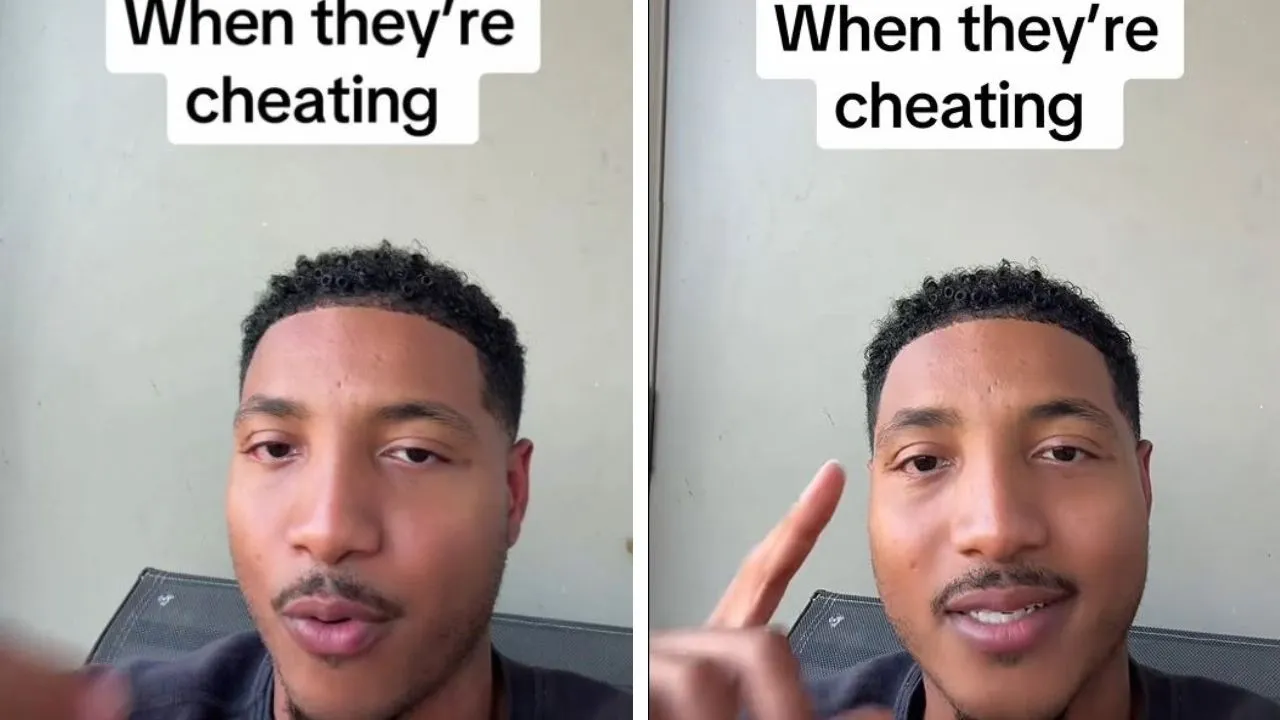
  • ‘An Intuitive Itch’: TikToker Reveals 4 Signs a Partner Is Cheating — From Flaw-Finding to Sudden Isolation

    ‘An Intuitive Itch’: TikToker Reveals 4 Signs a Partner Is Cheating — From Flaw-Finding to Sudden Isolation

    Key Highlights

    • TikTok creator @bustuh identified four behavioral patterns — flaw-finding, performative effort, projection, and sudden isolation — that he says commonly signal a cheating partner in a viral video posted September 19, 2026.
    • The video amassed over 25,000 likes and nearly 500 comments, with multiple users sharing personal experiences of infidelity that aligned with the creator’s framework.
    • The Daily Dot reported on the trend while noting it could not independently verify the anecdotal accounts shared in the comment section.

    TikTok Creator Breaks Down ‘Intuitive Itch’ Behind Infidelity Suspicions

    Content creator @bustuh posted a video on September 19, 2026, that quickly gained traction for articulating what he described as an intuitive itch many partners feel before discovering infidelity. In the clip, which had drawn more than 25,000 likes and nearly 500 comments as of publication, the creator opened by stating that a person could be meeting every need and still get cheated on, framing the four patterns he outlined as subconscious signals that often precede confirmation.

    Flaw-Finding as Post-Hoc Justification

    The first behavior @bustuh highlighted was what he termed flaw-finding — a sudden, repetitive pattern of pointing out differences or shortcomings in a partner who was previously treated with patience. He characterized this shift as a cowardly way of proving to themselves that their decision is justified, suggesting it functions to rationalize an affair after the fact rather than confront the betrayal directly. The creator positioned this not as genuine criticism but as internal narrative-building designed to ease the cheater’s own conscience.

    Performative Effort and Image Management

    The second pattern involved a paradoxical increase in time and attention paired with a drop in quality. @bustuh described this dynamic as more effort with less intention, explaining that gestures become less thoughtful even as the amount of time spent together goes up. He argued this change operates as a form of image management aimed at reassuring the other person nothing is wrong, effectively using presence as a decoy for emotional withdrawal.

    Projection Rooted in Guilt

    The third indicator the creator named was projection — accusing a partner of the very behavior the accuser is engaged in. @bustuh traced this pattern to guilt, comparing it to jealousy and pride in that it rots the beholder over time and eventually surfaces as behavior directed at the other person, even without basis. He framed projection as an externalization of internal conflict that inevitably leaks into the relationship dynamic.

    Sudden Isolation as Operational Cover

    The final behavior was an abrupt shift toward wanting more time alone, which @bustuh distinguished from normal personal space. He stated this kind of isolation is just being able to cheat in a safer way, and cautioned that a sudden change unaccompanied by any actual shift in a person’s job or friend group shouldn’t be ignored. The creator ended the video by naming depression and cheating as the two reasons he believes a man would isolate from a partner he otherwise trusts, and told viewers not to feel foolish for noticing the signs even if they worried about being seen as controlling.

    Comment Section Reveals Resonance and Personal Testimony

    Under the video, multiple commenters shared experiences that mirrored the creator’s framework. One user described checking a partner’s phone and said she discovered over 5 women before leaving them without a further conversation. Another, reflecting on an eight-year relationship, said she wouldn’t believe how blindsided I was when it all unfolded, adding that she no longer expects to trust a future partner. A third commenter, five months postpartum at the time, said she found messages between her partner and someone else and felt he discarded me like I was nothing.

    The Daily Dot was unable to independently verify the experiences described by commenters on this video. The details above reflect the creator’s stated views and commenters’ individual accounts as shared on TikTok.

    Why This Matters

    The viral spread of @bustuh’s video underscores a growing appetite on social platforms for crowdsourced relationship diagnostics — particularly frameworks that validate intuitive suspicions before concrete evidence emerges. With over 25,000 likes, the content reflects how TikTok has become a de facto forum for peer-to-peer emotional intelligence, where creators codify patterns many users recognize but struggle to articulate. The comment section’s concentration of detailed, high-stakes personal stories — including a postpartum betrayal and a long-term blindsiding — illustrates the real-world consequences of the behaviors described. For media literacy, the piece also highlights the tension between viral relatability and verifiability: The Daily Dot’s explicit disclaimer that it could not confirm commenters’ accounts signals an emerging editorial standard for covering anecdotal social media testimony responsibly.

    Frequently Asked Questions

    Who is @bustuh and what platform did this originate on?
    @bustuh is a TikTok content creator who posted the original video on September 19, 2026. The clip was reported on by The Daily Dot, a digital media outlet covering internet culture.
    What are the four signs of cheating the creator identified?
    The four patterns are: (1) flaw-finding — suddenly criticizing a previously accepted partner; (2) performative effort — more time together but with less intentionality; (3) projection — accusing the partner of the cheater’s own behavior; and (4) sudden isolation — an abrupt, unexplained withdrawal framed as personal space.
    Are the commenters’ stories verified?
    No. The Daily Dot explicitly stated it was unable to independently verify the experiences described by commenters. The accounts reflect individual testimony shared publicly on TikTok and should be understood as anecdotal.
  • Commenters Name Hobbies Most Likely to End a Relationship, From Content Creation to World of Warcraft

    Commenters Name Hobbies Most Likely to End a Relationship, From Content Creation to World of Warcraft

    Key Highlights

    • A viral Reddit thread on r/AskReddit with over 7,100 upvotes identifies golf, gaming, fitness regimens, and social media content creation as hobbies most frequently cited for ending relationships.
    • Commenters consistently emphasize that the core issue is not the hobby itself, but the obsessive devotion of time, attention, and financial resources that displaces partner and family priorities.
    • The Daily Dot was unable to independently verify the personal anecdotes shared in the thread, which represent the opinions of individual Reddit users.

    Viral Reddit Thread Sparks Relationship Debate

    A September 24 post on r/AskReddit posed a straightforward question: “Which hobby has ended more relationships than people realize?” The thread rapidly gained traction, amassing 7,100 upvotes and nearly 5,000 comments by publication time. Redditors responded with a wide spectrum of answers ranging from golf and gaming to marathon training, social media, and even K-pop fandom, creating a crowdsourced catalogue of domestic friction points.

    Golf Emerges as Top Relationship Strain

    Golf dominated the discussion as one of the most common answers. Multiple Redditors described partners who spent entire days on the course, regularly leaving spouses or children for hours at a time. One commenter illustrated the dynamic by sharing that their friend’s husband spent so much time golfing that she felt as if she were a “side piece” in their marriage. Another recounted a particularly stark example: a woman whose husband chose to attend a golf tournament instead of her father’s funeral. A commenter summarized the broader pattern by writing, “Sports to a fanatical degree,” describing an ex who had missed family milestones due to his obsession.

    Gaming and Financial Secrecy Drive Breakups

    Online gaming, particularly World of Warcraft, generated thousands of upvotes. Stories included a marriage that ended after the husband spent most of his honeymoon playing the MMORPG. Financial secrecy emerged as a compounding factor: one user explained she discovered her husband had spent approximately $15,000 in three months on microtransactions for a mobile game. She noted the financial secrecy was more damaging to the relationship than the spending itself.

    Fitness Obsession and Competitive Training Create Distance

    Fitness regimens appeared repeatedly, with specific references to CrossFit, Brazilian jiu-jitsu, and endurance racing. One person described a friend who escalated marathon running after having children. Another detailed their partner’s progression from a half-Ironman to more demanding races, which required significantly increased training hours that encroached on family time.

    Social Media Content Creation Invades Quality Time

    Content creation for social media platforms surfaced as a frequent source of tension. One commenter explained how every dinner or walk could transform into an hour-long photo shoot because their partner was obsessed with going viral. In another case, a relationship deteriorated during holidays and vacations, as the partner prioritized content creation over shared experiences.

    The Underlying Pattern: Obsession Over Balance

    Beyond specific activities, commenters identified hobbies that seem harmless but become disruptive when they consume disproportionate attention. Examples included K-pop fandom, car enthusiasm, fishing, and even volunteer firefighting. The consensus crystallized around a central theme. One commenter highlighted the main issue by saying, “obsession with anything, really.” Another articulated the critical distinction: “it’s important that one knows, especially while in a relationship, that the real problem is not being able to strike a balance between a hobby and a relationship.”

    Why This Matters

    The thread reflects a growing cultural conversation about attention economics and relationship sustainability in the digital age. As hobbies increasingly intersect with monetization (streaming, content creation, microtransactions) and identity formation (fitness communities, fandoms), the boundary between leisure and lifestyle blurs. Relationship therapists often cite “emotional abandonment” via excessive hobby engagement as a presenting issue, particularly when combined with financial opacity. The viral nature of this Reddit discussion suggests widespread relatability, indicating that many couples navigate these tensions without clear frameworks for negotiation. Future discourse will likely focus on establishing healthy boundaries around time allocation, financial transparency, and shared versus individual pursuits in long-term partnerships.

    Frequently Asked Questions

    What was the most commonly cited relationship-ending hobby in the Reddit thread?
    Golf emerged as the most frequently mentioned hobby, with numerous commenters describing partners who spent entire days on the course, sometimes prioritizing it over major family events.
    Is the hobby itself the problem, according to the Reddit discussion?
    No. The consensus across thousands of comments is that the core issue is obsessive devotion—excessive time, attention, and financial resources directed toward the hobby at the expense of the relationship and family responsibilities.
    Were the stories in the Reddit thread verified?
    The Daily Dot explicitly stated it was unable to independently verify the personal experiences described by commenters. The details reflect responses shared on r/AskReddit and represent the opinions of individual Reddit users.
  • Woman Says Friends Canceled Birthday Dinner They Urged Her to Plan: ‘I’d Definitely Be Reevaluating Those Friends’

    Woman Says Friends Canceled Birthday Dinner They Urged Her to Plan: ‘I’d Definitely Be Reevaluating Those Friends’

    Key Highlights

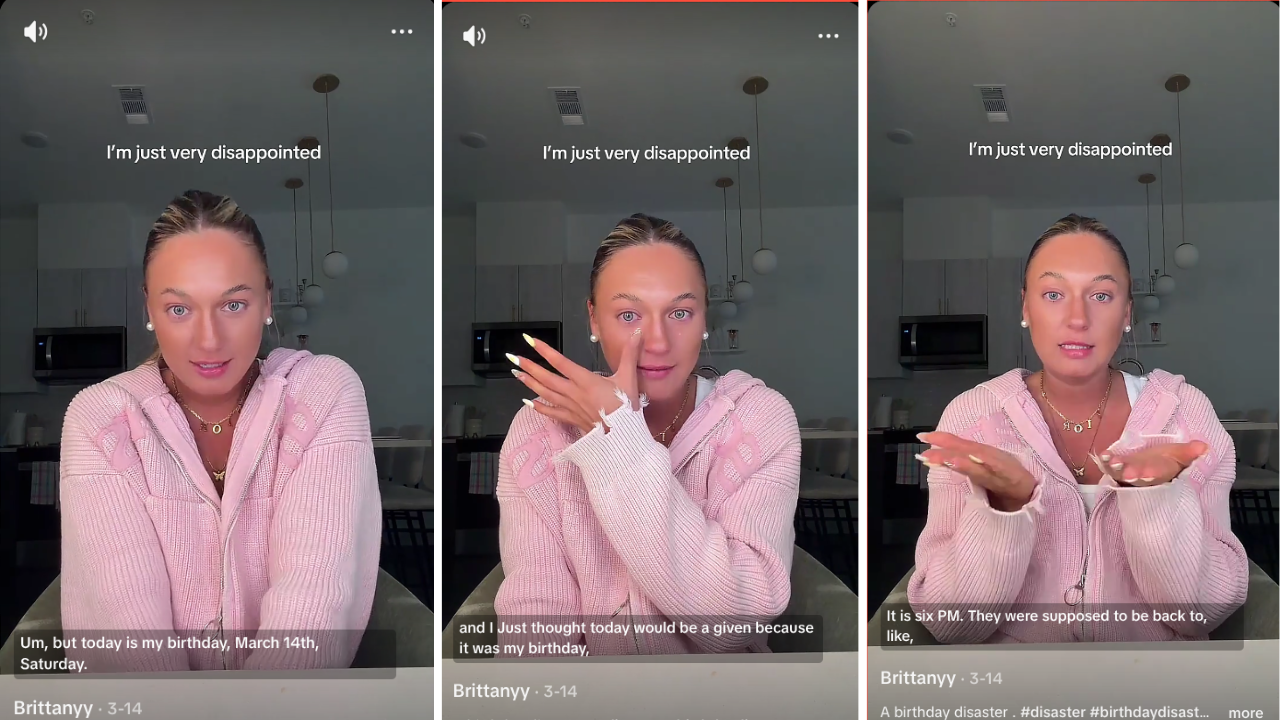
    • TikTok creator Brittany (@brittanyybowen) says five close friends canceled her 29th birthday dinner at the last minute after encouraging her to organize the celebration instead of her preferred solo trip.
    • The friends who attended a St. Patrick’s Day block party in Dallas informed her they wouldn’t return in time, while others cited work conflicts, despite three-and-a-half weeks’ notice.
    • Brittany says the experience has led her to plan her 30th birthday with family instead of relying on friends, and the viral video sparked widespread criticism of the friends’ behavior in comments.

    Introvert’s Birthday Plans Derailed by Friends’ Last-Minute Cancellations

    TikTok creator Brittany, who posts under the handle @brittanyybowen, shared a widely viewed account of spending her 29th birthday alone at a restaurant after every invited friend canceled on the dinner they had urged her to plan. The video, posted to her TikTok account, has accumulated 2.4 million views and over 9,100 comments, resonating with viewers who criticized the friends’ conduct. Brittany, who describes herself as an introvert with a small social circle, initially wanted to mark the milestone with a personal trip rather than a social gathering.

    Friends Suggested Dinner, Then Failed to Attend

    According to Brittany’s account, her friends persuaded her to host a small birthday dinner instead of traveling. Though hesitant, she agreed and secured a restaurant reservation approximately three and a half weeks in advance, ensuring all invitees were aware of the date. She also purchased a $250 dress specifically for the occasion. On the evening of the dinner, however, none of the five close friends she invited appeared. Some explained they could not obtain time off from work, while others revealed they had attended a St. Patrick’s Day block party in Dallas and would not return in time for the reservation — a detail they communicated only at the last minute.

    Disappointment Leads to Reevaluation of Friendships

    Brittany expressed significant disappointment, noting she would not have canceled on friends for an occasion she considered important. She emphasized that she had made a deliberate effort to organize the event after initially preferring a low-key celebration. Because her family lives in another state, she had hoped her local friends would be present for the milestone. The experience, she said, reflected poorly on those friendships and fundamentally changed her approach to future birthdays: for her 30th, she plans to celebrate with family rather than depend on friends to show up.

    Why This Matters

    The viral response to Brittany’s story highlights a broader conversation about reciprocity and reliability in adult friendships, particularly around milestone events. The fact that the friends initiated the dinner plan — only to abandon it for a block party or without timely notice — struck a nerve with viewers, many of whom characterized the behavior as inconsiderate and indicative of one-sided relationships. The incident also underscores how social media amplifies personal grievances into public referendums on social norms, with thousands of strangers weighing in on the obligations of friendship. While The Daily Dot could not independently verify the specific details of Brittany’s account, the volume of engagement signals a shared cultural sensitivity to flakiness and the emotional labor of event planning.

    Frequently Asked Questions

    What happened to Brittany on her 29th birthday?

    Brittany organized a birthday dinner at a restaurant after her friends encouraged her to host one instead of taking a trip. She booked the reservation three and a half weeks in advance and bought a $250 dress, but none of the five close friends she invited showed up. Some cited work conflicts; others said they were at a St. Patrick’s Day block party in Dallas and wouldn’t make it back in time, informing her only at the last minute.

    How has Brittany said she will handle future birthdays?

    Brittany stated that the experience changed how she plans to celebrate. For her 30th birthday, she intends to spend it with her family rather than rely on friends to attend a celebration she organizes.

    What was the public reaction to her TikTok video?

    The video received 2.4 million views and over 9,100 comments. Many commenters criticized the friends for suggesting the dinner and then not attending. One wrote, “I can’t believe they’re suggested you do a dinner. Against your better judgement, you booked it — for them to NOT show up. I’d definitely be reevaluating those friends.” Another said, “They convinced you to have the dinner just for them to not show up??” A third called the last-minute cancellations after three weeks’ notice “diabolical.”