Category: Buzz

Unique, interesting, and unusual stories.

  • TikToker Says Sister’s First Night at Dance Club Job Sparked Problems Still Unresolved After Two Years

    TikToker Says Sister’s First Night at Dance Club Job Sparked Problems Still Unresolved After Two Years

    Key Highlights

    • TikTok creator Reagan (@reaganisapotato) shared a viral multi-part story about helping her sister secure employment at her dance club, which resulted in a disruptive first night that Reagan says damaged her professional standing for two years.
    • The dispute escalated over allegations of unpaid house contributions, missing tips to club staff, and hundreds of dollars left uncollected from a private room, prompting widespread viewer debate about workplace etiquette and family boundaries.
    • The video amassed over 56,900 views and nearly 500 comments, with audiences questioning club tipping structures, financial expectations between siblings, and the sister’s behavior during her first shift.

    TikTok Storytime Sparks Debate Over Family Loyalty and Workplace Etiquette

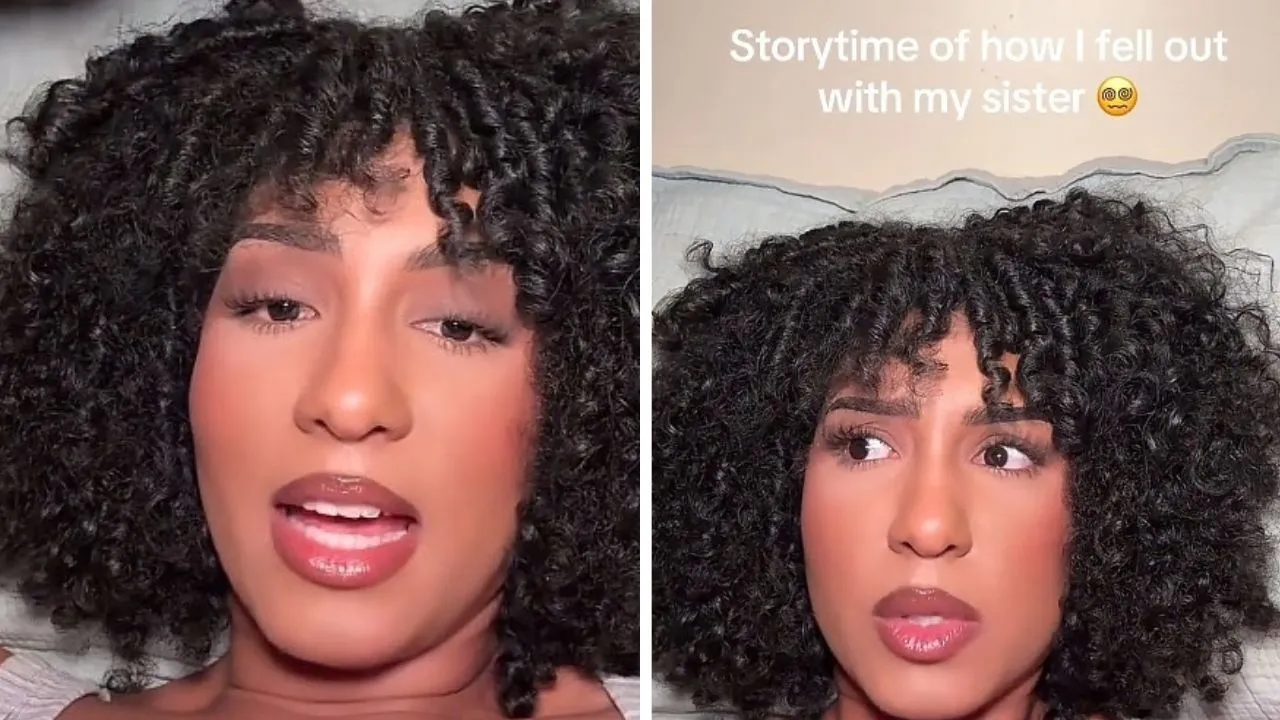
    Content creator Reagan, who posts under the handle @reaganisapotato, published a multi-part storytime video on TikTok detailing a years-long conflict with her sister that began with an act of familial support and culminated in professional repercussions she claims to still face. The initial post, captioned “I feel like being messy and airing everybody out so we’re starting with her ? #messytiktok #storytime #familydrama #teatime #storytelling”, quickly gained traction, surpassing 56,900 views and generating 496 comments at the time of reporting.

    From Financial Support to Professional Referral

    According to Reagan’s account, her sister faced financial difficulties at age 22. Reagan stated her family invited the sister to live with them, and she personally covered expenses including food, drinks, clothing, room decor, and other necessities. Reagan emphasized she did not consider these expenditures as debts requiring repayment. The situation evolved when Reagan leveraged her position at a dance club to secure employment for her sister, who had prior experience as a dancer. Reagan said she arranged positions at two separate clubs, paid for two mandatory licenses, and purchased heels, an outfit, and provided older work attire.

    First Night Fallout and Lasting Professional Damage

    The arrangement deteriorated rapidly. Reagan claimed her sister consumed alcohol heavily during her first night at Reagan’s home club and behaved poorly toward the end of the shift. Reagan alleged this incident damaged her credibility with the club manager, stating the manager “still refused to hire people through her, two years later.” The professional fallout was compounded by a subsequent dispute over household finances and club earnings. Reagan said her sister asserted she had paid house expenses and tipped staff, but Reagan later claimed staff informed her the sister had not tipped. Reagan also alleged her sister left hundreds of dollars from a private room uncollected.

    Viewers Dissect Club Economics and Family Dynamics

    The narrative prompted extensive audience discussion regarding the financial mechanics of dance clubs and the ethics of familial financial expectations. Commenters raised structural questions about the industry. One user asked, “Wait why do the dancers have to pay the dj? Isn’t that the club owner responsibility[sic].” Another questioned tipping norms, writing, “if she needed the money you shouldn’t have been wanting her to tip,” while adding the sister “shouldn’t have lied.” A different viewer inquired whether DJs, bouncers, and staff already receive hourly wages.

    Other responses focused on the sister’s condition during the shift. One commenter suggested, “Sounds like she was nervous or something and got too messed up there.” The conversation also veered into comparative family conflicts, with one user sharing, “I CUT OFF MY SISTER FOR NOT MAKING HER ONLY NIECE (MY DAUGHTER) HER FLOWER GIRL.” Humor surfaced as well, with a viewer joking, “Someone explain to me what kinda insurance u need to be a ballerina.”

    Why This Matters

    This viral episode illuminates the precarious intersection of informal labor economies—such as adult entertainment venues—and personal support networks. The story highlights how referral-based hiring in nightlife industries places the referrer’s reputation at risk, creating high-stakes dynamics when friends or family underperform. Additionally, the audience’s fixation on tipping structures and “tip-outs” to DJs and staff reflects broader public unfamiliarity with the independent contractor model prevalent in strip clubs, where dancers often pay house fees and tip support staff out of pocket. The discourse also underscores how social media platforms like TikTok transform private familial disputes into public referendums on money, loyalty, and labor ethics.

    Frequently Asked Questions

    What happened during the sister’s first night at the dance club?

    Reagan alleged her sister drank heavily, behaved poorly, and damaged Reagan’s credibility with the club manager, who subsequently refused to hire anyone referred by Reagan for two years.

    Why are viewers questioning the club’s tipping structure?

    Commenters expressed confusion over dancers paying DJs and tipping staff, questioning whether those employees already receive hourly wages and whether it was fair to expect tips from someone who needed the money.

    Has the story been independently verified?

    No. The Daily Dot reported it was unable to independently verify the events described; the details reflect the account as shared on TikTok by @reaganisapotato.

  • Woman Left Husband of 16 Years After Escalating Violence, Now Shares What She Learned

    Woman Left Husband of 16 Years After Escalating Violence, Now Shares What She Learned

    Key Highlights

    • A Reddit user on r/GirlDinnerDiaries detailed her experience two months after leaving her husband of 16 years following an affair and escalating domestic violence, including a protective order and cross-country move with her children.
    • The post garnered over 8,800 upvotes and 342 comments, sparking a thread where survivors shared parallel stories of leaving abusive relationships, comparing the process to surviving a natural disaster.
    • The original poster confirmed her former husband remains under Navy investigation during deployment and that her protective order prohibits him from owning or operating weapons.

    Reddit User Shares Journey After Leaving Abusive Marriage

    A mother using the handle u/LiterallyJustAHorse posted on the subreddit r/GirlDinnerDiaries reflecting on the first two months after leaving her husband of 16 years. According to her account, her husband had an affair in July, and the situation escalated to domestic violence against her and their children after she threatened to report the matter to his Navy command. She subsequently obtained a protective order and relocated across the country with her children. While acknowledging the uncertainty that came with leaving, she wrote, “There is peace, joy, freedom and safety on the other side.”

    The post quickly resonated, amassing over 8,800 upvotes and 342 comments at the time of publication by The Daily Dot. The original poster listed several lessons learned: her children appeared less stressed, the family experienced newfound freedom, and each day had become slightly easier. She ended her post with encouragement for others in similar circumstances, noting that leaving could eventually lead to a better life.

    Community Responds with Shared Experiences

    The comment section became a forum for survivors to exchange stories and solidarity. One commenter shared a parallel journey, writing, “I’m so proud of you. I also moved far away. Took 7 years for me to leave.” Another user compared the experience to surviving a catastrophe: “It’s like surviving a natural disaster isn’t it in a way?” They added, “And yet we still feel like we can breathe easier.” A third commenter offered a brief message of unity: “I’m out too. We’ve got this,” which received thousands of positive reactions.

    Further comments illustrated the varied recovery timelines. One woman described spending months in a shelter after leaving her abusive husband, writing, “I’m so proud of you. I could do what I want without walking on eggshells.” Another commenter, paraphrasing their own experience, said they left an abusive partner years earlier but still experience fear. The thread also included a commenter who called the original post a “textbook” example of leaving an abusive relationship, noting they had heard from several other women with similar stories.

    Military Investigation and Legal Protections

    The original poster answered questions about her former husband’s military status. When asked whether the Navy had taken action following the domestic violence, she replied that he remained under investigation during his deployment. She also confirmed that her protective order banned him from owning or operating weapons. The Daily Dot noted it was unable to independently verify the events described in the Reddit post; the details reflect the original poster’s account on r/GirlDinnerDiaries, and screenshots did not independently confirm the identities of those involved.

    Resources and Ongoing Support

    Discussion in the thread extended to practical challenges and resources. Commenters highlighted the role of advocates in obtaining protective orders, while others pointed out that some people cannot access meaningful assistance. Topics included shelters, legal resources, and financial difficulties after leaving an abusive relationship. The article concludes with a standard resource: If you or someone you know is experiencing domestic violence, contact the National Domestic Violence Hotline at 1-800-799-7233 or text ‘START’ to 88788.

    Why This Matters

    The viral Reddit thread underscores the pervasive yet often invisible struggle of leaving abusive relationships, particularly when children and institutional ties—such as military command structures—are involved. The collective narrative in the comments reveals common patterns: prolonged timelines to escape, the necessity of uprooting lives, and the lingering psychological effects even after physical safety is achieved. The mention of a Navy investigation highlights the intersection of domestic violence and military accountability, a topic of ongoing policy debate. The thread’s popularity also demonstrates the power of peer-led online communities to provide validation, practical information, and a sense of solidarity for survivors who may feel isolated. As the original poster noted, each day gets slightly easier, but the path to stability is rarely linear and often requires sustained support systems.

    Frequently Asked Questions

    What prompted the Reddit user to leave her husband after 16 years of marriage?
    According to her post, her husband had an affair in July, and the situation escalated to domestic violence against her and their children after she threatened to inform his Navy command. She then obtained a protective order and moved across the country with the children.
    Is the husband facing any military consequences?
    The original poster stated that her former husband remains under investigation by the Navy during his deployment, and her protective order prohibits him from owning or operating weapons.
    Where can someone experiencing domestic violence get immediate help?
    The National Domestic Violence Hotline is available 24/7 at 1-800-799-7233, or by texting ‘START’ to 88788. The hotline provides confidential support, safety planning, and referrals to local resources.
  • Friend Accuses Woman of Stealing ‘Grandma’s Secret Recipe’ to Sell Cookies

    Friend Accuses Woman of Stealing ‘Grandma’s Secret Recipe’ to Sell Cookies

    Key Highlights

    • Reddit user u/GrabOk1738 alleges a friend appropriated their brown butter espresso cookie recipe and marketed it at a farmers market as “Grandma Rose’s secret recipe, passed down three generations,” despite the grandmother being alive and having never baked the cookies.
    • The friend reportedly admitted the fabricated family narrative drove sales and asked the recipe’s creator not to expose the true origin, prompting the Reddit user to post the recipe on Instagram with a 2022 photo as proof.
    • The r/AITApod thread garnered over 4,700 upvotes and 370 comments, splitting the community between those condemning the friend’s deception and others questioning whether the public callout crossed a line or served as covert self-promotion.

    The Recipe Dispute Emerges

    A Reddit post in the r/AITApod community has ignited a heated debate over recipe ownership, marketing ethics, and the boundaries of friendship after user u/GrabOk1738 accused a former friend of stealing a cookie recipe and fabricating a multigenerational family history to sell it. According to the original poster, they developed a brown butter espresso cookie recipe several years ago and shared it privately with a friend who later began selling baked goods at a farmers market. The friend advertised the product with a sign reading “Grandma Rose’s secret recipe, passed down three generations.”

    The Reddit user stated the story bothered them after seeing the sign beside the cookies. They explained that the grandmother remained alive and had never baked the cookies, and that the friend allegedly acknowledged the invented family story helped her sell more cookies. The friend then asked the Reddit user not to reveal the recipe’s real origin. Instead, the user posted the recipe on Instagram with an old photo from 2022. Mutual friends quickly recognized the recipe and connected the story, and someone reportedly questioned the friend about which family generation created the recipe. The friend then accused the Reddit user of embarrassing her and hurting her business.

    Reddit Community Reacts

    The thread, which accumulated more than 4,700 upvotes and 370 comments, revealed a sharply divided community. Many commenters sided with the original poster. “Your former friend is a liar and a thief,” one user wrote. Another commenter wrote, “NTA. Liars shouldn’t prosper,” while supporting the public exposure. A second comment read, “She embarrassed herself by lying to everyone,” defending the poster.

    Other users questioned why the Reddit user waited before publicly addressing the situation. “I guess I’m confused why you both didn’t communicate,” one commenter wrote, arguing that the poster could have explained their discomfort before posting the recipe online. Another user called the marketing strategy smart but said the friend could have stopped after a conversation. The debate also shifted toward questions of recipe ownership and commercial marketing ethics. “Your friend stole your intellectual property. It’s a big business No-No,” one user wrote. However, another commenter questioned whether the recipe qualified as protected intellectual property. Other Reddit users focused less on ownership and more on the alleged false family story.

    Allegations of Staged Content

    Several commenters also suspected the Reddit post itself could serve as an advertisement. “This is fake. It’s a guerilla ad for pump fun,” one user wrote. Another commenter called the story “a fake ad” without offering supporting evidence. The original post showed more than 4,700 upvotes and 370 comments.

    Some Reddit users defended the poster’s decision to reveal the recipe’s actual origins. “Not just profiting off something she created but also asking her to support the lie,” one user wrote. Another commenter said the friend should accept the consequences of her marketing choice. Others still criticized the poster for escalating a dispute they could have handled privately.

    Why This Matters

    This dispute highlights the murky territory where personal recipes, informal sharing, and commercial enterprise intersect in the age of social media-driven small businesses. While recipes themselves are generally not protected by copyright in the United States—only their specific literary expression or accompanying narrative can be—the ethical implications of misrepresenting a product’s provenance for financial gain remain significant. The case also underscores how online communities like Reddit’s r/AITApod function as informal arbitration courts, where public opinion can swiftly shape reputations and potentially impact real-world livelihoods. For content creators and micro-entrepreneurs, the episode serves as a cautionary tale about the risks of fabricated origin stories and the volatility of internet scrutiny. The Daily Dot could not independently verify the Reddit user’s account, including the friend’s business, whether the cookies were actually sold at the market, or the grandmother’s role in the recipe’s history. The screenshots reviewed showed only the original poster’s claims and other Reddit users’ reactions.

    Frequently Asked Questions

    What recipe is at the center of the dispute?

    The dispute centers on a brown butter espresso cookie recipe that Reddit user u/GrabOk1738 claims to have created several years ago and shared privately with a friend.

    How did the friend allegedly market the cookies?

    The friend sold the cookies at a farmers market with a sign advertising them as “Grandma Rose’s secret recipe, passed down three generations,” despite the grandmother being alive and having never baked them.

    Has The Daily Dot verified the claims in the Reddit post?

    No. The Daily Dot could not independently verify the Reddit user’s account, including the friend’s business, whether the cookies were actually sold at the market, or the grandmother’s role in the recipe’s history. The available evidence consists solely of the original poster’s claims and community reactions.

    Sign up to receive the Daily Dot’s Internet Insider newsletter for urgent news from the frontline of online.

  • Man Claims Server Left Insulting Note on Bill Over Tip: ‘Maybe You Should Consider Eating Fast Food’

    Man Claims Server Left Insulting Note on Bill Over Tip: ‘Maybe You Should Consider Eating Fast Food’

    Key Highlights

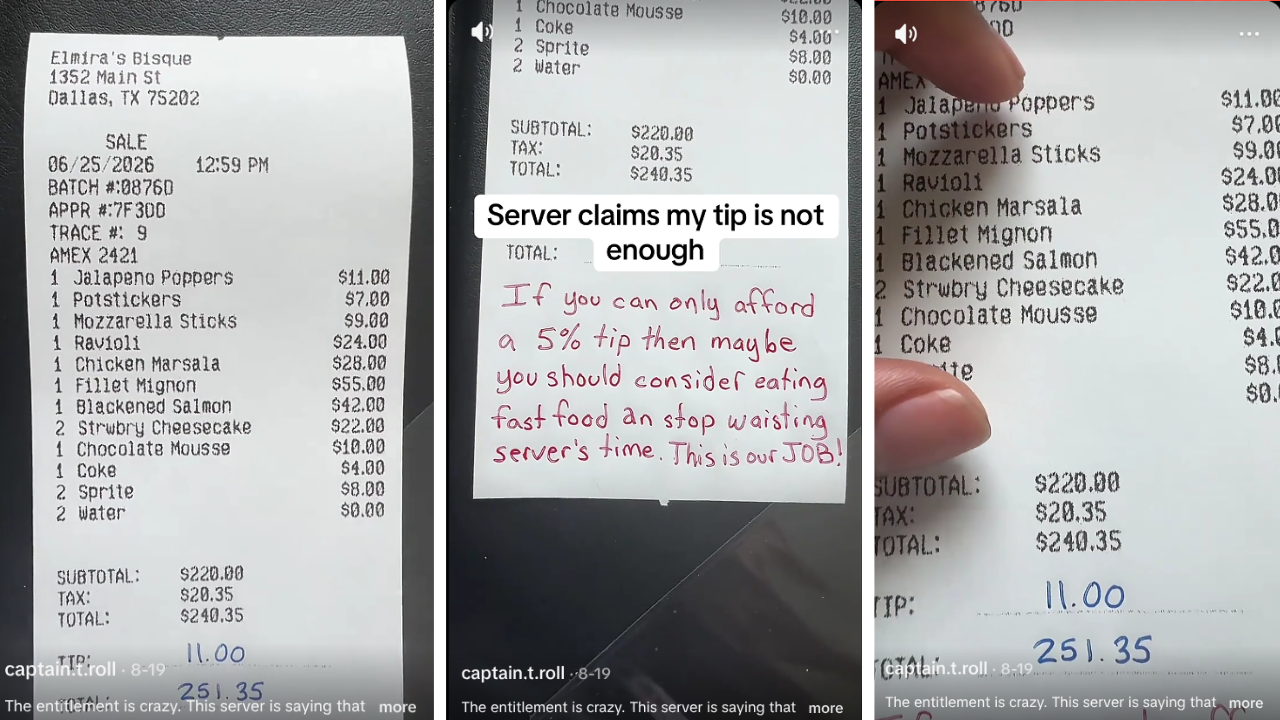
    • TikTok creator @captain.t.roll shared a receipt showing a server’s handwritten note criticizing an $11 tip on a $220 bill, calling it a “5% tip” and suggesting the party “consider eating fast food.”
    • The video amassed 1.2 million views and over 14,000 comments, igniting a polarized debate over tipping culture, mandatory gratuities, and server wages.
    • The Daily Dot could not independently verify the events, which rely solely on the creator’s account and the receipt image shared on TikTok.

    TikTok Video Exposes Server’s Receipt Note Criticizing Tip Amount

    TikTok creator @captain.t.roll posted a video recounting a dining experience at a recently opened restaurant that quickly went viral, accumulating 1.2 million views and more than 14,000 comments. According to the creator, he and two friends visited the establishment for a meal that included appetizers, entrees, and dessert, requiring the server to make several trips to their table throughout the service. The creator suggested the frequency of service may have contributed to tension, but emphasized that serving customers is the server’s job and such workload is expected, particularly at a new restaurant.

    Receipt Shows Handwritten Message Questioning Tip Adequacy

    While recording the receipt, the creator displayed the itemized order and stated the pre-tax bill totaled $220. He added an $11 tip, bringing the final charge to $251.35. The creator said he considered the $11 tip fair. However, the server apparently disagreed and wrote a message in red ink at the bottom of the receipt. The note read:

    “If you can only afford a 5% tip then maybe you should consider eating fast food and stop wasting server’s time. This is our JOB!”

    The message explicitly references the tip percentage — approximately 5% of the pre-tax total — and frames the gratuity as insufficient for the labor involved.

    Online Reaction Splits Over Tipping Norms and Obligations

    The video triggered a sharp divide among viewers. Some commenters sided with the creator, arguing that tipping is voluntary and the server’s note was inappropriate. One commenter wrote:

    “I would ask back for the receipt and adjust it to $0.00 tipping. . . DO NOT ALLOW ANYONE TO BULLY, GUILT, OR PRESSURE YOU INTO TIPPING. . .TIPPING IS NOT MANDATORY.”

    Another echoed that sentiment:

    “Normalize leaving 0 dollars, tipping is NOT mandatory.”

    Conversely, other viewers contended the tip was unreasonably low for a $220 bill with extensive table service. One commenter stated:

    “You had a bill for $220 and left an $11 tip?????! Yea you’re in the wrong the server has every right to be mad.”

    The discourse reflects broader cultural friction over tipping expectations in the United States, where customary gratuities for full-service dining typically range from 15% to 20%.

    Why This Matters: Tipping Culture Under Scrutiny

    The incident highlights escalating tensions around tipping practices in the U.S. hospitality industry. With federal tipped minimum wage remaining at $2.13 per hour in many states, servers often depend on gratuities to earn a living wage. Simultaneously, consumers face “tip fatigue” as digital payment prompts solicit tips for counter service, takeout, and other previously non-tipped interactions. Viral confrontations like this one amplify public debate over whether tipping should remain a discretionary reward for service or transition toward a service-included model with higher base wages. The Daily Dot noted it was unable to independently verify the events, which are based solely on @captain.t.roll’s account and the receipt image shared on TikTok.

    Frequently Asked Questions

    What was the exact tip amount and percentage left by the TikTok creator?

    The creator left an $11 tip on a $220 pre-tax bill, which equals exactly 5%. The server’s note explicitly references this percentage.

    Has the restaurant or server been identified publicly?

    No. The Daily Dot reported it could not independently verify the events, and the TikTok video does not name the restaurant or the server. The account relies entirely on @captain.t.roll’s narration and the receipt image he shared.

    Is tipping legally mandatory in the United States?

    No. Tipping is not legally mandatory under federal or state law. It is a customary practice, though many service workers depend on tips due to lower tipped minimum wages. The debate in the comments reflects differing views on social obligation versus legal requirement.

  • Woman Reveals Ex’s Lie About Hole in Condo Wall: ‘Will the Gaslighting Never Cease?’

    Woman Reveals Ex’s Lie About Hole in Condo Wall: ‘Will the Gaslighting Never Cease?’

    Key Highlights

    • TikTok creator Kristen (@lil_tachy) revealed in episode 61 of her 60+ part series how her ex-boyfriend “Quinoa” falsely blamed her brother for a hole in their condo wall, using past property damage as cover for his own lie.
    • The deception was uncovered when the condo owner—Kristen’s aunt—provided footage proving the hole did not exist before the couple moved in, exposing a pattern of gaslighting behavior.
    • The video amassed over 43,000 likes and 255 comments, with viewers praising Kristen’s dark humor while expressing outrage over the ex’s manipulative tactics and questioning the brother’s prior unrepaired damage.

    TikTok Series Exposes Pattern of Deception in Past Relationship

    Content creator Kristen, known as @lil_tachy on TikTok, has cultivated a substantial following through an ongoing storytime series documenting her experiences with a former boyfriend she pseudonymously calls “Quinoa.” In the sixty-first installment, which garnered more than 43,000 likes and 255 comments at the time of reporting, Kristen detailed a calculated lie involving property damage in the condominium she currently occupies. The narrative centers on a hole discovered in the wall during their cohabitation—damage her ex insisted he did not cause, instead attributing it to Kristen’s brother.

    The Setup: A Plausible Deflection

    The ex-boyfriend’s accusation carried initial credibility because of the property’s history. Before Kristen and her partner moved in, her brother resided in the unit while on probation. Their aunt had purchased the condo specifically to rent to him during this period. During his tenancy, the brother punched a hole in a bathroom wall but left it unrepaired. When Kristen later discovered a hole in the wall, her ex’s claim that her brother was responsible seemed consistent with known facts, and she accepted the explanation without suspicion.

    Video Evidence Contradicts the Narrative

    The truth emerged only after the relationship ended and the ex moved out. When Kristen’s aunt visited to inspect the property, she presented footage demonstrating that the wall was intact when the couple took possession. The hole Kristen’s ex had blamed on her brother was, in fact, new damage inflicted during their occupancy—and he had lied to shift accountability. Kristen noted she was not surprised by the revelation, describing it as consistent with broader behavioral patterns throughout the relationship.

    Audience Reaction: Humor, Outrage, and Scrutiny

    Commenters on the video responded to both the gravity of the gaslighting and Kristen’s delivery. One follower wrote, “Girl I know this is such a serious subject matter and I hope I’m not being insensitive but damn. you’re actually so effing funny, the intro killed me and we really do be both laughing and crying during this series.” Another viewer asked, “I wonder if quinoa watches your videos,” prompting replies from others hoping he does. The discourse extended to the ex’s credibility, with one commenter asking, “Did that boy EVER tell the truth? Like…ever????” and another questioning, “Will the gaslighting never cease with this man?”

    Not all sympathy flowed exclusively toward Kristen. A dissenting voice criticized the brother’s prior conduct: “I’m sorry but your brother punching a hole in the bathroom wall of your generous aunt’s condo and not patching it up before leaving it is very disrespectful imo.” The Daily Dot was unable to independently verify the events described in the video, which are based solely on @lil_tachy’s account of her experiences with her former boyfriend, as shared on TikTok.

    Why This Matters

    The viral traction of Kristen’s series underscores how social media platforms have become primary venues for public storytelling about interpersonal abuse, particularly coercive control and gaslighting. The “Quinoa” saga illustrates a recognizable dynamic: an abuser weaponizes a kernel of truth—here, the brother’s prior damage—to construct a plausible lie that isolates the victim from her support system and distorts her reality testing. The aunt’s preserved footage functioned as objective corroboration, a rarity in domestic disputes where evidence often reduces to he-said-she-said. Meanwhile, the comment section’s mixed reaction—validating Kristen while also holding her brother accountable—reflects an audience increasingly literate in red-flag behaviors but unwilling to excuse collateral harm. As the series surpasses sixty episodes, it also raises questions about the ethics and sustainability of long-form trauma narration for algorithmic engagement.

    Frequently Asked Questions

    Who is “Quinoa” in Kristen’s TikTok series?
    “Quinoa” is the pseudonym Kristen (@lil_tachy) uses for her former boyfriend, the central figure in her 60+ episode storytime series documenting their relationship and his alleged pattern of lying and gaslighting.
    How was the lie about the hole in the wall discovered?
    After the ex moved out, Kristen’s aunt—the condo owner—reviewed footage showing the wall was intact when the couple moved in, proving the hole was created during their tenancy and not by Kristen’s brother, as the ex had claimed.
    Has The Daily Dot verified the events in Kristen’s videos?
    No. The Daily Dot explicitly states it was unable to independently verify the events described, which are based solely on @lil_tachy’s first-person account shared on TikTok.
  • Server Reveals Better Way to Greet Tables Than Introducing Yourself: ‘Meet Their Needs First’

    Server Reveals Better Way to Greet Tables Than Introducing Yourself: ‘Meet Their Needs First’

    Key Highlights:

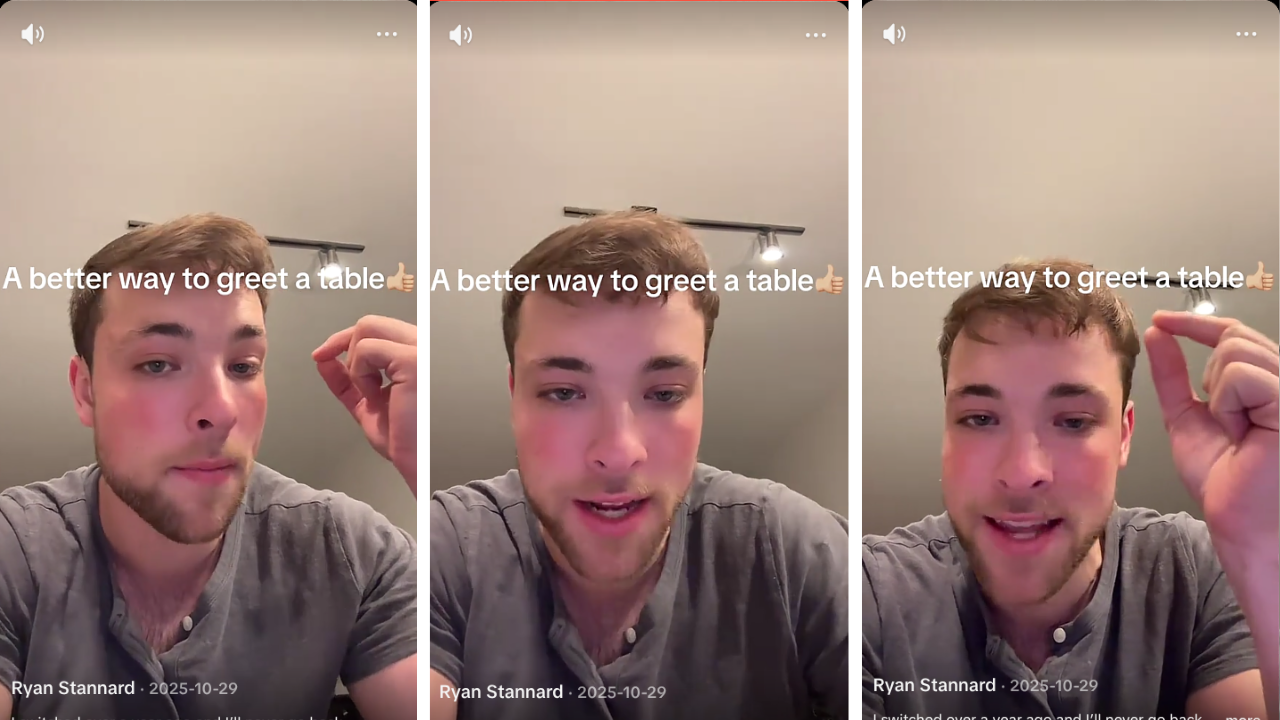
    • TikTok creator Ryan Stannard (@ryan_stannard4) argues servers should greet tables with “Hey guys. How’s our day going?” instead of introducing themselves first, claiming the standard introduction gets servers forgotten.
    • Stannard’s method prioritizes taking food and drink orders before revealing his name, citing a psychological principle that people remember names better after their immediate needs are met.
    • The video sparked debate, with some commenters supporting the approach while others—including self-identified guests—said they prefer efficient service without small talk.

    Server’s Viral TikTok Challenges Standard Restaurant Greeting Script

    TikTok creator Ryan Stannard, known as @ryan_stannard4, has ignited a conversation about restaurant service etiquette with a video that has amassed over 1.6 million views and nearly 1,000 comments. Drawing on his experience as a server, Stannard contends that the industry-standard greeting—introducing oneself by name before taking orders—is a strategic error that causes servers to blend into the background and potentially lose tips.

    The Case Against the Standard Introduction

    Stannard opened his critique by targeting the ubiquitous server script. “Hi, my name is __, I’ll be taking care of you today,” he said, characterizing this approach as a bad start. His reasoning centers on volume and differentiation: with multiple servers working the same floor, all using near-identical language, none of them stand out. He argues that a greeting must sound different from everyone else’s to capture attention and build rapport quickly.

    In place of the scripted introduction, Stannard demonstrated his preferred opener: “Hey guys. How’s our day going?” He explained that opening with a question forces engagement. The table almost invariably responds in kind—“And how’s your day going?”—creating a natural opening for the server to reply with energy. Stannard suggested responses such as “Phenomenal” or “Fantastic” or “Stupendous. Thank you for asking.” At that point, he said, “you now have their attention.”

    Psychological Timing: Orders First, Name Later

    The core of Stannard’s method is a deliberate reordering of the interaction sequence. He does not disclose his name until after taking the guests’ food and drink orders. He frames this as a psychological fact: a person is more likely to remember a server’s name after their immediate needs—deciding what to eat and drink—have been addressed. If the server introduces themselves first, Stannard argues, the guests are mentally preoccupied with the menu and forget the name within minutes.

    He also described his approach as more natural and less “carbon-copied” than the standard introduction. He said it saves time and makes the interaction more efficient while keeping the conversation “short, sweet, and to the point.” Waiting to introduce himself, he believes, makes it more likely that guests will remember his name when it matters—at tip calculation time.

    Why This Matters: Service Psychology Meets Social Media Scrutiny

    The debate Stannard sparked reflects a longstanding tension in hospitality between scripted consistency and authentic connection. Corporate training programs have long mandated the name-first introduction as a brand standard, equating it with professionalism and accountability. Stannard’s challenge, amplified by TikTok’s algorithm, puts that orthodoxy to a public stress test. The reaction split—some servers adopting the tactic, some guests rejecting the forced familiarity—highlights that “good service” is not a monolith. For operators, the takeaway may be less about adopting one viral script and more about empowering staff to read the table and adapt, rather than reciting a line that guests have heard a thousand times. The Daily Dot was unable to independently verify the claims made in the video, which are based solely on @ryan_stannard4’s experience and perspective as a restaurant server, as shared on TikTok.

    Frequently Asked Questions

    What is Ryan Stannard’s suggested alternative to the standard server greeting?
    He recommends opening with “Hey guys. How’s our day going?” and delaying his name introduction until after taking food and drink orders.
    Why does Stannard believe introducing yourself first hurts tips?
    He argues guests are focused on the menu and forget the server’s name within minutes; psychologically, people retain names better after their own needs are met.
    How did commenters react to the video?
    Reactions were mixed. One commenter wrote, “I usually get interrupted with ‘Waters to start please.’” Another guest responded, “Please no! As a guest… I don’t want to answer small talk questions. Just get my order right, bring the sauces I asked for, and refill my drink before it’s completely empty and we’re golden!”
  • Woman Says Best Friend Discovered Something About Her Boyfriend While She Was in Italy: ‘I Didn’t Want to Ruin Your Trip’

    Woman Says Best Friend Discovered Something About Her Boyfriend While She Was in Italy: ‘I Didn’t Want to Ruin Your Trip’

    Key Highlights

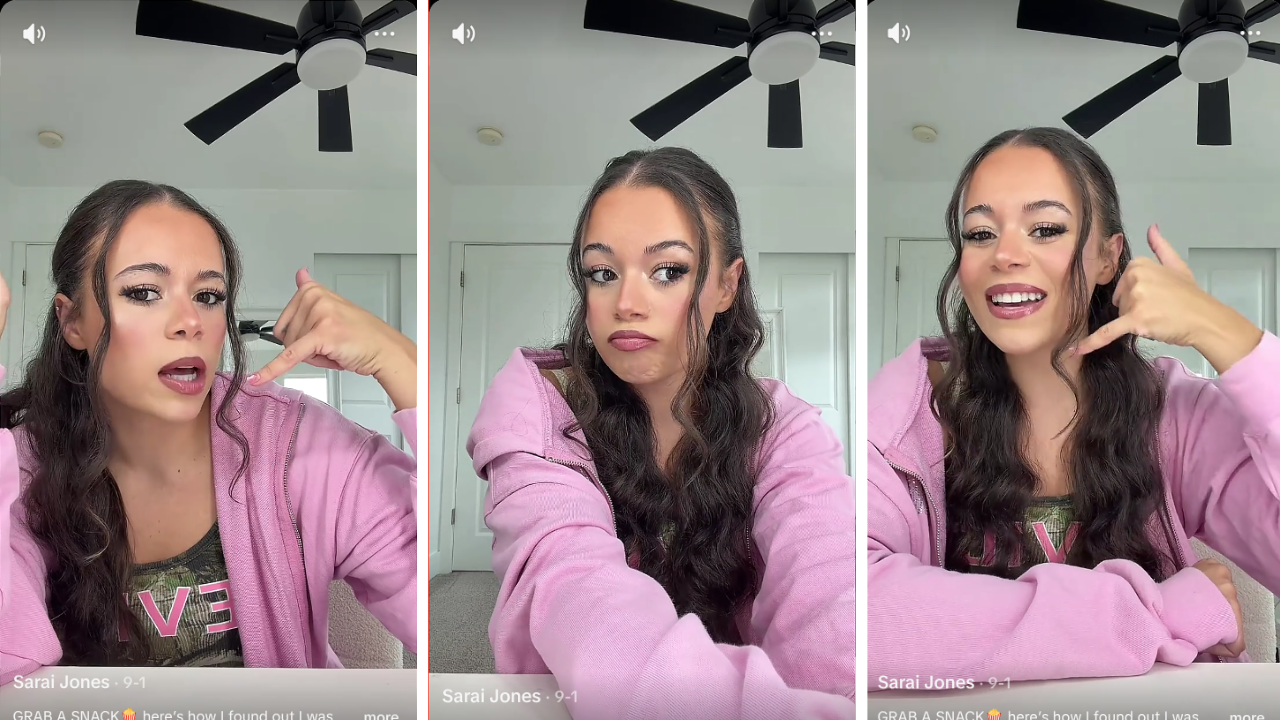
    • TikTok creator Sarai Jones (@krazysarai) revealed her best friend Marissa discovered her boyfriend holding hands with another woman at a Dallas bar called Cowgirls while Sarai was vacationing in Positano, Italy.
    • Marissa confronted the boyfriend and the other woman, who reportedly confirmed they had been kissing, while Marissa captured photo and video evidence that contradicted the boyfriend’s claim that the bar was crowded.
    • The viral video amassed over 554,000 views, with commenters overwhelmingly praising Marissa as a “real MVP” and true friend for revealing the betrayal despite the potential to ruin Sarai’s vacation.

    Vacation Interrupted by a 2 A.M. Call from Dallas

    TikTok creator Sarai Jones, known as @krazysarai, shared a detailed storytime video recounting how she learned her boyfriend was allegedly cheating on her while she was on a trip to Italy. The video, which has garnered more than 554,000 views and 600 comments, outlines a sequence of events that began on the fourth day of her vacation in Positano. At 11 a.m. local time, Jones received a call from her best friend, Marissa. Jones immediately found the timing unusual, noting that due to the time difference, it was 2 a.m. in the United States.

    When Jones answered, she said Marissa was “crying hysterically.” According to Jones, Marissa initially hesitated to share the news, explaining she “did not want to ruin her friend’s vacation with bad news because she knew it would be devastating.” Jones insisted, prompting Marissa to reveal she had gone to a bar in Dallas, Texas, called Cowgirls, where she spotted Jones’s boyfriend holding hands with another woman.

    Confrontation and Contradictory Evidence

    Marissa confronted the boyfriend while still on the phone with Jones. Jones described the boyfriend as appearing caught off guard and unable to respond initially. Marissa then questioned the woman accompanying him, asking whether they had kissed or been intimate. According to Sarai, the woman confirmed that she and her boyfriend had been kissing. Sarai said her boyfriend denied it.

    Marissa documented the encounter, sending photos and videos to Jones as evidence. Jones stated her boyfriend continued arguing with Marissa for approximately 45 minutes outside the establishment. After processing the information, Jones attempted to call her boyfriend directly. When he did not answer, she contacted his best friend, who eventually handed the phone over.

    The boyfriend offered an explanation for the physical contact, claiming the bar was crowded and he was merely guiding the woman through the crowd. He denied kissing her. He also argued that holding hands did not necessarily signify anything serious. However, Jones said the visual evidence Marissa provided told a different story. According to Sarai, the footage showed that the bar was relatively empty, contradicting his claim that he had been guiding the woman through a crowded space. The discrepancy left Jones questioning his account of the events that transpired while she was abroad.

    Online Community Rallies Around the Whistleblower

    The comment section of the viral post became a forum for support, with the vast majority of reactions focusing on Marissa’s role. Viewers commended the best friend for prioritizing honesty over the comfort of the vacation. One commenter wrote, “You better hold on tight to Marissa, what a wonderful person/friend.”

    Another echoed the sentiment, writing, “Marissa is the real MVP. That’s a great friend right there.” Additional comments offered comfort to Jones, emphasizing her worth. One user stated, “Girl no one deserves this, you’re too bad for him and he couldn’t handle it. You dodged a bullet for sure but I am sorry you had to go through this.”

    Why This Matters

    This incident highlights the evolving dynamics of relationship accountability in the digital age, where location tracking, social media documentation, and viral storytelling intersect. The scenario underscores how bystanders—particularly close friends—can become critical witnesses in real time, using smartphones to capture evidence that challenges deceptive narratives. For content creators like Jones, the decision to share personal betrayal publicly transforms a private heartbreak into a communal discussion about loyalty, gaslighting, and the complexities of long-distance trust. The Daily Dot noted it was unable to independently verify the events described, which are based solely on Jones’s account and the media she said her friend provided, a standard disclaimer for user-generated viral content.

    Frequently Asked Questions

    Where did the alleged cheating take place?
    The encounter occurred at a bar named Cowgirls in Dallas, Texas, while Sarai Jones was vacationing in Positano, Italy.
    What evidence was presented to support the claim?
    Marissa, the best friend, sent photos and videos showing the boyfriend holding hands with another woman. Jones stated the footage showed the bar was relatively empty, contradicting the boyfriend’s claim that he was guiding the woman through a crowd.
    How did the boyfriend respond to the confrontation?
    He initially appeared caught off guard, denied kissing the woman, claimed the bar was crowded and he was just guiding her through, and argued that holding hands was not serious. He argued with Marissa for about 45 minutes outside the bar.
  • Mother-in-Law Sparks Wedding Drama by Asking Guests to Send Gifts Via Her Venmo: ‘She Never Mentioned This to Either of Us’

    Mother-in-Law Sparks Wedding Drama by Asking Guests to Send Gifts Via Her Venmo: ‘She Never Mentioned This to Either of Us’

    Key Highlights:

    • Reddit user u/oily_inspiration discovered their mother-in-law directed wedding guests to send cash gifts to her personal Venmo account instead of the couple’s registry, claiming she would “keep track of it” for them.
    • The mother-in-law admitted to collecting money from at least three relatives but refused to transfer funds immediately, stating she would do so after the wedding.
    • Reddit commenters overwhelmingly ruled the couple “Not the Asshole,” criticizing the mother-in-law’s lack of transparency and advising the couple to notify all guests directly to prevent further misdirected gifts.

    Reddit Wedding Drama Erupts Over Mother-in-Law’s Unauthorized Venmo Collection

    A post on the popular subreddit r/aitaweddings has ignited widespread discussion after user u/oily_inspiration revealed their future mother-in-law secretly instructed wedding guests to send monetary gifts directly to her personal Venmo account. The thread, which garnered over 2,600 upvotes and 410 comments, details a confrontation that has left the couple scrambling to redirect gifts and manage family fallout weeks before their ceremony.

    Discovery of the Unauthorized Collection

    The issue came to light when an aunt contacted the couple to verify the Venmo handle she had been given. To their “anger and surprise,” the account belonged to the mother-in-law. According to the original poster, the mother-in-law had been telling relatives that bypassing the registry and sending funds to her was simpler, particularly for older family members unsure what to purchase.

    “Apparently my MIL has been telling some of her relatives that instead of using our registry they can send wedding money directly to her and she’ll ‘keep track of it’ for us. She said it was easier because several older family members were asking her what to get us. She never mentioned this to either of us,”

    wrote u/oily_inspiration. The mother-in-law had not disclosed this arrangement to the couple at any point.

    Confrontation and Escalation

    When the poster’s fiancé confronted his mother, she acknowledged the arrangement but reacted defensively when asked to cease. The situation escalated when the couple demanded immediate transfer of the collected funds.

    “She got offended and said we’re making it sound like she was stealing when she was just trying to organize everything. She eventually said three people had sent her money so far and she’d transfer it after the wedding. I told her to send it now and that we’re messaging everyone on her side telling them not to send wedding gifts or money through anyone except us,”

    the poster recounted. The couple subsequently contacted guests on the mother-in-law’s side, instructing them to send gifts or money directly to the couple only—a move that reportedly caused further offense.

    Reddit Community Rallies Behind the Couple

    Commenters on the thread delivered a near-unanimous verdict: the original poster was Not the Asshole (NTA). The community focused on the breach of trust and the financial risk posed by an unauthorized intermediary.

    “The reason she thinks it makes her look untrustworthy is because it was untrustworthy,”

    wrote one top commenter, addressing the mother-in-law’s indignation at the implication of dishonesty.

    Strategic Advice for Guest Communication

    Several commenters highlighted a critical gap in the couple’s response strategy. While notifying guests who had already sent money was necessary, users warned it would not prevent the mother-in-law from soliciting additional funds from uninformed relatives.

    “So if you only tell the people who have ALREADY sent gifts, how does that stop her from collecting more from other people who don’t know that haven’t sent their gifts yet?”

    asked a commenter, urging the couple to broadcast the directive to the entire guest list to fully cut off the unauthorized channel.

    As of publication, u/oily_inspiration has not provided a follow-up update, leaving the final resolution—including whether all funds were returned and how family dynamics have shifted—unknown. The Daily Dot was unable to independently verify the events, which are based solely on the Reddit account.

    Why This Matters: Wedding Finance Etiquette and Digital Payment Risks

    This incident underscores the evolving complexities of wedding gift etiquette in the digital payment era. As platforms like Venmo, Zelle, and Cash App become standard for monetary gifting, the risk of interception or misdirection by unauthorized third parties increases. The case highlights the necessity for couples to explicitly communicate approved payment methods to all guests and to designate a single, transparent point of contact for financial gifts. It also illustrates the potential for family dynamics to complicate financial boundaries, particularly when a relative assumes a gatekeeping role without consent. For engaged couples, the takeaway is clear: publish registry and payment links on the wedding website, inform key family members not to act as financial intermediaries, and monitor incoming gifts to detect irregularities early.

    Frequently Asked Questions

    What did the mother-in-law do that caused the conflict?

    She instructed wedding guests on her side of the family to send cash gifts to her personal Venmo account instead of the couple’s registry, telling relatives she would “keep track of it” for them. She did not inform the couple of this arrangement.

    How did the couple respond?

    The fiancé confronted his mother, who admitted to collecting money from three people. When she refused to transfer the funds immediately—stating she would do so after the wedding—the couple demanded the money now and messaged all guests on her side directing them to send gifts or money only directly to the couple.

    What was the consensus on Reddit?

    Commenters overwhelmingly ruled the couple “Not the Asshole” (NTA). They criticized the mother-in-law for acting without transparency and advised the couple to ensure all guests—not just those who had already sent money—were notified to prevent further misdirected payments.

  • Woman Says Best Friend Turned Against Her After Dating Man She Feared: ‘You Deserve It’

    Woman Says Best Friend Turned Against Her After Dating Man She Feared: ‘You Deserve It’

    Key Highlights

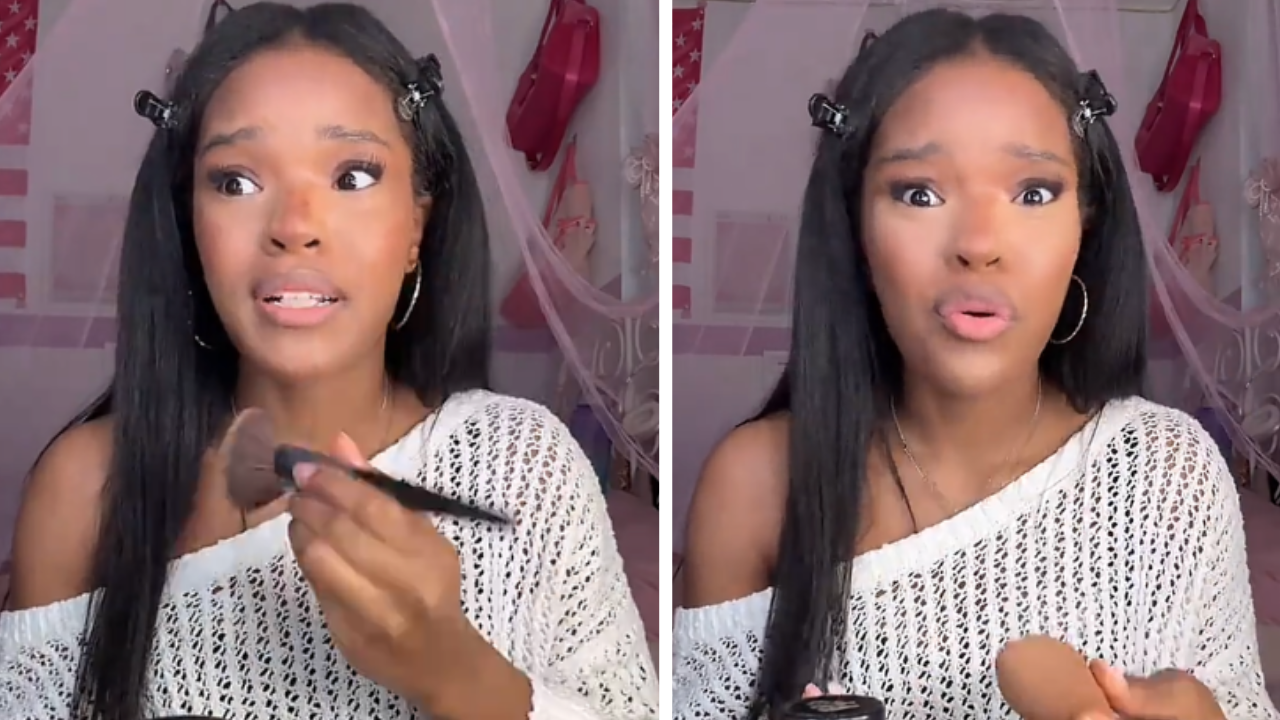
    • TikTok creator @kaylaimee (Kayla) shared a viral storytime video detailing how her childhood best friend betrayed her by dating a racist man who targeted Kayla, eventually adopting his rhetoric and telling Kayla, I’m not going to stop, you deserve it.
    • The alleged bullying occurred when both girls were only 7 years old, including the friend falsely telling teachers Kayla was skipping school while she was actually sick, and refusing to take accountability for a broken lamp.
    • The video amassed over 41,000 likes and 285 comments, with viewers expressing shock at the girls’ young age, outrage over the racist behavior, and support for Kayla’s growth since ending the friendship.

    TikTok Creator Recounts Childhood Betrayal by Best Friend Who Embraced Racist Rhetoric

    TikTok creator Kayla, known as @kaylaimee, has gone viral after sharing a detailed storytime video recounting a deeply painful childhood friendship that deteriorated into racism and betrayal. The video, filmed in a “Get Ready With Me” format, has garnered more than 41,000 likes and 285 comments as of publication. Kayla describes a series of escalating betrayals by her former best friend, beginning when the friend started dating a man who had repeatedly directed racist slurs at Kayla, a Black woman. Despite knowing the history, the friend not only continued the relationship but eventually began using the same slurs and adopting the man’s mentality, according to Kayla’s account.

    Pattern of Betrayal: From School Absences to Property Damage

    The narrative reveals a pattern of sabotage that extended beyond racial hostility. Kayla recounts missing school due to legitimate illness, only to have her friend tell teachers and classmates she was skipping for fun. When Kayla returned with a note from her mother, the school had already been convinced of the false narrative and refused to accept the parental note. In another incident, after both girls accidentally broke a lamp at school, Kayla immediately took accountability while her friend cried and denied any involvement, despite it being a shared accident. These incidents, Kayla says, occurred when they were merely 7 years old — a detail that stunned viewers who initially assumed the events took place during their teenage years.

    The Breaking Point: I’m Not Going to Stop, You Deserve It

    Before ending the friendship entirely, Kayla attempted to address the mistreatment directly. She asked her friend to stop treating her poorly, and the friend initially agreed — only to reverse course moments later. Kayla recalls her former friend stating explicitly: I’m not going to stop, you deserve it. That statement marked the final straw, leading Kayla to cut ties completely. The revelation that such calculated cruelty and racial hostility could manifest between children of that age has been a central point of discussion in the video’s comment section.

    Viewer Reaction: Shock, Outrage, and Support for Kayla’s Growth

    The comment section reflects a mix of disbelief and emotional responses. Multiple users fixated on the girls’ age, with one commenter writing: Wait, I thought y’all were teenagers and then you said SEVEN??? SEVEN?!! Another replied simply: SAME OMG. Others expressed anger on Kayla’s behalf: this is just sad, one user wrote, while another added: I’m sorry but I gotta scroll because this is just straight making me mad. Many commenters celebrated Kayla’s resilience and current success, with one noting: Girllll, the past is in the past, look at you now! You almost have 1 mil followers! Hope you get 1 mil soon! Another remarked on Kayla’s appearance in contrast to the racism she endured: I seriously cant understand racism I mean LOOK AT HER SHEES SO BEAUTIFUL,

    Why This Matters

    This story highlights how early childhood experiences with racism and interpersonal betrayal can have lasting visibility in the digital age. Kayla’s decision to share her story on TikTok — a platform where personal narrative drives engagement — illustrates the growing role of social media as a space for processing trauma and reclaiming agency. The viral response also underscores audience appetite for authentic storytelling that intersects with themes of racial justice, childhood development, and the long-term impact of peer relationships. While The Daily Dot was unable to independently verify the events described, relying solely on @kaylaimee‘s account, the conversation sparked in the comments reflects broader societal concerns about how racism manifests in youth and how survivors navigate public healing.

    Frequently Asked Questions

    How old were Kayla and her friend when these events occurred?

    According to Kayla’s video, all the described events took place when they were 7 years old, not teenagers as many viewers initially assumed.

    What was the final incident that ended the friendship?

    Kayla asked her friend to stop treating her badly. The friend initially agreed but then said: I’m not going to stop, you deserve it. That statement led Kayla to cut off the friendship completely.

    Has The Daily Dot verified the events in the video?

    No. The Daily Dot stated it was unable to independently verify the events described, which are based solely on @kaylaimee‘s account as shared on TikTok.

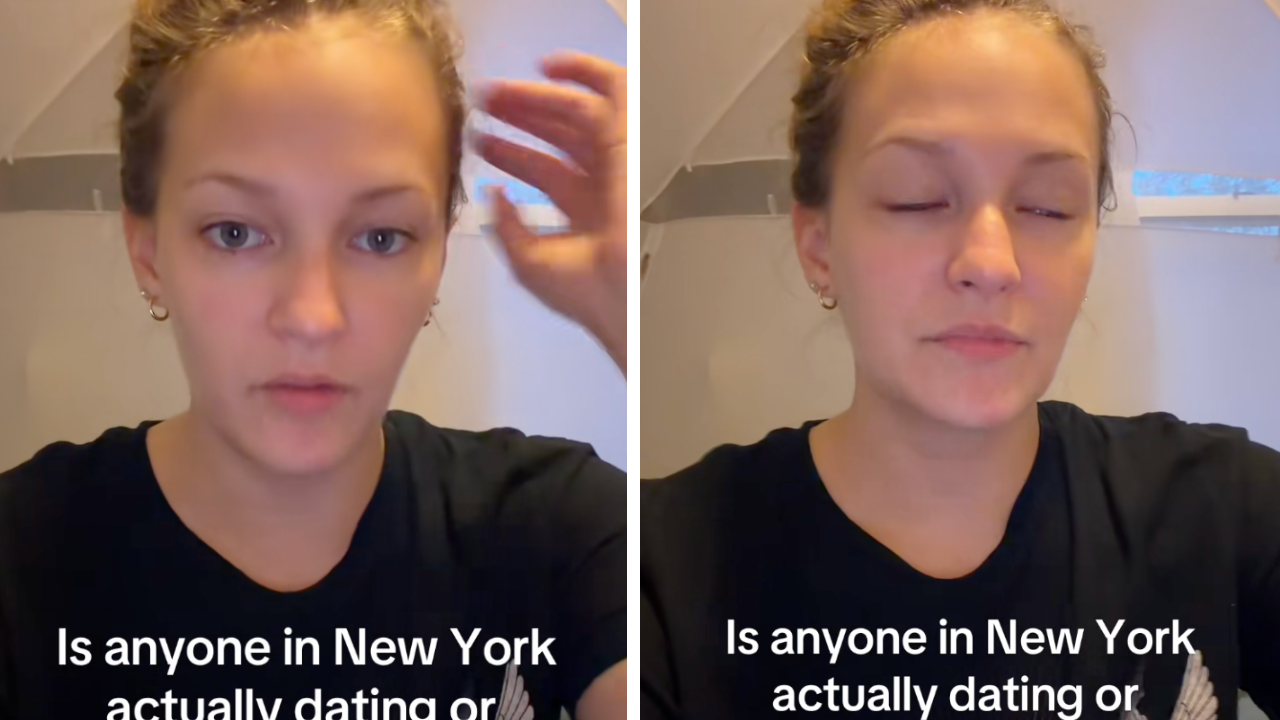
  • Woman Says Dating in NYC Has Become Complicated: ‘Why Is Everyone in New York in the Most Evil Situationship?’

    Woman Says Dating in NYC Has Become Complicated: ‘Why Is Everyone in New York in the Most Evil Situationship?’

    Key Highlights

    • TikTok creator @groovyrockerchick questioned why New York City dating culture appears dominated by undefined “situationships” rather than committed relationships, garnering 49,300 views.
    • Commenters shared polarized views: some called NYC dating “impossible” for commitment-seekers, while others defended the freedom to choose non-traditional relationship structures.
    • The discussion highlighted generational divides, with commenters noting shifting priorities in one’s 40s and the declining centrality of marriage amid expanded life and career options.

    TikTok Creator Sparks Debate Over New York City’s ‘Situationship’ Culture

    TikTok creator @groovyrockerchick ignited a widespread conversation about modern dating dynamics in New York City after posting a video questioning the prevalence of ambiguous romantic arrangements. The video, which accumulated 49,300 views and 253 comments as of publication, struck a nerve with viewers who recognized the pattern she described. Her central inquiry was direct and pointed: “Why is everyone in New York in the most evil situationship of all time?”

    Defining the ‘Situationship’ Phenomenon

    The term “situationship” has entered mainstream lexicon to describe romantic or intimate connections that lack clearly defined expectations, labels, or traditional relationship milestones. According to @groovyrockerchick, this dynamic has become a recurring theme in her interactions with New Yorkers, particularly those in their late 30s and early 40s. She recounted a familiar exchange: when asking whether a date was a boyfriend or if the connection was official, the response was frequently evasive. “I can tell they’re gonna tell me some bulls— ’cause they pull this face,” she said. “I’m like, ‘What the f— are you about to tell me?’ They go, ‘Um, it’s kind of, like, complicated. It’s kind of like this. On again, off again.’” She underscored the disconnect between pop-culture fantasies and reality, adding, “This is not Sex in the City.”

    Viewer Responses Reflect a Spectrum of Frustration and Acceptance

    The comment section quickly became a forum for competing narratives about dating in the city. One commenter painted a bleak picture for those seeking long-term partnership: “The dating scene is different. Nobody young is looking for commitment in NY, just fun and flirting. And the people looking for it can’t find it.” Another went further, advising against dating in the city entirely: “Dating in New York is impossible, genuinely don’t date unless you leave New York. You will not find someone there.”

    Not all perspectives centered on younger daters. A commenter addressing midlife dating offered a sobering assessment: “If you are single in your 40s, there is very little chance of finding a serious relationship,” suggesting that priorities often shift toward peace and independence over partnership. The conversation also expanded into broader philosophical territory regarding relationship structures. One viewer defended autonomy in choosing non-committal paths: “So if you don’t wanna be in a committed relationship — you’re free to do so! Marriage isn’t the center of the world anymore when your options for life, career, etc are as big as you can dream them to be.”

    Why This Matters: Shifting Relationship Norms in Urban Centers

    The viral discussion reflects deeper sociological shifts in how intimacy and commitment are negotiated in major metropolitan areas like New York City. High cost of living, transient populations, demanding career cultures, and the proliferation of dating apps have all been cited in academic and journalistic analyses as factors contributing to delayed marriage and the rise of label-less relationships. The concept of “situationships” has been explored by relationship therapists and sociologists as a response to ambiguity aversion and the paradox of choice — where abundant options can lead to decision paralysis rather than fulfillment. The Daily Dot noted it was “unable to independently verify the broader claims about New York City’s dating culture, which are based on @groovyrockerchick’s observations and the personal experiences shared by commenters.” However, the volume of engagement signals that the creator’s question resonated with a widely felt, if anecdotal, reality. As demographic data shows declining marriage rates and rising median age of first marriage nationwide, conversations like this one on social media serve as real-time barometers of changing cultural scripts around love, commitment, and personal freedom.

    Frequently Asked Questions

    What is a ‘situationship’?

    A situationship is a romantic or intimate relationship that lacks clearly defined expectations, labels, or traditional commitment markers such as exclusivity or long-term planning. It occupies a gray area between casual dating and a formal partnership.

    Who is @groovyrockerchick?

    @groovyrockerchick is a TikTok content creator who posted a video critiquing New York City’s dating culture, specifically the prevalence of undefined “situationships” among people in their late 30s and early 40s. Her video received 49,300 views and 253 comments.

    Is dating in New York City really harder than other cities?

    The experiences shared in the video and comments are anecdotal and not independently verified by The Daily Dot. However, common factors cited in urban dating difficulties include high cost of living, transient populations, career-focused lifestyles, and the paradox of choice created by dating apps. Experiences vary widely by individual.