Category: Buzz

Unique, interesting, and unusual stories.

  • Woman Says She Caught Sister’s Fiancé Cheating Hours Before Wedding: “You Can’t Get Married”

    Woman Says She Caught Sister’s Fiancé Cheating Hours Before Wedding: “You Can’t Get Married”

    Key Highlights

    • TikTok creator @kelsgordon claims she discovered her sister’s fiancé was allegedly leading a double life just two hours before the wedding ceremony, a revelation that led to the groom calling off the marriage at the altar.
    • The bride initially refused to cancel the wedding despite being shown evidence of the affair, reportedly stating that too much money had been spent, but the ceremony ultimately collapsed when the groom’s girlfriend and his mother confronted him during the processional.
    • The viral video, which has amassed 1.2 million views, sparked intense debate among commenters about the groom’s audacity in inviting his girlfriend to his own wedding and whether Kels was secretly relieved by the outcome.

    A Wedding Day Discovery Unravels a Double Life

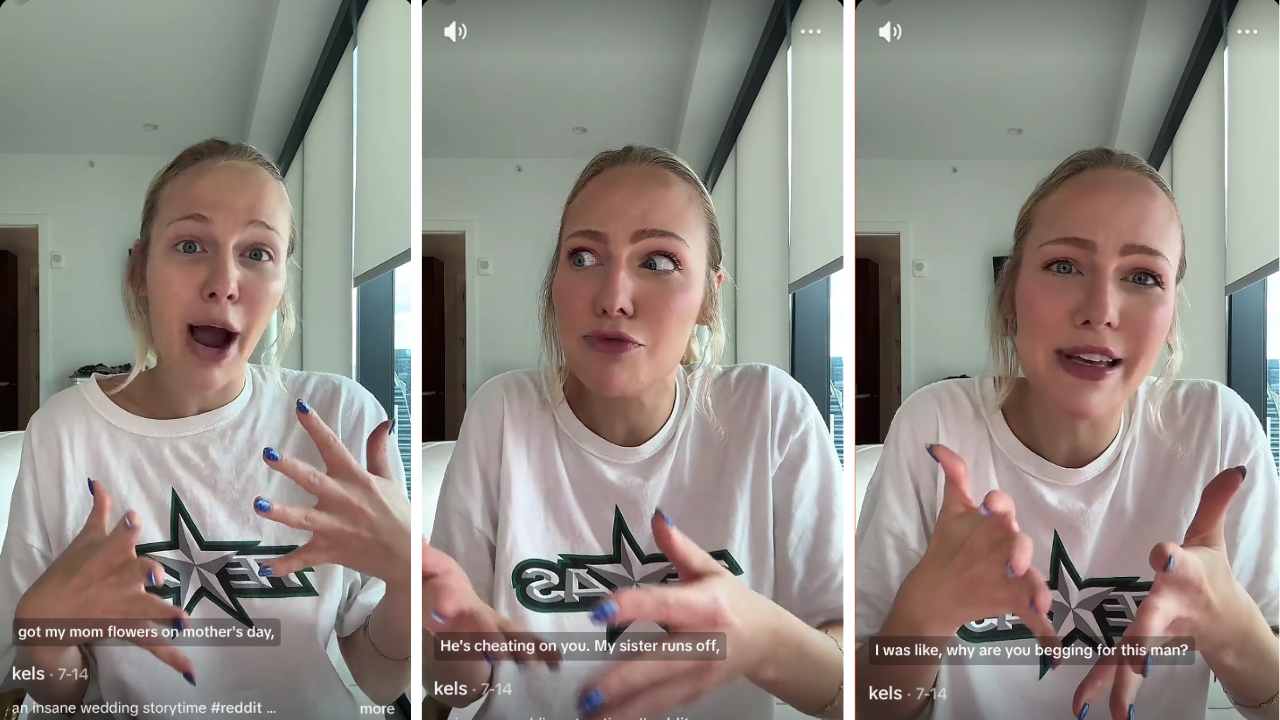
    TikTok creator Kels Gordon, known as @kelsgordon, posted a storytime video recounting the chaotic events that unfolded on her older sister’s wedding day. According to Gordon, she had never fully trusted her sister’s longtime boyfriend, despite the rest of the family viewing him as the “perfect man” due to his stable career, thoughtfulness, and attentiveness to details like birthdays. On the morning of the ceremony, Gordon was serving as the maid of honor and was tasked with ensuring the wedding party remained on schedule. When her sister asked her to check on the groomsmen and the best man, Gordon entered their preparation room only to realize the groom was missing entirely.

    The Confrontation in the Hotel Room

    After the groomsmen initially stonewalled her questions, Gordon said the best man eventually admitted the groom was in his hotel room. Upon knocking, an unfamiliar woman answered the door. Gordon recounted that the woman appeared confused, stating she believed she was in one of the groomsmen’s rooms, not the groom’s. When Gordon insisted on the room number and showed the woman a photo of the groom, the woman confirmed the man in the picture was her boyfriend. The realization was immediate: the fiancé had allegedly been dating this woman while simultaneously planning a wedding, and had reportedly told his girlfriend he was merely a groomsman in someone else’s ceremony. The woman then sent proof of their relationship directly to Gordon’s phone.

    Family Denial and a Ceremony That Proceeded Anyway

    Armed with the evidence, Gordon pulled her mother, father, and sister aside. In a turn that shocked many viewers, Gordon said her sister asked her not to tell anyone else and insisted the wedding continue. According to Gordon, her sister believed too much money had already been spent and that she and her fiancé could “work things out afterward.” The ceremony proceeded, but the tension culminated dramatically as the bridesmaids prepared to walk down the aisle. Gordon described the moment the fiancé’s girlfriend entered the venue accompanied by the groom’s own mother. In a stunning public intervention, the mother declared, “You can’t get married. This is who you’re supposed to be with!”

    Fallout at the Altar and a Sister’s Blame

    The confrontation triggered a cascade of arguments involving the fiancé, his mother, his girlfriend, and ultimately the bride. Gordon stated the fiancé called off the wedding on the spot, declaring he was in love with the other woman. Despite being rejected at the altar, Gordon said her sister fought to change his mind before running off in tears. When Gordon approached to comfort her, she claimed her sister “snapped at her angrily and blamed her for running her wedding.” The Daily Dot was unable to independently verify the events described by Gordon; the details in this report are based solely on her account shared on TikTok and the subsequent reactions from commenters.

    Why This Matters

    This story highlights the volatile intersection of private family dynamics and public social media performance. The video’s viral reach—surpassing 1.2 million views—demonstrates the immense appetite for real-time, high-stakes personal narratives on platforms like TikTok, where the #storytime and #redditstories tags function as modern-day confessionals. Beyond the spectacle, the account raises uncomfortable questions about financial pressure in wedding culture, the enforcement of family loyalty over truth-telling, and the ethical complexities of exposing infidelity in a public forum. For creators, it underscores how algorithmic amplification can transform a personal crisis into mass entertainment, often before any facts are independently verified.

    Frequently Asked Questions

    Did the wedding actually take place?

    No. According to Kels Gordon’s account, the ceremony began but was halted when the groom’s girlfriend and his mother confronted him at the altar. The groom subsequently called off the wedding, stating he was in love with the other woman.

    Why did the bride initially want to continue the wedding after learning of the affair?

    Gordon stated her sister believed too much money had already been spent on the wedding and hoped she and the fiancé could “work things out afterward,” choosing to proceed with the ceremony rather than cancel it immediately.

    Has the story been independently verified?

    The Daily Dot explicitly stated it was unable to independently verify the events described by Kels Gordon. The details reported are based entirely on her first-person account on TikTok and the opinions expressed by commenters on the video.
  • Woman Says Parents Served Protection Orders After She Tried Contacting Siblings: “I Had Video”

    Woman Says Parents Served Protection Orders After She Tried Contacting Siblings: “I Had Video”

    Key Highlights

    • TikTok creator Audrey (@audreyinreallife) alleges her parents filed civil protection orders against her and her boyfriend to block contact with her younger siblings still living at home.
    • The protection orders were dismissed after Audrey presented video evidence contradicting her father’s claims in court, with four adult siblings subpoenaed to testify.
    • The Daily Dot could not independently verify the events; the account is based solely on Audrey’s TikTok narrative and viewer reactions.

    TikTok Creator Alleges Parents Used Legal System to Sever Sibling Contact

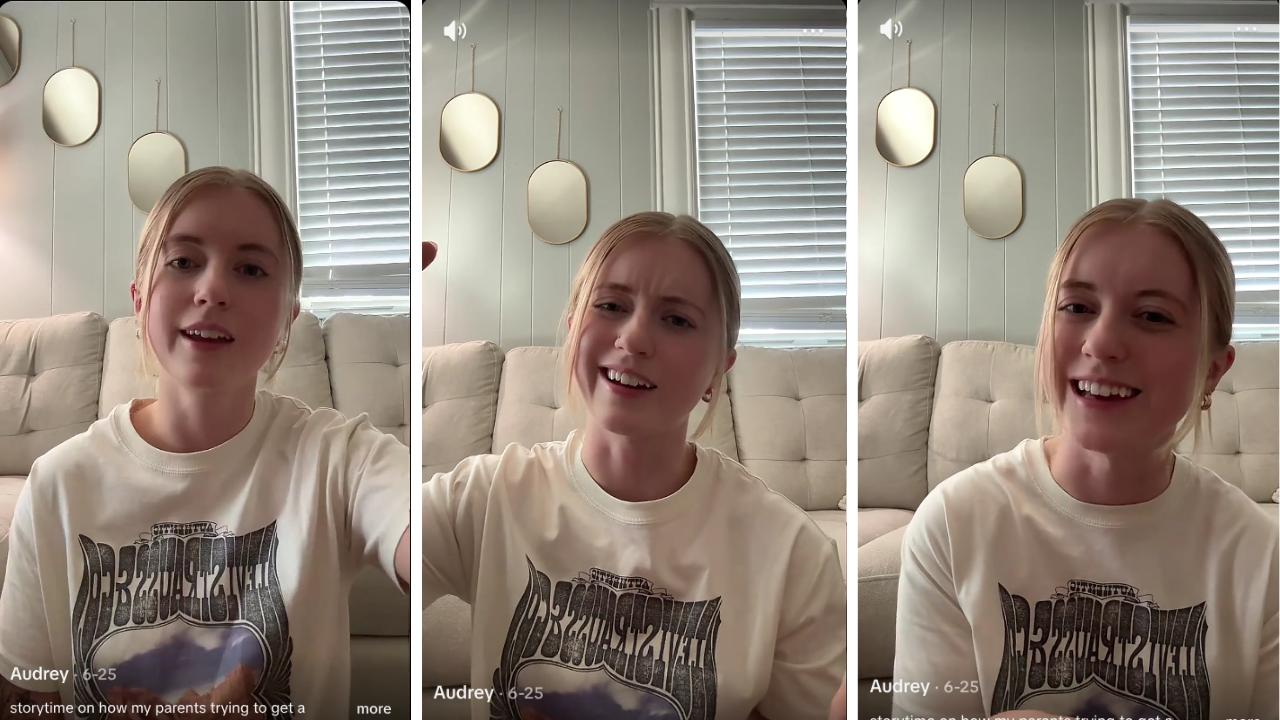
    A TikTok user known as Audrey, who posts under the handle @audreyinreallife, has shared a widely viewed account of her parents serving her and her boyfriend with civil protection orders in what she describes as an attempt to prevent her from rescuing her younger siblings from an isolated home environment. The video, which has amassed 2.4 million views and 557 comments, details a legal battle that unfolded over several weeks in mid-2026.

    Background: Isolation, Estrangement, and a Detective’s Visit

    Audrey states she is the oldest of 11 siblings and describes a childhood marked by severe isolation. “We were … isolated … from contact with anyone outside of the house,” Audrey said in her video. She left the family home with one brother in 2020, and since then, she and her boyfriend have attempted to reestablish contact with the siblings who remained.

    According to Audrey, the situation escalated in June 2026 when a detective visited her parents’ home to check on the welfare of the younger children after concerns were raised. Audrey says she had contacted that same detective about her siblings and parents a year earlier. She alleges the detective’s visit prompted her parents to file the civil protection orders against her and her boyfriend roughly three weeks before she posted the TikTok.

    Court Proceedings: Subpoenas, Video Evidence, and Dismissal

    After receiving the orders, Audrey and her boyfriend retained an attorney who believed the orders would not be granted. Audrey subpoenaed four of her adult siblings to testify, aiming to demonstrate that the incidents cited by her father in the filings involved attempts to contact the siblings—not the parents. She also subpoenaed her mother as a witness to one described incident. Audrey alleges her parents argued with the process server to prevent the siblings from being served.

    At the first hearing, Audrey appeared with counsel while her father represented himself. She recounts that the judge explained the evidentiary burden to her father and noted he lacked sufficient evidence. Her father then requested an attorney and a continuance. Before the second hearing, Audrey presented video footage of the interactions her father had described in the protection-order filings. She says this evidence rendered the sibling and maternal testimony unnecessary, and the protection orders were ultimately dismissed.

    Why This Matters

    The case highlights the intersection of family estrangement, alleged coercive control, and the use of civil protection orders as a potential tool to restrict contact between adult siblings. While civil protection orders are designed to protect individuals from harassment or abuse, Audrey’s account raises questions about their misuse to enforce isolation within high-control family dynamics. The involvement of law enforcement welfare checks and the reliance on video evidence to counter sworn filings underscore the evidentiary challenges in such disputes. The viral response—millions of views and hundreds of comments praising Audrey’s preparation and advocacy for her siblings—reflects broad public interest in stories of sibling solidarity and escaping restrictive upbringings. However, The Daily Dot was unable to independently verify the events described by Audrey. The details in this article are based on her account shared on TikTok and the reactions from commenters.

    Frequently Asked Questions

    Who is Audrey and what platform did she use to share her story?
    Audrey is a TikTok creator who posts under the username @audreyinreallife. She shared her account in a video that garnered 2.4 million views.
    What was the outcome of the civil protection order hearings?
    The protection orders were dismissed after Audrey presented video footage that contradicted her father’s allegations in the filings. The judge determined her father did not have enough evidence to support the orders.
    Has The Daily Dot verified Audrey’s claims independently?
    No. The Daily Dot explicitly states it was unable to independently verify the events described by Audrey. The reporting is based on her TikTok narrative and viewer comments.
  • Woman Says Her Ex-Best Friend and Ex-Boyfriend Are Now Engaged: ‘She Told Me to Break Up With Him’

    Woman Says Her Ex-Best Friend and Ex-Boyfriend Are Now Engaged: ‘She Told Me to Break Up With Him’

    Key Highlights

    • TikTok creator Natalie (@hottgirlseatpickles) alleges her former best friend encouraged her to break up with her boyfriend, then began dating and became engaged to him.
    • The viral video has amassed 1.6 million likes and over 13,500 comments, with viewers largely supporting Natalie and criticizing the former friend and ex-boyfriend’s conduct.
    • The Daily Dot has not independently verified the events; the account is based solely on Natalie’s TikTok narrative and public comment reactions.

    A Viral ‘Story Time’ Details a Friendship and Relationship Collapse

    TikTok user Natalie, known by her handle @hottgirlseatpickles, posted a widely viewed video recounting how her former best friend and ex-boyfriend are now engaged after a sequence of events she describes as a betrayal. The video, captioned “story time? about my ex and my best friend getting married? (plz do not interact with them or their family in a negative way thank u!) #ex #exbfandexbsf”, has garnered 1.6 million likes and 13,500 comments as of reporting. In the multi-part narrative, Natalie outlines a timeline beginning with relationship doubts, a pivotal trip, and a breakdown of trust that ended both her romantic relationship and a close friendship.

    The Trip That Changed Everything

    Natalie explains that before a planned trip to visit her mother, she was already questioning whether her relationship was worth saving. Her boyfriend declined to join the trip, so she invited her then-best friend instead. During that visit, Natalie says her friend repeatedly encouraged her to end the relationship, telling her the boyfriend was “bad for her” and explicitly stating she wanted Natalie to be single. At the time, Natalie and her boyfriend shared a home and a dog. Upon returning, Natalie broke up with him and moved in with her friend.

    Shifting Dynamics and Hidden Communication

    Throughout their friendship, Natalie says both parties had claimed no mutual attraction: her friend insisted she wasn’t attracted to the boyfriend, and he reportedly said the same about her. However, the dynamic shifted when the friend began sending pictures to the boyfriend and asking for advice about a bodybuilding competition she was entering; he worked as a personal trainer. Natalie and her boyfriend later attempted to reconcile, but she soon sensed something was wrong. When she suspected he was seeing another woman, she confided in her friend, who acted sympathetic. The boyfriend eventually admitted he was seeing someone, and around the same time, the friend grew distant. Natalie later learned the two had been seen together, and they are now engaged. She suspects their involvement began before her relationship officially ended.

    Commenters Rally Around Natalie, Criticize the Pair

    The comment section overwhelmingly sided with Natalie, with many users condemning the former best friend’s actions and the ex-boyfriend’s behavior. One commenter wrote, “I’ll never understand how people find their friend’s partner attractive like ever.” Another added, “My best friend would NEVER send my husband pictures of herself, for any reason.” Several users claimed to have found photos of the ex-boyfriend and ex-best friend, sharing them in the replies and asserting Natalie “dodged a bullet” regarding both their appearances and character. A particularly resonant comment read, “I want you to be so thankful this did not happen to you 23 years into marriage w kids.” Another user offered a broader perspective: “Spoiler Alert: Relationships that start this way NEVER get very far. Both of them know what the other is capable of doing (their character/ethics) and for that reason alone they will never trust each other. A relationship without trust does not work.”

    Why This Matters

    The story illustrates the powerful role of social media platforms like TikTok as venues for personal storytelling and informal justice. With over a million engagements, Natalie’s narrative has sparked a public conversation about friendship boundaries, relationship ethics, and the “girl code” versus “bro code” dynamics that often play out in viral discourse. The case also highlights the limitations of platform-based reporting: The Daily Dot was unable to independently verify the events described in @hottgirlseatpickles’s TikTok video. The details in this article are based on Natalie’s account of the relationship and the reactions and speculation shared by commenters on her video. As parasocial relationships deepen, audiences increasingly treat creator narratives as both entertainment and cautionary tales, amplifying the real-world reputational stakes for those involved.

    Frequently Asked Questions

    Who is Natalie and where did she share this story?
    Natalie is a TikTok creator who posts under the handle @hottgirlseatpickles. She shared the story in a video on her TikTok account.
    What is the core allegation?
    Natalie alleges that her former best friend actively encouraged her to break up with her boyfriend while they were on a trip together, and that the friend and the ex-boyfriend subsequently began a romantic relationship and are now engaged. She suspects the involvement began before her relationship officially ended.
    Has this been independently confirmed?
    No. The Daily Dot was unable to independently verify the events described in the TikTok video. The reporting is based solely on Natalie’s first-person account and the public comments on her post.
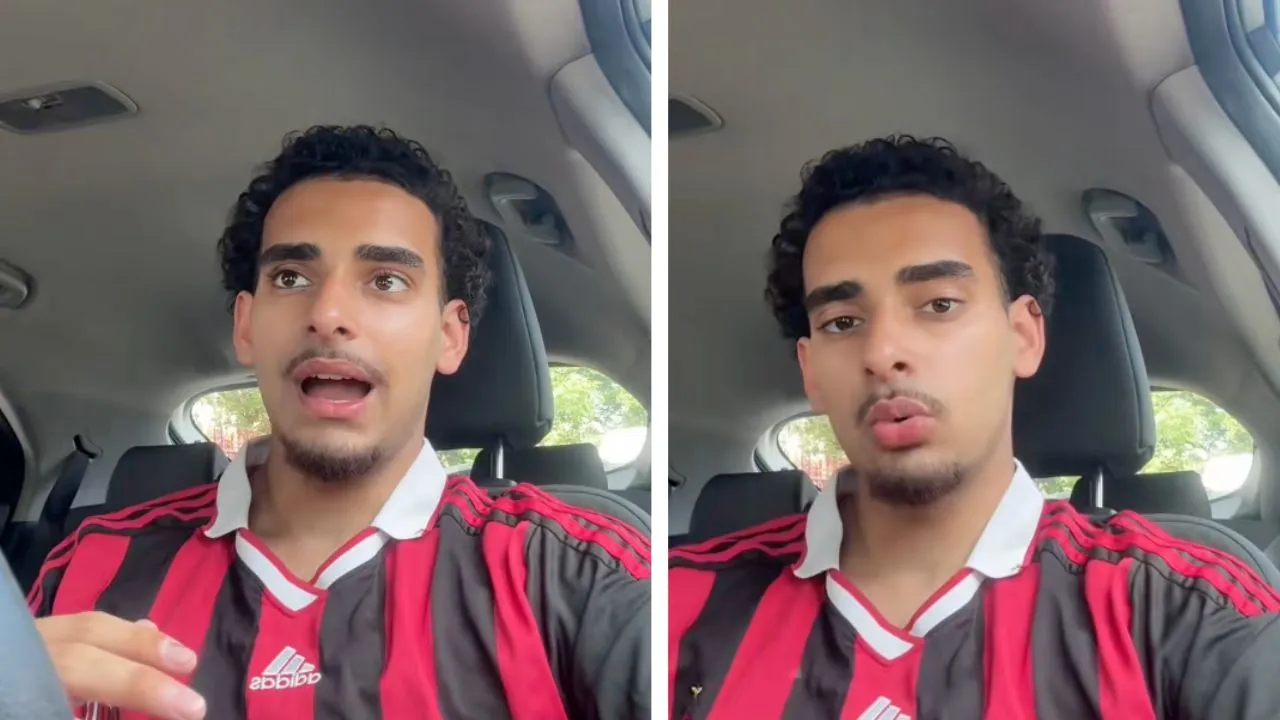
  • Man Says Following Strangers on Instagram or TikTok Is Cheating: ‘What Are You Following Someone for if You Don’t Know Them?’

    Man Says Following Strangers on Instagram or TikTok Is Cheating: ‘What Are You Following Someone for if You Don’t Know Them?’

    Key Highlights

    • TikTok creator Anthony (@undiagnosedanthony) argues that following, liking, or commenting on attractive strangers’ social media profiles constitutes cheating, sparking viral debate.
    • Commenters are sharply divided, with some praising his strict boundaries while others label the views as insecurity and an erosion of the term “cheating.”
    • The discourse highlights shifting relationship norms around digital privacy, phone access, and social media boundaries in modern partnerships.

    TikTok Creator Redefines Infidelity in Viral Video

    A TikTok video posted by Anthony, known on the platform as @undiagnosedanthony, has ignited a fierce debate over the definition of cheating in the digital age. The video, which has garnered thousands of likes and 874 comments, outlines a strict framework for fidelity that classifies common social media behaviors—such as following attractive strangers, engaging with their content, and guarding one’s phone—as acts of unfaithfulness. Originally reported by The Daily Dot, the clip has become a flashpoint for conflicting philosophies on trust, privacy, and relationship boundaries.

    Anthony’s Argument: Digital Engagement as Betrayal

    In the video, Anthony establishes a baseline that following someone a person could be attracted to, despite having no personal connection, qualifies as cheating. He challenges the viewer’s intent, questioning what interest could exist beyond physical appearance. This logic extends to liking and commenting on that person’s posts, which he frames as active indicators of attraction rather than passive scrolling.

    Perhaps the most contentious point involves device privacy. Anthony posits that refusing to let a partner look through one’s phone is a potential sign of infidelity rather than a legitimate assertion of personal privacy. By equating opacity with guilt, the argument removes the nuance of individual autonomy, suggesting that transparency is the sole metric of loyalty.

    Comment Section Splits on ‘Insecurity’ vs. ‘Standards’

    The response in the comments section reveals a polarized audience. Supporters validated Anthony’s rigidity. One user wrote, “You’re strict, I like it,” while another agreed regarding visual boundaries, stating, “Lingering eyes drive me insane.” A third commenter offered a behavioral litmus test: “If you’re doing something that you wouldn’t do right in front of your partner, that’s considered cheating imo.” Another praised the approach as therapeutic, commenting, “You could be a couples therapist.”

    Personal anecdotes reinforced this view. One user shared a painful history, writing, “My ex husband’s insta feed was nothing but women. But his excuse was always ‘I went to school with them’ or ‘I was in AIT with them,’” illustrating how the behaviors Anthony describes can manifest in real-world betrayal.

    Critics Argue Definition Waters Down Cheating

    However, a significant portion of the commentary pushed back hard, characterizing the rules as controlling and rooted in insecurity. A lengthy, highly engaged rebuttal read: “This doesn’t scream, cheating, this screams insecurity to me. I would never tell someone who they could, and could not follow. Just like I would never allow someone to tell me who I could, and could not follow. My husband has access to my phone, but he has no reason to ever go in it. If he doesn’t trust me to have social media or a phone, we shouldn’t be together at all.”

    Others dismissed the premise entirely. “None of these are cheating …” one commenter asserted. The semantic dilution of the term “cheating” was a recurring theme. One user asked, “So people can’t just think someone else is good looking anymore? So many healthy couples will point out good-looking men and women because some people are just naturally very beautiful,” while another questioned the utility of the label: “I mean each relationship will have its own unique boundaries, but do some of the things you are listing not water down what ‘cheating’ is? Like, you are going to label your partner a cheater if they follow someone on TikTok?”

    Why This Matters: Digital Boundaries in Modern Relationships

    The viral nature of this debate underscores a fundamental tension in contemporary romance: the lack of universal norms for digital conduct. Unlike physical infidelity, which has relatively clear boundaries, “micro-cheating” behaviors—following, liking, direct messaging—exist in a gray zone defined entirely by individual couple agreements. The discourse exposes a generational and philosophical divide between relational security models (where transparency and restriction prove commitment) and autonomy models (where trust is demonstrated precisely by granting freedom). As social media becomes the primary arena for social validation and connection, these conflicts are likely to remain central to relationship counseling and cultural conversation.

    Frequently Asked Questions

    Who is Anthony (@undiagnosedanthony)?
    Anthony is a TikTok content creator who posted a viral video outlining his strict definitions of cheating, focusing on social media behaviors like following attractive strangers and phone privacy.
    What specific behaviors does he classify as cheating?
    He identifies three main categories: following someone you don’t know but are attracted to; liking or commenting on that person’s posts; and hiding your phone or refusing to let a partner look through it.
    Is there a consensus on whether these behaviors count as cheating?
    No. The comments on the video and subsequent coverage reveal a deep split. Some viewers agree these are boundary violations, while a large contingent argues they reflect insecurity and incorrectly expand the definition of infidelity.
  • Verity’s True Home Song and Animation Sparks Cringeworthy Meme Trend

    Verity’s True Home Song and Animation Sparks Cringeworthy Meme Trend

    Key Highlights

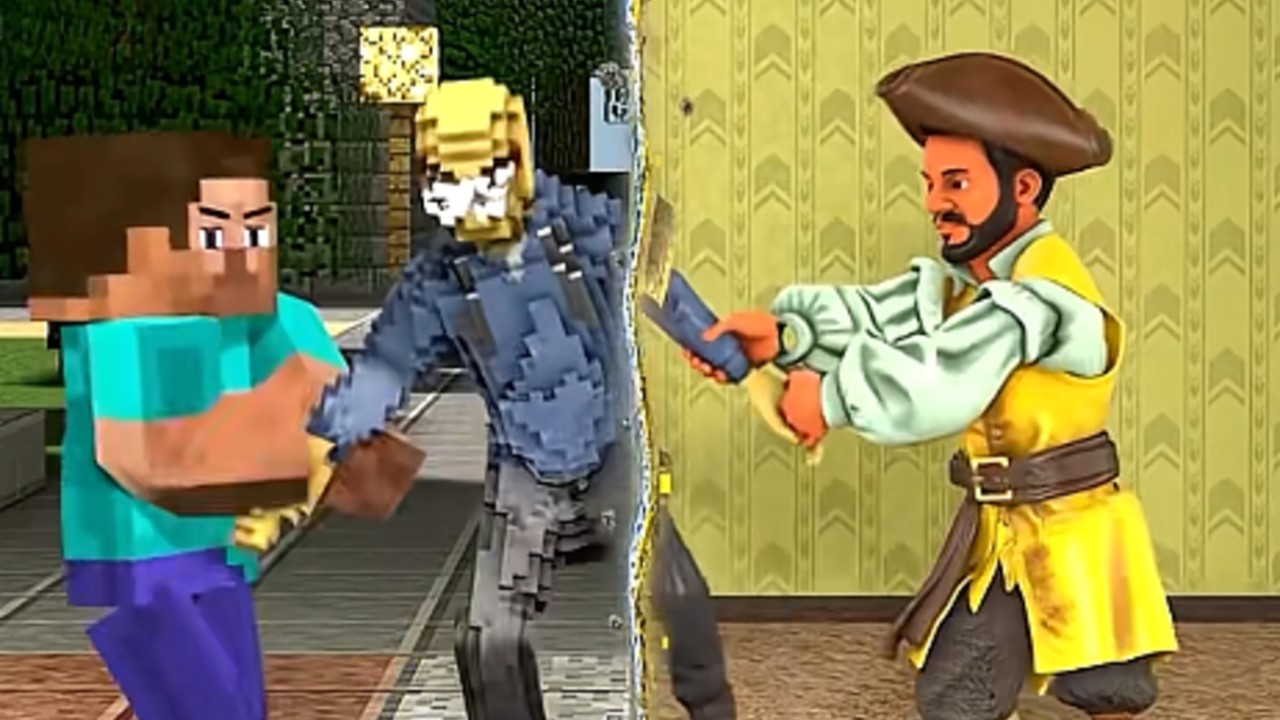
    • A viral animated TikTok video titled “Verity’s From Minecraft, He Belongs To Backrooms” features Pirate Clark from the Backrooms movie and Steve from Minecraft competing for the character Verity from the Verity Minecraft mod.
    • The video was uploaded by TikTok creator @web24535 in late August 2026 and achieved widespread virality throughout September 2026.
    • The meme spawned numerous lip dubs, remixes of the central song, and derivative memes across social media platforms.

    Animated Crossover Sparks Viral TikTok Phenomenon

    A surreal animated crossover between two distinct internet subcultures has captured the attention of millions on TikTok. The video, known by its lyrical hook “Verity’s From Minecraft, He Belongs To Backrooms,” depicts a tug-of-war between Pirate Clark—a character associated with the Backrooms horror franchise—and Steve, the default player avatar from Minecraft. Both characters attempt to pull Verity, a character originating from the popular Verity Minecraft mod, into their respective fictional universes while singing the now-infamous refrain.

    Origins and Rapid Spread on Social Media

    The animation was originally uploaded to TikTok by user @web24535 at the end of August 2026. Within weeks, the clip transcended its initial posting to become a dominant trend throughout September 2026. The video’s absurd premise—mashing up the liminal horror aesthetic of the Backrooms with the blocky, family-friendly world of Minecraft—resonated deeply with the platform’s user base, triggering an explosion of user-generated content.

    Remix Culture and Community Participation

    The meme’s longevity was fueled by a highly participatory remix culture. Creators across TikTok produced thousands of lip dubs, recreating the original animation’s distinct character movements and lip-syncing. Musicians and audio engineers contributed by producing genre-spanning remixes of the central song, transforming the catchy, repetitive hook into electronic, orchestral, and lo-fi variations. This collaborative layering of content is characteristic of modern TikTok trend cycles, where a single template becomes a canvas for diverse creative expression.

    Why This Matters

    The virality of “Verity’s From Minecraft, He Belongs To Backrooms” underscores the accelerating convergence of niche internet lore and mainstream gaming culture on short-form video platforms. The Backrooms, which originated as a creepypasta and collaborative fiction project, and Minecraft, the best-selling video game of all time, represent vastly different corners of digital culture. Their collision in a single meme highlights how TikTok’s algorithm facilitates the cross-pollination of fanbases, creating shared cultural touchstones from previously siloed communities. For the creators of the Verity mod, the trend represents an unexpected surge in visibility, potentially driving new players to their modification. As the trend cycle progresses, industry observers will watch to see if this crossover inspires official collaborations or further fan-driven narrative expansions.

    Frequently Asked Questions

    Who created the original viral video?

    The original animated video was created and uploaded by TikTok user @web24535 in late August 2026.

    What characters are featured in the animation?

    The video features three central characters: Pirate Clark from the Backrooms franchise, Steve from Minecraft, and Verity from the Verity Minecraft mod.

    Why did the video become a trend in September 2026?

    The video’s surreal crossover premise and catchy musical hook inspired a massive wave of user-generated content, including lip dubs, musical remixes, and derivative memes, driving its virality throughout September 2026.

  • Manager Called Employee ‘Stupid,’ Then Tried to Fire Her After HR Report

    Manager Called Employee ‘Stupid,’ Then Tried to Fire Her After HR Report

    Key Highlights

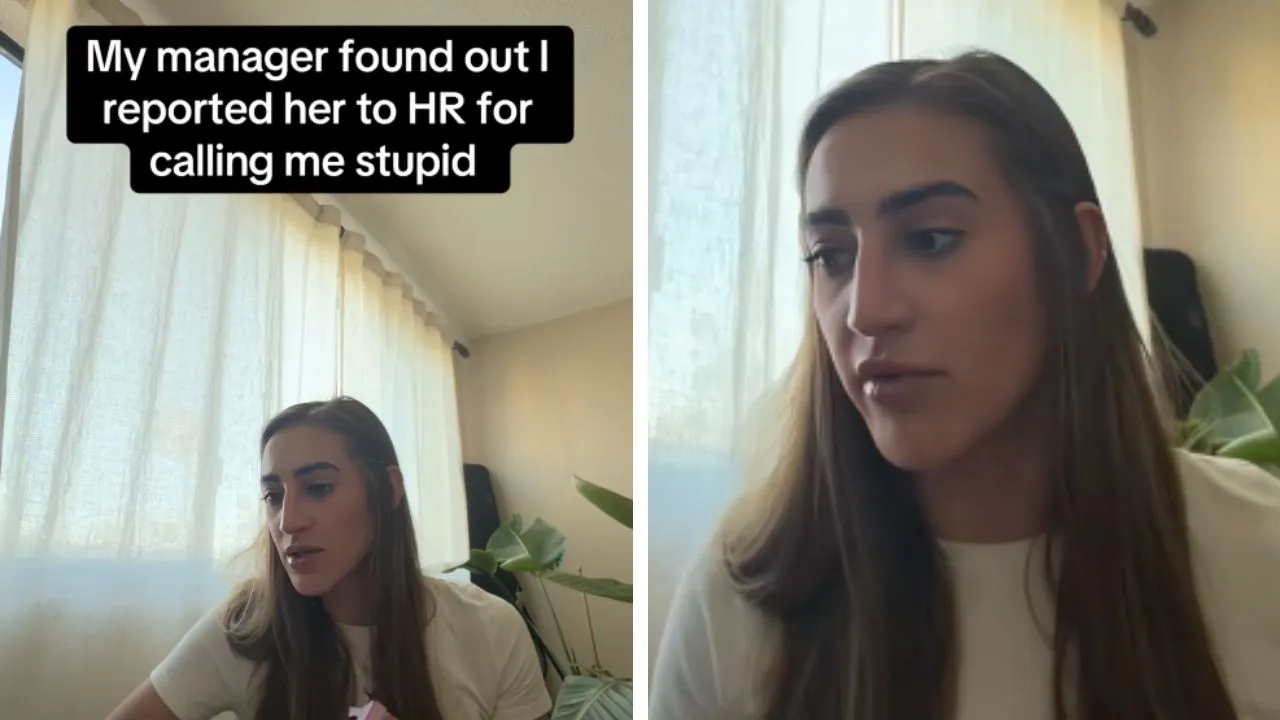
    • A TikTok video by @productivitywork shows a manager named Janice threatening to fire an employee after discovering she reported her to HR for calling her “stupid” in front of colleagues.
    • The employee argues the termination would constitute illegal retaliation for filing an HR complaint, while the manager claims the report proves the behavior that prompted the initial criticism.
    • Legal experts and the EEOC clarify that not all workplace rudeness meets the legal standard for harassment, and employers can still discipline employees for legitimate, non-discriminatory reasons.

    TikTok Video Captures Manager’s Threat to Fire Employee After HR Complaint

    A viral TikTok video posted by user @productivitywork has ignited widespread discussion about workplace dynamics, the role of human resources, and the legal boundaries of retaliation. The video, which has amassed over 157,500 likes, features an on-screen overlay stating, “My manager found out I reported her to HR for calling me stupid.” In the footage, a manager identified as Janice confronts the employee, who is recording the interaction, after learning she filed a formal harassment complaint with HR.

    The Confrontation: From Name-Calling to Termination Threat

    According to the video, the incident originated when Janice allegedly called the employee “stupid” in front of colleagues during a meeting. The employee states she submitted a transcript of that meeting to HR because she “felt bad being called ‘stupid’ in front of her colleagues.” Upon discovering the report, Janice argues the employee should have addressed the issue directly rather than escalating it to HR. She asserts that by choosing to report the incident, the employee is “proving that she is still behaving in the same way that was the reason for the initial criticism.” The confrontation escalates rapidly, culminating in Janice informing the employee that she would be fired.

    Employee Cites Retaliation Protections and Legal Recourse

    The employee pushes back forcefully, arguing that terminating her employment would amount to illegal retaliation for filing an HR complaint. She asserts her right to submit valid complaints and informs the manager that the dismissal itself will also be reported to HR. Additionally, she indicates that if the manager proceeds, she can seek advice from an employment attorney. The video has prompted a flood of comments offering strategies such as documenting all conversations, contacting an attorney, recording future interactions with the manager, and sharing those recordings with HR. However, some commenters maintain the employee should have attempted to resolve the matter directly with the manager before escalating the dispute.

    Why This Matters: The Legal Nuance Behind Workplace Retaliation and Harassment

    The viral nature of the video underscores a critical gap between public perception and employment law. The U.S. Equal Employment Opportunity Commission (EEOC) clarifies that federal anti-retaliation protections generally apply when an employee engages in “protected activity” under federal equal employment opportunity laws. This includes reporting or opposing discrimination or harassment covered by those statutes, or participating in an investigation, even against the employer’s wishes.

    However, the EEOC emphasizes that filing an HR complaint does not grant blanket immunity from termination. Employers retain the right to discipline or dismiss employees for legitimate, non-discriminatory reasons such as poor performance or misconduct. Whether an adverse action constitutes unlawful retaliation depends on whether the action is causally linked to the protected activity. Furthermore, the EEOC notes that not all rude or inappropriate workplace behavior meets the legal threshold for harassment. Under federal anti-discrimination laws, harassment typically must be based on a protected characteristic or protected activity and satisfy specific legal standards; isolated, non-serious incidents generally do not violate federal harassment law.

    Frequently Asked Questions

    Does reporting a manager to HR legally protect an employee from being fired?

    No. Filing an HR complaint triggers anti-retaliation protections only if the complaint involves “protected activity” under federal EEO laws (such as opposing discrimination or harassment based on a protected characteristic). Employers can still terminate employees for valid, non-discriminatory reasons unrelated to the complaint, such as documented performance issues or misconduct.

    Is calling an employee “stupid” considered illegal harassment under federal law?

    Not necessarily. The EEOC states that harassment must be based on a protected characteristic (like race, sex, religion, etc.) or protected activity, and be severe or pervasive enough to create a hostile work environment. Isolated incidents of rudeness or name-calling, while unprofessional, generally do not meet this federal legal standard.

    What should an employee do if they believe they are facing retaliation after an HR complaint?

    Document all interactions meticulously, preserve any relevant communications, and consult an employment attorney to evaluate the specific facts. The employee in the video indicated she would report the threatened termination to HR and seek legal counsel, which aligns with standard guidance for preserving legal claims.

  • ‘Family Guy’ Cutaway About Blocking the Street Sparks Viral Memes on TikTok, Instagram Reels

    ‘Family Guy’ Cutaway About Blocking the Street Sparks Viral Memes on TikTok, Instagram Reels

    Key Highlights

    • “We’re All Just Blocking the Street” originated from Family Guy season 15, episode 18 “The Peter Principal,” featuring a New Orleans second line band marching while singing about obstructing traffic.
    • The clip surged as a viral meme format on TikTok and Instagram Reels in September 2026, widely used for lip dubs and image macros captioned around the frustration of navigating crowded spaces.
    • The scene centers on Brian Griffin’s escalating annoyance as the band refuses to clear the roadway, a dynamic that resonated with social media users relating to everyday bottlenecks.

    From Cutaway Gag to Cultural Touchstone

    When Family Guy aired “The Peter Principal” during its fifteenth season, the musical interlude “We’re All Just Blocking the Street” functioned as a classic cutaway gag: a brass-heavy second line band parades down a New Orleans thoroughfare, cheerfully chanting about their own obstructionism while Brian Griffin stews in gridlocked traffic. The sequence, built on the show’s signature blend of absurdity and observational humor, depicted the band as unapologetically communal and Brian as the lone rational actor trapped by their revelry. For years, the moment lived in the series’ deep catalog of memorable musical bits, cited mostly by fans ranking the best Family Guy songs or recalling the show’s frequent visits to the Crescent City.

    The September 2026 Resurgence on Short-Form Platforms

    That changed in September 2026 when the clip migrated to TikTok and Instagram Reels, where it mutated into a versatile meme template. Creators isolated the audio—often just the infectious refrain—and deployed it as a lip dub backdrop, syncing the lyrics to everything from concert crowds and festival choke points to grocery store aisles during holiday rushes. Simultaneously, the visual of the marching band became an image macro staple: the band stands in for any immovable mass, while Brian’s exasperated driver represents the viewer caught behind it. Captions typically riff on the universality of “getting stuck in a crowd,” whether literal or metaphorical, turning a decade-old cartoon joke into a shorthand for collective frustration in the algorithmic age.

    Why the Format Resonates Across Platforms

    The meme’s durability stems from its structural flexibility. The second line tradition—rooted in New Orleans jazz funerals and celebrations where the “main line” follows the band—carries inherent cultural weight about community claiming public space. Family Guy satirized that tradition by making the band self-aware (“We’re all just blocking the street”), and short-form creators reclaimed the irony, applying it to modern friction points: commuters halted by marathon runners, shoppers boxed in by sample tables, gamers stuck in lobby queues. The Brian Griffin reaction shot provides a ready-made reaction face, while the upbeat brass melody ensures the content feels participatory rather than purely cynical, a balance that fuels shareability on both TikTok’s For You Page and Instagram’s Explore grid.

    Why This Matters

    The trajectory of “We’re All Just Blocking the Street” illustrates how legacy animated sitcoms feed the meme economy long after their original broadcast. Family Guy‘s dense archive of musical cutaways—produced by a writers’ room that routinely parodies specific regional cultures—acts as a renewable resource for creators mining nostalgia and specificity. The September 2026 spike also underscores the role of audio-centric discovery on TikTok and Reels: a fifteen-second hook can resuscitate a scene from 2017, decoupling it from its narrative context and repurposing it as a universal reaction asset. For media analysts, the case reinforces that intellectual property holders benefit when legacy clips are easily licensable or tolerant of transformative use, because each viral cycle drives renewed viewership to the source series on streaming platforms.

    Frequently Asked Questions

    Which Family Guy episode features “We’re All Just Blocking the Street”?
    The song appears in season 15, episode 18, titled “The Peter Principal,” which originally aired in 2017.
    Why did the clip go viral in September 2026?
    TikTok and Instagram Reels creators adopted the audio and visual as a meme template for expressing the frustration of navigating crowded spaces, pairing the upbeat second line brass with relatable captions about bottlenecks.
    Who are the main characters in the original scene?
    The scene centers on Brian Griffin, the Griffin family’s anthropomorphic dog, who grows increasingly irritated while a New Orleans second line band marches down the street singing about blocking traffic.
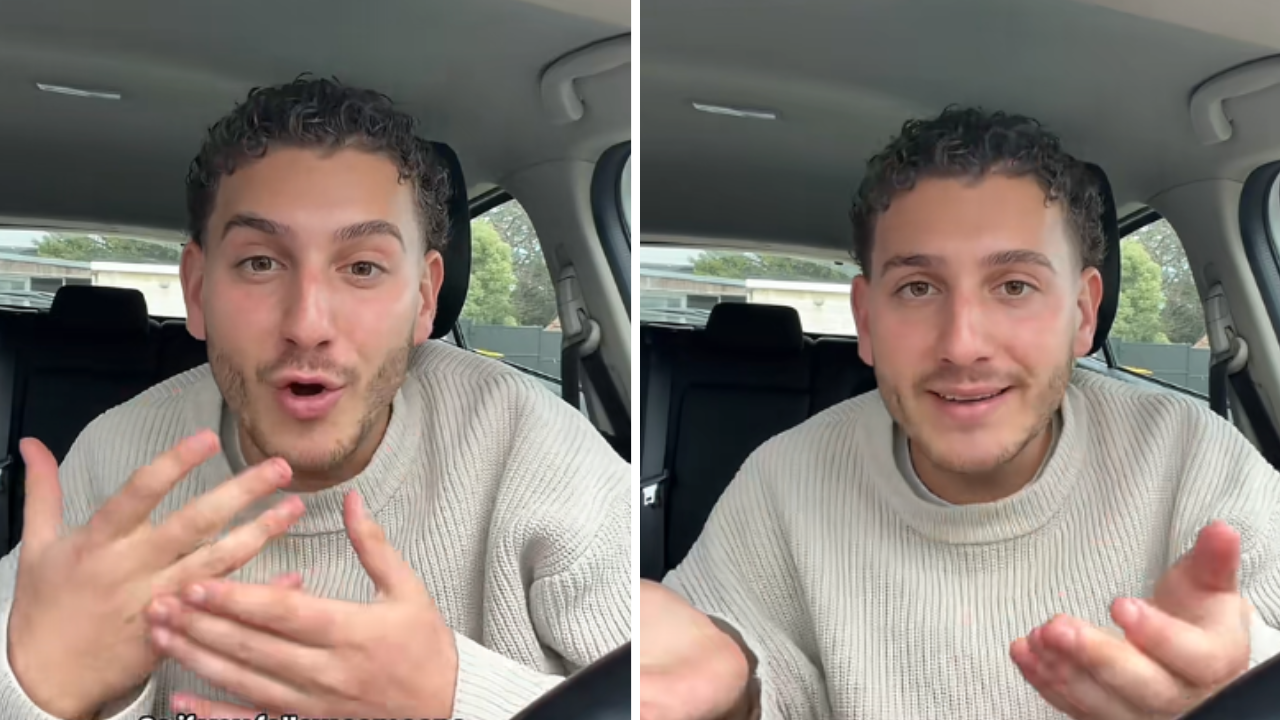
  • Uber Eats Driver Mocked for Job Changes Perspective After Meeting Men Working 15-Hour Shifts to Feed Families

    Uber Eats Driver Mocked for Job Changes Perspective After Meeting Men Working 15-Hour Shifts to Feed Families

    Key Highlights

    • TikTok creator Kash (@fivestarkashh) shared a viral video with over 430,000 views detailing how two days of Uber Eats deliveries transformed his perspective on gig work and financial privilege.
    • Conversations with older delivery workers — some working 15–16 hour days without formal qualifications — revealed the harsh economic realities behind the platform’s labor force.
    • The experience shifted Kash from spending £50–60 daily without thought to valuing every £3–4 earned per delivery, prompting a public rebuke of those mocking gig economy jobs.

    From Mockery to Revelation: A Creator’s Gig Economy Awakening

    TikTok creator Kash, known to his followers as @fivestarkashh, recently posted a video that has amassed 430,300 views as of publication, recounting a profound shift in worldview triggered by just two days working as an Uber Eats delivery driver. In the video, Kash opens by acknowledging the ridicule he faced: “a lot of people have been mocking me for it… a lot of people had been shaming me for it.” Yet he quickly pivots to the core revelation — that the job “changed my perspective on life” in two fundamental ways: the sheer difficulty of earning money and the immense sacrifices made by workers who rely on the platform for survival.

    Encounters at Mackie’s: The Invisible Workforce

    The turning point came during a routine order pickup at Mackie’s, where Kash repeatedly encountered a group of men in their 50s — whom he refers to as “uncles” — whose stories dismantled his preconceptions. These workers, he learned, had no formal qualifications — “no A levels or GCSEs, which are British secondary school certifications” — and viewed Uber Eats as their “only option” and “the only job that they could do.” One detail struck him deeply: “they didn’t have enough for a car and that they were working 15-16 hours a day to make ends meet for their family.”

    Kash describes the nocturnal reality of the job: “when I was delivering orders from 1 A.M. to 5 A.M., it was just me and these uncles.” Their resilience in the face of grueling conditions left a lasting impression. As he recounts, “They do like 8-9 hours a day in the heat. Whether it’s windy, cold, snowing, whatever it is, they’re still delivering food.” The realization that “a job that he is not even taking seriously is feeding someone’s whole lifestyle” moved him to prayer, hoping “to make the lives of all those uncles at Uber Eats easier and hoped that they are able to feed their families abundantly.”

    A Personal Financial Reckoning

    The experience forced a brutal confrontation with his own spending habits. Kash contrasts his past behavior with his new reality: “before I started this job, I was spending 2,3 bills in a week. I’m spending like 50-60 pounds a day. I’m just letting money go out like it’s nothing.” Now, earning “3-4 pounds” per delivery, he says the work “is making him realize how important even this money is” and reshaping his understanding of financial discipline. “You don’t just splash it everywhere,” he asserts. The lessons, he insists, “are going to stick with him for the rest of his life,” culminating in a direct message to critics: “All of you that are still mocking me for doing this job, carry on.”

    Why This Matters: The Human Cost of Platform Labor

    Kash’s account, while unverified by The Daily Dot — which notes it “could not independently verify the experiences described, including the conversations with other delivery workers” — illuminates a broader, well-documented reality of the gig economy. The workers he describes represent a demographic often excluded from traditional employment: older adults without formal credentials, for whom platform work offers neither benefits nor security, only survival. Their 15-hour shifts in extreme weather underscore the physical toll and economic precarity inherent in algorithmic labor. Meanwhile, Kash’s journey from privilege to empathy reflects a growing public discourse on the dignity of all work and the invisible labor sustaining on-demand convenience. As gig platforms face mounting regulatory scrutiny in the UK and globally, stories like this humanize the data points in policy debates over worker classification, minimum earnings, and social protections.

    Frequently Asked Questions

    Who is Kash and what platform did he share his story on?
    Kash is a TikTok creator who posts under the handle @fivestarkashh. He shared his experience in a video on TikTok that received over 430,000 views.
    What specific details did the older delivery workers share about their circumstances?
    The workers, aged 50–55, told Kash they had no A-levels or GCSEs, could not afford cars, worked 15–16 hour days to support their families, and considered Uber Eats their only employment option.
    Has The Daily Dot verified the events described in the video?
    No. The Daily Dot explicitly states it “could not independently verify the experiences described, including the conversations with other delivery workers.”
  • Boss Allows Unlimited Lunch Breaks If Work Gets Done — Workers Take Notice

    Boss Allows Unlimited Lunch Breaks If Work Gets Done — Workers Take Notice

    Key Highlights

    • TikTok creator Zero Dollar Coach went viral advocating for unlimited paid lunch breaks — up to two hours — provided employees complete their work and don’t burden teammates.
    • The business owner argues companies that strictly time lunch breaks while ignoring unpaid overtime, shortened breaks, or after-hours work are applying a double standard.
    • The video amassed 312,000 likes and sparked widespread debate, with healthcare workers and other commenters contrasting the policy against rigid 30-minute breaks on 12-hour shifts.

    Viral Management Philosophy Challenges Conventional Break Policies

    A TikTok creator known as Zero Dollar Coach has ignited a widespread conversation about workplace autonomy after sharing his unconventional lunch-break policy. In a video that had garnered 312,000 likes as of publication, the business owner stated plainly: “I don’t care how long of a lunch my employees take.” His only conditions: the work must get done, customers must be taken care of, and the employee’s absence cannot negatively impact the rest of the team.

    The creator, who identifies as a boss and business owner, explained that his employees receive paid lunch breaks and that he does not use a stopwatch to monitor their time away. He cited real-world examples from his workplace, such as an employee spending an extended lunch with a visiting relative or taking extra time after a difficult morning. According to him, the system balances out naturally: someone who takes a two-hour lunch one day might eat at their desk, skip lunch entirely, or stay late to handle time-sensitive tasks on another.

    Critique of Asymmetric Time Tracking

    Zero Dollar Coach directed pointed criticism at organizations that rigorously police lunch durations while overlooking the extra time employees routinely contribute. He argued that companies tracking every minute of a long lunch should equally account for every minute employees give back — through shorter breaks, work-related phone calls during meals, or staying past their scheduled hours.

    “You don’t get to count every minute an employee takes from you and completely ignore every minute they give back,” he said. His framework shifts the focus from input-based metrics — how long someone sits at a desk or eats a sandwich — to outcome-based measures: completed work, satisfied customers, and fair distribution of labor among colleagues.

    Summarizing his philosophy, he added: “If the work gets done and the customers are taken care of and you’re not screwing over the rest of the team, I genuinely do not care how long it took you to eat a sandwich.”

    Public Response Highlights Industry Divides

    The video drew thousands of comments, many expressing a strong preference for managers who grant such autonomy. One commenter wrote: “Treat adults like adults, and you get an adult,” while another noted their most productive employees were those they treated “like adult humans.”

    However, the discussion also exposed sharp contrasts across industries. Numerous healthcare workers responded that they receive only 30-minute lunch breaks during 12-hour shifts and are sometimes prevented from taking even those. Others raised practical concerns about coverage in roles where team members depend on one another to maintain operations. Zero Dollar Coach acknowledged these coverage issues as valid and stated he would address any individual who misused the flexibility rather than imposing blanket restrictions on the entire staff.

    Why This Matters

    The viral moment reflects a growing tension between traditional, time-based management models and emerging expectations for trust-based, results-oriented workplaces. As labor markets tighten and younger workers prioritize autonomy, policies like Zero Dollar Coach’s serve as a litmus test for organizational culture. The stark contrast with sectors like healthcare — where rigid scheduling is often dictated by regulatory and patient-safety requirements — underscores that “flexibility” is not universally feasible. However, even in constrained environments, the core principle — accounting for total employee contribution rather than isolated time increments — offers a framework for rethinking fairness in labor practices. The conversation is likely to influence ongoing debates about work-life balance, productivity measurement, and the future of hourly versus salaried compensation structures.

    Frequently Asked Questions

    Who is Zero Dollar Coach?
    Zero Dollar Coach is a TikTok creator and business owner who shares management and leadership advice. His real name is not disclosed in the source article.
    What is his exact lunch-break policy?
    Employees may take paid lunch breaks of any length — up to two hours or more — as long as their work is completed, customers are served, and their absence does not burden coworkers. No stopwatch or time-tracking is used.
    How did viewers react to the video?
    The video received 312,000 likes and thousands of comments. Many praised the autonomy and said they would prefer working under such a policy. Some, particularly healthcare workers, contrasted it with their own rigid 30-minute breaks on 12-hour shifts. Others raised concerns about coverage in team-dependent roles, which the creator acknowledged and said he would handle case by case.
  • TikTok’s “How I Feel In My Hometown” Trend Explained

    TikTok’s “How I Feel In My Hometown” Trend Explained

    Key Highlights

    • A TikTok trend titled “How I Feel In My Hometown” emerged in late August 2026, pairing local footage with anime or fictional character edits.
    • The format uses the on-screen caption “how I feel in my hometown” to express emotions such as awkwardness, boredom, displacement, and nostalgia.
    • The trend leverages relatable media characters to visualize the complex experience of returning to or residing in one’s place of origin.

    The Anatomy of a Viral Hometown Sentiment

    In late August 2026, a new meme format began circulating on TikTok that quickly crystallized a specific, widely shared emotional experience. Known interchangeably as “How I Feel In My Hometown” or “How It Feels In My Hometown,” the trend invites creators to juxtapose video clips or static images of recognizable local landmarks—their high school, a specific strip mall, a childhood park—with edited footage of an anime protagonist or another fictional character. The connective tissue is a simple, lowercased caption: “how I feel in my hometown.”

    Visual Language and Emotional Resonance

    The trend’s power lies in its economy of storytelling. By overlaying a fictional character’s dramatic reaction—whether it is a blank stare of existential dread, a frantic attempt to escape, or a quiet moment of tearful recognition—onto mundane local geography, users bridge the gap between internal psychology and external environment. The selected characters often come from popular anime series, though the source material extends across animation, gaming, and live-action franchises. This choice allows participants to outsource the articulation of complex feelings to a pre-existing visual vocabulary understood by the platform’s culturally literate user base.

    Mapping the Spectrum of Return

    While the specific character edits vary, the emotional core of the trend clusters around a distinct set of themes. Primary among them is a sense of awkwardness or feeling visibly out of place, often depicted through characters hiding their faces or shrinking into themselves. Boredom and stagnation are frequent motifs, represented by characters staring into middle distance or engaging in repetitive, low-stakes actions. However, the trend is not purely negative; a significant subset of posts leans into nostalgia or a bittersweet identification with a character’s journey, suggesting that the hometown serves as both a trap and a touchstone for identity formation.

    Why This Matters

    The rapid adoption of the “How I Feel In My Hometown” trend underscores TikTok’s role as a primary engine for collective emotional processing among younger demographics. It transforms the private, often isolating experience of navigating one’s past geography into a public, shareable language. For sociologists and digital culture analysts, the trend offers a real-time dataset on how Generation Z and younger Millennials conceptualize “home”—not merely as a location, but as a psychological state characterized by regression, alienation, and the search for self-definition against the backdrop of formative spaces. The trend also highlights the increasing dominance of anime and “fandom” aesthetics as a universal lingua franca for emotional expression on social media, superseding traditional reaction GIFs or stock photography.

    Frequently Asked Questions

    When did the “How I Feel In My Hometown” trend start?
    The trend emerged on TikTok in late August 2026 and spread over the following weeks.
    What kind of media is typically used for the character edits?
    Users most frequently edit in characters from anime series, though characters from other franchises such as video games, Western animation, and live-action properties are also used.
    Is the trend exclusively about negative feelings toward one’s hometown?
    No. While awkwardness, boredom, and feeling out of place are common themes, the trend also encompasses nostalgia and positive identification with a character’s journey, reflecting a complex, often bittersweet relationship with one’s origins.