Author: Tina Noma

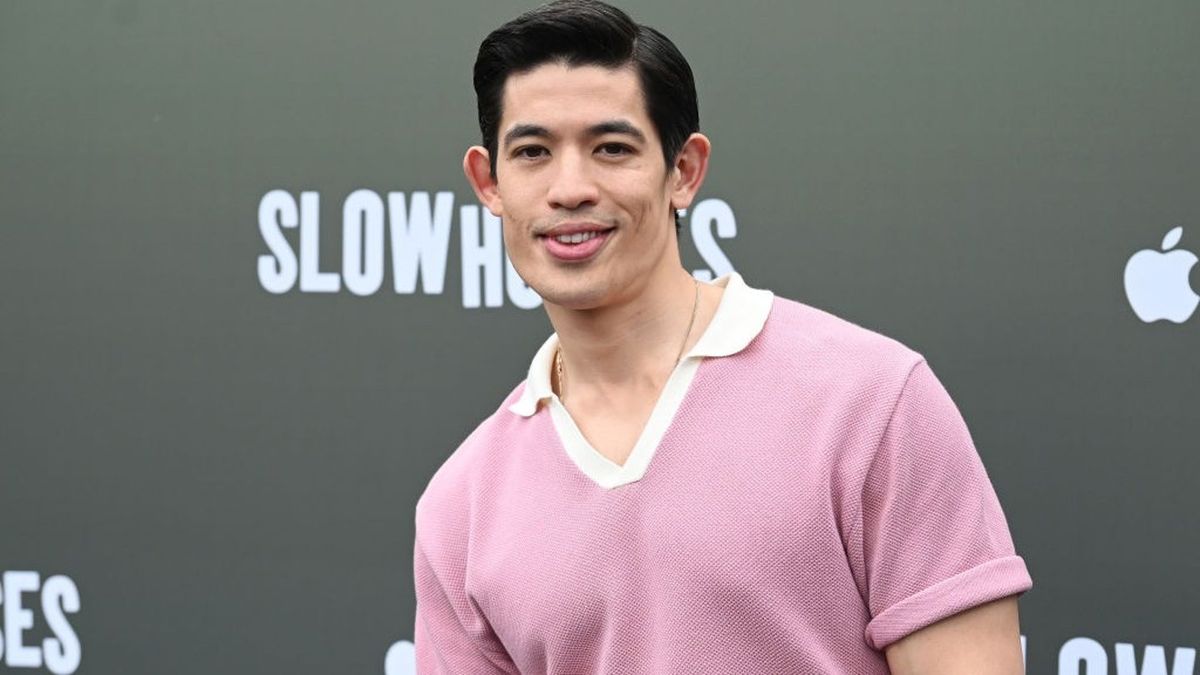
  • Slow Horses Star Christopher Chung Looks Unrecognizable in Australian Idol Audition at 16

    Slow Horses Star Christopher Chung Looks Unrecognizable in Australian Idol Audition at 16

    Key Highlights

    • Slow Horses star Christopher Chung, 38, appeared on Australian Idol at age 16 performing Stevie Wonder’s “Signed Sealed Delivered (I’m Yours)” before his acting career took off.
    • Chung credits his sister’s amateur musical theatre performances in Melbourne for inspiring his own path into performance, landing his first lead role as Aladdin at age 12.
    • The resurfaced Australian Idol clip has gone viral on X, with fans expressing surprise at the contrast between the teenage singer and his “ladies man” character Roddy Ho.

    From Melbourne Stages to MI5 Screens: Christopher Chung’s Unlikely Journey

    Long before he became the tech-savvy MI5 agent Roddy Ho in Apple TV+’s critically acclaimed spy thriller Slow Horses, Christopher Chung was a teenager with a microphone and a dream of pop stardom. The 38-year-old actor, who has appeared in all six seasons of the series centered around a dysfunctional team of disgraced intelligence officers led by Gary Oldman’s Jackson Lamb, recently traced his performing roots back to his childhood in Melbourne during an interview with Luxury London.

    Early Inspiration and a Defining Moment at Age 12

    Chung revealed that his sister’s involvement in amateur musical theatre productions first sparked his fascination with performance. “Those are my earliest memories,” he said. “It was at that point that I remember thinking, ‘Ok, I guess this is what I’m doing for the rest of my life.’” By age 12, he had already secured the lead role in a stage production of Aladdin, cementing what would become a lifelong pursuit. Before landing the breakthrough role of Roddy Ho, Chung built a steady resume with appearances in Neighbours, Doctors, a prolonged stint on Waterloo Road, and a memorable turn as a “geek” in Sky Movies HD advertisements.

    The Australian Idol Clip That Stole the Internet

    A recently resurfaced clip from Australian Idol‘s inaugural 2003 season has captivated social media, showing a 16-year-old Chung belting out Stevie Wonder’s 1970 soul classic “Signed Sealed Delivered (I’m Yours).” The singing competition, which originated from Simon Fuller’s British format Pop Idol, aired its first season in July 2003 and concluded its initial run in November 2009. The viral post on X, captioned “Before he was Roddy Ho on Slow Horses. Christopher Chung on Australian Idol at age 16,” has drawn thousands of reactions. “Hilarious, didn’t realise this,” one user responded, while another commented: “That is not ladies man Roddy Ho… I’m crying.”

    Chung’s Own Reflection on the Teenage Audition

    The actor previously addressed his Australian Idol appearance during an interview on Triple J, where he reacted to the footage with candor. “Controversial. That is so savage. That was the original dream,” Chung said, laughing at the clip. “I thought I was going to be a pop star. I actually did Popstars Live before I did Australian Idol. His voice hadn’t broken. He was 16.” The revelation adds a surprising musical dimension to an actor now best known for portraying the sharp-tongued, technically brilliant “Roddy Ho” — a character whose on-screen persona bears little resemblance to the earnest teenager chasing pop fame on national television.

    Why This Matters

    The viral resurgence of Chung’s Australian Idol audition highlights the non-linear paths many actors navigate before finding their signature roles. Slow Horses, adapted from Mick Herron’s Slough House novels, has become a flagship series for Apple TV+ since its 2022 debut, earning BAFTA nominations and a devoted global following. Chung’s portrayal of Roddy Ho — the team’s irreverent technical specialist — has made him a fan favorite across six seasons. The contrast between his teenage pop aspirations and his current status as a key player in one of television’s most acclaimed spy dramas underscores how early performance experiences, even in vastly different genres, can shape an actor’s range. With Slow Horses already renewed for future seasons, Chung’s background in live performance and musical theatre may yet inform unexpected dimensions of the character.

    Frequently Asked Questions

    What role does Christopher Chung play in Slow Horses?
    Chung portrays Roddy Ho, the MI5 team’s tech specialist known for his sharp wit and technical expertise. He has appeared in all six seasons of the Apple TV+ series.
    When did Christopher Chung appear on Australian Idol?
    Chung competed on the first season of Australian Idol in 2003 at age 16, performing Stevie Wonder’s “Signed Sealed Delivered (I’m Yours).” The show aired from July 2003 to November 2009.
    What inspired Christopher Chung to pursue acting?
    Chung credits his sister’s amateur musical theatre performances in Melbourne for sparking his interest. He landed his first lead role as Aladdin in a stage production at age 12, which he describes as the moment he knew performing would be his life’s work.
  • ‘Big Brother 28’ Star Yash Patel Explains ‘Hard Feelings’ Toward Drew Campbell After Shocking Double Eviction

    ‘Big Brother 28’ Star Yash Patel Explains ‘Hard Feelings’ Toward Drew Campbell After Shocking Double Eviction

    Key Highlights

    • Patel gave an interview to Page Six following a dramatic double eviction episode.
    • Campbell aligned with the “Icons” alliance during the pivotal vote.
    • Campbell’s decision resulted in Patel being sent home from the competition.

    Patel Addresses Exit After Double Eviction Shake-Up

    Former houseguest Patel spoke exclusively to Page Six in the immediate aftermath of a stunning double eviction that reshaped the game’s power dynamics. The interview marks Patel’s first public comments since being eliminated from the competition in a move that underscored the growing influence of the “Icons” alliance within the house.

    Campbell’s Pivotal Vote Sends Patel Packing

    The turning point came when Campbell chose to side with the “Icons” bloc during the live eviction proceedings. That decisive vote sealed Patel’s fate, cutting short their run in the game and handing the “Icons” a significant numerical advantage heading into the next phase of the competition. The double eviction format—designed to accelerate gameplay and force rapid strategic shifts—amplified the impact of Campbell’s alignment, leaving Patel with no path to safety.

    Why This Matters

    The double eviction represents a critical inflection point in the season’s narrative. With Campbell’s defection to the “Icons,” the alliance has consolidated control over the house’s voting majority, potentially dictating the trajectory of upcoming nominations and evictions. For viewers and live-feed followers, Patel’s post-game interview with Page Six offers the first unfiltered perspective on the blindside mechanics, social maneuvering, and interpersonal fallout that defined the episode. The outcome also raises questions about the remaining houseguests’ ability to fracture the now-dominant “Icons” coalition before the finale.

    Frequently Asked Questions

    Who is Patel and what show is this referring to?
    Based on the provided source, Patel is a former houseguest who was evicted during a double eviction episode. The specific series is not named in the source text, though the format aligns with reality competition shows such as “Big Brother.”
    What are the “Icons” in this context?
    The “Icons” refers to an alliance or voting bloc within the house. Campbell sided with this group during the double eviction, leading to Patel’s removal.
    Where can I read Patel’s full interview?
    The source indicates Patel spoke to Page Six. The full interview would be available on the Page Six website or associated platforms.
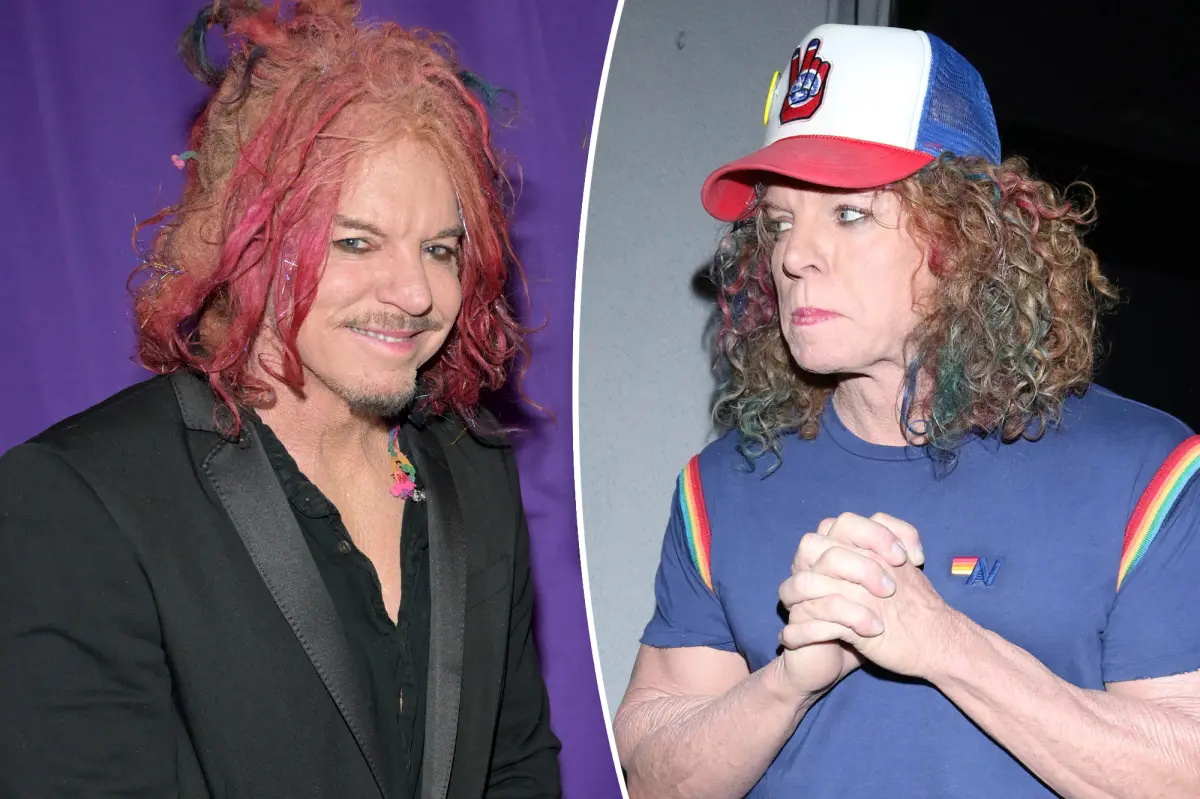
  • Comedian Carrot Top Hospitalized After Alleged Suicide Attempt Hours Before Las Vegas Show, Report Says

    Comedian Carrot Top Hospitalized After Alleged Suicide Attempt Hours Before Las Vegas Show, Report Says

    Key Highlights

    • An entertainer recognized for signature bright red hair and elaborate props gained national prominence in the early 1990s.
    • Breakthrough exposure came through appearances on the comedy showcase “Comic Strip Live” and the talent competition “Star Search.”
    • These television platforms served as critical launchpads for the performer’s early career trajectory.

    Early Television Breakthrough

    The entertainer, known for his signature bright red hair and elaborate props, first rose to prominence in the early 1990s with appearances on “Comic Strip Live” and “Star Search.” These two programs represented fundamentally different yet equally vital avenues for emerging comedic talent during that era. “Comic Strip Live,” a staple of Fox’s late-night lineup, offered a raw, club-style environment where stand-up sets were performed before intimate audiences, while “Star Search” functioned as a high-stakes televised talent tournament with a massive national viewership. Securing spots on both indicated a versatility that could translate across distinct performance formats.

    The Role of Showcase Platforms in 1990s Comedy

    During the early 1990s, the comedy boom created unprecedented demand for fresh voices, and syndicated showcases became the primary gatekeepers to wider industry recognition. “Comic Strip Live” was renowned for capturing the energy of New York’s comedy club scene, providing performers with a credible stamp of approval among peers and bookers. Conversely, “Star Search,” hosted by Ed McMahon, operated on a competitive bracket system where winners earned cash prizes and, more importantly, the attention of casting directors, agents, and network executives. An appearance on either show was a significant milestone; securing both within a short window suggested a rapid ascent through the industry’s developmental ranks.

    Signature Style and Prop Comedy

    The source highlights two defining characteristics of the entertainer’s stage persona: bright red hair and the use of elaborate props. Prop comedy, a subgenre reliant on visual gags and physical objects rather than purely verbal wit, occupied a unique niche in the 1990s landscape. While often polarized among critics, it proved highly effective for television, where visual distinctiveness translates instantly to the home viewer. The combination of a striking, unmissable hair color and a repertoire of elaborate props created an immediate brand identity—essential for cutting through the noise of a crowded comedy marketplace and making a memorable impression during brief television sets.

    Why This Matters

    The early 1990s represented a pivotal transition period for American comedy, shifting from the club-centric boom of the 1980s toward a more fragmented, media-driven ecosystem. Programs like “Comic Strip Live” and “Star Search” functioned as the era’s primary discovery algorithms, determining which acts graduated from regional headliners to national commodities. The entertainer’s dual-platform breakthrough exemplifies the conventional path to stardom before the advent of digital self-distribution. Understanding this trajectory provides context for how performance styles—particularly visually driven prop comedy—were validated and amplified by the gatekeeping structures of broadcast television, shaping the comedic vernacular of a generation.

    Frequently Asked Questions

    Which television shows launched the entertainer’s career in the early 1990s?
    The entertainer gained initial prominence through appearances on “Comic Strip Live” and “Star Search.”
    What are the entertainer’s distinguishing performance characteristics?
    The performer is known for signature bright red hair and the use of elaborate props during acts.
    Why were “Comic Strip Live” and “Star Search” significant for comedians at that time?
    These programs served as primary national showcases; “Comic Strip Live” offered club credibility, while “Star Search” provided competitive exposure to massive audiences and industry decision-makers.
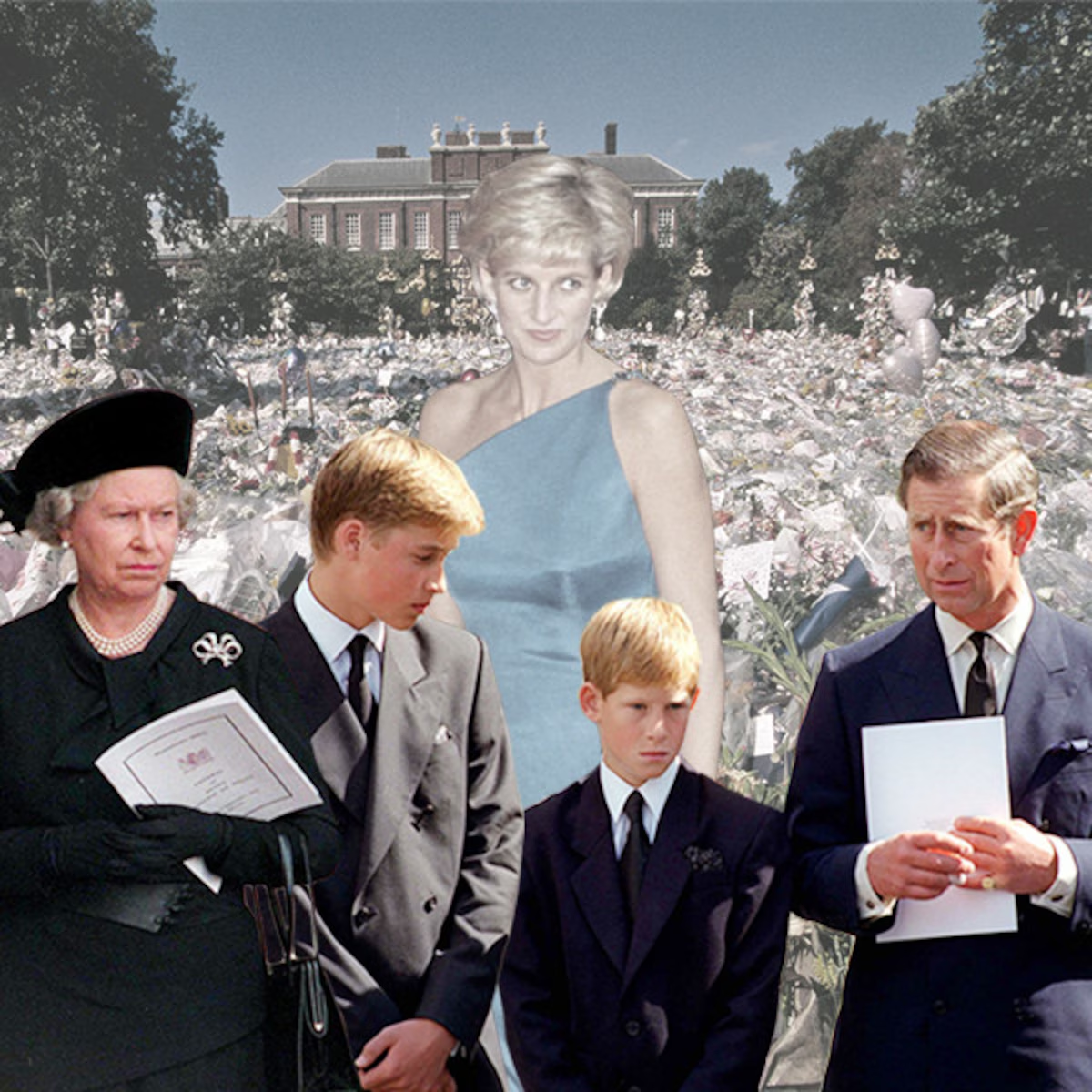
  • The Truth About the Royal Family’s Reaction to Princess Diana’s Death

    The Truth About the Royal Family’s Reaction to Princess Diana’s Death

    Key Highlights

    • Intense public emotion swept across Britain following the death of Princess Diana.
    • Queen Elizabeth II’s priority as monarch shaped the royal response to the tragedy.
    • Historical recollections of the period vary, but the emotional impact remains undeniable.

    The National Mood After Diana’s Death

    Recollections may vary all these years later, but there is no denying the wave of intense emotion that swept over Britain when Princess Diana died. The outpouring of public grief marked a defining moment in the modern history of the monarchy and the nation, reflecting the unique connection the Princess of Wales had forged with the British people and audiences worldwide.

    The Queen’s Constitutional Priority

    And while Queen Elizabeth II’s priority as a sovereign demanded a measured approach rooted in duty and constitutional propriety, the tension between private family grief and public expectation created a dynamic that tested the institution. The Palace’s initial reserve contrasted sharply with the spontaneous floral tributes and crowds gathering outside royal residences, highlighting a moment where the monarchy’s traditional protocols met an unprecedented wave of popular sentiment.

    Why This Matters

    The aftermath of Diana’s death in 1997 represented a critical inflection point for the British royal family. It forced a reevaluation of the monarchy’s relationship with the media, the public, and its own traditions. The events of that week influenced subsequent royal communications strategies, the modernization of the institution under Queen Elizabeth II’s later reign, and the public roles undertaken by Princes William and Harry. Understanding the friction between institutional duty and public emotion during that period remains essential context for analyzing the monarchy’s evolution in the 21st century.

    Frequently Asked Questions

    What was the public reaction to Princess Diana’s death?
    A wave of intense emotion swept over Britain, characterized by massive floral tributes, public gatherings, and an outpouring of grief that surprised many observers and challenged royal protocol.
    How did Queen Elizabeth II initially respond?
    The Queen’s priority as monarch guided a response rooted in constitutional duty and family privacy, which initially kept the royal family at Balmoral and contrasted with the public’s expectation for a more visible national mourning presence.
    Why do historical recollections of this period vary?
    Accounts differ based on perspective—royal household insiders, government advisors, media figures, and the public each experienced the events differently, leading to varying narratives about the Palace’s decision-making and the Queen’s personal views during that week.
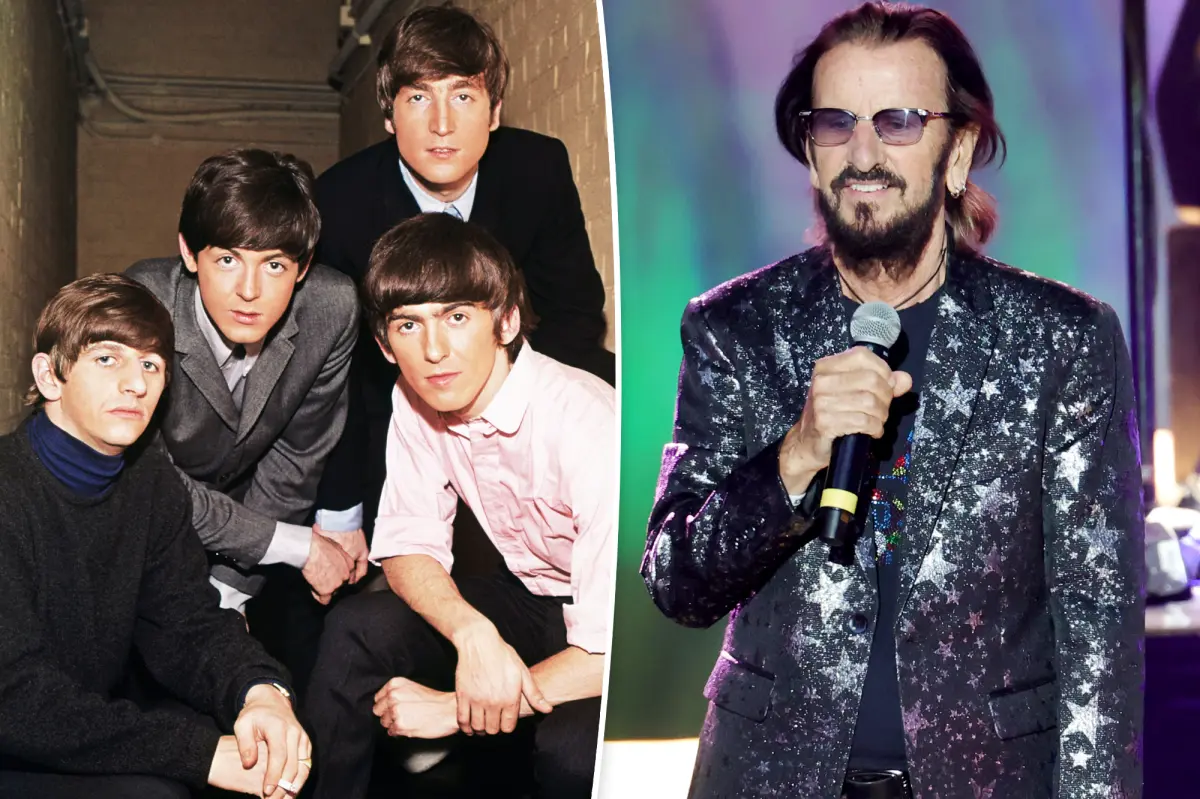
  • Ringo Starr Admits Heartbreak Over Beatles Reunion Decades After John Lennon and George Harrison’s Deaths

    Ringo Starr Admits Heartbreak Over Beatles Reunion Decades After John Lennon and George Harrison’s Deaths

    Key Highlights

    • The Beatles officially disbanded in 1970 after a decade of revolutionary music that reshaped popular culture worldwide.
    • Despite the acrimonious split, all four members—John Lennon, Paul McCartney, George Harrison, and Ringo Starr—collaborated on each other’s solo projects throughout the 1970s.
    • The group never reunited as a complete four-piece before the deaths of John Lennon in 1980 and George Harrison in 2001, leaving their 1970 breakup permanent.

    The End of an Era: The 1970 Breakup

    The Beatles, widely regarded as the most influential band in music history, formally dissolved in 1970 following escalating creative tensions, business disputes, and personal divergences among the four members. The breakup was announced publicly by Paul McCartney on April 10, 1970, coinciding with the release of his debut solo album, McCartney. While the group’s final recorded album was Abbey Road (1969), their last released project was Let It Be (1970), captured during fraught sessions that documented the fracturing dynamic. Legal proceedings to dissolve the partnership continued until 1975, marking the definitive end of the Liverpool quartet’s decade-long reign.

    Post-Breakup Collaborations Among Former Bandmates

    Contrary to the narrative of total estrangement, the former Beatles maintained a pattern of musical cross-pollination throughout the 1970s. Ringo Starr’s 1973 self-titled album featured contributions from all three former bandmates, though not simultaneously. George Harrison’s All Things Must Pass (1970) and Dark Horse (1974) included Starr’s drumming, while John Lennon’s Imagine (1971) featured Harrison on guitar. Paul McCartney’s Wings project saw Starr appear on several tracks. These collaborations demonstrated that while the collective entity had ended, the musical chemistry and personal bonds endured in pairwise and small-group configurations.

    The Unfulfilled Reunion That Never Materialized

    Speculation about a full Beatles reunion persisted throughout the 1970s, fueled by occasional public hints and the 1976 Saturday Night Live appearance where Lorne Michaels jokingly offered $3,000 for a reunion. The closest the four came to sharing a stage again was the 1995–1996 Anthology project, where McCartney, Harrison, and Starr completed two unfinished Lennon demos—”Free as a Bird” and “Real Love”—using archival vocals. However, a live reunion of all four members never occurred. John Lennon’s assassination in 1980 and George Harrison’s death from cancer in 2001 permanently closed the door on any possibility of the classic lineup performing together again.

    Why This Matters

    The Beatles’ 1970 breakup represents a pivotal moment in music history, marking the transition from the band era to the solo artist paradigm in rock. Their decision to never reunite—despite immense financial pressure and fan demand—preserved the group’s mythic status and artistic integrity, setting a precedent for legacy acts. The post-breakup collaborations reveal a nuanced reality: creative partnerships can survive institutional dissolution. Today, the Beatles’ catalog remains a primary revenue driver for the music industry, with streaming, licensing, and the Peter Jackson-directed Get Back documentary (2021) introducing the band to new generations while recontextualizing their final days.

    Frequently Asked Questions

    When exactly did The Beatles break up?

    The Beatles officially broke up in 1970. Paul McCartney announced his departure on April 10, 1970, though legal dissolution of the partnership was not finalized until 1975.

    Did any Beatles play on each other’s solo albums?

    Yes. All four former members contributed to each other’s solo projects during the 1970s. Notable examples include George Harrison playing on John Lennon’s Imagine and Ringo Starr appearing on albums by all three of his former bandmates.

    Why did The Beatles never reunite?

    The group never reunited as a complete four-piece due to ongoing personal and creative differences, John Lennon’s assassination in 1980, and George Harrison’s death in 2001. The surviving members collaborated on the Anthology project in the 1990s but never performed live together again.

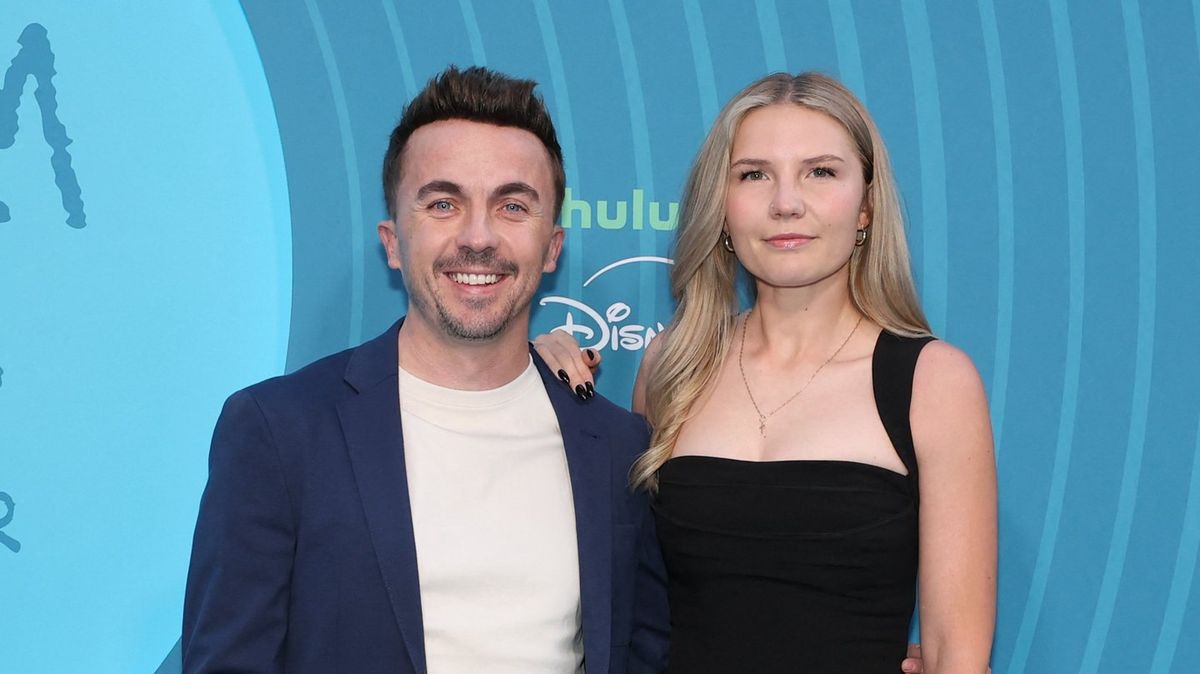
  • Frankie Muniz’s Estranged Wife Shares Cryptic Post After Star Says He’s Hit ‘Rock Bottom’

    Frankie Muniz’s Estranged Wife Shares Cryptic Post After Star Says He’s Hit ‘Rock Bottom’

    Key Highlights

    • Frankie Muniz revealed he has spent the last six weeks in a personal “nightmare,” describing the period as hitting “rock bottom” that forced necessary self-reflection.
    • Estranged wife Paige Price responded hours later with a cryptic Instagram post about perspective, quoting a metaphor involving a zebra, a lion, and grass.
    • The former couple, who announced their split in July after ten years together, emphasized their commitment to co-parenting their five-year-old son and continuing their joint venture, Muniz Racing.

    Frankie Muniz Opens Up About Personal Crisis and ‘Rock Bottom’

    Actor and racing entrepreneur Frankie Muniz, best known for his lead role in the Fox sitcom Malcolm in the Middle, shared a raw and lengthy message with fans on Friday, September 18, detailing a harrowing six-week period he described as a “nightmare I’m praying to wake up from.” The 40-year-old star wrote that “everything has felt heavy, unclear, and like it has been falling apart at the same time,” admitting he would not wish the season on anyone. Muniz framed the turmoil as an unexpected catalyst for growth, stating, “The unexpected gift in the middle of it is that I’ve had nowhere to hide.” He explained that intense self-reflection allowed him to identify areas of his life that “need work” to become a “better version” of himself, invoking the concept that hitting rock bottom can serve as a necessary wake-up call. “I read that sometimes hitting rock bottom is the thing that wakes you up. It forces the changes you need to make all along so you can live the best life possible,” he wrote, urging anyone in a similar low point to “keep going.”

    Paige Price Posts Cryptic Perspective Metaphor Hours Later

    Just hours after Muniz’s vulnerable confession, his estranged wife Paige Price took to Instagram with a video of herself creating a wax seal, set to an acoustic cover of the Goo Goo Dolls’ “Iris.” Her caption offered a philosophical, albeit cryptic, counterpoint: “Life is all about perspective. If you ask the grass, the zebra is the monster and the lion is the protector.” The post did not directly reference Muniz’s statement, but the timing suggested a thematic resonance. Price’s metaphor—flipping the script on predator and prey depending on the observer’s vantage point—appeared to speak to the subjectivity of narrative during a public separation.

    From Marriage to Co-Parenting Partners: The July Separation

    The public emotional exchange follows the couple’s announcement in July that they had ended their marriage after ten years together and a 2019 wedding. In a joint statement at the time, Muniz characterized the decision as the result of a private period of separation, writing, “After 10 beautiful years together, we’ve grown in ways that made us realise our relationship feels most natural and strong as a deep friendship and as co-parents.” He emphasized their shared priority: “We share an incredible son who remains the centre of our world, and we’re both happier, stronger parents because of the love and growth we’ve shared.” Muniz expressed deep gratitude toward Price, calling her his “biggest supporter” and confirming their intention to maintain a collaborative dynamic both at home and in business. “We’re excited to keep building Muniz Racing together and to co-parent our boy with the same teamwork and love we’ve always had,” he stated, concluding, “We’re closing one chapter with gratitude and opening the next with bright futures ahead, for us as individuals and especially for our son.”

    Why This Matters

    The simultaneous public disclosures by Muniz and Price offer a rare real-time glimpse into the emotional aftermath of a high-profile celebrity separation. Unlike many splits that play out through representatives or tabloid speculation, both parties have chosen direct communication with their audiences, framing the narrative around growth, friendship, and parental unity rather than conflict. For Muniz, whose career has pivoted from child stardom to professional racing and business ownership with Muniz Racing, the admission of hitting “rock bottom” humanizes a figure often associated with early success. The situation underscores a growing trend among public figures to discuss mental health struggles and personal crises openly, destigmatizing the nonlinear nature of healing. The couple’s explicit commitment to continuing their business partnership and co-parenting their five-year-old son signals a modern approach to post-marital family structures, prioritizing stability and shared purpose over traditional definitions of relationship success.

    Frequently Asked Questions

    When did Frankie Muniz and Paige Price announce their separation?
    The couple announced their split in July 2024, stating they had made the decision after a private period of separation.
    What did Frankie Muniz say about his recent mental state?
    Muniz described the last six weeks as a “nightmare,” saying he felt everything was “falling apart” but viewed hitting “rock bottom” as a catalyst for necessary change and self-improvement.
    Will Frankie Muniz and Paige Price continue to work together?
    Yes. Muniz explicitly stated they are “excited to keep building Muniz Racing together” and will co-parent their son with “the same teamwork and love we’ve always had.”
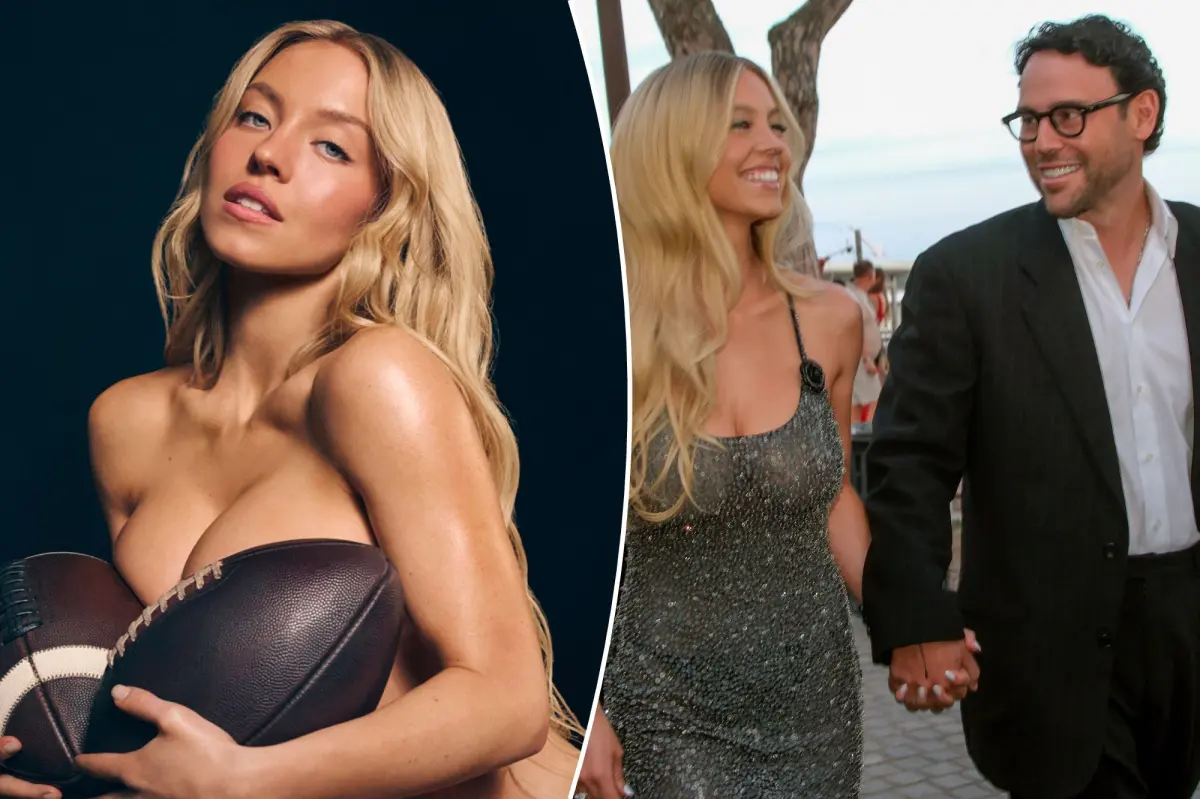
  • Sydney Sweeney is the hottest brand in Hollywood — but who’s really pulling the strings?

    Sydney Sweeney is the hottest brand in Hollywood — but who’s really pulling the strings?

    Key Highlights

    • Public speculation is growing regarding the extent of Scooter Braun’s influence in his relationship with an unnamed high-profile star.
    • Braun, a prominent billionaire entertainment executive and manager, has a documented history of shaping major careers in the music industry.
    • The discussion reflects broader public interest in the power dynamics between celebrity figures and their industry-titan partners.

    Speculation Mounts Over Scooter Braun’s Role Behind the Scenes

    Questions are circulating in entertainment circles and among fans regarding the precise degree of influence wielded by billionaire media mogul Scooter Braun within his high-profile romantic relationship. The sentiment, captured succinctly by the observation that “Some wonder just how influential the star’s billionaire boyfriend Scooter Braun is,” highlights a persistent fascination with the intersection of personal intimacy and professional power in Hollywood. While the identity of “the star” in question remains unspecified in the current discourse, the focus on Braun underscores his reputation as a dominant force in the global entertainment landscape.

    Braun’s Track Record as an Industry Power Broker

    Scooter Braun’s professional resume provides ample context for why his influence is a subject of intense scrutiny. As the founder of SB Projects and the former manager of global superstars such as Justin Bieber, Ariana Grande, and Demi Lovato, Braun has demonstrated a decades-long capacity to architect and steer the careers of A-list talent. His business ventures extend beyond management into venture capital, film production, and the acquisition of major music catalogs—most notably the controversial purchase of Taylor Swift’s master recordings. This history establishes a pattern of deep operational involvement in the artistic and commercial trajectories of his clients, fueling assumptions that a similar dynamic could extend into his personal life.

    Why This Matters

    The scrutiny directed at Braun’s potential influence reflects a broader cultural conversation about agency, autonomy, and the “power couple” dynamic in the creator economy. When a partner possesses the infrastructure, capital, and industry relationships to fundamentally alter a star’s trajectory—from tour routing and label negotiations to brand partnerships and intellectual property control—the line between support and control becomes a matter of public and critical interest. Historically, the entertainment industry has seen numerous instances where managerial or romantic partners have been credited with—or blamed for—pivotal career decisions. As audiences become more sophisticated about the mechanics of fame, the demand for transparency regarding who is truly calling the shots continues to rise, regardless of whether the star in question is a musician, actor, or multi-hyphenate entrepreneur.

    Frequently Asked Questions

    Who is Scooter Braun?
    Scooter Braun is an American billionaire entrepreneur, talent manager, and investor. He is the founder of SB Projects, a diversified entertainment and media company, and is known for discovering and managing Justin Bieber, as well as representing artists like Ariana Grande and Demi Lovato at various points in their careers.
    Why is there speculation about his influence on his partner’s career?
    Speculation stems from Braun’s established history of exercising significant control over the business and creative affairs of his high-profile clients. Observers often project this professional dynamic onto his personal relationships, questioning whether the same managerial influence applies to his romantic partner.
    Has the star in question been identified?
    Based on the current source material, the identity of “the star” referenced in the speculation has not been disclosed.
  • Suede Is Fall’s Chicest Texture: Trending Finds Starting at $16

    Suede Is Fall’s Chicest Texture: Trending Finds Starting at $16

    Key Highlights

    • Suede returns as a dominant fabric trend for the fall season, continuing its annual resurgence in autumn collections.
    • The material is acknowledged as a premium, higher-cost textile compared to many alternatives.
    • Market offerings exist at various price points, making the trend accessible beyond luxury price tiers.

    Suede Reclaims Its Status as Fall’s Defining Texture

    As the calendar turns toward autumn, suede has once again asserted itself as the definitive fabric of the season. This cyclical return aligns with long-standing fashion patterns where the napped leather texture becomes a staple across ready-to-wear collections, accessories, and footwear as temperatures drop. Designers and retailers consistently reintroduce the material in seasonal palettes—typically rich neutrals, deep burgundies, forest greens, and classic chocolates—reinforcing its association with fall aesthetics.

    The Economics of a Seasonal Staple

    Suede’s positioning as a premium material is well established. The production process, which involves sanding the inner layer of animal hides to create a soft, velvety nap, incurs higher costs than standard leather finishing or synthetic alternatives. This expense is reflected in retail pricing, particularly for authentic suede garments such as jackets, trenches, and tailored separates. However, the current market landscape demonstrates that the trend is not confined to the luxury segment.

    Accessibility Across Market Tiers

    Contemporary retail strategies have expanded suede’s reach through multiple avenues. Diffusion lines, high-street brands, and direct-to-consumer labels increasingly offer suede pieces at moderate price points. Additionally, advances in textile technology have produced high-quality faux suede and microsuede alternatives that replicate the tactile appeal and visual depth of genuine material at a fraction of the cost. Vintage and resale platforms also provide a robust secondary market for authentic suede items, often at reduced prices compared to new luxury stock.

    Why This Matters

    The perennial return of suede underscores the fashion industry’s reliance on tactile, seasonal storytelling to drive consumer interest. For retailers, the fabric serves as a reliable revenue driver during the critical fall selling window, bridging the gap between lightweight summer merchandise and heavy winter outerwear. For consumers, the trend’s durability across decades makes suede a relatively safe investment piece—items purchased this season are likely to remain stylistically relevant for future autumns. The broadening availability at varied price points also reflects a democratization of trend participation, allowing a wider demographic to engage with the seasonal narrative without requiring luxury budgets.

    Frequently Asked Questions

    Is suede practical for everyday fall wear?
    Suede requires more care than smooth leather or synthetic fabrics; it is susceptible to water staining and can be difficult to clean. However, protective sprays and proper storage significantly extend wearability. Many consumers reserve suede for dry-weather days or opt for treated finishes and faux alternatives for higher-exposure items like shoes and bags.
    How does faux suede compare to genuine suede?
    Modern microsuede and synthetic napped fabrics closely mimic the hand and appearance of genuine suede. They typically offer superior water resistance, easier maintenance, and lower cost, though they may lack the same breathability and long-term patina development of natural hide.
    What are the most versatile suede pieces to invest in for fall?
    Neutral-colored suede ankle boots, a structured tote or crossbody bag, and a biker-style jacket or overshirt in tan, olive, or navy provide the highest cost-per-wear. These silhouettes transition across casual and elevated outfits and remain consistent season after season.
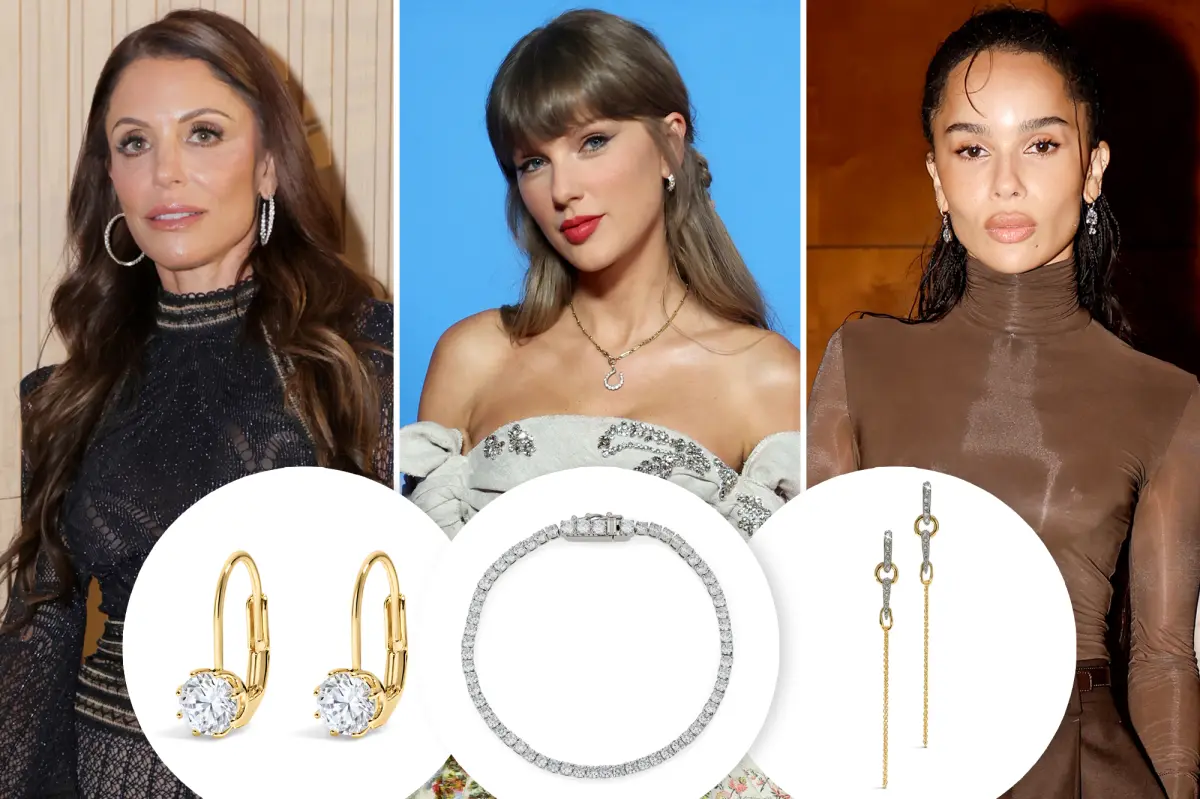
  • Nordstrom Savings Event Offers Star-Worthy Jewelry Up to 60% Off

    Nordstrom Savings Event Offers Star-Worthy Jewelry Up to 60% Off

    Key Highlights

    • Promotional tagline emphasizes significant savings on “bling” products
    • Marketing language plays on “bling” and “big” phonetic similarity
    • No specific retailer, product details, or discount percentages disclosed in source

    Promotional Tagline Highlights Jewelry Savings Campaign

    The RSS source provides a brief promotional statement: “It’s bling, we mean big, savings.” The phrasing employs a deliberate wordplay between “bling”—a colloquial term for flashy, ostentatious jewelry—and “big,” signaling substantial price reductions. The sentence appears designed as a headline or ad tagline rather than a full news report.

    Marketing Language Targets Value-Conscious Luxury Shoppers

    The copy targets consumers seeking high-impact accessories at reduced cost. By equating “bling” with “big savings,” the message attempts to reposition luxury-adjacent purchases as financially prudent. No brand name, retailer, product category, discount depth, sale duration, or call-to-action appears in the provided fragment.

    Why This Matters

    Short-form promotional copy like this typically serves as a teaser in email subject lines, social media posts, or homepage banners. Without accompanying landing-page details—specific items, original and sale prices, terms, or retailer identity—readers cannot evaluate the offer’s genuine value. The tagline alone signals a marketing push but provides no actionable purchasing information.

    Frequently Asked Questions

    What products does the promotion cover?
    The source text does not specify any product categories, brands, or SKUs.
    Which retailer is offering the savings?
    No retailer, store, or e-commerce platform is identified in the provided content.
    How large are the discounts?
    The tagline uses “big” qualitatively; no percentage or dollar amounts are disclosed.
  • A Talent for Murder Review: Alden Ehrenreich Delivers Sexy Menace in Patricia Highsmith-Inspired Thriller

    A Talent for Murder Review: Alden Ehrenreich Delivers Sexy Menace in Patricia Highsmith-Inspired Thriller

    Key Highlights

    • Helen Mirren delivers a “deranged delight” as Patricia Highsmith in A Talent For Murder, opening in theaters October 23 after its Toronto International Film Festival premiere.
    • The film, directed by Anton Corbijn and adapted by Joanna Murray-Smith from her play Switzerland, imagines a fictional 1995 encounter between the reclusive author and an ambitious young fan, Edward Ridgeway (Alden Ehrenreich).
    • Co-starring Olivia Cooke as heiress Clementine and Juliet Stevenson as a miserly aunt, the thriller blends Highsmith’s signature themes of sex, deception, and murder with meta-commentary on her creative process.

    A Literary Thriller Comes to Life

    Patricia Highsmith’s shadow looms large over cinema. From Carol and Deep Water to Strangers on a Train and The Talented Mr. Ripley, her “lurid tales of sex, deception, and murder” have inspired filmmakers for decades. Now, with A Talent For Murder, the author herself steps into the frame as a character in the very genre she defined. Adapted for the screen by Australian playwright Joanna Murray-Smith from her own stage play Switzerland, the film posits a tantalizing what-if: what happens when Highsmith’s biggest fan secures a meeting with his idol?

    The setup unfolds on a train cutting through the Swiss Alps—a deliberate nod to Strangers on a Train. Edward Ridgeway (Tony winner Alden Ehrenreich) cuts a figure seemingly ripped from a Ripley novel’s opening chapter: “a handsome young man with carefully coiffed dark hair, a strong jaw, a pressed shirt, and polished glasses, but little poise.” Opposite him sits Clementine Harriet Balfour (Olivia Cooke), “pretty, with a bouncy brunette bob, and a fashion sense that hints at an old-money family and independent ambitions.” Their meeting in a small Swiss village—where she visits a miserly dowager aunt (Juliet Stevenson) and he carries a contract for a sixth Ripley novel—springs a trap that director Anton Corbijn loads with glittering promise. “A handsome couple flirts, while wealth and opportunity glitter on the horizon. What might they do to get there?”

    Mirren’s Commanding Performance as Highsmith

    Enter Helen Mirren. The English Dame has traversed Shakespeare, Prime Suspect, Queen Elizabeth II, a Fast and Furious villain, and most recently a sultry spy in The Thursday Murder Club. But her Highsmith carries “no lightness.” Set in 1995 atop a Swiss mountain, this version of the heralded author has curdled into an eccentric recluse, dogged by rumors she “poisoned a neighbor’s dog for barking too much, and to have driven an American man so mad he fled her home while only wearing his pajamas.”

    Costumed in “men’s slacks, a crisp men’s dress shirt, a cravat and vest, paired with a fuck-off bob,” Mirren’s Highsmith imposes herself immediately—introduced ironing a shirt. When Edward arrives eager with compliments, gifts, and talk of opportunity, “she regards him with such scorching disdain the audience at the Toronto International Film Festival gasped and guffawed.” The screenplay replicates “the ruthless wit of the Ripley novels,” and Mirren “makes the most of every line, savoring the sharp barbs.” Her performance channels a “snarling cruelty” reminiscent of Tilda Swinton in Problemista—delicious in its precision.

    Ehrenreich’s Slippery Anti-Hero

    Ehrenreich, fresh off a Tony-winning Broadway turn in Becky Shaw, proves an ideal foil. His Edward shares DNA with that stage character: “Young men who’ve come from a family with no means and no reputation worth a damn, who both cozy up to a wealthy family, determined not just to enter their world but to rule it.” Visually, he echoes Matt Damon’s Ripley from the 1999 adaptation—”His hair floppy but fashionable. His smile earnest but awkward. The eyeglasses, a perfect twin.” This mirroring feels intentional, prodding Highsmith fans to wonder whether this eager climber harbors “the root of evil.”

    Smartly, the script avoids painting Edward as a rube. He arrives prepared to impress, even “tantalizing her with twisted tales from his past, and the possibility of criminally corrupting him.” Enticed, Highsmith collaborates with him on a murder mystery about a blue-collar boy seducing an old-money girl to seize her family’s fortune. Their thought experiment bleeds into reality as Highsmith haunts his nights and steers him toward treating the reckless Clementine as source material. From there, the film “blurs what’s real and imagined in pursuit of bringing fresh blood to Highsmith’s typewriter.”

    A Trio of Twisted Desires

    Ehrenreich burns on two registers. As Edward, he “trembles with insecurity, particularly in a scene where he’s delicately called out by an Irish lady (Brid Brennan), who spots him as an outsider from his shoes alone.” In the imagined novel sequences, he acquires “the smoothness of Ripley, his confidence edged with a misanthropic disgust at all who aren’t as clever and calculating as he.” Cooke, despite a slimmer role, refuses to be outshone—whether playing “a yearning virgin” in the manuscript or “a spoiled rich girl looking for a cheap thrill” in reality, she brings “a full-blooded verve to this girl.”

    Together, the trio weaves “a tale of sex, death, and desire that touches on the best of Highsmith’s works, without feeling like a shallow retread of them.” The film plays “like a superb fan fiction, imagining the inner world and grisly desires of the seminal author, without idolizing her or whitewashing her well-documented defects.” As the review concludes: “A Talent For Murder is darkly funny, freshly thrilling, and unrepentantly seductive. It’s not a Ripley sequel, but it’s damn close.“

    Why This Matters

    A Talent For Murder arrives at a fertile moment for Highsmith adaptations. The author’s work has sustained a remarkable cinematic afterlife—from Hitchcock’s Strangers on a Train (1951) and Clément’s Purple Noon (1960) to Minghella’s The Talented Mr. Ripley (1999), Haynes’s Carol (2015), and the recent Showtime series Ripley (2024). Corbijn, a photographer-turned-filmmaker known for Control (2007), The American (2010), and Life (2015), brings a visual rigor suited to Highsmith’s precise, unsettling prose. Murray-Smith’s adaptation of her own play ensures theatrical tension translates to screen. The TIFF premiere positions the film for awards-season conversation, particularly for Mirren—already an Oscar, Emmy, and Tony winner—whose transformation into the misanthropic genius could earn her another nomination. The October 23 theatrical release counters streaming saturation, betting on adult audiences craving literary thrillers.

    Frequently Asked Questions

    When and where can I watch A Talent For Murder?
    The film opens in theaters on October 23, 2025, following its world premiere at the Toronto International Film Festival.
    Is this a sequel to The Talented Mr. Ripley or the Ripley series?
    No. The film is an original meta-fiction imagining a 1995 encounter between Patricia Highsmith (Helen Mirren) and a fictional aspiring writer, Edward Ridgeway (Alden Ehrenreich). It engages with Highsmith’s themes and the Ripley mythology but does not continue Tom Ripley’s story.
    Who wrote and directed the film?
    Anton Corbijn directed from a screenplay by Joanna Murray-Smith, adapted from her own play Switzerland.