Author: Tina Noma

  • BBC Forced to Cut ‘Vile’ Victoria Beckham Joke After Major Complaints

    BBC Forced to Cut ‘Vile’ Victoria Beckham Joke After Major Complaints

    Key Highlights

    • The BBC’s Executive Complaints Unit upheld viewer complaints against Have I Got News For You over a joke by host Katherine Ryan that equated Victoria Beckham with a “particularly offensive word,” resulting in the segment being edited from the BBC iPlayer broadcast.
    • Producer Jimmy Mulville criticized the month-long investigation as a “waste of money,” revealing that Ryan and Beckham had privately discussed the joke via Instagram DMs and that Ryan considered the slur “reclaimed” in context.
    • Katherine Ryan responded on Instagram, joking that she “forgets celebrities are not her friends” and attributing the incident to “Matrescence,” while insisting the live audience understood it was clearly a joke and that she declared her “love” for Beckham afterward.

    BBC Upholds Complaints Over Katherine Ryan’s Victoria Beckham Joke

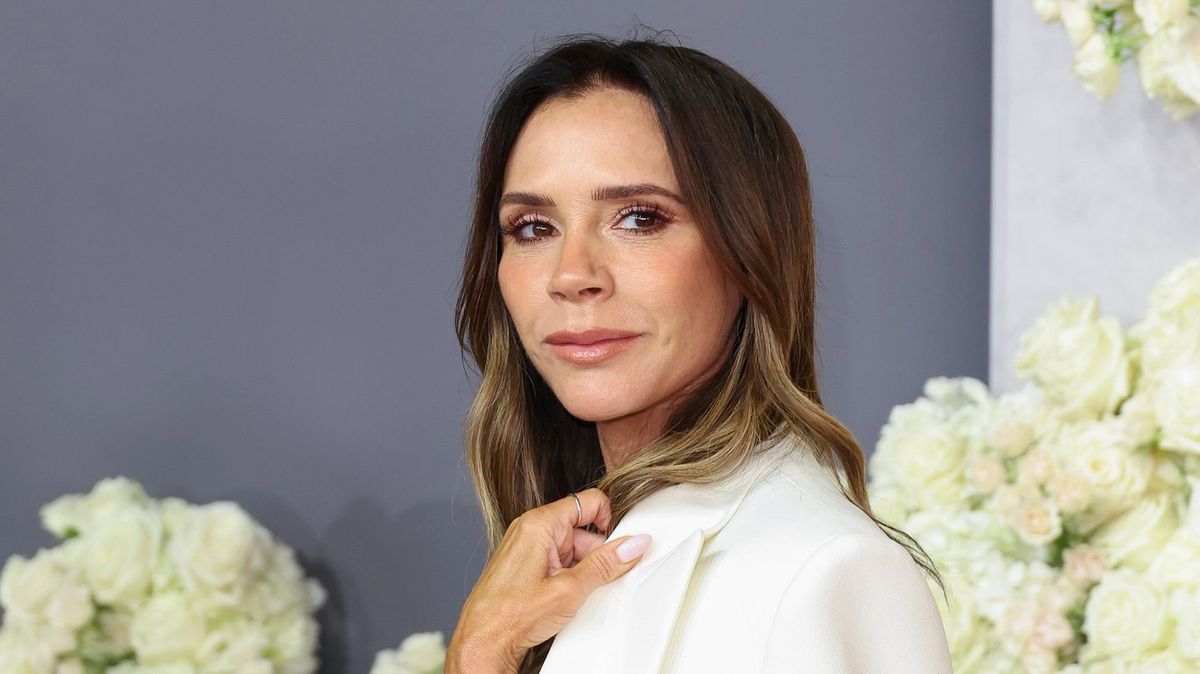
    The BBC’s Executive Complaints Unit (ECU) has ruled against the long-running panel show Have I Got News For You following a joke made by guest host Katherine Ryan during a November 2023 episode. The controversy centered on a segment referencing a leaked 2013 email allegedly sent by David Beckham, in which the former footballer used a vulgar slur—commonly referred to as the c-word—while venting about the UK Honours Committee’s decision to deny him a knighthood.

    The Joke That Sparked the Investigation

    Following the reading of the email, Ryan addressed the panel with a quip that immediately drew viewer ire. She stated: “I don’t know that we are allowed to broadcast the c-word, but you did reference Victoria Beckham earlier and we’ll allow that.” Two viewers filed formal complaints with the BBC’s ECU, arguing the remark was “gratuitously offensive.” After a month-long review, the complaints unit determined the joke lacked editorial justification. In its published statement, the ECU said: “there was no justification for a comment which presented Victoria Beckham as equivalent to a particularly offensive word.” The unit acknowledged that while BBC guidance does not require programmes to “avoid giving offence,” there must be editorial justification for content that does. They added: “It is never our intention to offend our audience.” Consequently, the joke was excised from the episode available on BBC iPlayer.

    Producer and Comedian Push Back on Ruling

    The decision has drawn sharp criticism from within the production team. Jimmy Mulville, a producer on Have I Got News For You and managing director of Hat Trick Productions, spoke to Deadline, labeling the investigation a “waste of money.” Mulville disclosed that Ryan and Victoria Beckham had communicated directly via Instagram direct messages following the broadcast. According to Mulville, Ryan had placed the joke in its “intended context” and asserted that the slur had been “reclaimed” within that specific comedic framing.

    Ryan Addresses “Matrescence” and Celebrity Boundaries

    Katherine Ryan herself took to Instagram to offer a characteristically sardonic response to the upheld complaint. The comedian joked that the incident served as a reminder that celebrities are “not her friends” and humorously blamed her judgment on “suffering from Matrescence”—a term describing the physical and psychological transition to motherhood. Ryan acknowledged the complexity of the situation, calling it “a tough one for the feminists” and quipping that she “should not have left the house.” She emphasized the difference between the live broadcast and the edited record, noting: “On the day if you watched it, it was clearly a joke.” Ryan also revealed that she had told the studio audience she “loves” Victoria Beckham after the initial shock of the punchline. She concluded that since the edit, the joke “now only lived in print media.”

    Why This Matters

    This ruling highlights the ongoing tension between comedic license and editorial standards within the BBC’s regulatory framework. The ECU serves as the final arbiter for on-air language disputes, and its decision to uphold the complaint—despite the producer’s claim of private resolution between the parties involved—signals a strict interpretation of the requirement for “editorial justification” when broadcasting highly offensive language, even in a satirical context. The case also underscores the unique scrutiny applied to the BBC as a publicly funded broadcaster, where “waste of money” accusations regarding compliance processes carry significant political weight. For the comedy industry, the intervention raises questions about the viability of edgy, context-dependent humor on mainstream terrestrial television when a single joke can trigger a costly, month-long regulatory process resulting in post-broadcast censorship.

    Frequently Asked Questions

    What exactly did Katherine Ryan say that prompted the complaints?

    During the November 2023 episode, after a segment featuring an alleged 2013 email from David Beckham using the c-word, Ryan joked to the panelists: “I don’t know that we are allowed to broadcast the c-word, but you did reference Victoria Beckham earlier and we’ll allow that.”

    Why did the BBC edit the episode on iPlayer?

    The BBC’s Executive Complaints Unit upheld two viewer complaints that the joke was “gratuitously offensive.” The ECU ruled there was “no justification for a comment which presented Victoria Beckham as equivalent to a particularly offensive word” and that the segment lacked the required editorial justification, leading to its removal from the catch-up service.

    How have Katherine Ryan and the show’s producers responded?

    Producer Jimmy Mulville called the investigation a “waste of money” and stated that Ryan and Victoria Beckham had resolved the matter privately via Instagram DMs, with Ryan explaining the context and stating the word had been “reclaimed.” Ryan posted on Instagram joking about “Matrescence,” noting the live audience knew “it was clearly a joke,” and that she had told them she “loves” Victoria Beckham.

  • Inside Dave Franco’s Complicated Relationship With Brother James Franco

    Inside Dave Franco’s Complicated Relationship With Brother James Franco

    Key Highlights

    • Dave Franco reflects on moving beyond the “James Franco’s little brother” label while maintaining gratitude for his sibling relationship.
    • The actor describes the dynamic as “complicated,” expressing both love and appreciation for his brother’s influence.
    • Franco’s comments highlight the ongoing navigation of individual identity within a famous family dynasty.

    Dave Franco on Identity, Brotherhood, and Stepping Out of a Famous Shadow

    For years, the narrative surrounding Dave Franco was inextricably linked to his older sibling, Oscar-nominated actor and filmmaker James Franco. That framing, while factually accurate, often overshadowed Dave’s own ascending career in film and television. In a recent reflection, the younger Franco brother addressed this dynamic directly, acknowledging that while the days of being introduced solely as “James Franco’s little brother” have largely passed, the emotional resonance of that relationship remains complex and deeply felt.

    A “Complicated” Relationship with Fame and Family

    Speaking candidly about the intersection of family loyalty and professional individuality, Franco offered a nuanced perspective that resists simple categorization. “It’s a complicated thing where I love my brother, and I’m so grateful for the…” The sentiment captures the duality of benefiting from a famous surname while striving to establish a distinct artistic voice. His trajectory—from supporting roles in comedies like 21 Jump Street and Neighbors to leading parts in The Disaster Artist (directed by James) and the critically acclaimed Pig—demonstrates a deliberate career evolution that has gradually shifted public perception.

    From Supporting Player to Leading Man

    The shift in how Dave Franco is discussed in entertainment media mirrors his expanding body of work. Early coverage frequently led with his familial connection; recent profiles focus on his directorial debut with the thriller The Rental, his performance opposite Nicolas Cage in Pig, and his role in the upcoming series The Afterparty. This professional momentum has allowed him to define himself on his own terms, yet he refuses to dismiss the foundation his brother provided. The gratitude he expresses is not performative—it reflects a genuine acknowledgment of shared history and, at times, professional collaboration.

    Why This Matters

    The Franco brothers represent a modern case study in Hollywood nepotism discourse. Unlike many celebrity siblings who either lean entirely into the family brand or aggressively reject it, Dave Franco has navigated a middle path: leveraging early opportunities while building a filmography that stands on its own merits. His openness about the “complicated” nature of this journey adds a human dimension to industry conversations about privilege, access, and identity. As audiences increasingly scrutinize the origins of success, Franco’s candor offers a refreshingly honest template for how public figures can honor their roots without being defined by them.

    Frequently Asked Questions

    Has Dave Franco completely stopped being compared to James Franco?

    While the frequency of direct comparisons has decreased significantly due to Dave’s own critical and commercial successes, the familial connection remains a biographical fact that surfaces in interviews and profiles. Franco himself acknowledges the label is “gone but not forgotten.”

    Have the Franco brothers worked together professionally?

    Yes. They have collaborated on multiple projects, most notably The Disaster Artist (2017), which James directed and in which both starred. Dave has credited James with giving him early opportunities that helped launch his career.

    What is Dave Franco’s most recent major project?

    As of the latest available information, Dave Franco starred in the Peacock mystery-comedy series The Afterparty (2022–2023) and appeared in the film Pig (2021) alongside Nicolas Cage. He made his feature directorial debut with the 2020 thriller The Rental.

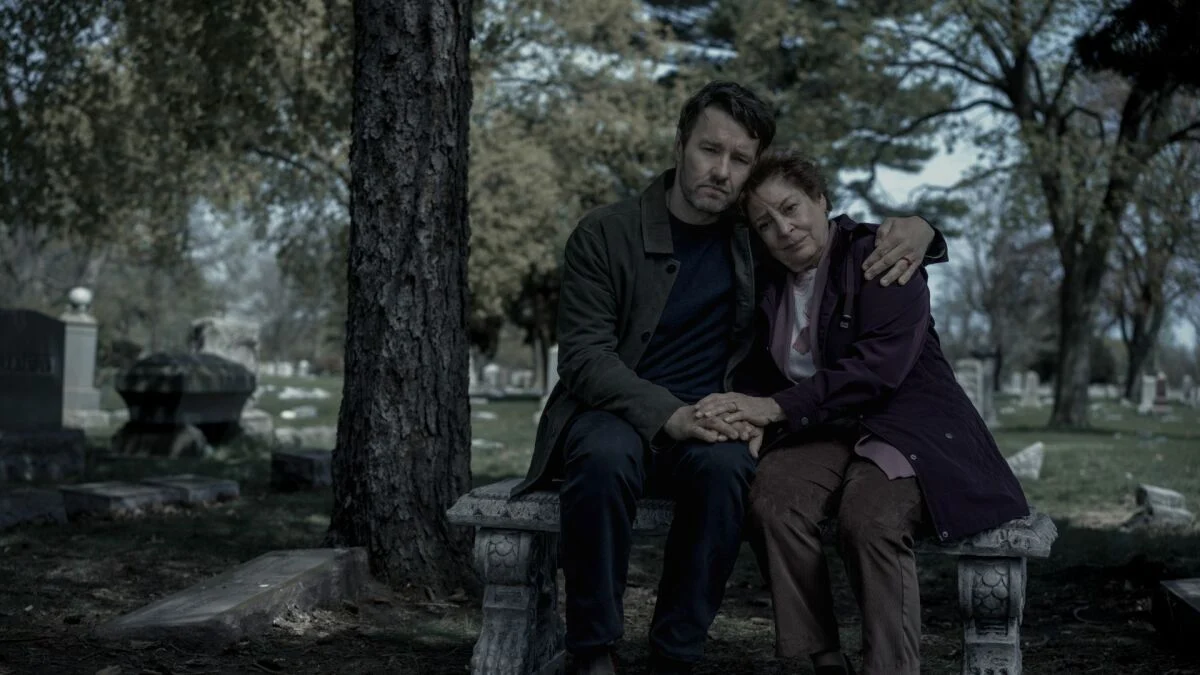
  • Dark Matter Season 2 Episode 5 Review: The Best Kind of Filler Episode

    Dark Matter Season 2 Episode 5 Review: The Best Kind of Filler Episode

    Key Highlights

    • Standalone storytelling: Season 2, Episode 5 “Love and Be Loved” functions as a self-contained narrative focusing on one of the displaced Jason variants from the Season 1 finale.
    • Grief and renewal: The episode charts a variant Jason’s journey from suicidal despair to finding new purpose, love, and closure in a world where his mother survived but his childhood self did not.
    • Symbolic resolution: The final scene—Jason removing the hair tie from his wedding ring finger—visually confirms he has released his attachment to a life he cannot reclaim and embraced a future with Maria.

    A Standalone Chapter in the Multiverse

    Dark Matter Season 2, Episode 5, “Love and Be Loved,” continues the prestige television tradition of standalone episodes that enrich a series without requiring exhaustive prior knowledge. Following the Season 1 revelation that Jason Dessen’s (Joel Edgerton) world-hopping spawned hundreds of displaced variants—all converging on the box to say goodbye—this installment isolates a single “other” Jason. Written with the emotional precision of a short film, the episode explores what happens when one variant exhausts his last multiverse capsule seeking not his original family, but a second chance at peace.

    Building a Life From Loss

    The narrative drops viewers into a reality where this Jason’s mother is alive, yet the version of himself native to that world died as a child. He moves in with his mother, takes up chairmaking, reads voraciously, and assists two other lost Jasons who stumble into the same timeline. The rhythm is deliberately quiet, emphasizing recovery through routine. A relationship blossoms with Maria (Angela Sarafyan), a bookstore owner, grounding the speculative premise in tangible intimacy. When his mother eventually passes, Jason chooses to stay with Maria rather than pursue the version of Daniela (Jennifer Connelly) he encounters during a supply run—a Daniela who offers only gentle advice on flowers, not a portal back to his past.

    The Notebook That Bridges Two Lives

    The emotional fulcrum arrives when Maria discovers a notebook packed in a moving box. Its final page bears the raw confession that defines the variant experience:

    “I have lost everything,” the last page reads. “The love of my life. My son. My home. Please just let me find a world where I can love and be loved.”

    This plea, written before his final jump, reframes the entire episode as an answered prayer. The show resists melodrama; instead, it lets the quiet domesticity that follows—shared meals, a shared home—stand as the fulfillment of that request.

    A Gesture That Says Everything

    The closing image lingers on Jason’s hand as he unwinds the hair tie he has worn around his wedding ring finger since Season 1. Established originally as a tactile reminder of his marriage to Daniela, the band’s removal signals a profound internal shift. Seeing another Daniela does not destabilize him; it provides closure. He is no longer the man waiting to return home—he is a man who has built a new one. The episode argues that healing is possible even for those seemingly condemned to infinite displacement, offering a hopeful counterpoint to the Season 1 finale’s ocean of grief.

    Why This Matters

    Dark Matter uses its multiverse conceit not merely for plot mechanics but as a metaphor for grief’s fracturing effect on identity. By dedicating a full episode to a variant’s interior life, the series expands its moral universe: every “other” Jason is a protagonist in his own tragedy, not an obstacle for the “prime” Jason. This narrative choice deepens the show’s central question—what makes a life worth living when the original is gone?—and positions the Apple TV+ adaptation as a rare sci-fi drama prioritizing emotional architecture over puzzle-box complexity. With new episodes releasing weekly on Fridays, the season continues to test whether its high-concept premise can sustain this level of character-driven intimacy.

    Frequently Asked Questions

    Does “Love and Be Loved” require watching previous episodes to understand?
    No. The episode is structured as a standalone story. While it references the Season 1 finale’s revelation about multiple Jasons, it provides sufficient context for new viewers to follow the variant Jason’s arc without prior knowledge.
    Who plays Maria, and what is her significance to the variant Jason?
    Maria is portrayed by Angela Sarafyan. She becomes the variant Jason’s romantic partner and represents the new life he chooses after accepting he cannot return to his original family.
    What does Jason removing the hair tie from his ring finger symbolize?
    The hair tie was introduced in Season 1 as a physical reminder of his marriage to Daniela. Removing it in the Season 2, Episode 5 finale signifies he has made peace with the loss of that life and is fully present in his new relationship with Maria.
  • New York Film Festival 2026 Preview: 14 Must-See Films and How to Watch Them

    New York Film Festival 2026 Preview: 14 Must-See Films and How to Watch Them

    Key Highlights

    • The 62nd New York Film Festival presents a 14-film spotlight slate blending blockbuster sequels (Godzilla Minus Zero), high-profile documentaries (NAZA, You Can See Everything), and new works from auteur legends Werner Herzog, Pedro Almodóvar, and James Gray.
    • Oscar-season contenders feature heavily, with Julianne Moore (The Debut), Pedro Pascal (Behemoth!), Adam Driver (Paper Tiger, Misty Green), and John Turturro (The Only Living Pickpocket in New York) leading star-studded ensembles.
    • Several titles arrive with immediate theatrical dates through December 2024, while Werner Herzog’s Bucking Fastard and Andrew Haigh’s A Long Winter await distribution confirmation.

    NYFF 2024 Unveils Star-Studded, Genre-Defying Slate

    The New York Film Festival kicks off this week, capping a jam-packed fall festival season with a lineup that balances commercial spectacle with urgent political cinema and intimate character studies. Whether attending in person at Lincoln Center or planning a fall moviegoing calendar, audiences face a dense roster of 14 highlighted titles ranging from Takashi Yamazaki’s kaiju follow-up Godzilla Minus Zero to Jesse Eisenberg’s A24 theater farce The Debut. The festival continues its tradition of platforming both established masters—Pedro Almodóvar, Werner Herzog, James Gray, Mike Leigh—and emerging voices like Jordan Firstman and Noah Segan, ensuring a program that caters to cinephiles hunting for awards contenders and genre thrills alike.

    Blockbuster Spectacle and Auteur Returns: Godzilla, Gilroy, and Gray

    The slate opens with a thunderous arrival: Godzilla Minus Zero, the sequel to 2023’s surprise critical smash Godzilla Minus One. Entertainment Editor Kristy Puchko contextualizes the anticipation, writing:

    One of the most thrilling surprises of 2023 cinema was just how epic Takashi Yamazaki’s Godzilla Minus One was. While American filmmakers had made a flurry of flashy monster movies, it was this period piece set in World War II that had audiences and critics roaring with renewed vigor for the iconic kaiju. That its sequel is playing the New York Film Festival speaks to the enthusiasm of cinephiles for more. Yamazaki returns with a story that picks up two years after the events of the first film. The monster is sure to rise again. And we cannot wait!

    Starring Ryunosuke Kamiki, Minami Hamabe, and Yuki Yamada, the film opens in theaters and IMAX on November 6. Tony Gilroy returns to the director’s chair with Behemoth!, a drama headlined by Pedro Pascal as a studio musician from a musical family. Featuring Olivia Wilde and Will Arnett, the film promises the “seduction and tension” characteristic of Gilroy’s work (Michael Clayton, The Bourne Legacy), opening December 4. James Gray continues his New York chronicles with Paper Tiger, starring Adam Driver as a cop-turned-security consultant and Miles Teller as his engineer brother, with Scarlett Johansson as the brother’s wife. Puchko notes the thriller explores “how an average man might fare against Goodfellas,” releasing November 13.

    Documentaries Confront Power and Identity: NAZA, You Can See Everything

    Non-fiction offerings carry significant geopolitical and cultural weight. NAZA, from the Oscar-winning team behind No Other Land—Yuval Abraham, Rachel Szor, Basel Adra, and Hamdan Ballal—presents a harrowing investigation into AI-driven warfare. Entertainment Reporter Belen Edwards describes the film’s methodology:

    Israeli documentarians Yuval Abraham and Rachel Szor, who co-directed 2024’s Academy Award-winning No Other Land alongside Palestinian filmmakers Basel Adra and Hamdan Ballal, return to NYFF with their new documentary NAZA. Made up of interviews with 24 anonymous Israeli military and intelligence officers, NAZA takes an unflinching look at how Israeli forces use AI and high-tech surveillance systems to target and kill Palestinians. The film draws its title from the term for the number of estimated civilian deaths in strikes. Instead of saying 15 people will die, Israeli forces say 15 NAZA. The term NAZA is one of the many ways Abraham and Szor’s striking film illustrates how the Israeli government and military dehumanize Palestinians and try to justify their killings. Often, interviewees will claim they’re just cogs in a machine. Abraham and Szor refrain from showing any actual atrocities, instead forcing viewers to sit in the descriptions of killings and strikes. The result is a calmly brutal portrait of the banality of evil that should be required viewing.

    NAZA opens in limited theaters September 30. Meanwhile, Nathan Fielder and Lance Oppenheim (Primetime) team up for You Can See Everything, a documentary on Elizabeth Holmes that premiered at Telluride. Puchko observes: “Considering Fielder is known for blurring the lines of reality and performance, what will his doc about living in the same house as Holmes ahead of her incarceration offer? We’re as curious as everyone else.” It hits theaters October 16.

    Festival Darlings and Directorial Debuts: Almodóvar, Herzog, Eisenberg, Firstman

    Pedro Almodóvar returns with Bitter Christmas, a semi-autobiographical drama weaving two timelines (2004 and 2025) about filmmakers mining their loved ones for art. Starring Bárbara Lennie and Leonardo Sbaraglia, the Cannes-lauded title opens limited November 13 before expanding November 25. Werner Herzog makes his first NYFF appearance since 1982’s Fitzcarraldo with Bucking Fastard, casting real-life sisters Rooney Mara and Kate Mara as siblings who speak in unison and fall for the same man (Orlando Bloom). Puchko reports “early buzz has it that this setup makes for some surreal moments and unsettling threesome scenes,” though a theatrical date remains TBD.

    Jesse Eisenberg directs Julianne Moore and Paul Giamatti in The Debut, an A24 comedy about community theater. Senior Editor Shannon Connellan highlights the emotional core:

    Oh, we do love a film about making theatre. Director, writer, and producer Jesse Eisenberg’s A24 comedy looks to capture the sheer grit and dedication of community theatre productions and the lifeline they can be for the people who make them. In The Debut, Julianne Moore plays Mona Friedman, a wife and mother who decides to audition for a community musical in her local New Jersey theatre. What begins as a flight of fancy becomes a serious means for Mona to channel her inner rage and joy, as local legend and demanding director Jerry (Paul Giamatti) pushes her to unlock a part of herself she’s long suppressed.

    The film opens December 11. Other notable entries include Andrew Haigh’s queer drama A Long Winter (Fred Hechinger, Caitríona Balfe, Martin Freeman); the Esiri brothers’ Lagos-set Mrs. Dalloway adaptation Clarissa (Sophie Okonedo, David Oyelowo, Ayo Edebiri); Chris Rock’s Hollywood drama Misty Green (Rosalind Eleazar, Daniel Kaluuya); Noah Segan’s New York thriller The Only Living Pickpocket in New York (John Turturro, Giancarlo Esposito); Mike Leigh’s Tender Loving Care (Kate O’Flynn); and Jordan Firstman’s Club Kid (Cara Delevingne, Diego Calva).

    Why This Matters

    The 2024 New York Film Festival slate signals a robust awards season pipeline and a film industry increasingly comfortable blending streaming-era talent with theatrical spectacle. The presence of Godzilla Minus Zero and Behemoth! alongside heavy-hitting documentaries like NAZA reflects a programming strategy that refuses to silo genre entertainment from political urgency. For distributors, the festival serves as a critical launchpad: titles like The Debut (A24) and Paper Tiger arrive with firm December release dates, positioning them squarely for Oscar consideration. Meanwhile, the return of Herzog and Almodóvar—absent from NYFF for decades in Herzog’s case—underscores the festival’s enduring prestige as a career milestone venue. As the fall circuit concludes with NYFF, the critical reception here will likely shape the narrative for the final quarter of the theatrical year.

    Frequently Asked Questions

    Which NYFF 2024 films have confirmed theatrical release dates?
    Ten of the 14 highlighted films have announced release windows between September and December 2024. Key dates include NAZA (Sept 30 limited), Misty Green (Oct 9 select), The Only Living Pickpocket in New York (Oct 23 NYC/LA, Oct 30 wide), You Can See Everything (Oct 16), Godzilla Minus Zero (Nov 6 IMAX), Club Kid (Nov 6), Paper Tiger (Nov 13), Bitter Christmas (Nov 13 limited/Nov 25 expand), Behemoth! and Tender Loving Care (Dec 4), and Clarissa and The Debut (Dec 11). Bucking Fastard and A Long Winter remain undated.
    What are the major documentary premieres at this year’s festival?
    Two high-profile documentaries anchor the non-fiction slate: NAZA, from the No Other Land Oscar-winning team (Yuval Abraham, Rachel Szor, Basel Adra, Hamdan Ballal), investigating AI targeting systems in Gaza; and You Can See Everything, a Nathan Fielder and Lance Oppenheim collaboration embedding with Elizabeth Holmes before her incarceration. Both premiered earlier on the festival circuit (Telluride for the latter) and arrive with limited theatrical runs in September and October respectively.
    Which actors are appearing in multiple NYFF 2024 selections?
    Adam Driver stars in two featured films: James Gray’s Paper Tiger and Chris Rock’s Misty Green. Pedro Pascal leads Tony Gilroy’s Behemoth! while also maintaining a high profile from The Last of Us. Julianne Moore headlines Jesse Eisenberg’s The Debut as a central awards-season contender. John Turturro appears in Noah Segan’s The Only Living Pickpocket in New York.
  • Sense and Sensibility Review: Daisy Edgar-Jones and Esmé Creed-Miles Resurrect Jane Austen

    Sense and Sensibility Review: Daisy Edgar-Jones and Esmé Creed-Miles Resurrect Jane Austen

    Key Highlights

    • Georgia Oakley’s 2026 Sense and Sensibility adaptation is described as sincere and amusing but ultimately lifeless, lacking the romantic spark and distinct identity of previous versions.
    • Lead performances by Daisy Edgar-Jones (Elinor) and George MacKay (Edward Ferrars) are criticized as overly restrained and wooden, while Esmé Creed-Miles’ Marianne is called a one-note “proto-goth girl” portrayal.
    • Fiona Shaw steals the film as Mrs. Jennings, delivering the only vibrant, layered performance that brings gaudy joy and unexpected freedom to the rigid Regency setting.

    A Faithful Plot That Forgets to Feel

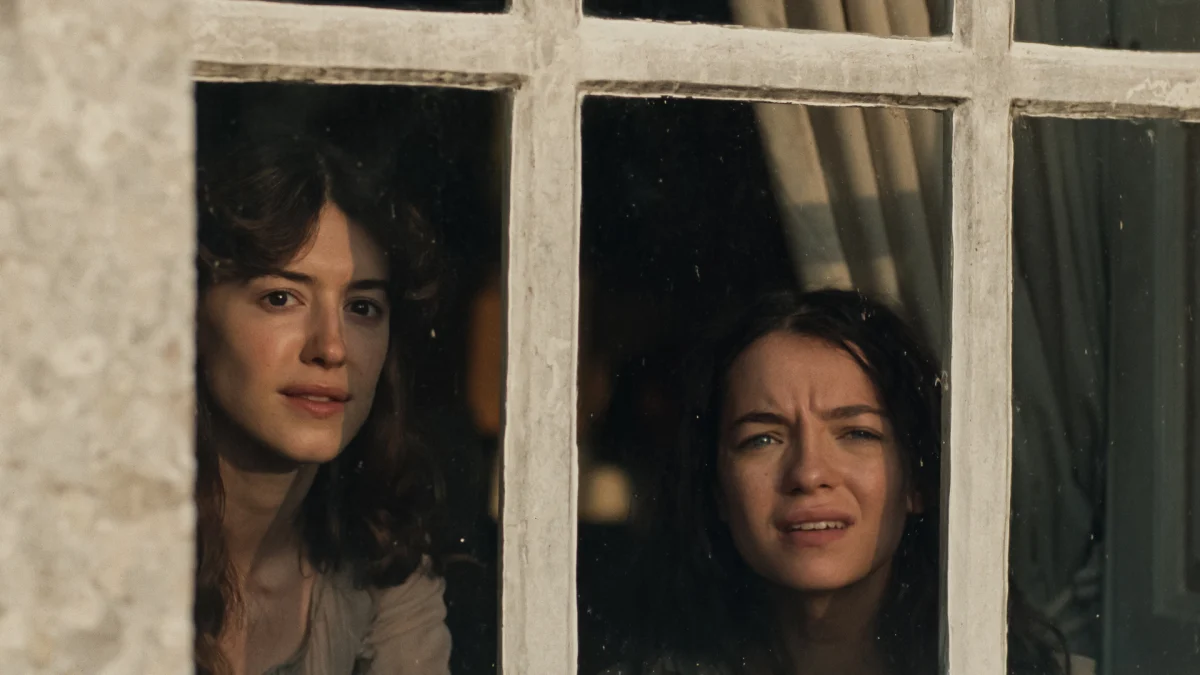
    Director Georgia Oakley’s Sense and Sensibility arrives in theaters as the latest in a long line of Jane Austen adaptations, following Ang Lee’s 1995 classic and Autumn de Wilde’s stylized Emma (2020). The film, scripted by Diana Reid, diligently checks off every major plot point of Austen’s 1811 novel: the sudden impoverishment of the Dashwood women after their father’s death, the predatory arrival of half-brother John Dashwood (Tom Brooke) and his vicious wife Fanny (Stacy Martin), and the divergent romantic paths of sensible Elinor (Daisy Edgar-Jones) and impetuous Marianne (Esmé Creed-Miles). Elinor’s quiet affection for Fanny’s brother Edward Ferrars (George MacKay) and Marianne’s infatuation with the dashing but duplicitous John Willoughby (Frank Dillane) unfold against a backdrop of Regency drawing rooms, rain-soaked walks, and a pivotal London season. Yet for all its narrative fidelity, the review finds the film strangely hollow, questioning why Oakley chose to revisit this material at all.

    Restraint Mistaken for Depth in the Central Performances

    The core issue lies in a performance style that mistakes repression for realism. Where Emma Thompson’s Elinor trembled with suppressed emotion and Kate Winslet’s Marianne burst with girlish verve, Edgar-Jones and MacKay deliver what the reviewer calls a “vexingly wooden” mirroring of each other—eyes shining but vacant, struggling to confess feelings that never seem to ignite. Creed-Miles fares slightly better, bringing an engaging, chatty energy to Marianne, but Oakley frames her as a “proto-goth girl” with greasy locks and angsty declarations about lovers with “dark pasts,” a concept that grows monotonous. The chemistry across the romantic pairs is described as inert: no pond-rising Darcy moments, no flexing hands, no sexual tension in the ballroom dances that traditionally crackle with repressed desire. Even Colonel Brandon (Herbert Nordrum), a figure of steady devotion, registers as passionless in the first act.

    Supporting Cast Salvages the Drawing-Room Scenes

    If the leads flatline, the ensemble provides the film’s only pulse. Fiona Shaw dominates as Mrs. Jennings, a wealthy widow whose “snuffling laughter” announces her presence before she enters a scene. Shaw layers the character’s busybody exterior with a gaudy, hard-won joy—holding a pug puppy, pressing fortified wine on a heartbroken girl, flouting etiquette with the freedom only age and money can buy. The reviewer calls her a “Golden Girl long before her time,” the sole figure who imagines a womanhood beyond the marriage market. Around her, Stacy Martin is “deliciously wicked” as the gold-digging Fanny, Bodhi Rae Breathnach impish as young Margaret, and Turlough Convery and Chloe Pirrie a warmly amusing, cringe-inducing duo as Sir John and Lady Middleton. Eliot Sumner adds bite as the perpetually irked Mr. Palmer. These dinner-table sequences, where Reid’s screenplay lets the supporting players shine, become the only moments the film breathes.

    Naturalism That Drains the Poetry

    Oakley’s commitment to naturalistic costuming, makeup, and understated acting appears intended to create a timeless, lived-in authenticity. But the review argues this approach backfires, stripping the story of the poetic rhythm essential to Austen’s prose and dialogue. The result is a film that feels “lifeless over lived-in”—sincere, occasionally amusing, but shrinking in comparison to its predecessors. Without the theatrical spark that makes Austen’s social rituals hum with subtext, the central romances fail to persuade, leaving audiences waiting for Mrs. Jennings to return and remind them what vitality looks like in a corseted world.

    Why This Matters

    Austen adaptations serve as cultural barometers, each generation reinterpreting Regency constraints through its own lens—whether Lee’s romantic sweep, de Wilde’s pastel satire, or Fire Island’s queer modern remix. Oakley’s version, distributed by Focus Features, attempts a grounded naturalism that rejects the genre’s usual hauteur, yet risks stripping the very tension—between sense and sensibility, duty and desire—that makes the novel endure. The film’s UK release on September 25 and US debut on October 16 will test whether audiences crave a quieter, more austere Austen or if the market still rewards the swoon. For Focus Features, the reception may signal how much creative license period dramas can take before fidelity becomes sterility.

    Frequently Asked Questions

    Who stars in the 2026 Sense and Sensibility film?

    The cast includes Daisy Edgar-Jones as Elinor Dashwood, Esmé Creed-Miles as Marianne Dashwood, George MacKay as Edward Ferrars, Herbert Nordrum as Colonel Brandon, Frank Dillane as John Willoughby, Caitríona Balfe as Mrs. Dashwood, Tom Brooke as John Dashwood, Stacy Martin as Fanny Dashwood, Bodhi Rae Breathnach as Margaret Dashwood, Fiona Shaw as Mrs. Jennings, Turlough Convery as Sir John Middleton, Chloe Pirrie as Lady Middleton, and Eliot Sumner as Mr. Palmer.

    When does Sense and Sensibility (2026) open in theaters?

    The film opens in the United Kingdom on September 25, 2026, and in the United States on October 16, 2026.

    How does this adaptation compare to the 1995 Ang Lee version?

    The review finds Oakley’s film faithful to the plot but lacking the romantic vitality and performances that defined Lee’s adaptation. Where Emma Thompson and Kate Winslet brought trembling vulnerability and girlish verve, Edgar-Jones and Creed-Miles are described as overly restrained, resulting in inert chemistry and a “lifeless” tone despite sincere intentions.

  • Robert Pattinson Makes Chris Hansen a Scary Clown in Primetime Review

    Robert Pattinson Makes Chris Hansen a Scary Clown in Primetime Review

    Key Highlights

    • A24’s Primetime reimagines Chris Hansen of To Catch a Predator fame as a fame-obsessed antihero, with Robert Pattinson delivering a chilling, accent-perfect performance directed by Lance Oppenheimer.
    • The film dramatizes the 2007 Esquire exposé “Tonight on Dateline This Man Will Die” and the fatal Murphy, Texas sting, featuring a standout ensemble including Merritt Wever, Skyler Gisondo, and Phoebe Bridgers in her acting debut.
    • Despite electrifying performances and a haunting first two acts, the review argues the finale retreats into restrained cynicism and disconnected supernatural imagery, ending with a whimper instead of the daring conclusion the material demands.

    A Fever Dream of Ambition: Primetime Dissects the Making of a Media Monster

    Lance Oppenheimer, the filmmaker soon to collaborate with Nathan Fielder on the Elizabeth Holmes documentary You Can See Everything, turns his lens on the rise and rot of reality television justice in Primetime. The A24 drama, now in theaters, is based on the 2007 Esquire article “Tonight on Dateline This Man Will Die” and plunges viewers into the heyday of To Catch a Predator, the Dateline special report that graduated to a primetime sensation. At its center sits Chris Hansen, once revered for his practiced poise in confronting alleged pedophiles before hidden cameras. As attorney-turned-foe Two-Face said in The Dark Knight, “You either die a hero or live long enough to see yourself become the villain.” Primetime posits that Hansen’s villain era has arrived, painting him not as a guardian of justice but as a “fame-hungry monster” willing to sacrifice ethics, relationships, and human lives for ratings dominance over rival Stone Phillips.

    Pattinson’s Haunting Metamorphosis Anchors the Horror

    Robert Pattinson’s portrayal is the film’s gravitational force. Shedding his signature daffy swagger and English accent entirely, he adopts a stern American anchor tone “eerily in line with the real Hansen’s.” The transformation is clinical and terrifying; when he tells a fretful stranger, “take a seat,” the line triggers a “chilling thrill of recognition” for anyone who witnessed the original broadcasts. The review draws a direct line to Jake Gyllenhaal in Nightcrawler and Christian Bale in American Psycho, noting Pattinson taps the dark side of the American Dream but with a distinct, heightened “anchorman intensity”—a “funhouse mirror version, or a TEMU Halloween mask of Hansen.” In one outrageous moment illustrating the total consumption of self by persona, Chris answers his personal cell phone in character, saying intensely, “This is Chris Hansen.” His wife on the other end is flustered “in a way that suggests this is not a one-off. She’s lost her husband to his show, and she knows it.”

    An Ensemble of Complicity and Collateral Damage

    Surrounding Pattinson is a “terrifically talented cast” elevating material that occasionally veers into archetype. Three-time Emmy winner Merritt Wever plays producer Andie Bender, injecting “surliness and flushes of doubt” into a role that could have been a tedious moral compass; she is simultaneously the voice of reason and an enabler, creating an “electrifying” battle of wills with Pattinson. Matthew Maher revels as the self-righteous internet researcher Xavier Von Erck, while Phoebe Bridgers makes a compelling, gruff acting debut as decoy Del, projecting the “armor demanded by this decoy role” rather than vulnerability. Skyler Gisondo emerges as the film’s “thumping heart” playing Dan Plumb, a thinly veiled version of real-life decoy Dan Schrack. Gisondo translates the “discomfort and terror of being bait” with boyish nervousness, and Oppenheimer wisely lingers on Dan’s perspective during an early sting, leaning into the discomfort rather than playing it solely for dark laughs.

    Why This Matters: The Reckoning of Reality TV’s Predatory Era

    Primetime arrives amid a critical reassessment of the “predator hunting” genre. Last year’s documentary Predators rigorously re-evaluated To Catch a Predator‘s practices and its inspiration of reckless imitators. Oppenheimer’s film dramatizes the specific inflection point where journalistic enterprise curdled into entertainment spectacle—the move to a demanding primetime slot that pressured the team to engineer ever-more-dramatic “catches,” culminating in the infamous Murphy, Texas operation. That real-life sting resulted in the suicide of a district attorney and the eventual cancellation of the series, a scandal the film recreates. By framing Hansen’s ambition through a horror-thriller lens, Primetime forces audiences to confront the complicity of a viewership that tuned in by the millions to watch “some perverted form of justice play out on TV as armed officers would tackle one suspect after another for our entertainment.” The film questions not just the hunter, but the ecosystem that fed him.

    Frequently Asked Questions

    Is Primetime a direct biopic of Chris Hansen?
    No. While based on the 2007 Esquire article “Tonight on Dateline This Man Will Die” and the real events surrounding the Murphy, Texas sting, the film is described as a heightened psychological thriller and horror movie about blind ambition. Pattinson’s performance is a “theatrical interpretation”—a “funhouse mirror version” of Hansen—rather than a strict mimicry. The real Chris Hansen has not seen the film and is reportedly displeased with the depiction.
    Who are the key supporting characters and who plays them?
    The ensemble includes Merritt Wever as producer Andie Bender, Matthew Maher as researcher Xavier Von Erck, Skyler Gisondo as decoy Dan Plumb (based on Dan Schrack), Phoebe Bridgers in her acting debut as decoy Del, Bill Heck as rival anchor Stone Phillips, and Anna Farris as Hansen’s wife.
    What is the main criticism of the film’s ending?
    The review argues the final act “loses its nerve.” Despite building intense dread through Pattinson’s performance, the depiction of the fatal Murphy, Texas climax feels “oddly restrained.” The film abruptly introduces “xenophobic supernatural iconography” and ghostly flair that feels disconnected from the grounded psychological horror preceding it, retreating to a “dully cynical” final scene instead of following the protagonist’s dark trajectory to a more damning, daring conclusion.
  • Italy vs. Belgium: How to Watch Online for Free

    Italy vs. Belgium: How to Watch Online for Free

    Key Highlights

    • Italy vs. Belgium in the UEFA Nations League kicks off at 2:45 p.m. ET on September 25 at Stadio Olimpico in Rome.
    • The match is available to live stream for free on RaiPlay, though the platform is geo-restricted to viewers in Italy.
    • ExpressVPN is recommended to bypass geo-restrictions, offering servers in Italy, a 30-day money-back guarantee, and support for up to 10 simultaneous connections.

    Italy Seeks Redemption Against Belgium in Nations League Opener

    The UEFA Nations League returns with a high-stakes Group A2 clash as Italy host Belgium at the historic Stadio Olimpico on September 25. For the Azzurri, the fixture represents a critical opportunity to rebuild momentum after failing to qualify for consecutive FIFA World Cups in 2018 and 2022. Belgium, meanwhile, arrived at the tournament following a quarter-final exit at the 2024 European Championship, where they fell to eventual champions Spain. With both nations fielding transitional squads, the match offers an early gauge of their competitive trajectories under new leadership.

    How to Access the Free RaiPlay Livestream from Anywhere

    Italian public broadcaster Rai holds free-to-air rights for the Nations League, streaming the match live on its RaiPlay platform. However, RaiPlay enforces strict geo-blocking, limiting access to users with Italian IP addresses. Viewers outside Italy can circumvent this restriction by using a virtual private network (VPN) to connect to a server located in Italy, effectively masking their real location and granting access to the free broadcast.

    Step-by-Step Guide to Streaming Italy vs. Belgium for Free

    1. Sign up for a streaming-optimized VPN service (ExpressVPN is recommended for its Italian server infrastructure and reliability).
    2. Download and install the VPN application on your preferred device—iPhone, Android, Windows, Mac, or smart TV.
    3. Launch the app and connect to a server in Italy.
    4. Navigate to RaiPlay via web browser or app.
    5. Stream Italy vs. Belgium live at no cost.

    Why ExpressVPN Stands Out for Sports Streaming on RaiPlay

    ExpressVPN operates a network spanning 105 countries, including multiple server locations across Italy, ensuring low-latency connections suitable for live HD sports. The service maintains a strict no-logging policy, utilizes Lightway protocol for fast, throttle-free speeds, and supports up to 10 simultaneous device connections. A 30-day money-back guarantee allows users to test the service risk-free for this fixture. Current pricing includes a two-year plan at $68.40 (81% off) with four extra months free and a year of unlimited cloud backup, or a single-month option at $12.99.

    Why This Matters

    The Nations League has evolved into a pivotal competition for European nations, offering not only silverware but also a secondary route to European Championship qualification and favorable World Cup seeding. Italy’s failure to reach the last two World Cups marked a historic low for a four-time champion, placing immense pressure on the federation and coaching staff to restore credibility. Belgium’s “Golden Generation” has largely dissipated, with Kevin De Bruyne’s international retirement signaling a new era under manager Domenico Tedesco. This match serves as a benchmark for both rebuilding projects. Additionally, the reliance on VPNs to access free-to-air broadcasts highlights ongoing tensions between territorial broadcasting rights and global fan demand, a dynamic reshaping sports media distribution strategies across Europe.

    Frequently Asked Questions

    When and where does Italy vs. Belgium take place?

    The match kicks off at 2:45 p.m. ET on Thursday, September 25, at Stadio Olimpico in Rome, Italy.

    Can I watch the match for free without a VPN?

    Only if you are physically located in Italy. RaiPlay is geo-restricted to Italian IP addresses; viewers abroad require a VPN to access the free stream.

    Is using a VPN to watch RaiPlay legal?

    VPN use is legal in most countries, including Italy, the U.S., and the U.K. However, streaming via VPN may violate RaiPlay’s terms of service. Users should review local laws and platform policies before proceeding.

  • Elizabeth Holmes Barred from Contacting Investor Victims After Prison Release

    Elizabeth Holmes Barred from Contacting Investor Victims After Prison Release

    Key Highlights

    • Elizabeth Holmes is prohibited from contacting the investors she was convicted of defrauding of over $452 million upon her release from federal prison.
    • The restriction stems from court documents obtained by TMZ detailing the conditions of her supervised release.
    • Holmes, the founder of the failed blood-testing startup Theranos, was sentenced to over 11 years in prison for wire fraud and conspiracy.

    Court Documents Reveal Strict Supervised Release Conditions

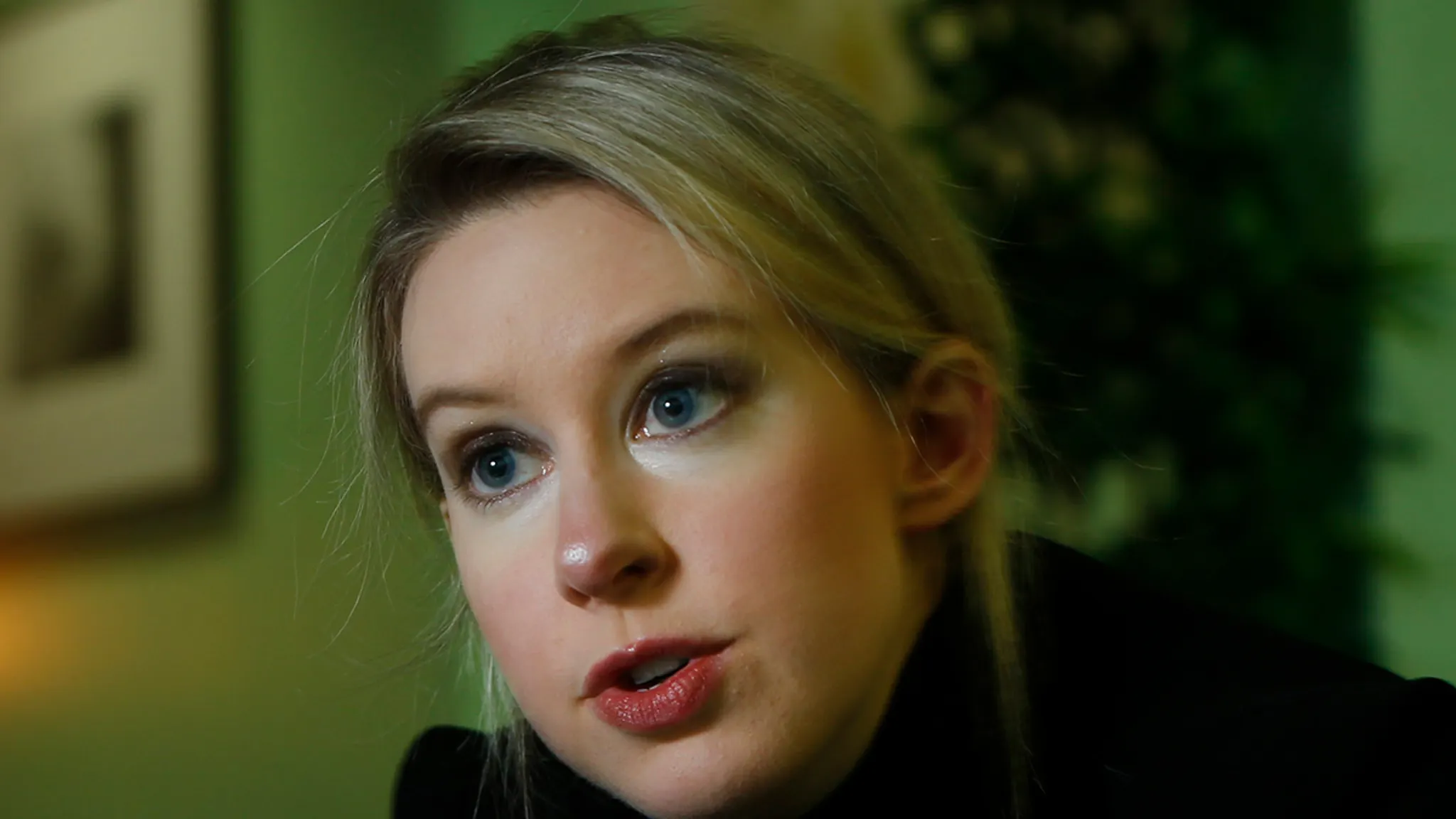
    According to court documents obtained by TMZ, Elizabeth Holmes faces a stringent prohibition against contacting the numerous investors she was convicted of defrauding once she completes her federal prison sentence. The legal filings outline specific conditions for her supervised release, explicitly barring the former Theranos CEO from reaching out to the individuals and entities who collectively lost more than $452 million in the scheme. This measure aims to prevent any potential further victimization, intimidation, or interference with the financial interests of those harmed by the fraudulent blood-testing venture.

    Background on the Theranos Fraud Conviction

    Holmes was found guilty on four counts of wire fraud and conspiracy to commit wire fraud in January 2022 following a high-profile trial that captivated Silicon Valley and the broader business world. The jury determined that she knowingly misled investors about the capabilities of Theranos’s proprietary blood-testing technology, which she claimed could run a vast array of tests on a few drops of blood. In November 2022, she was sentenced to 135 months—over 11 years—in federal prison, along with three years of supervised release and a restitution order. Her former partner and Theranos COO, Ramesh “Sunny” Balwani, was also convicted and sentenced to nearly 13 years in prison.

    Financial Scope of the Deception

    The court documents highlight the staggering financial scale of the deception, noting the aggregate investor losses exceed $452 million. High-profile investors included media mogul Rupert Murdoch, the Walton family, and the DeVos family, among many others. The restitution order requires Holmes and Balwani to pay $452 million jointly and severally to the victims. The no-contact provision serves as a safeguard during the supervised release phase, ensuring that Holmes cannot attempt to influence, pressure, or solicit funds from the very people the courts have recognized as victims of her crimes.

    Why This Matters

    The no-contact order underscores the judiciary’s focus on victim protection in white-collar crime cases, particularly those involving high-profile defendants with significant public notoriety. As Holmes serves her sentence at Federal Prison Camp Bryan in Texas, with a projected release date in December 2032, the conditions of her supervised release will be closely monitored. The case continues to serve as a landmark precedent for startup governance, due diligence, and the legal consequences of fraudulent misrepresentation in the venture capital ecosystem. The strict terms reflect the severity of the offenses and the need to maintain the integrity of the restitution process.

    Frequently Asked Questions

    When is Elizabeth Holmes scheduled to be released from prison?
    Elizabeth Holmes is currently incarcerated at Federal Prison Camp Bryan in Texas. Her projected release date, according to the Federal Bureau of Prisons, is December 29, 2032, though this date can be adjusted for good conduct time.
    What is the total amount of investor losses attributed to the Theranos fraud?
    Court documents and the restitution order specify that investors lost over $452 million as a result of the fraud perpetrated by Holmes and former COO Ramesh “Sunny” Balwani.
    Does the no-contact order apply to all victims or only investors?
    Based on the court documents obtained by TMZ, the prohibition specifically references the “many investors she was convicted of ripping off.” The order focuses on the investor class identified in the wire fraud counts of conviction.
  • 25 Years Later: Britney Spears’ 2001 VMAs Still Live Rent-Free in Our Heads

    25 Years Later: Britney Spears’ 2001 VMAs Still Live Rent-Free in Our Heads

    Key Highlights

    • The MTV Video Music Awards are scheduled to take place this Sunday, marking another edition of music’s biggest night.
    • Organizers are spotlighting Britney Spears’ iconic 2001 VMA performance featuring a live albino python as a defining moment in the show’s history.
    • A retrospective gallery has been released revisiting the cultural impact of Spears’ “I’m a Slave 4 U” performance ahead of this year’s ceremony.

    MTV VMAs Return Sunday With Spotlight on Historic Performances

    The MTV Video Music Awards are set to air this Sunday, continuing the network’s tradition of celebrating the year’s most impactful music videos and live performances. As anticipation builds for the 2024 ceremony, MTV has launched a retrospective look at one of the most talked-about moments in VMA history: Britney Spears’ 2001 appearance with what the network describes as a “very ssspecial guest.”

    Britney Spears’ 2001 Snake Performance Remains Cultural Touchstone

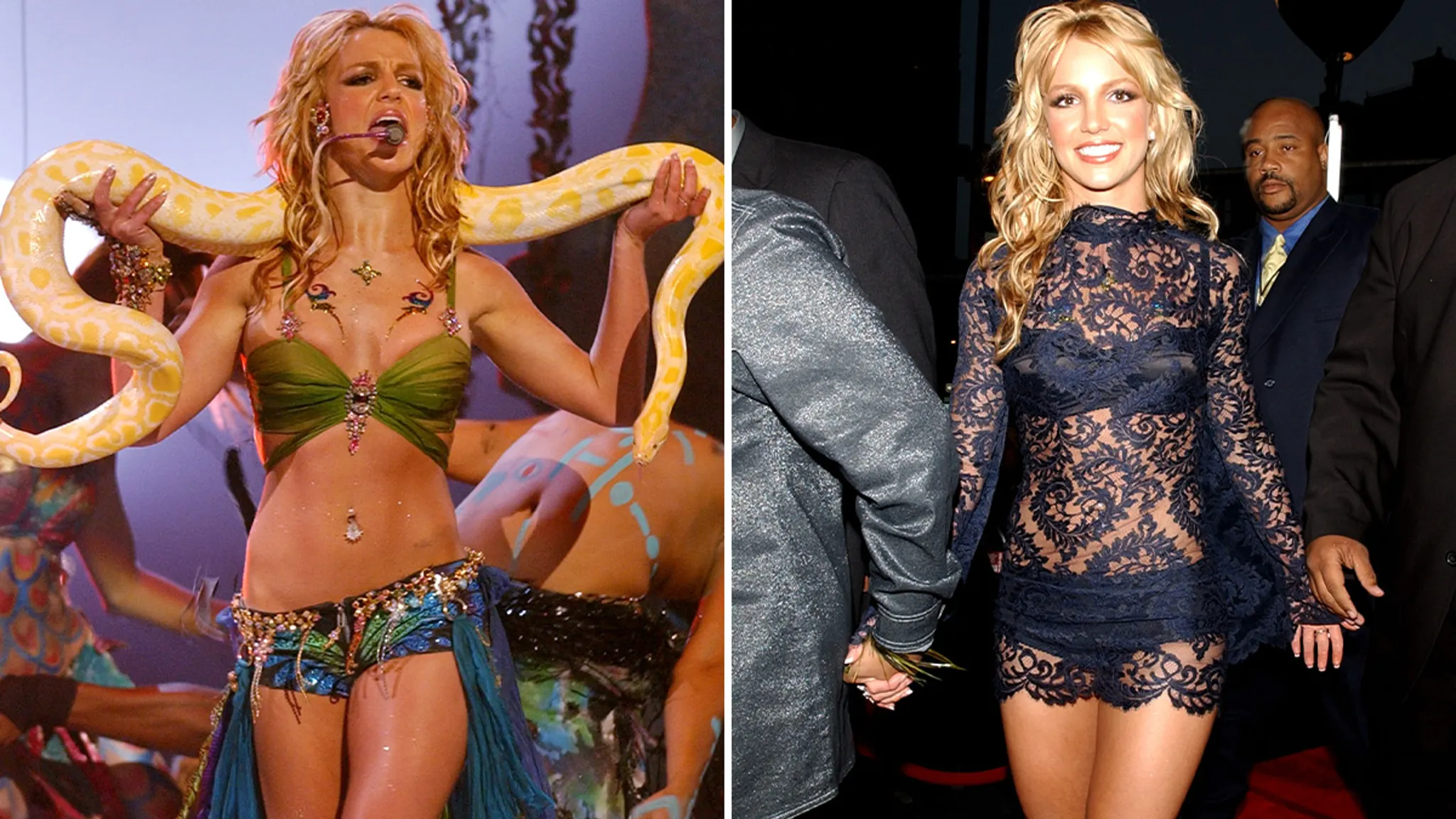
    At the 2001 MTV Video Music Awards, Britney Spears delivered a performance of “I’m a Slave 4 U” that instantly became legendary. The then-19-year-old pop star danced with a massive albino python draped across her shoulders, creating an indelible visual that encapsulated the show’s reputation for unpredictable, spectacle-driven moments. The performance—choreographed by Wade Robson and directed by Francis Lawrence—marked a pivotal transition in Spears’ career from teen pop sensation to a more mature, provocative artist.

    MTV’s current promotional gallery revisits this moment with a “Before…” framing, inviting audiences to reflect on how that single performance influenced subsequent VMA spectacles. The network’s decision to highlight this specific archive moment underscores how the VMAs have historically served as a platform for career-defining artistic statements.

    Why This Matters: The VMA Legacy of Spectacle and Reinvention

    The MTV Video Music Awards have long functioned as more than an awards show; they operate as a cultural barometer for music, fashion, and performance art. Spears’ 2001 appearance exemplifies the VMA formula: a high-stakes live platform where artists debut new eras, challenge public perceptions, and generate moments that dominate cultural conversation for decades. As the 2024 ceremony approaches, the retrospective serves as a reminder that the show’s legacy is built on these unpredictable, unscripted intersections of music and spectacle. Industry observers will be watching to see which performers this year attempt to craft their own “snake moment”—a visual or conceptual risk that transcends the broadcast and enters the permanent lexicon of pop culture history.

    Frequently Asked Questions

    When do the 2024 MTV Video Music Awards air?

    The ceremony is scheduled for this Sunday, though the source does not specify the exact date or broadcast time.

    What was Britney Spears’ “special guest” at the 2001 VMAs?

    Spears performed “I’m a Slave 4 U” with a live albino python draped around her neck and shoulders, creating one of the most iconic visuals in VMA history.

    Why is MTV highlighting the 2001 performance now?

    The network has released a retrospective gallery revisiting Spears’ snake performance as a promotional lead-in to this year’s ceremony, framing it as a defining example of the show’s cultural impact.

  • Tap-In: Tana Mongeau’s Polka Dot Bikini at MTV VMAs, DWTS

    Tap-In: Tana Mongeau’s Polka Dot Bikini at MTV VMAs, DWTS

    Key Highlights

    • Promotional teaser targets cross-generational audience—Millennials, Boomers, and Gen X—to drive engagement with a weekly Gen Z culture roundup.
    • Content strategy emphasizes a visual gallery format featuring “sexy stars and piping-hot news” as the primary delivery mechanism.
    • RSS snippet provides no specific story details, celebrity names, or publication dates, functioning solely as a traffic funnel to the gallery.

    Publisher Deploys Generational Hook for Weekly Gen Z Culture Gallery

    A newly surfaced RSS feed item reveals a high-energy promotional push designed to funnel a broad demographic spectrum into a curated gallery of Generation Z-focused content. The copy explicitly addresses “mighty Millennials, ballin’ Boomers, groovy Gen X-ers, and everyone else,” framing the weekly roundup as an essential gateway to the demographic’s most talked-about narratives. The language leans heavily into colloquial vernacular—”tappin’ y’all,” “spillin’ it”—to establish an informal, accessible tone that contrasts with traditional news summary formats.

    Calling all you mighty Millennials, ballin’ Boomers, groovy Gen X-ers, and everyone else … we’re tappin’ y’all into Gen Z’s hottest stories of the week, packed with sexy stars and piping-hot news! Tap-In to the gallery … we’re spillin’ it…

    Visual-First Strategy Signals Shift in Celebrity News Consumption

    The directive to “Tap-In to the gallery” underscores a deliberate editorial choice to prioritize a slideshow or image-heavy layout over long-form text. This format aligns with the consumption habits of the target demographic—Gen Z—while simultaneously lowering the barrier to entry for older cohorts who may prefer visual scanning. The promise of “sexy stars and piping-hot news” suggests a heavy reliance on celebrity photography, red-carpet coverage, and viral social media moments rather than investigative journalism or policy analysis. The RSS snippet itself contains no hyperlinks to specific articles, datelines, or author bylines, confirming its role as a pure teaser asset.

    Why This Matters

    This feed item exemplifies the current media landscape’s reliance on “newsjacking” generational identity to drive click-through rates. By explicitly naming Millennials, Boomers, and Gen X in the lede, the publisher acknowledges that the primary audience for Gen Z explainers often lies outside Gen Z itself—brands, marketers, parents, and cultural observers seeking fluency in youth trends. The gallery format also reflects the dominance of programmatic advertising models that reward high pageview counts per session; each slide in a gallery registers a new impression. However, the total absence of specific editorial content in the feed raises questions about SEO sustainability, as search engines increasingly penalize “thin content” pages that lack original reporting or substantial textual analysis.

    Frequently Asked Questions

    What specific stories are included in this week’s gallery?
    The RSS snippet does not list any specific headlines, celebrities, or events. It functions solely as a promotional teaser; users must click through to the gallery page to view the actual content.
    Which publication or platform is distributing this feed?
    The source metadata provided in the RSS excerpt does not identify the publisher, outlet name, or brand responsible for the roundup.
    Is this a recurring weekly feature?
    The phrase “hottest stories of the week” strongly implies a recurring weekly cadence, though no publication schedule or archive link is present in the source text.