Author: Maya Brooks

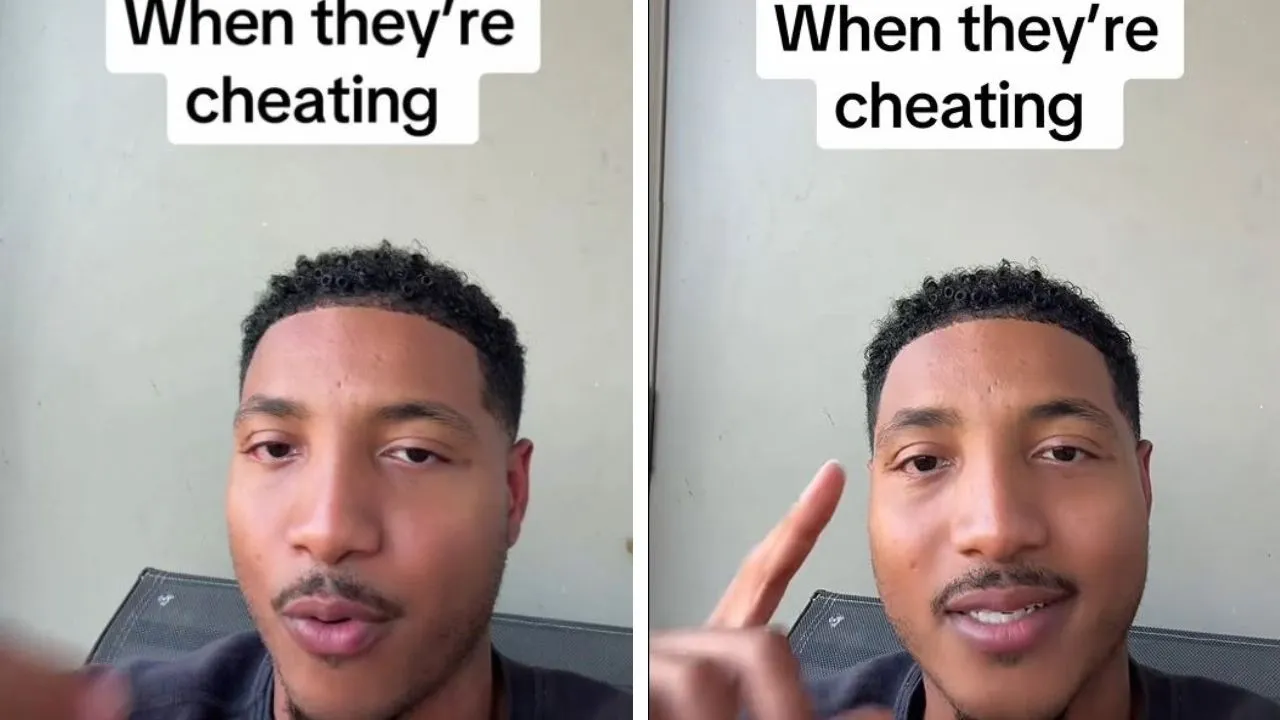
  • ‘An Intuitive Itch’: TikToker Reveals 4 Signs a Partner Is Cheating — From Flaw-Finding to Sudden Isolation

    ‘An Intuitive Itch’: TikToker Reveals 4 Signs a Partner Is Cheating — From Flaw-Finding to Sudden Isolation

    Key Highlights

    • TikTok creator @bustuh identified four behavioral patterns — flaw-finding, performative effort, projection, and sudden isolation — that he says commonly signal a cheating partner in a viral video posted September 19, 2026.
    • The video amassed over 25,000 likes and nearly 500 comments, with multiple users sharing personal experiences of infidelity that aligned with the creator’s framework.
    • The Daily Dot reported on the trend while noting it could not independently verify the anecdotal accounts shared in the comment section.

    TikTok Creator Breaks Down ‘Intuitive Itch’ Behind Infidelity Suspicions

    Content creator @bustuh posted a video on September 19, 2026, that quickly gained traction for articulating what he described as an intuitive itch many partners feel before discovering infidelity. In the clip, which had drawn more than 25,000 likes and nearly 500 comments as of publication, the creator opened by stating that a person could be meeting every need and still get cheated on, framing the four patterns he outlined as subconscious signals that often precede confirmation.

    Flaw-Finding as Post-Hoc Justification

    The first behavior @bustuh highlighted was what he termed flaw-finding — a sudden, repetitive pattern of pointing out differences or shortcomings in a partner who was previously treated with patience. He characterized this shift as a cowardly way of proving to themselves that their decision is justified, suggesting it functions to rationalize an affair after the fact rather than confront the betrayal directly. The creator positioned this not as genuine criticism but as internal narrative-building designed to ease the cheater’s own conscience.

    Performative Effort and Image Management

    The second pattern involved a paradoxical increase in time and attention paired with a drop in quality. @bustuh described this dynamic as more effort with less intention, explaining that gestures become less thoughtful even as the amount of time spent together goes up. He argued this change operates as a form of image management aimed at reassuring the other person nothing is wrong, effectively using presence as a decoy for emotional withdrawal.

    Projection Rooted in Guilt

    The third indicator the creator named was projection — accusing a partner of the very behavior the accuser is engaged in. @bustuh traced this pattern to guilt, comparing it to jealousy and pride in that it rots the beholder over time and eventually surfaces as behavior directed at the other person, even without basis. He framed projection as an externalization of internal conflict that inevitably leaks into the relationship dynamic.

    Sudden Isolation as Operational Cover

    The final behavior was an abrupt shift toward wanting more time alone, which @bustuh distinguished from normal personal space. He stated this kind of isolation is just being able to cheat in a safer way, and cautioned that a sudden change unaccompanied by any actual shift in a person’s job or friend group shouldn’t be ignored. The creator ended the video by naming depression and cheating as the two reasons he believes a man would isolate from a partner he otherwise trusts, and told viewers not to feel foolish for noticing the signs even if they worried about being seen as controlling.

    Comment Section Reveals Resonance and Personal Testimony

    Under the video, multiple commenters shared experiences that mirrored the creator’s framework. One user described checking a partner’s phone and said she discovered over 5 women before leaving them without a further conversation. Another, reflecting on an eight-year relationship, said she wouldn’t believe how blindsided I was when it all unfolded, adding that she no longer expects to trust a future partner. A third commenter, five months postpartum at the time, said she found messages between her partner and someone else and felt he discarded me like I was nothing.

    The Daily Dot was unable to independently verify the experiences described by commenters on this video. The details above reflect the creator’s stated views and commenters’ individual accounts as shared on TikTok.

    Why This Matters

    The viral spread of @bustuh’s video underscores a growing appetite on social platforms for crowdsourced relationship diagnostics — particularly frameworks that validate intuitive suspicions before concrete evidence emerges. With over 25,000 likes, the content reflects how TikTok has become a de facto forum for peer-to-peer emotional intelligence, where creators codify patterns many users recognize but struggle to articulate. The comment section’s concentration of detailed, high-stakes personal stories — including a postpartum betrayal and a long-term blindsiding — illustrates the real-world consequences of the behaviors described. For media literacy, the piece also highlights the tension between viral relatability and verifiability: The Daily Dot’s explicit disclaimer that it could not confirm commenters’ accounts signals an emerging editorial standard for covering anecdotal social media testimony responsibly.

    Frequently Asked Questions

    Who is @bustuh and what platform did this originate on?
    @bustuh is a TikTok content creator who posted the original video on September 19, 2026. The clip was reported on by The Daily Dot, a digital media outlet covering internet culture.
    What are the four signs of cheating the creator identified?
    The four patterns are: (1) flaw-finding — suddenly criticizing a previously accepted partner; (2) performative effort — more time together but with less intentionality; (3) projection — accusing the partner of the cheater’s own behavior; and (4) sudden isolation — an abrupt, unexplained withdrawal framed as personal space.
    Are the commenters’ stories verified?
    No. The Daily Dot explicitly stated it was unable to independently verify the experiences described by commenters. The accounts reflect individual testimony shared publicly on TikTok and should be understood as anecdotal.

  • Commenters Name Hobbies Most Likely to End a Relationship, From Content Creation to World of Warcraft

    Commenters Name Hobbies Most Likely to End a Relationship, From Content Creation to World of Warcraft

    Key Highlights

    • A viral Reddit thread on r/AskReddit with over 7,100 upvotes identifies golf, gaming, fitness regimens, and social media content creation as hobbies most frequently cited for ending relationships.
    • Commenters consistently emphasize that the core issue is not the hobby itself, but the obsessive devotion of time, attention, and financial resources that displaces partner and family priorities.
    • The Daily Dot was unable to independently verify the personal anecdotes shared in the thread, which represent the opinions of individual Reddit users.

    Viral Reddit Thread Sparks Relationship Debate

    A September 24 post on r/AskReddit posed a straightforward question: “Which hobby has ended more relationships than people realize?” The thread rapidly gained traction, amassing 7,100 upvotes and nearly 5,000 comments by publication time. Redditors responded with a wide spectrum of answers ranging from golf and gaming to marathon training, social media, and even K-pop fandom, creating a crowdsourced catalogue of domestic friction points.

    Golf Emerges as Top Relationship Strain

    Golf dominated the discussion as one of the most common answers. Multiple Redditors described partners who spent entire days on the course, regularly leaving spouses or children for hours at a time. One commenter illustrated the dynamic by sharing that their friend’s husband spent so much time golfing that she felt as if she were a “side piece” in their marriage. Another recounted a particularly stark example: a woman whose husband chose to attend a golf tournament instead of her father’s funeral. A commenter summarized the broader pattern by writing, “Sports to a fanatical degree,” describing an ex who had missed family milestones due to his obsession.

    Gaming and Financial Secrecy Drive Breakups

    Online gaming, particularly World of Warcraft, generated thousands of upvotes. Stories included a marriage that ended after the husband spent most of his honeymoon playing the MMORPG. Financial secrecy emerged as a compounding factor: one user explained she discovered her husband had spent approximately $15,000 in three months on microtransactions for a mobile game. She noted the financial secrecy was more damaging to the relationship than the spending itself.

    Fitness Obsession and Competitive Training Create Distance

    Fitness regimens appeared repeatedly, with specific references to CrossFit, Brazilian jiu-jitsu, and endurance racing. One person described a friend who escalated marathon running after having children. Another detailed their partner’s progression from a half-Ironman to more demanding races, which required significantly increased training hours that encroached on family time.

    Social Media Content Creation Invades Quality Time

    Content creation for social media platforms surfaced as a frequent source of tension. One commenter explained how every dinner or walk could transform into an hour-long photo shoot because their partner was obsessed with going viral. In another case, a relationship deteriorated during holidays and vacations, as the partner prioritized content creation over shared experiences.

    The Underlying Pattern: Obsession Over Balance

    Beyond specific activities, commenters identified hobbies that seem harmless but become disruptive when they consume disproportionate attention. Examples included K-pop fandom, car enthusiasm, fishing, and even volunteer firefighting. The consensus crystallized around a central theme. One commenter highlighted the main issue by saying, “obsession with anything, really.” Another articulated the critical distinction: “it’s important that one knows, especially while in a relationship, that the real problem is not being able to strike a balance between a hobby and a relationship.”

    Why This Matters

    The thread reflects a growing cultural conversation about attention economics and relationship sustainability in the digital age. As hobbies increasingly intersect with monetization (streaming, content creation, microtransactions) and identity formation (fitness communities, fandoms), the boundary between leisure and lifestyle blurs. Relationship therapists often cite “emotional abandonment” via excessive hobby engagement as a presenting issue, particularly when combined with financial opacity. The viral nature of this Reddit discussion suggests widespread relatability, indicating that many couples navigate these tensions without clear frameworks for negotiation. Future discourse will likely focus on establishing healthy boundaries around time allocation, financial transparency, and shared versus individual pursuits in long-term partnerships.

    Frequently Asked Questions

    What was the most commonly cited relationship-ending hobby in the Reddit thread?
    Golf emerged as the most frequently mentioned hobby, with numerous commenters describing partners who spent entire days on the course, sometimes prioritizing it over major family events.
    Is the hobby itself the problem, according to the Reddit discussion?
    No. The consensus across thousands of comments is that the core issue is obsessive devotion—excessive time, attention, and financial resources directed toward the hobby at the expense of the relationship and family responsibilities.
    Were the stories in the Reddit thread verified?
    The Daily Dot explicitly stated it was unable to independently verify the personal experiences described by commenters. The details reflect responses shared on r/AskReddit and represent the opinions of individual Reddit users.
  • Woman Says Friends Canceled Birthday Dinner They Urged Her to Plan: ‘I’d Definitely Be Reevaluating Those Friends’

    Woman Says Friends Canceled Birthday Dinner They Urged Her to Plan: ‘I’d Definitely Be Reevaluating Those Friends’

    Key Highlights

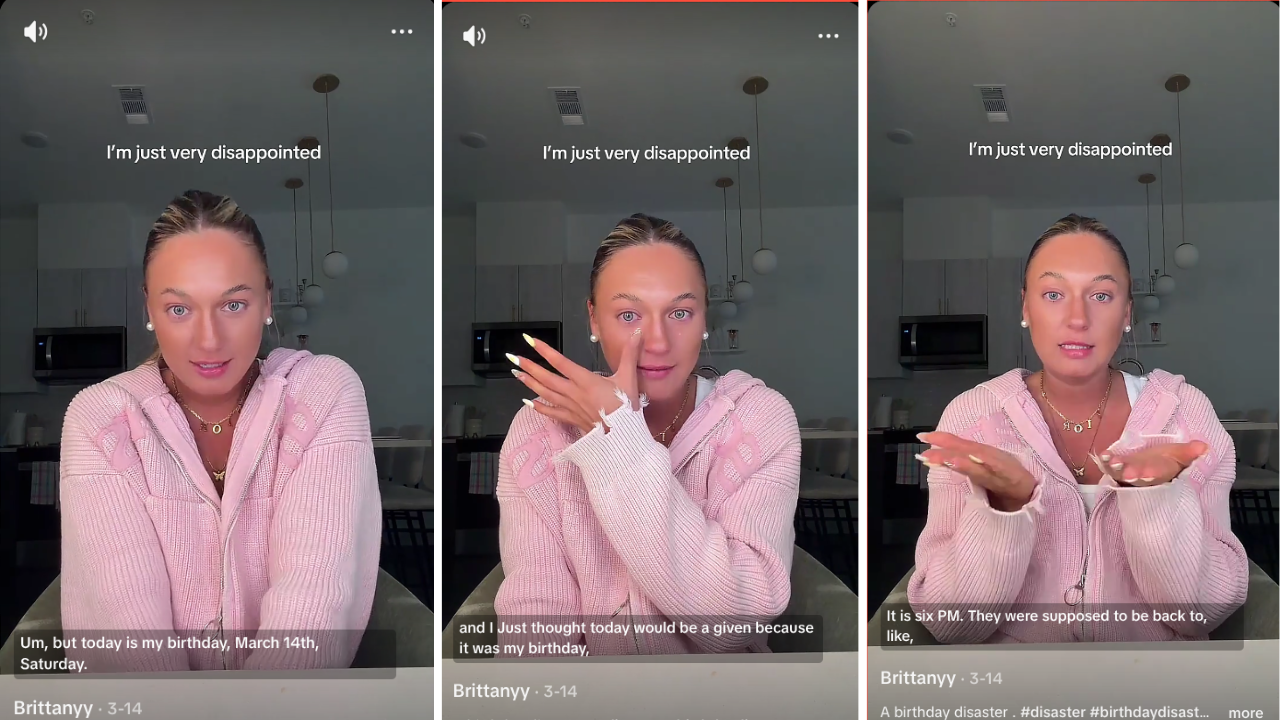
    • TikTok creator Brittany (@brittanyybowen) says five close friends canceled her 29th birthday dinner at the last minute after encouraging her to organize the celebration instead of her preferred solo trip.
    • The friends who attended a St. Patrick’s Day block party in Dallas informed her they wouldn’t return in time, while others cited work conflicts, despite three-and-a-half weeks’ notice.
    • Brittany says the experience has led her to plan her 30th birthday with family instead of relying on friends, and the viral video sparked widespread criticism of the friends’ behavior in comments.

    Introvert’s Birthday Plans Derailed by Friends’ Last-Minute Cancellations

    TikTok creator Brittany, who posts under the handle @brittanyybowen, shared a widely viewed account of spending her 29th birthday alone at a restaurant after every invited friend canceled on the dinner they had urged her to plan. The video, posted to her TikTok account, has accumulated 2.4 million views and over 9,100 comments, resonating with viewers who criticized the friends’ conduct. Brittany, who describes herself as an introvert with a small social circle, initially wanted to mark the milestone with a personal trip rather than a social gathering.

    Friends Suggested Dinner, Then Failed to Attend

    According to Brittany’s account, her friends persuaded her to host a small birthday dinner instead of traveling. Though hesitant, she agreed and secured a restaurant reservation approximately three and a half weeks in advance, ensuring all invitees were aware of the date. She also purchased a $250 dress specifically for the occasion. On the evening of the dinner, however, none of the five close friends she invited appeared. Some explained they could not obtain time off from work, while others revealed they had attended a St. Patrick’s Day block party in Dallas and would not return in time for the reservation — a detail they communicated only at the last minute.

    Disappointment Leads to Reevaluation of Friendships

    Brittany expressed significant disappointment, noting she would not have canceled on friends for an occasion she considered important. She emphasized that she had made a deliberate effort to organize the event after initially preferring a low-key celebration. Because her family lives in another state, she had hoped her local friends would be present for the milestone. The experience, she said, reflected poorly on those friendships and fundamentally changed her approach to future birthdays: for her 30th, she plans to celebrate with family rather than depend on friends to show up.

    Why This Matters

    The viral response to Brittany’s story highlights a broader conversation about reciprocity and reliability in adult friendships, particularly around milestone events. The fact that the friends initiated the dinner plan — only to abandon it for a block party or without timely notice — struck a nerve with viewers, many of whom characterized the behavior as inconsiderate and indicative of one-sided relationships. The incident also underscores how social media amplifies personal grievances into public referendums on social norms, with thousands of strangers weighing in on the obligations of friendship. While The Daily Dot could not independently verify the specific details of Brittany’s account, the volume of engagement signals a shared cultural sensitivity to flakiness and the emotional labor of event planning.

    Frequently Asked Questions

    What happened to Brittany on her 29th birthday?

    Brittany organized a birthday dinner at a restaurant after her friends encouraged her to host one instead of taking a trip. She booked the reservation three and a half weeks in advance and bought a $250 dress, but none of the five close friends she invited showed up. Some cited work conflicts; others said they were at a St. Patrick’s Day block party in Dallas and wouldn’t make it back in time, informing her only at the last minute.

    How has Brittany said she will handle future birthdays?

    Brittany stated that the experience changed how she plans to celebrate. For her 30th birthday, she intends to spend it with her family rather than rely on friends to attend a celebration she organizes.

    What was the public reaction to her TikTok video?

    The video received 2.4 million views and over 9,100 comments. Many commenters criticized the friends for suggesting the dinner and then not attending. One wrote, “I can’t believe they’re suggested you do a dinner. Against your better judgement, you booked it — for them to NOT show up. I’d definitely be reevaluating those friends.” Another said, “They convinced you to have the dinner just for them to not show up??” A third called the last-minute cancellations after three weeks’ notice “diabolical.”

  • Woman Says Best Friend Became Obsessed With Her Boyfriend: ‘He Was All We Would Talk About’

    Woman Says Best Friend Became Obsessed With Her Boyfriend: ‘He Was All We Would Talk About’

    Key Highlights

    • TikTok creator Mya (@themyab) alleged her best friend messaged her boyfriend privately on Snapchat asking to get ice cream together, sparking a viral debate about friendship boundaries.
    • Mya said the friend had increasingly talked about and commented on her boyfriend’s social media posts, behavior a third party flagged during a group hangout before the boyfriend showed Mya the screenshot.
    • The video prompted thousands of comments sharing similar experiences, with many users praising the boyfriend’s transparency and loyalty for immediately showing Mya the message.

    TikTok Creator Alleges Best Friend Crossed Boundary by Messaging Her Boyfriend

    TikTok user Mya, who posts under the handle @themyab, shared a storytime video detailing how her best friend’s behavior toward her boyfriend escalated from social media interactions to a private Snapchat invitation. According to Mya, she initially welcomed the connection between the two people closest to her, thinking it was healthy for them to get along. She did not think much of her friend following her boyfriend on TikTok or having his Snapchat information at first.

    Friend’s Interest Escalates From Comments to Private Message

    Over time, Mya said she noticed her friend frequently talked about her boyfriend and consistently engaged with his social media posts. The dynamic shifted noticeably during a group hangout that included Mya, her boyfriend, and another person. That third party reportedly pointed out that Mya’s best friend appeared particularly interested in her boyfriend. While Mya had started noticing the behavior herself, she said her boyfriend initially dismissed her concerns, suggesting she might be overthinking the situation.

    His perspective changed, Mya recounted, after he received a direct Snapchat message from her best friend asking whether he wanted to get ice cream with her. The boyfriend immediately sent Mya a screenshot of the message, which she said left her surprised by her friend’s actions. The Daily Dot was unable to independently verify the details of Mya’s story, which are based solely on her account shared on TikTok. Mya did not identify her friend or provide independent documentation of the interactions described.

    Viral Video Ignites Debate on Friend-Partner Boundaries

    The video triggered a widespread discussion in the comments section about appropriate boundaries between friends and their friends’ partners. Numerous women shared parallel experiences, validating Mya’s discomfort. One commenter wrote, “Maam. I didn’t even follow my bestie’s man back on TikTok when he followed me. Bc NO THATS MY GIRL & that’s HER mans.” She added that she had never followed any of her friends’ boyfriends unless they were already friends independently, and would not have interacted with their posts in the same manner.

    Another user shared, “One of my friends is this way with my husband, and my mom keeps telling me to keep an eye on her.” A third commenter described a nearly identical situation: “Wait, this same exact thing happened to me. He told me right away when it was obvious and showed me her text. He called her out and we both blocked her. I didn’t even waste a word on her.” A fourth woman recounted an even more extreme breach: “Oh girl, I had a girl do the same thing, but she KISSED him because she wanted to ‘understand’ our relationship better.”

    Commenters Praise Boyfriend’s Transparency and Loyalty

    Amid the stories of betrayal, many commenters highlighted the boyfriend’s response as a positive example of relationship security. “That’s such a good bf,” one user shared, while another added, “We love a loyal bf.” The consensus among responders was that the boyfriend’s immediate decision to show Mya the screenshot—rather than hiding it—demonstrated respect for the relationship and helped prevent the situation from escalating further.

    Why This Matters

    The viral spread of Mya’s video underscores how social media platforms like TikTok have become primary venues for negotiating modern relationship norms. The sheer volume of similar anecdotes in the comments suggests that boundary violations between close friends and romantic partners are a common, yet often unspoken, source of relational stress. The discourse highlights two competing values: the expectation that a partner’s inner circle should be welcoming, and the need for clear limits to protect the intimacy of the romantic bond. For content creators, the incident also illustrates how personal storytelling can catalyze collective sense-making around shared social dilemmas.

    Frequently Asked Questions

    Who is Mya and where did she share this story?
    Mya is a TikTok creator who posts under the handle @themyab. She shared the story in a video posted to her TikTok account.
    What specific action by the best friend prompted the boyfriend to show Mya the message?
    The best friend sent the boyfriend a private Snapchat message asking if he wanted to get ice cream with her. The boyfriend screenshot the message and sent it to Mya immediately.
    Has the story been independently verified?
    No. The Daily Dot reported that it was unable to independently verify the details of Mya’s account. The story is based solely on her TikTok video; she did not name the friend or provide screenshots or other documentation to the outlet.
  • Mom of Three Shares Honest Take on Third Baby: ‘I’m Just Gonna Say, Two Is Not Enough, Three Is Too Many’

    Mom of Three Shares Honest Take on Third Baby: ‘I’m Just Gonna Say, Two Is Not Enough, Three Is Too Many’

    Key Highlights

    • TikTok creator Donatella Westaway (@donatella_westaway) sparked a viral debate after declaring “two is not enough, three is too many” about raising three children.
    • The video amassed over 10,400 likes and 353 comments, with parents divided between agreeing that the 2-to-3 transition is overwhelming and arguing that a fourth child restores balance.
    • Commenters offered contrasting theories: some said four kids “entertain each other,” while one joked that with four “they form a government and they’re pretty much in control.”

    TikTok Mom’s Candid Take on Third Child Ignites Parenting Debate

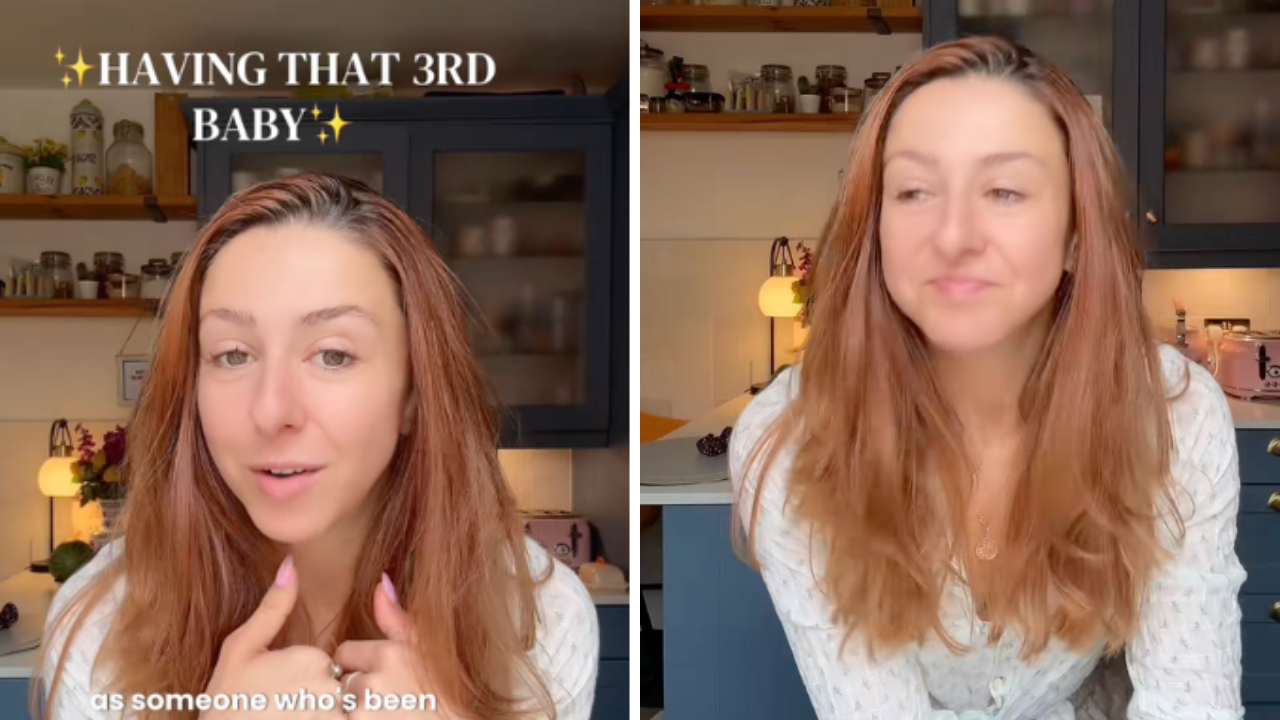
    Content creator Donatella Westaway, who posts under the handle @donatella_westaway, has triggered a widespread conversation about family size after sharing her unfiltered perspective on raising three children. In a video that has garnered 10,400 likes and 353 comments, the mother of three offered blunt advice to parents contemplating a third baby: “Think carefully before making the decision.”

    The clip opens with Westaway addressing the camera directly. “I don’t know who needs to hear this, but if you were thinking about having that third baby…” she begins, before delivering her now-viral assessment: “I’m just gonna say, two is not enough, three is too many.” She captioned the post, “This is the easiest way I could explain what having that third baby is like.” Westaway noted she had been a mother of three for just under two years when she recorded the video and felt the statement was the simplest way to describe her experience.

    Comments Section Becomes Forum for Dueling Parenting Philosophies

    The response was immediate and polarized. Many mothers validated Westaway’s sentiment. “The truest thing I’ve ever heard. Mum of 3 for just over 2 years, I’M EXHAUSTED GUYS,” wrote one commenter. Another added, “3 was too many….then I had 2 more!” A third described the transition as uniquely jarring: “Can’t relate to this more!!! Adore my 3rd daughter but the move from 2-3 is mind blowing. I’m in the trenches.”

    Conversely, a contingent of parents argued that the difficulty peaks at three and resolves with a fourth. “As a mum of 4, it makes it all better. 3 there was always one needing me where as with 4 they entertain each other and went off in different combinations of 2s. If you not getting on with one sibling choose another . I’m convinced 4 is the perfect number,” one user asserted. Another concurred: “If you want 3, have 4. 3 is a crowd, 4 is great.” A mother on the cusp of the transition offered a real-time perspective: “My third born is days away from crawling and at present it feels like maybe 2.5 children – currently surviving, but ask me in a week and I’ll confirm whether 3 is too many.”

    Humorous Theories Emerge on Family Dynamics

    Beyond practical advice, commenters floated creative frameworks for sibling mathematics. One wrote: “2 is the balance unless their personalities tip the scale. 3 – you’re outnumbered so tread carefully and 4- well they form a government and they’re pretty much in control but like us to think there’s diplomacy…that’s where I’m at.” The thread collectively illustrated that parental capacity, child temperament, and household logistics produce wildly different lived realities, even among families with the same number of children.

    Why This Matters

    The viral spread of Westaway’s video underscores how social platforms like TikTok have become primary venues for candid parenting discourse, moving conversations once confined to playgrounds or private groups into the public algorithm. The debate reflects enduring anxieties about the “transition to three”—a documented inflection point in family sociology where parental attention ratios shift from man-to-man defense to zone coverage. The comments also reveal a cultural fascination with optimal family size, a topic intersecting with economic pressures, housing costs, and evolving norms around parental involvement. For brands and platforms, the engagement signals high interest in authentic, experience-based content over polished expert advice.

    Frequently Asked Questions

    Who is Donatella Westaway?
    Donatella Westaway is a mother of three and TikTok content creator who posts under the username @donatella_westaway. Her video discussing the challenges of raising three children went viral in 2024.
    What was the exact quote from her video?
    She said: “I don’t know who needs to hear this, but if you were thinking about having that third baby… I’m just gonna say, two is not enough, three is too many.”
    Did parents agree with her assessment?
    The comments were split. Many mothers agreed the jump from two to three was overwhelming, while others argued that having a fourth child made family dynamics easier because siblings entertain each other.
  • Woman Expelled from School After Boyfriend’s Ex Allegedly Accused Her of Threats: ‘I Might Sound Cold-Hearted’

    Woman Expelled from School After Boyfriend’s Ex Allegedly Accused Her of Threats: ‘I Might Sound Cold-Hearted’

    Key Highlights

    • TikTok user Kaylz (@kaylz_614) alleges she was expelled from a new school two days after enrolling when her boyfriend’s ex-girlfriend’s parent emailed the principal claiming Kaylz had threatened the ex.
    • The incident sparked a chain of events including a house toilet-papering by Kaylz’s friends, police involvement, tickets for the teenagers, and Kaylz eventually graduating early at 16 and enrolling in cosmetology school.
    • The Daily Dot could not independently verify Kaylz’s account, which she shared in a viral TikTok video garnering 79,500 likes and 179 comments, and she has not publicly identified the school or individuals involved.

    TikToker Alleges Expulsion After Boyfriend’s Ex Accused Her of Threats

    TikTok content creator Kaylz, who posts under the handle @kaylz_614, shared a detailed storytime video recounting how she says she was forced to leave a new school shortly after transferring there to be near her friends and boyfriend. The video, captioned “It just keeps going and going #storytime #kickedout #drama” with original sound – Kaylz, has accumulated 79,500 likes and 179 comments as viewers reacted to the cascading series of events she described.

    Transfer Hopes Dashed Within Days

    According to Kaylz’s account, she had struggled to fit in at her previous school and was eager to transfer to a school outside her district where her social circle and boyfriend attended. She said she was initially excited when the enrollment was approved. However, just two days into her first week at the new school, she was summoned to the principal’s office. The principal informed her that a parent had sent an email alleging their daughter—identified by Kaylz as her boyfriend’s ex-girlfriend—did not feel safe because Kaylz had allegedly threatened her.

    Kaylz said she and her parents attempted to disprove the accusation, but the school still required her to withdraw. She was sent back to her original school, while the friends she had transferred to join were reportedly upset by the outcome.

    Retaliation, Police Involvement, and a Fresh Start

    The situation escalated further when, Kaylz said, some of her friends toilet-papered a house in response to the expulsion. The incident prompted a police response, and the teenagers involved received tickets. Kaylz subsequently ended her relationship with her boyfriend and focused on her education, graduating early at age 16 and enrolling in a cosmetology program.

    In a twist she described as stressful, Kaylz said she later encountered her former boyfriend’s ex again after both enrolled in the same cosmetology program. She stated the two remained civil despite their history, though the reunion added emotional weight to her fresh start.

    Viewer Reactions Range from Legal Advice to Shared Trauma

    The comment section of Kaylz’s TikTok became a forum for debate, legal suggestions, and personal anecdotes. Several viewers urged her to pursue legal recourse.

    “I would press charges for false accusations and defamation of character,”

    one commenter wrote.

    “You had the biggest opportunity to be like she threatened me and get her kicked off of the course,”

    another commenter wrote.

    Others shared strikingly similar experiences of school disciplinary actions based on unverified claims.

    “I was in a very similar situation and the ex’s bf went to my school- he went to the front office and told them I was selling drugs. I was kicked out with zero evidence and no chance to plead my case. In February of my Senior year. Never even knew her name!”

    one person wrote.

    Another commenter noted a parallel outcome: the person who caused them to leave school eventually ended up in their cosmetology program as well. Not all feedback was supportive; some viewers criticized Kaylz’s friends for the toilet-papering incident and questioned why her parents would have encouraged such behavior.

    Why This Matters

    Kaylz’s story highlights the vulnerability of students when interpersonal conflicts migrate into institutional settings, particularly when schools act on unilateral allegations without apparent due process. The viral response underscores a broader public concern about how educational institutions handle safety complaints, the potential for “he said/she said” dynamics to derail a student’s academic trajectory, and the long shadow such incidents can cast—even following individuals into post-secondary programs. The Daily Dot’s inability to independently verify the details, combined with Kaylz’s decision not to name the school or parties involved, illustrates the challenges of reporting on personal narratives shared on social media platforms where verification is often impossible.

    Frequently Asked Questions

    Has the school or the other student responded to Kaylz’s allegations?

    No. The Daily Dot reported it was unable to independently verify the details of Kaylz’s story, which are based solely on her TikTok account. Kaylz has not publicly identified the school or the individuals involved, and no public statement from the school or the ex-girlfriend has been reported.

    What were the legal consequences for the toilet-papering incident?

    According to Kaylz, police were called after her friends toilet-papered a house, and the teenagers involved received tickets. She did not specify the exact charges or whether the cases were adjudicated.

    Is Kaylz still in cosmetology school?

    Kaylz stated in her video that she enrolled in cosmetology school after graduating early at 16 and that she encountered her former boyfriend’s ex there. She did not provide an update on her current enrollment status beyond that encounter.

  • Comics About the ‘Abuse Goblin’ Inspire Memes on Healing the Goblin

    Comics About the ‘Abuse Goblin’ Inspire Memes on Healing the Goblin

    Key Highlights

    • Webcomic character Abuse Goblin debuted on X/Twitter on January 23, 2026, created by artist Foolibuster (also known as Vost).
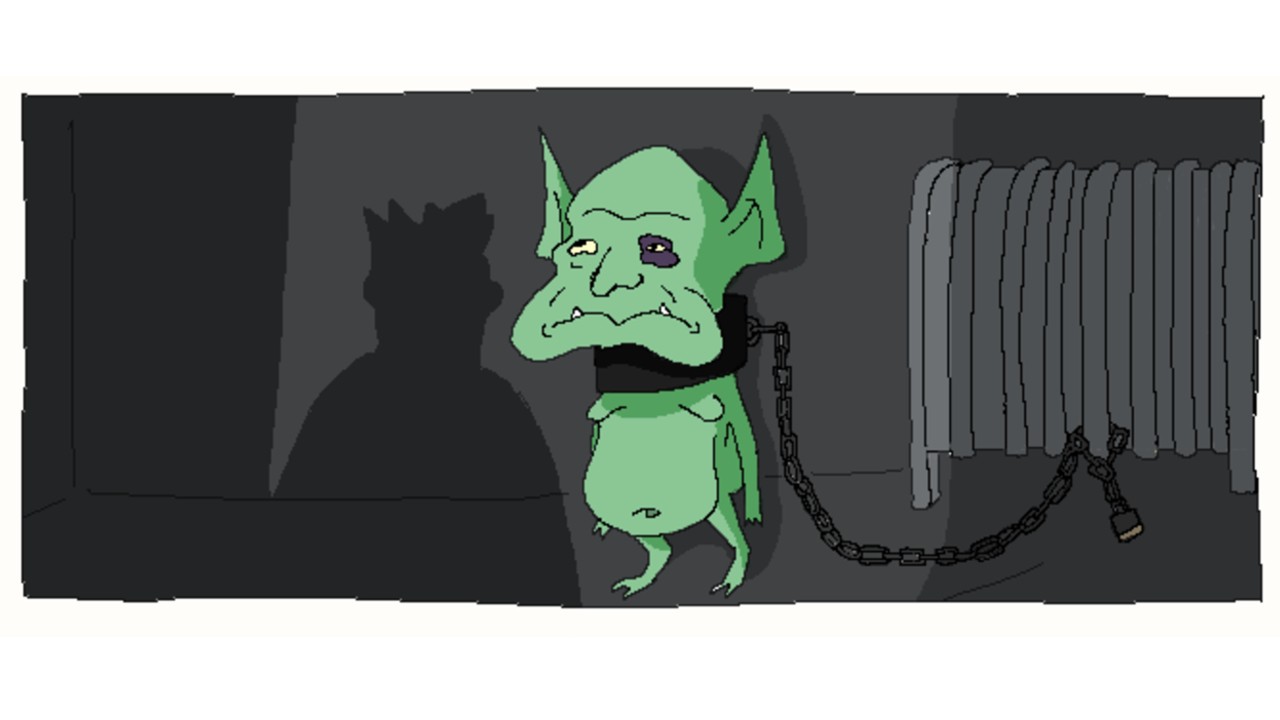
    • The series depicts a goblin subjected to creative cruelty by a man in a green shirt and cargo shorts, who shares the abuse with his therapist.
    • The character’s popularity sparked a wave of memes and fan art across social media platforms.

    Origins of the Abuse Goblin Phenomenon

    The Abuse Goblin emerged from the digital sketchbook of Foolibuster, an artist operating under the alias Vost, who first published the character to X, the platform formerly known as Twitter, on January 23, 2026. The premise centers on a diminutive goblin figure whose sole narrative purpose is to absorb the violent frustrations of a recurring human antagonist—consistently illustrated wearing a green shirt and cargo shorts. This dynamic quickly established a darkly comedic rhythm: each strip concludes with the abuser recounting the inflicted trauma to his therapist, framing the fantasy violence as a therapeutic pressure valve.

    Viral Spread and Community Engagement

    Following the initial post, the series sustained momentum over several months through multiple installments, each escalating the absurdity and creativity of the depicted abuse. The format resonated widely, transcending the creator’s immediate audience to inspire a decentralized wave of derivative content. Users across platforms began generating memes and fan art referencing the goblin’s distinctive design and the series’ signature punchline structure, effectively crowdsourcing the character’s mythos beyond the original authorial intent.

    Why This Matters

    The Abuse Goblin phenomenon illustrates how minimalist, high-concept webcomics can rapidly achieve cultural penetration in the algorithmic era. By combining a simple visual hook—a goblin, a generic everyman antagonist, and a therapist framing device—with repetitive, shareable violence, Foolibuster tapped into a vein of internet humor that rewards exaggeration and cathartic release. The subsequent explosion of user-generated memes and fan art signals a shift from passive consumption to participatory culture, where audiences claim ownership of a character by remixing its trauma into new contexts. For digital creators, the case underscores the power of a consistent, repeatable format paired with a blank-slate protagonist to fuel organic community growth.

    Frequently Asked Questions

    Who created Abuse Goblin and when did it debut?
    Abuse Goblin was created by the artist Foolibuster, also known as Vost, and the first comic was posted to X/Twitter on January 23, 2026.
    What is the recurring format of the Abuse Goblin comics?
    Each comic depicts the goblin suffering cruel and creative abuse at the hands of a man in a green shirt and cargo shorts, who then shares the acts with his therapist as an outlet for frustration.
    How did the audience respond to the series?
    The character’s popularity inspired a significant volume of memes and fan art, expanding the goblin’s presence beyond the original webcomic strips into broader internet culture.
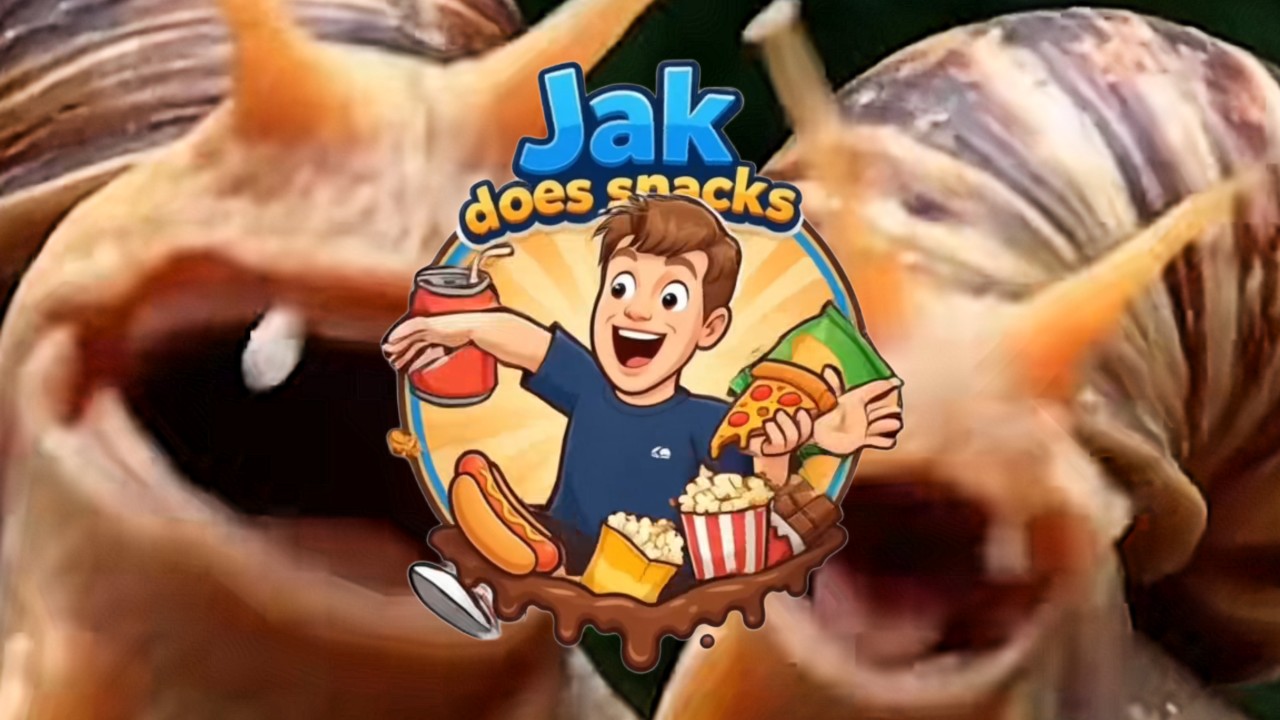
  • Young Food Reviewer ‘Jak Does Snacks’ Sparks Snail Memes With AI-Generated Theme Song

    Young Food Reviewer ‘Jak Does Snacks’ Sparks Snail Memes With AI-Generated Theme Song

    Key Highlights

    • TikTok food reviewer Jak Does Snacks launched in March 2026 and built a significant following within six months through an AI-generated intro featuring a dancing cartoon avatar and the earworm lyric “Jak does snack.”
    • In September 2026, a misheard-lyric meme dubbed “Check the Snails” went viral, spawning AI-generated singing snail videos that deliberately reinterpreted the theme song’s chorus.
    • A parallel dance-meme trend emerged the same month, with creators replicating the choreography from Jak Does Snacks’ original animated introduction.

    The Rise of Jak Does Snacks on TikTok

    Jak Does Snacks debuted on TikTok in March 2026 as a food-review personality distinguished immediately by a fully AI-produced opening sequence. The intro depicts a cartoon likeness of the creator dancing amid a cascade of snacks while a looping vocal track repeats the hook “Jak does snack.” The synthetic production quality—combining generative animation, music, and voice—gave the account a novelty factor that differentiated it from conventional creator-led review formats. Over the ensuing six months, the channel amassed a substantial audience, demonstrating how AI-assisted branding can accelerate discovery on short-form video platforms.

    September 2026: The “Check the Snails” Misheard-Lyric Phenomenon

    By September 2026, the community had latched onto a mondegreen that reimagined the refrain as “Check the snails.” The meme, labeled Check the Snails, proliferated through AI-generated clips of anthropomorphic snails performing the theme song with the altered lyrics displayed on screen. The deliberate mishearing transformed the original promotional asset into a participatory inside joke, spawning countless derivative videos and cementing the character’s place in platform culture beyond straight food commentary.

    Dance-Recreation Trend Runs in Parallel

    Simultaneously, a second viral vein emerged: creators filming themselves executing the exact dance moves from the cartoon avatar’s intro. Unlike the snail meme, which recontextualized the audio, this trend celebrated the choreography itself, turning the AI-conceived routine into a user-generated dance challenge. The coexistence of both meme streams—one audio-centric, one movement-centric—illustrates how a single piece of synthetic source material can fracture into multiple, self-sustaining content loops.

    Why This Matters

    The Jak Does Snacks case study signals a shift in creator economy dynamics: generative AI is no longer confined to backend workflow assistance but can serve as the primary identity layer for a brand. When the introductory asset is entirely synthetic, the boundary between “official” content and community remix collapses, inviting audiences to treat every element—lyrics, choreography, visual motifs—as raw material for collective reinterpretation. For marketers and platform strategists, the episode underscores that AI-native characters can achieve rapid cultural penetration, but they also cede creative control to the audience almost immediately.

    Frequently Asked Questions

    Who is Jak Does Snacks?
    Jak Does Snacks is a TikTok food reviewer who began posting in March 2026 and is known for an AI-generated animated intro featuring a dancing cartoon avatar and the repeated lyric “Jak does snack.”
    What is the “Check the Snails” meme?
    “Check the Snails” is a September 2026 meme series that deliberately mishears the intro song’s hook as “Check the snails,” spawning AI-generated videos of singing snails with the altered lyrics.
    Did any other trends emerge from the same intro?
    Yes. A concurrent dance-meme trend appeared in September 2026 in which participants recreate the choreography performed by the cartoon avatar in the original Jak Does Snacks introduction.
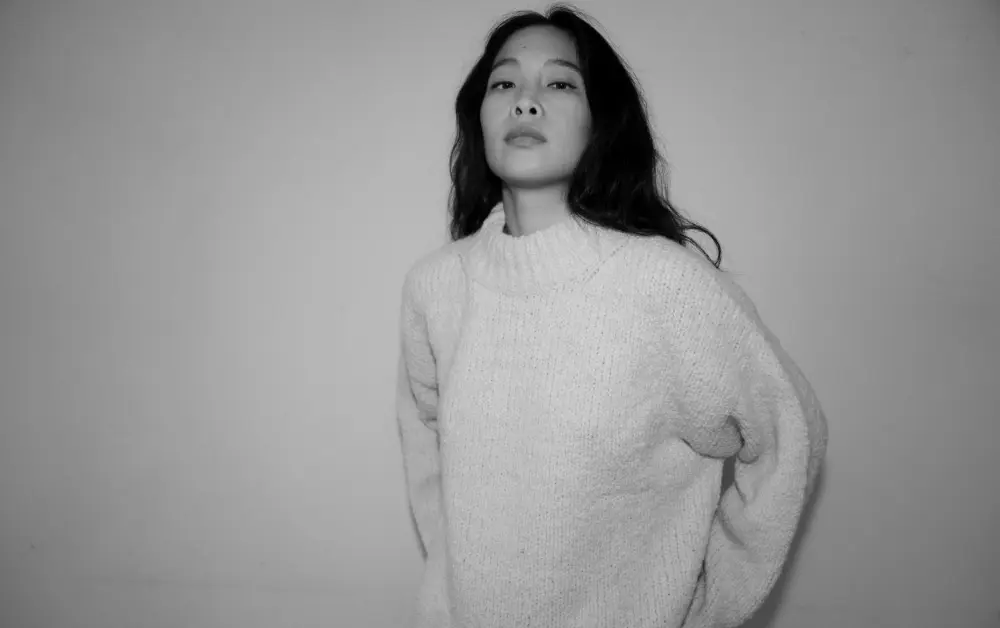
  • Meet Yuna Park: The Korean Model Bridging Borders, Languages, and Creative Fields

    Meet Yuna Park: The Korean Model Bridging Borders, Languages, and Creative Fields

    Key Highlights

    • Yuna Park has been featured in campaigns for some of the world’s biggest brands.
    • Park studied Economics in South Korea.
    • Her background combines academic study in economics with visibility in major brand campaigns.

    Yuna Park Featured in Major Brand Campaigns After Studying Economics

    Yuna Park has been featured in campaigns for some of the world’s biggest brands, establishing her presence in high-profile commercial work. The available information does not identify the individual brands or specify the campaigns.

    Before appearing in major brand campaigns, Park studied Economics in South Korea. Her academic background provides an important part of her profile alongside her work in commercial campaigns.

    Park’s story brings together a formal education in economics and exposure to international brand marketing. While further details about her campaigns and professional history are not provided, her inclusion in campaigns for major global brands is the central focus of the report.

    Why This Matters

    Yuna Park’s background highlights the range of paths that can lead to visibility in brand campaigns. Her experience combines Economics studies in South Korea with work connected to some of the world’s biggest brands, although the source provides no additional information about the companies, campaign dates, or next steps.

    Frequently Asked Questions

    Who is Yuna Park?

    Yuna Park is a figure who has been featured in campaigns for some of the world’s biggest brands.

    What did Yuna Park study?

    Yuna Park studied Economics in South Korea.

    Which brands featured Yuna Park?

    The source does not name the brands involved in the campaigns.

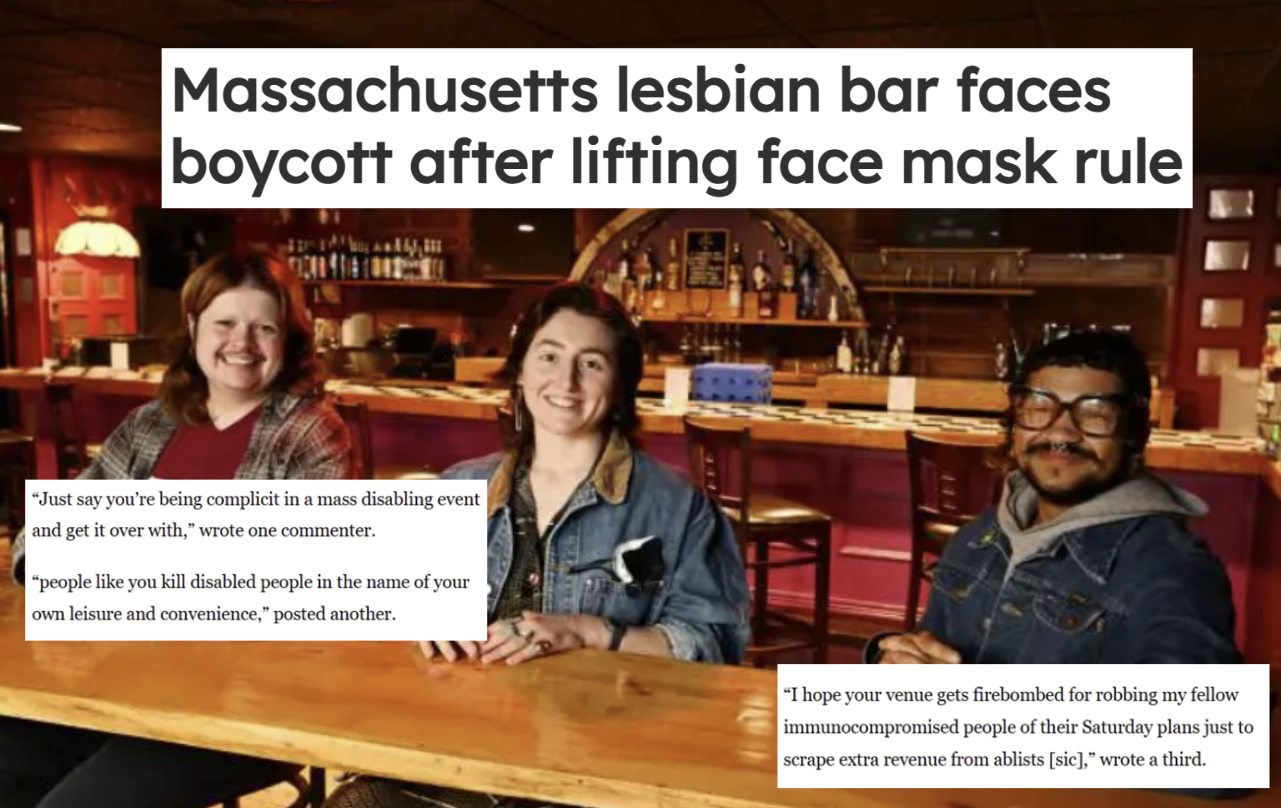
  • Last Ditch Bar’s Mask-Optional Policy Sparks Lesbian Bar Controversy

    Last Ditch Bar’s Mask-Optional Policy Sparks Lesbian Bar Controversy

    Key Highlights

    • Last Ditch Bar and Arts Venue in Greenfield, Massachusetts, switched Saturday nights to mask-optional in 2026 after maintaining a strict KN-95 requirement since opening in 2025.
    • The policy change was driven by financial strain, including a large loan left with the sole remaining owner after co-owners departed.
    • The decision sparked intense community backlash accusing the venue of ableism and prioritizing revenue over immunocompromised patrons, later amplified by a Boston Globe Magazine feature.

    Greenfield Queer Venue Reverses Mask Mandate Amid Financial Pressure

    The Last Ditch Bar and Arts Venue, a lesbian and queer bar that opened in Greenfield, Massachusetts in 2025, built its early reputation on a rigorous accessibility protocol: all patrons were required to wear KN-95 masks at all times except when actively eating or drinking. The policy was explicitly designed to protect immunocompromised and disabled members of the community. In 2026, however, the venue announced that Saturday nights would become mask-optional, a shift that immediately fractured the very community the bar sought to serve.

    Financial Strain Forces Operational Pivot

    According to public accounts surrounding the controversy, the reversal was not motivated by a change in public health guidance but by acute financial distress. The business was reportedly carrying a sizable loan that fell entirely on the remaining owner after co-owners stepped back from the operation. While Greenfield had reportedly gone months without reported COVID-19 cases at the time, the economic reality forced a choice between maintaining the strict mitigation standard and keeping the doors open. The ownership framed the Saturday night adjustment as a necessary survival measure.

    Community Backlash Centers on Disability Justice

    The response from a significant portion of the local queer community was swift and severe. Critics argued that lifting the mandate—even for a single night—constituted ableism and amounted to eugenics by rendering the space unsafe for high-risk patrons. Accusations flew that the venue was prioritizing business viability over the lives of disabled community members, violating the foundational promise of accessibility that defined the bar’s identity. The discourse quickly migrated from local circles to broader social media platforms, where the conversation splintered into boycott calls, theoretical debates on disability justice, and, conversely, mockery of the backlash and scrutiny of the owners’ internal dynamics.

    National Spotlight via Boston Globe Magazine

    The controversy escaped the bounds of regional social media on September 22, 2026, when journalist Annalisa Quinn published a reported feature in the Boston Globe Magazine. The article brought national attention to the tensions between small-business survival and the non-negotiable safety requirements of marginalized subcommunities. Quinn’s reporting contextualized the Last Ditch Bar not merely as a business making a policy tweak, but as a flashpoint for the ongoing, unresolved negotiation over what “community safety” entails in a post-emergency pandemic landscape.

    Why This Matters

    The Last Ditch Bar controversy encapsulates a recurring crisis for identity-based venues: the collision between the high fixed costs of hospitality and the non-negotiable access needs of the populations they claim to center. As pandemic-era government support evaporated, spaces that marketed themselves on radical accessibility found themselves financially unable to sustain the infrastructure—air filtration, mask enforcement, reduced capacity—that such accessibility requires. The Greenfield case study illustrates how quickly community trust, built on safety protocols, can dissolve when economic reality forces a retreat, and how media coverage can transform a local operational decision into a referendum on disability justice movement politics.

    Frequently Asked Questions

    What was the original mask policy at Last Ditch Bar?
    The venue required all patrons to wear KN-95 masks at all times except when actively eating or drinking, a rule in place since its 2025 opening to ensure access for immunocompromised and disabled community members.
    Why did the bar make Saturday nights mask-optional?
    The decision was attributed to severe financial difficulties, specifically a large loan that became the sole responsibility of the remaining owner after co-owners stepped away from the business.
    How did the broader public become aware of the controversy?
    The dispute gained national attention after journalist Annalisa Quinn published a feature article in the Boston Globe Magazine on September 22, 2026, examining the conflict between business survival and disability access.