Author: Maya Brooks

  • Viral Song Turns Fan-Made Mario Characters ‘Wawario’ and ‘Wawaluigi’ Into Memes

    Viral Song Turns Fan-Made Mario Characters ‘Wawario’ and ‘Wawaluigi’ Into Memes

    Key Highlights

    • Fan characters Wawario and Wawaluigi serve as rivals to Nintendo’s Wario and Waluigi, creating a meta-rivalry chain extending from Mario and Luigi
    • Wawario originated in a June 2015 YouTube animation with a popular redesign emerging in September 2021, while Wawaluigi’s definitive design debuted on DeviantArt in May 2017
    • Both characters experienced a major viral resurgence across X and TikTok during late August through September 2026, generating widespread memes and fan art

    The Meta-Rivalry: How Fan Creations Extended the Mario Universe’s Antagonist Lineage

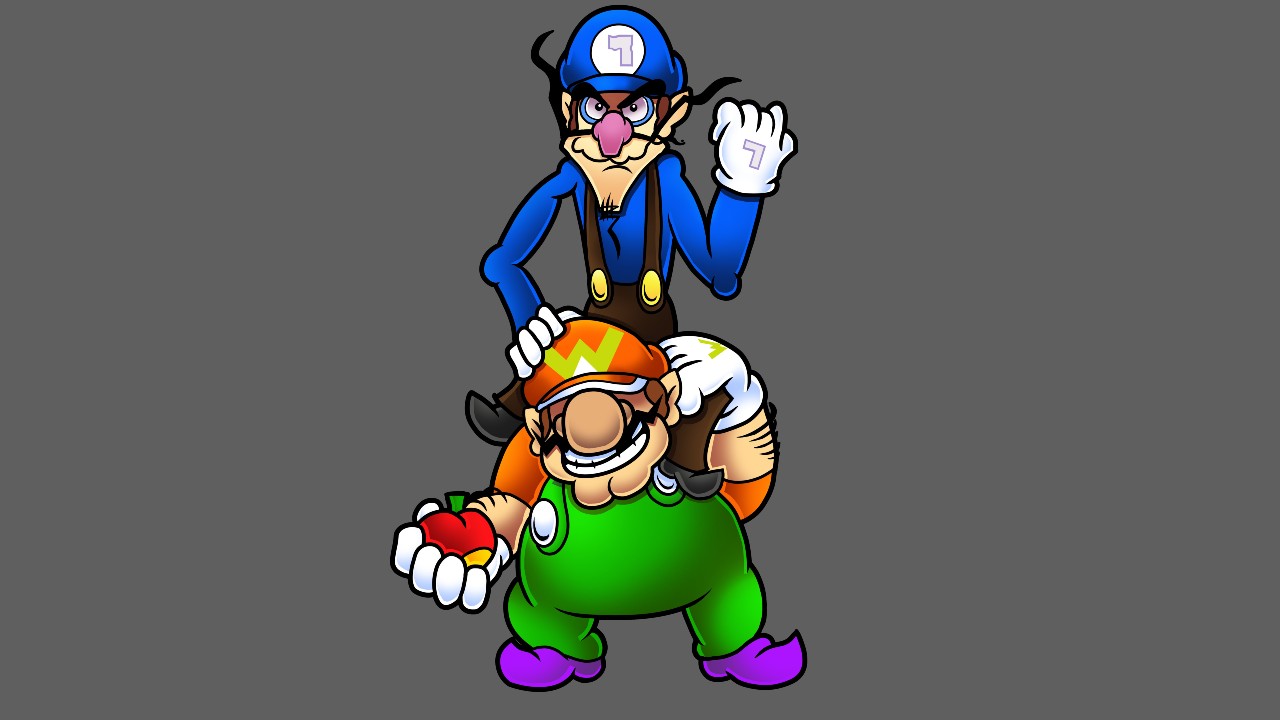
    The Nintendo fandom has long been fertile ground for creative reinterpretation, but few fan-made concepts have constructed such a deliberate hierarchical structure as Wawario and Wawaluigi. These characters represent a second order of rivalry: Wario and Waluigi were originally conceived as greedy, antagonistic counterparts to Mario and Luigi respectively. Wawario and Wawaluigi then position themselves as rivals to those rivals, creating a recursive narrative layer that speaks to the community’s appetite for expanding the Mushroom Kingdom’s rogues’ gallery beyond official canon.

    Visual Design and Character Conception

    Wawario is depicted as a large, imposing figure bearing strong resemblance to Wario but distinguished by several unsettling features: he possesses no eyes, a missing tooth, and wears an orange hat and shirt paired with green overalls—a color inversion that visually signals his oppositional role. Wawaluigi, by contrast, takes Waluigi’s already lanky frame and distorts it further into what descriptors call a “grotesque, ratty version,” clad in a blue shirt and black overalls. These design choices amplify the exaggerated physical traits that define the Wario Bros., pushing them into uncanny territory that resonates with internet horror aesthetics and “creepypasta” adjacent communities.

    Timeline of Emergence and Digital Archaeology

    The historical record places Wawario’s first documented appearance in a YouTube animation dated June 2015, though this early iteration differs from the design that would later cement his popularity. That more recognizable version surfaced online as early as September 2021, suggesting a multi-year gestation period before the character found its definitive form. Wawaluigi’s trajectory is more precisely attributed: the character’s most popular design was uploaded to DeviantArt by user savagewaluigi2000 in May 2017. This attribution provides a rare clear origin point for a fan creation that would later detach from its creator and enter the broader meme ecosystem.

    Viral Resurgence and Platform Dynamics

    After years of circulating in niche corners of Nintendo fandom, both characters experienced a synchronized explosion in visibility during late August through September 2026. The surge manifested primarily on X (formerly Twitter) and TikTok, where the characters became subjects of memes, fan art, animations, and comparative analyses. This timeline suggests algorithmic amplification or a catalyst event—potentially a high-profile creator’s video or a trending hashtag challenge—reintroduced the concepts to a new generation of users unfamiliar with their mid-2010s origins. The platform specificity is notable: TikTok’s short-form video format favors the visual absurdity of the character designs, while X’s quote-tweet and thread culture facilitates the lore-building and “iceberg” style content that deepens engagement with obscure gaming mythology.

    Why This Matters

    The Wawario and Wawaluigi phenomenon illustrates how gaming communities construct layered mythologies around intellectual properties they don’t own. These characters exist in a liminal space: they are derivative works that reference official Nintendo characters (Wario, Waluigi) who are themselves derivative inversions of Mario and Luigi. This recursive creativity demonstrates the depth of fan engagement—participants aren’t merely consuming content but actively extending narrative logic in ways that feel internally consistent to the franchise’s established grammar. The 2026 viral wave also highlights how older internet artifacts can resurface years later through platform algorithm shifts, finding new audiences on platforms that didn’t exist or weren’t dominant at the time of their creation. For researchers of digital folklore and meme evolution, the documented timeline—from a 2015 YouTube video and 2017 DeviantArt post to a 2026 cross-platform trend—offers a clean case study in the lifecycle of fan-generated gaming mythology.

    Frequently Asked Questions

    Are Wawario and Wawaluigi official Nintendo characters?

    No. Both characters are entirely fan-created and have no affiliation with Nintendo. They originated from internet communities—Wawario from a 2015 YouTube animation and Wawaluigi from a 2017 DeviantArt post by user savagewaluigi2000.

    What is the relationship between Wawario/Wawaluigi and Wario/Waluigi?

    Wawario and Wawaluigi are conceptualized as rivals to Wario and Waluigi respectively. Since Wario and Waluigi are themselves rivals to Mario and Luigi, this creates a “rival to the rival” dynamic that extends the antagonist hierarchy by one additional layer.

    Why did these characters go viral in 2026?

    The characters experienced a surge in popularity across X and TikTok during late August through September 2026. While the specific catalyst isn’t documented in the source, the resurgence likely resulted from algorithmic rediscovery on platforms that favor visual absurdity and lore-driven content, introducing the decade-old fan designs to new audiences.


  • Woman Returns Early From Work Trip, Finds Sister and Boyfriend Living in Her Apartment, Orders Them Out at 11 PM

    Woman Returns Early From Work Trip, Finds Sister and Boyfriend Living in Her Apartment, Orders Them Out at 11 PM

    Key Highlights

    • A 29-year-old woman discovered her 24-year-old sister and her boyfriend had been secretly staying in her apartment on weekends while she traveled for work, using a keypad code intended only for plant care and mail collection.
    • Upon returning home early at 11 p.m., the poster found the couple sleeping in her bed, wearing her clothing, and using her belongings, prompting her to demand they leave immediately despite the late hour.
    • Reddit commenters overwhelmingly supported the poster, characterizing the sister’s behavior as an entitled violation of boundaries and rejecting the sister’s subsequent claim of humiliation.

    Sister Exploits Keypad Access for Unauthorized Weekend Stays

    The conflict originated from a seemingly routine arrangement. The original poster, a 29-year-old professional who travels approximately two weeks per month for work, provided her 24-year-old sister with the keypad code to her apartment strictly to water my plants and grab my mail during her absences. The sister, who still resides with their parents, and her boyfriend, who lives with three roommates, apparently interpreted this access as an open invitation.

    The situation escalated when a neighbor observed the sister and a man carrying bags up on a Saturday. When confronted, the sister claimed she’d just brought her boyfriend along to water the plants. The poster reiterated that the code was solely for plants and mail, to which her sister replied obviously, a reaction the poster described as making her feel like I was being weird for even asking.

    Early Return Reveals Extent of Boundary Violation

    The deception unraveled when the poster’s meetings concluded a day early, prompting her to fly home Thursday night instead of Friday. She arrived around 11 p.m. to discover the television on, her sister’s boyfriend stretched out on the couch, and her sister in the kitchen wearing one of the poster’s hoodies. Their bags were in the poster’s bedroom, and it was evident the couple had been sleeping in her bed.

    According to the post, the sister exclaimed, You weren’t supposed to be back until tomorrow, before admitting the couple had been staying at the apartment most weekends the poster was traveling. The poster, who had been traveling since 6 a.m., ordered them to leave immediately. When the sister asked if they could stay until morning, the poster refused, citing her need for her own bed with clean sheets. The couple departed by 11:30 p.m. for a 45-minute drive to the boyfriend’s residence, and the poster changed the keypad code the following morning.

    Fallout and Community Judgment on r/AITApod

    The following day, the sister texted the poster, accusing her of humiliating her in front of her boyfriend and treating her like some stranger who broke in. The sister has not responded to the poster’s messages since. The post, shared on r/AITApod, garnered over 6,600 upvotes and 1,100 comments at the time of reporting, with the vast majority of commenters siding with the poster.

    One commenter argued the sister brought the embarrassment on herself, writing, She took advantage of you and knew she was in the wrong. She humiliated herself in front of her boyfriend. Another rejected the premise that the poster caused the humiliation, stating, OP didn’t humiliate anybody. Getting caught doing something shady is not the same as being humiliated. honestly the audacity to be mad after getting caught sleeping in someone else’s bed is insane. A third commenter invoked a literary comparison to describe the sister’s sense of entitlement, writing, Especially since you know that they for sure did more than sleep in that bed. And she was wearing her sister’s hoodie! She’s a modern day Goldilocks, and everything of her sisters is ‘just right!’

    Why This Matters

    This incident highlights recurring tensions around boundaries, consent, and the exploitation of familial trust in shared living arrangements. The sister’s decision to convert a specific, limited authorization—plant care and mail retrieval—into unrestricted personal lodging for herself and her partner exemplifies a pattern of boundary erosion that often goes unchecked until a confrontation forces clarity. The Reddit community’s near-unanimous verdict reflects a broader cultural consensus that access granted for a defined purpose does not imply permission for personal use, particularly when it involves occupying someone’s private sleeping space and wearing their clothing without consent. The sister’s subsequent claim of humiliation, rather than accountability, underscores a dynamic where the violator reframes the enforcement of boundaries as the offense. For the poster, the immediate consequences include a changed lock code and a fractured sibling relationship; the longer-term implication is the necessity of explicit, enforceable boundaries with family members who may conflate access with entitlement.

    Frequently Asked Questions

    What was the original agreement between the poster and her sister regarding apartment access?
    The poster gave her sister the keypad code strictly to water my plants and grab my mail while she traveled for work approximately two weeks per month.
    How did the poster discover her sister and boyfriend were staying in the apartment?
    The poster returned home a day early at 11 p.m. and found the boyfriend stretched out on the couch, her sister wearing the poster’s hoodie in the kitchen, and their bags in her bedroom, with clear evidence they had been sleeping in her bed.
    How did Reddit commenters react to the sister’s claim of humiliation?
    Commenters overwhelmingly rejected the sister’s accusation, with one stating OP didn’t humiliate anybody. Getting caught doing something shady is not the same as being humiliated, and another noting the sister humiliated herself in front of her boyfriend.
  • HR Errors in Firing Notices: Workers Share Stories of Wrong Dates, Names, Pronouns

    HR Errors in Firing Notices: Workers Share Stories of Wrong Dates, Names, Pronouns

    Key Highlights

    • A viral Reddit thread on r/AskReddit gathered over 2,000 upvotes and 578 comments from users sharing termination meeting experiences involving alleged HR errors.
    • Commenters described mismatched dates on termination notices, performance improvement plans copied from other employees with unchanged names and pronouns, and disputed military discharge paperwork.
    • An HR professional commented that including employee disagreement boxes on termination documents protects companies legally while documenting message delivery.

    Reddit Users Detail Termination Meetings Marred by Administrative Errors

    A thread on the subreddit r/AskReddit asking people who had been fired to share what human resources told them during termination meetings drew significant engagement, amassing over 2,000 upvotes and 578 comments as of publication. The responses paint a picture of termination processes that commenters allege were riddled with factual inaccuracies, reused documentation, and procedural irregularities.

    Mismatched Dates and Altered Records

    One commenter, u/enami2020, reported that HR cited a serious mistake on their watch as grounds for termination. The commenter stated the cited incident never occurred and that HR had altered dates to support the claim. According to the poster, the termination notice itself contradicted HR’s account.

    “The termination notice was two pages. Both pages had different dates of service,”

    they wrote, adding that HR had edited one page but forgot to update the second. The commenter said the mismatch left them feeling relieved rather than upset about losing the job, writing that coworkers “couldn’t even be bothered to keep a very short and simple series of lies straight.”

    Performance Plan Reused With Another Employee’s Details

    Another commenter described a colleague’s performance improvement plan (PIP) that appeared to reuse a document written for a different employee. The plan referred to their coworker, a man named Michael, using the name Natalie and she/her pronouns in multiple places. The commenter said the company had placed a woman named Natalie on a PIP months earlier; she had since left for a higher-paying job.

    “clearly took [sic] Natalie’s PIP and replaced a few of the instances of her name with Michael, didn’t even bother to do it completely.”

    The commenter added that some performance issues listed in the document referred to a vehicle project Michael had not worked on, noting the pair worked for an automaker. According to the account, Michael pushed back with HR, threatened to sue, and eventually left for a better-paying job elsewhere.

    Ontario Employment Law and Military Discharge Disputes

    A separate reply focused on Ontario employment law rather than a personal story. The commenter explained that employers in Ontario can dismiss workers without cause as long as they pay severance or termination pay, adding that the timing of a rehire could matter legally.

    “If they tell you they’re eliminating your role and then post the same job for cheaper… you can likely sue for improved severance,”

    they wrote.

    A commenter identifying as a Navy veteran described a dispute over a broken foot. They said urgent care staff initially told them they were malingering because they weren’t reacting dramatically enough to the injury. The poster said they were later diagnosed with double pneumonia and migraines while the Navy overlooked the foot injury. The discharge paperwork claimed their foot was “already broken” before enlistment, despite having passed medical inspections beforehand.

    “It took 3 years of fighting with the help of a VA advocate before they finally admitted it was their fault,”

    they wrote.

    HR Professional Describes Documentation Practice

    A commenter identifying as a head of HR described their own approach to termination paperwork. They said their documents include a box for employees to note disagreement along with space for written comments. The commenter said the practice protected the company legally while giving employees an opportunity to respond.

    “90% of the time you don’t have to have them agree, you just have to prove you delivered the message,”

    they wrote.

    Why This Matters

    The Reddit thread highlights recurring concerns about administrative rigor in employment termination processes. Allegations of mismatched dates on official notices, recycled performance improvement plans containing another employee’s name and pronouns, and disputed military discharge characterizations suggest systemic documentation failures that can expose organizations to legal liability and reputational damage. The Ontario employment law comment underscores jurisdictional nuances workers may leverage when roles are ostensibly eliminated but reposted at lower compensation. The HR professional’s commentary reflects a risk-management perspective: documenting message delivery and employee acknowledgment—or explicit disagreement—serves as a legal safeguard. The Daily Dot was unable to independently verify the employment disputes, termination details, or legal outcomes described in the Reddit comments; the accounts reflect user-submitted narratives on r/AskReddit.

    Frequently Asked Questions

    What were the most common issues Reddit users reported in termination meetings?
    Users reported mismatched dates on termination notices, performance improvement plans copied from other employees without updating names or pronouns, and discharge paperwork contradicting prior medical clearances.
    Can an employer in Ontario fire someone without cause?
    According to a commenter citing Ontario employment law, employers can dismiss workers without cause provided they pay severance or termination pay; rehiring for the same role at lower pay may enable a claim for improved severance.
    How does including a disagreement box on termination paperwork help employers?
    An HR professional stated that providing space for employee disagreement or comments documents that the message was delivered, which legally protects the company even if the employee refuses to agree with the termination rationale.
  • Woman Says ‘Hell No’ to Mall Kiosk Tip Request; Cashier Replies ‘I Just Asked’

    Woman Says ‘Hell No’ to Mall Kiosk Tip Request; Cashier Replies ‘I Just Asked’

    Key Highlights

    • A TikTok video capturing a woman’s blunt refusal to tip at a mall retail counter has amassed over 3 million views, igniting widespread debate about tipping expectations in non-service settings.
    • The exchange, recorded by user @lovee.leahh_, shows the customer responding “Hell no!” when asked twice if she wanted to leave a tip, prompting the cashier to reply, “Ok! I just asked.”
    • Commenters overwhelmingly supported the shopper, with many arguing tipping should be reserved for traditional service roles like restaurant servers and stylists, not retail transactions.

    Viral Mall Encounter Sparks Renewed Tipping Culture Debate

    A routine checkout at a mall retail shop has become the latest flashpoint in America’s ongoing conversation about tipping fatigue. In a video posted by TikTok creator Leah Danzy under the handle @lovee.leahh_, a woman identified only as a shopper is heard declining a tip prompt with striking candor. The clip, which had garnered 3 million views and 3,244 comments at the time of publication, captures a moment that resonated deeply with viewers frustrated by the proliferation of tip requests across consumer transactions.

    The Exchange at the Counter

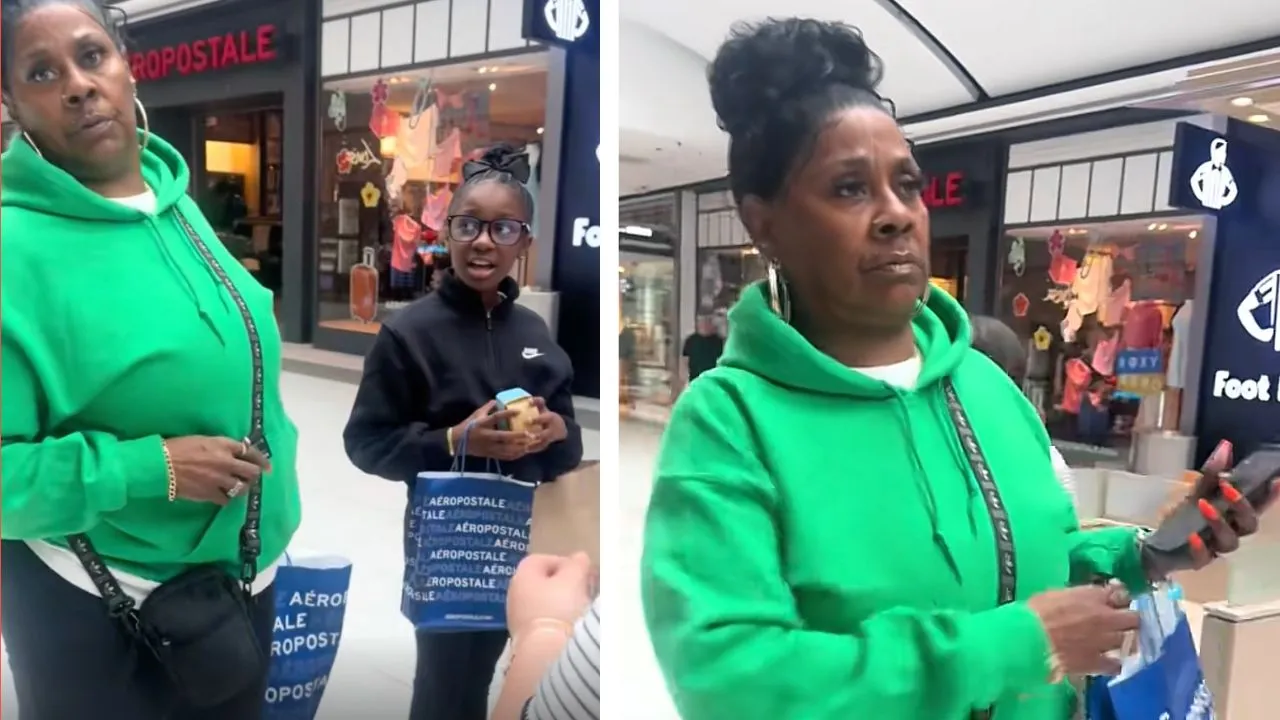
    The video opens with the woman standing at a payment counter, preparing to pay for her purchases. The shop employee can be heard asking twice, “Do you want to tip?” The customer responds immediately and emphatically: “Hell no!” followed by “No tip.”

    The cashier replies, “Ok! I just asked.” Unfazed, the woman counters, “I know, and I just told you,” and begins to walk away. A young girl accompanying her—identified in the caption as Ariel—watches the interaction with her mouth open in apparent surprise. As she exits, the shopper tells the employee, “Thank you! Have a good day.” She then turns toward the camera and remarks, ‘They are talking about f—— tip,’ before the video ends.

    The caption reads: “I still can’t get over this. Ariel was so embarrassed.”

    Comment Section Reflects Broad Frustration

    The response in the comments section was swift and largely sympathetic to the shopper. One user wrote, “I’m done with tips. Only at restaurants, and that’s all.” Another asked, “Everyone getting tips! Can I get one at my corporate job? Damn.” A third commenter questioned the context: “What did she purchase? I feel like tips are for restaurant servers and stylists.” A fourth summed up the prevailing sentiment: “She’s not wrong she just spent her money to purchase an item what does she need a tip for ?”

    The discourse mirrors a growing national sentiment that tipping prompts have overreached beyond traditional hospitality roles into retail, counter-service, and even self-checkout scenarios.

    Context: A Pattern of Tipping Controversies

    This incident follows a prior Daily Dot report on TikTok creator @gemma.moro, a waitress who shared a video detailing a table of eight that allegedly left a $10 tip on a bill exceeding $300. That video accumulated over 780,000 views and 6,100 comments. In her car after the shift, @gemma.moro expressed frustration that the large party occupied her section for hours, preventing her from serving other tables that might have tipped more generously. She stated she would have been less bothered by the low amount if the table had been easier to serve. Her video included the pointed caption: “Don’t go out to eat if you can’t afford to tip sorry ??”

    The Daily Dot was unable to independently verify the total bill amount, the tip left, or the identities of the family described in the @gemma.moro video. The details reflect the accounts shared by @lovee.leahh_ and @gemma.moro on TikTok.

    Why This Matters

    The viral spread of the mall encounter underscores a critical inflection point in U.S. tipping culture. As point-of-sale systems increasingly default to tip prompts—often with preset percentages of 15%, 20%, or 25%—consumers are confronting gratuity requests in contexts where no table service, personal care, or customized labor occurs. Retail workers, unlike tipped restaurant servers, typically earn at least the standard minimum wage, raising questions about whether tip screens serve as a subtle wage subsidy shift from employers to customers. The backlash captured in the comments suggests a growing consumer pushback against what many perceive as “tip creep,” with potential implications for how businesses configure payment terminals and how policymakers might address wage transparency in service-adjacent roles.

    Frequently Asked Questions

    Who posted the viral video of the woman refusing to tip at the mall?
    The video was posted by TikTok user @lovee.leahh_ (Leah Danzy).
    What exactly did the woman say when asked if she wanted to tip?
    She responded, “Hell no!” followed by “No tip.”
    How did the cashier react to the refusal?
    The cashier replied, “Ok! I just asked.”
  • Delivery Driver Refuses to Test Stranger’s Dog Obedience, Sparking TikTok Debate

    Delivery Driver Refuses to Test Stranger’s Dog Obedience, Sparking TikTok Debate

    Key Highlights

    • Amazon delivery driver Ladii Lanna (@ladiilanna) refused to test a customer’s claim that their dog “Max” would obey voice commands shouted through a window, citing safety concerns.
    • The viral TikTok, posted September 7, amassed over 52,000 likes and sparked debate among viewers and fellow delivery workers about safety protocols with unrestrained pets.
    • The Daily Dot could not independently verify the events, which remain based solely on the driver’s social media account.

    Delivery Driver Declines to Test Stranger’s Dog Commands, Sparking Safety Debate

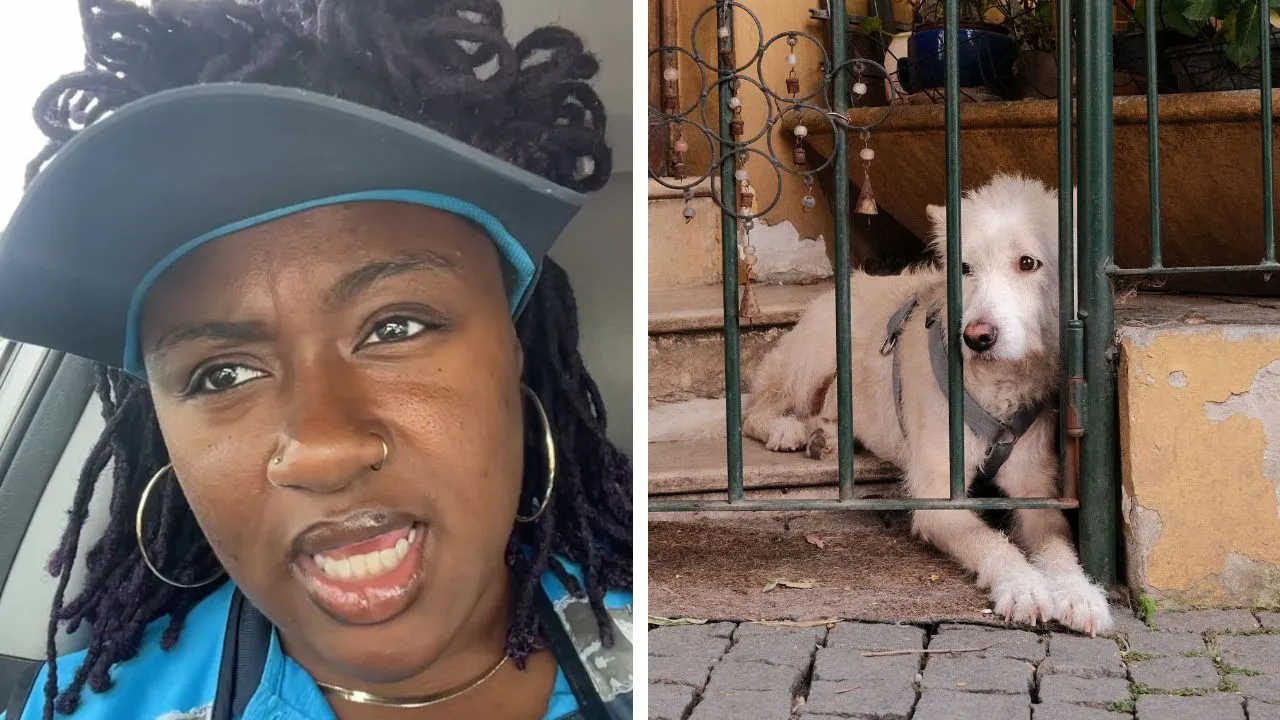
    A routine package delivery took an unusual turn on September 7 when Amazon driver Ladii Lanna, who posts under the handle @ladiilanna, arrived at a customer’s home and encountered an unrestrained dog. According to Lanna’s TikTok recounting, she called ahead to request the dog be secured inside. The customer’s husband answered and stated the couple was not home. Rather than arrange for someone to contain the animal, he suggested an alternative: Lanna should shout through the window, “Max, go in your kennel,” assuring her the dog would comply and not disturb her.

    Customer Insists Dog Will Obey Verbal Commands From Stranger

    Lanna said she was taken aback by the suggestion. The wife then took the phone and repeated the same instructions, telling the driver to ask Max to “go lay down” and insisting the dog would obey. Lanna recalled responding, “Okay, yeah,” before ending the call. She subsequently left a note stating the packages could not be delivered due to an unsafe dog situation and departed the property. “Don’t play with me,” she said in the video, expressing disbelief at the expectation.

    TikTok Community Divided on Driver’s Decision

    The video, captioned “Customers say the wildest stuff ever! I can’t make it up.”, quickly gained traction, surpassing 52,000 likes as of publication. Commenters were split on the driver’s refusal. Some admitted curiosity about whether the command would work but acknowledged they would not risk proximity: “I would’ve tried it. But I would’ve still driven off.” Others emphasized personal safety, with one user writing, “Protect yourself. Don’t test that theory.” Several joked that Max might only respond to his owners, not a stranger.

    Delivery Workers and Pet Owners Share Similar Experiences

    The discussion expanded as other delivery personnel and pet owners chimed in with their own stories. Multiple commenters reported being bitten or frightened by dogs during deliveries, while others described customers asking them to approach pets. Very few viewers indicated they would have tested the command from a safe distance, such as from inside their vehicle. The consensus among professional drivers leaned toward prioritizing safety over experimentation.

    Why This Matters

    The incident highlights an ongoing tension in the gig economy and last-mile delivery sector: the responsibility for pet containment often falls ambiguously between customers and drivers. While carriers like Amazon, UPS, and FedEx have policies allowing drivers to skip deliveries when animals pose a threat, enforcement relies on real-time judgment. Viral moments like this amplify awareness of the risks delivery workers face daily—from dog bites to unpredictable animal behavior—and underscore the need for clearer customer accountability and safer delivery protocols. As e-commerce volume grows, these encounters are likely to increase, making standardized safety practices and customer education more critical.

    Frequently Asked Questions

    Did the delivery driver ever attempt the voice command?
    No. Ladii Lanna explicitly stated she refused to test the command, left a note citing an unsafe dog situation, and did not deliver the packages.
    Has the incident been independently verified?
    The Daily Dot reported it was unable to independently verify the events described in the TikTok video. The account is based solely on the driver’s social media post.
    What are standard delivery policies regarding unrestrained dogs?
    Most major carriers, including Amazon, permit drivers to decline delivery if a dog is not secured and poses a safety risk. Drivers are generally instructed not to interact with animals and to prioritize personal safety.
  • Vacationers Leave Beach Chairs for Lunch, Return to Family Saying ‘Call the Cops if You Don’t Like It’

    Vacationers Leave Beach Chairs for Lunch, Return to Family Saying ‘Call the Cops if You Don’t Like It’

    Key Highlights

    • A Reddit user called police after a family occupied their unattended beach chairs and umbrellas and consumed their beverages during an off-season vacation.
    • The family initially claimed the items were abandoned, then became hostile and dared the owner to call law enforcement, which resulted in citations for the family.
    • The r/AmItheAsshole community debated whether leaving personal property unattended on a public beach constitutes abandonment or if the family’s actions constituted theft.

    Beach Vacation Dispute Escalates to Police Involvement

    A routine beach vacation took an unexpected turn when a Reddit user, identified as u/Snazzle-Frazzle, confronted another family for using their personal beach equipment and consuming their drinks. The incident, shared on the r/AmItheAsshole subreddit, has sparked significant debate about property rights, beach etiquette, and appropriate responses to perceived theft.

    According to the original post, the user was staying at a rental house approximately a five-minute walk from the beach during the off-season. The user described the 10-mile stretch of beach as nearly empty, with “hardly a dozen people” present. The user’s group had established a routine of setting up chairs and umbrellas in the mid-morning and leaving them unattended while going for lunch.

    “We’ve been setting up our chairs and umbrellas in the mid-morning and often leaving them unattended as we go for lunch,” the user wrote.

    Confrontation Leads to Law Enforcement Response

    Upon returning from lunch, the user and friends discovered a family seated in their chairs and drinking sodas from their coolers. The user approached the family directly, while companions remained “dumbfounded” at the scene.

    “They were acting all coy and saying that they thought the chairs were abandoned,” the user wrote. “I told them no, it wasn’t, and to get out. That’s when they dropped the coy routine and got snarly, telling me if we didn’t want it taken, we shouldn’t have left it, and if we don’t like it, we can call the cops. I told them alright, if that’s what they wanted and walked off.”

    Despite friends advising against it, the user contacted police. Approximately 20 minutes later, officers arrived at the beach access point. The situation escalated when the family initially claimed ownership of the equipment, prompting the user to identify their name written on the chair backs.

    “I would have been content with the cop just having them give us our stuff back, but since they lied to the cop, he ended up writing them all tickets,” the user wrote.

    Aftermath and Community Reaction

    The incident has created ongoing tension between the neighboring rental properties. The user reported that the cited family is now “mean-mugging us from the balcony of their house two down from ours,” while the user’s own friends continue to criticize the decision to involve law enforcement.

    “Now they are all mean-mugging us from the balcony of their house two down from ours, and my friends are still saying I shouldn’t have made a scene. I didn’t have any intention of the cop giving them citations. I’m not pressed about the cost of the stuff; for me, it was just the principle of someone stealing something and then actually going ‘finders keepers’ when the owner tries to get it back.”

    The post garnered 941 comments reflecting divided opinions. One commenter supported the user: “They were trying to steal your stuff. You did nothing wrong. Don’t leave your stuff unattended.” Another took a middle position: “Leaving your stuff unattended is stupid, but not inherently wrong.” A third defended the practice entirely: “It’s the beach; how do you not leave your stuff there to go do beach shit? It’s completely normal to leave your chairs and cooler while swimming or grabbing lunch.”

    Why This Matters

    This incident highlights broader questions about property norms on public beaches, particularly during off-peak seasons when enforcement and social monitoring are minimal. The debate touches on the legal distinction between abandoned property and temporarily unattended personal belongings, as well as the appropriate escalation path for disputes over low-value items. The police decision to issue citations rather than simply mediate the return of property suggests the family’s false claims to officers may have elevated the matter from a civil dispute to a criminal one. For beachgoers, the case serves as a reminder that leaving valuables unattended—even on seemingly empty beaches—carries risks, while confronting suspected thieves can lead to unpredictable legal outcomes.

    Frequently Asked Questions

    Was the family legally entitled to use the unattended chairs and umbrellas?

    No. Property left temporarily unattended on a public beach does not constitute abandonment. The original owner retained ownership rights, and the family’s use of the equipment and consumption of the beverages without permission constituted unauthorized use of private property.

    Why did police issue citations instead of just returning the property?

    According to the Reddit user, the family initially lied to the responding officer by claiming the equipment belonged to them. Providing false information to law enforcement can result in citations or charges, which appears to be what occurred in this case.

    Is it common practice to leave beach equipment unattended while going to lunch?

    Opinions vary. Many beachgoers consider it normal to leave chairs, umbrellas, and coolers while swimming or eating, especially during off-season periods with few other visitors. However, doing so carries inherent risks of theft or unauthorized use, as this incident demonstrates.

  • Mother’s One-Sentence Response to Daughter Bullying Classmate Over Shoes and Hair Moves Comment Section to Tears

    Mother’s One-Sentence Response to Daughter Bullying Classmate Over Shoes and Hair Moves Comment Section to Tears

    Key Highlights

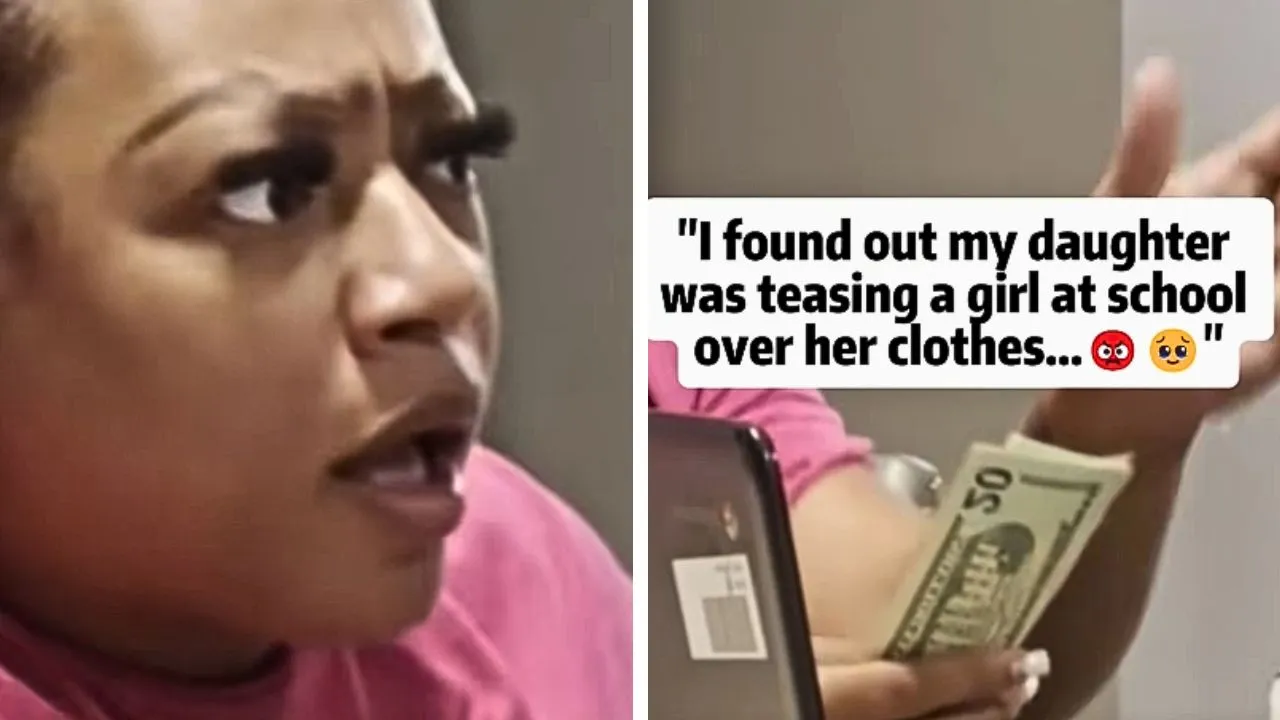
    • TikTok user @xnatsuo shared a video confronting her daughter Dakota after the school reported she bullied a classmate over her shoes and hair, including using a racial slur to describe the girl’s hair texture.
    • The mother responded by taking Dakota’s savings to fund “special treatment” for the bullied student and warned that future incidents would result in giving away Dakota’s possessions.
    • The video’s emotional climax — the mother revealing “I was that little girl that you just bullied” — resonated deeply with viewers, many of whom shared their own childhood bullying experiences in the comments.

    Viral TikTok Captures Mother’s Direct Confrontation With Daughter Over Bullying

    A video posted by TikTok creator @xnatsuo has garnered more than 892,000 likes as of publication, drawing widespread praise for the mother’s measured but firm approach to addressing her daughter’s bullying behavior. The footage shows the parent, identified only by her handle, confronting her daughter Dakota after receiving an email from the school reporting that Dakota had targeted a classmate over her shoes and hair. According to the mother, the bullied student had been left “crying and was uncomfortable and embarrassed” by Dakota’s comments.

    Racial Slur Used During Incident Adds Gravity to Confrontation

    When questioned about the incident, Dakota reportedly used a term widely considered a racial slur to describe the other student’s hair. She said the classmate’s shoes were dirty and that her hair was “nappy.” The mother’s response was immediate and personal. She asked her daughter where she thought she came from and reminded her of the values she had been taught. “What have I told y’all to be?” she asks in the video. “Humble about everything you get,” she says as the daughter is too ashamed to reply.

    Consequences Tied Directly to Empathy and Restitution

    The mother then outlined tangible consequences. She stated she would take Dakota’s savings and spend the money on “special treatment for the girl who had been bullied.” She also made clear that if the school contacted her again about bullying, she would give away her daughter’s possessions. The approach — focusing on restitution and empathy rather than physical punishment or shame — became a focal point of the comment section’s response.

    Mother’s Personal Revelation Strikes Emotional Chord

    In the video’s most affecting moment, the mother tells her daughter, “I was that little girl that you just bullied.” That disclosure reverberated across the platform. One commenter wrote, “My eyes filled with tears when I heard her say, ‘Because I was that little girl you bullied!’” Another shared, “Many of us were that little girl [who] was bullied.” Multiple viewers disclosed that they had been bullied in primary school and that such experiences can stay with people for the rest of their lives.

    Why This Matters

    The video touches on several intersecting conversations in parenting discourse and online culture. First, it illustrates a restorative justice approach to childhood bullying — prioritizing repair of harm over retribution — which child development experts increasingly advocate. Second, the racial dimension of the insult (“nappy”) highlights how bias around hair texture and appearance manifests early and requires explicit parental intervention. Third, the mother’s self-disclosure as a former victim reframes the interaction from authority-versus-child to survivor-to-perpetrator, a dynamic that clearly resonated with the audience. The Daily Dot noted it could not independently verify the events described, including the school’s communication or the identities of those involved, but the video’s impact as a cultural artifact remains significant regardless of verifiability. The child’s name, Dakota, has been used as provided in the video.

    Frequently Asked Questions

    What specific consequences did the mother impose on her daughter?

    The mother said she would take Dakota’s savings and spend the money on “special treatment” for the bullied classmate. She also warned that if the school contacted her again about bullying, she would give away Dakota’s possessions.

    What racial slur did the daughter reportedly use?

    According to the mother’s account in the video, Dakota described the other student’s hair as “nappy” — a term widely considered a racial slur when used to denigrate natural Black hair texture.

    Has the school or the other family been identified?

    No. The Daily Dot reported it could not independently verify the events described, including the school’s communication or the identities of those involved. The account comes solely from the TikTok video shared by @xnatsuo.

  • Man Lied About 10-Year Age Gap; Girlfriend Discovers Real Difference Is 25 Years

    Man Lied About 10-Year Age Gap; Girlfriend Discovers Real Difference Is 25 Years

    Key Highlights

    • A woman discovered the man she dated for about a month was 25 years older than her, not the 10-year gap he claimed, after verifying his age through public records and LinkedIn.
    • The man admitted he lied about his age to gain “greater access to younger women,” stating most women his actual age would not be interested and that he wants children.
    • Reddit commenters raised concerns about the ethics of age deception in dating, the medical realities of paternal age, and the long-term caregiving burden on younger partners.

    Discovery of a 25-Year Age Gap Shatters Month-Long Relationship

    A Reddit user posting under the handle u/SweetQuality8943 in the subreddit r/GirlDinnerDiaries detailed a disturbing discovery after roughly a month of dating. The poster wrote that the man had described himself as a “90s kid”, a detail that initially supported his claimed age. However, a check of his LinkedIn profile revealed he had finished graduate school before she was born, exposing a 25-year age difference rather than the 10 years he had represented.

    According to the post, the pair had been “talking daily and building a ‘great chemistry’” and he “still looked young” and “took visible care of his body”, factors the poster said made the true age gap less obvious during their time together. The dynamic shifted after their last date when the woman, having already confirmed his real age through public records, confronted him directly.

    Confrontation Reveals Calculated Deception Strategy

    When faced with the evidence, the man admitted to lying. The poster described his reaction as “very deer in the headlights.” She pressed him on how long he would have maintained the deception, writing that “he didn’t have an answer.” His stated motive, as recounted in the post, was blunt: he wanted “greater access to younger women,” reasoning that most women his actual age would not be interested in him, and that he wants children. He reportedly claimed he has only dated women under 30, though he insisted he does not go younger than 23.

    When the poster asked whether he had used the same tactic with other women, he became “cagey and awkward” instead of providing a clear denial. His final response to her distress was a line she said caused her remaining feelings to “just deflate”: “But I’m still me.”

    Community Response Highlights Ethical and Medical Concerns

    The post triggered a wave of comments examining both the emotional manipulation and the factual basis of the man’s stated desire for children. One commenter directly challenged the fertility rationale, writing: “Lying about his age cuz [sic] he wants kids? His 50 year old sperm is NOT quality. Once men hit 40, sperm quality goes down.”

    Another user described the visceral reaction to the story’s severity, stating: “Sometimes I read the title of a post and think, well this isn’t so bad, you may be over-reacting. Then I read a story like this and …….gawt-DAM, you’re not over-reacting!”

    A broader critique of the dating landscape emerged from a commenter who wrote: “You ever online date? The amount of men that lie about their age to try and get younger women is so gross. They often use the excuse they want kids, man that ship sailed. It is also so horrible to manipulate women because you feel entitled to a kid.”

    Long-term implications were also raised. One commenter warned: “Whatever young woman has his kids, will jump from being a mom to being a caretaker for her senior husband.”

    Why This Matters

    This incident underscores persistent safety and authenticity issues in modern dating, particularly on platforms where self-reported information goes unverified. The case illustrates how easily identifiable public records—such as LinkedIn employment history and public records—can contradict curated personas, yet the burden of verification still falls almost entirely on the individual dater. The man’s explicit admission that he lied to bypass age filters for “greater access” reveals a calculated strategy to override the informed consent of potential partners. Furthermore, the discussion highlights a growing awareness of paternal age effects on fertility and offspring health, challenging the common narrative that only maternal age matters in family planning. The commentary on future caregiving dynamics also points to the often-overlooked long-term equity issues in relationships with large age gaps.

    Frequently Asked Questions

    How did the woman discover the man’s real age?

    She verified his age through public records and cross-referenced his LinkedIn profile, which showed he had completed graduate school before she was born, contradicting his claim of being a “90s kid” and roughly 10 years older.

    What reason did the man give for lying about his age?

    He admitted he lied to gain “greater access to younger women,” explaining that most women his actual age would not be interested in him and that he wants to have children.

    Has the story been independently verified?

    No. The Daily Dot, which reported on the Reddit post, stated it could not independently verify the events described, the man’s age or identity, or the medical claims made by commenters regarding sperm quality.

  • Woman Says Hinge Date Seemed Like Perfect Match Until He Stopped Responding: ‘I Gave Him Another Chance’

    Woman Says Hinge Date Seemed Like Perfect Match Until He Stopped Responding: ‘I Gave Him Another Chance’

    Key Highlights

    • TikTok creator Sara DuPasquale (@sara_dipasquale_) shared a viral story about a Hinge date who initially seemed like a perfect long-term match but went radio silent after their first meeting.
    • Despite giving him a second chance, DuPasquale ended communication after he repeatedly failed to respond promptly when trying to plan a second date.
    • The video amassed over 3,300 likes and 420 comments, with viewers speculating the man may have been married, seeing someone else, or exhibiting narcissistic behavior patterns common on dating apps.

    TikTok Creator Shares Frustrating Hinge Experience That Resonated With Thousands

    Content creator Sara DuPasquale, known on TikTok as @sara_dipasquale_, posted a storytime video detailing a disappointing experience with a man she met on the dating app Hinge. The video, captioned “Bad Hinge Date Storytime! I love when a man says he’s looking for a life partner because it really makes for good content and something to laugh about later #dating #hinge #datefail #hingedating #single,” quickly gained traction with 3,319 likes and 420 comments as of publication.

    According to DuPasquale’s account, the initial connection appeared promising. Both parties expressed interest in a long-term partnership, with DuPasquale specifically noting she was “looking to settle down and start a family,” and the man indicated he wanted the same. “She enjoyed talking to him and getting to know him,” the source notes, adding they “had similar interests and wanted the same things.” Their first date went well enough that DuPasquale wanted to see him again.

    Communication Breakdown Leads to Second Chance — Then a Final Straw

    Despite the positive first impression, the dynamic shifted after the date. The man went “radio silent,” and when DuPasquale attempted to reach out via text, she received no response. When she eventually confronted him about the lack of communication, he explained that the week following their date had been busy. DuPasquale acknowledged her week had been equally busy but maintained she still would have found time for a quick text.

    She decided to give him another chance, texting “here and there.” He eventually asked when she was free to meet again, but when she provided her availability, “he went silent again.” The pattern repeated: nearly a week after her original text, he finally replied — but only on the single day she had indicated she was free. That response marked the last chance she was willing to give. “She decided she wasn’t going to try to plan another date.”

    TikTok Community Reacts With Theories and Dating Advice

    The comment section quickly filled with reactions from viewers who related to DuPasquale’s experience. Several commenters offered direct assessments of the man’s interest level.

    “Any man that’s into you isn’t going to wait 3-4 days to contact you,” one person wrote.

    Another added, “I’ve learned through dating, never give a man a second chance. Best advice was: Men don’t play games, if they wanted to, they would.”

    Other commenters speculated about potential hidden circumstances. “He’s married. Also anyone who has a lot of making up to do after the first date is a red flag,” one person wrote.

    Another theorized, “Sounds like he was talking to another girl and double booked. Since he texted so late, it was probably after his date with her and it didn’t go well, so he wanted to reel you back in.”

    A broader critique of dating app culture emerged as well: “Technology and dating apps are the playground for narcissists, married men, men in a relationship and players. I’m so turned off by men proving that they are all cut from the same cloth.”

    Commenters offered varying explanations for the man’s behavior, with several suggesting his inconsistent communication signaled a lack of genuine interest in pursuing a second date.

    Why This Matters: Dating App Dynamics and Viral Accountability

    DuPasquale’s story highlights recurring patterns in modern dating app culture — particularly the discrepancy between stated intentions (seeking a life partner) and actual behavior (inconsistent communication, ghosting-adjacent tactics). The viral response underscores how common these experiences are, with thousands engaging in collective pattern recognition. While The Daily Dot was unable to independently verify the events described in Sara DuPasquale’s TikTok video, the discussion reflects broader conversations about “breadcrumbing,” “benching,” and the emotional toll of ambiguous communication on platforms like Hinge. For singles navigating app-based dating, the discourse serves as a crowdsourced red-flag repository — though it also raises questions about public speculation regarding unverified personal interactions.

    Frequently Asked Questions

    Who is Sara DuPasquale?

    Sara DuPasquale is a TikTok creator who posts under the handle @sara_dipasquale_. She shared a storytime video about a disappointing Hinge date that went viral with over 3,300 likes and 420 comments.

    What happened on the Hinge date?

    DuPasquale met a man on Hinge who said he wanted a long-term partner and family — goals that aligned with hers. Their first date went well, but afterward he stopped responding to texts. After she confronted him, he cited a busy week. She gave him another chance, but he again went silent when trying to plan a second date, only replying nearly a week later on the one day she was available. She then ended contact.

    Has the man’s identity been revealed or his side of the story shared?

    No. The man has not been publicly identified, and his perspective has not been shared. The Daily Dot was unable to independently verify the events described in Sara DuPasquale’s TikTok video, and the article’s details are based solely on DuPasquale’s account and the commenters’ reactions.

  • Woman Reveals Signs a Man Wants to Spend Time With You After 100+ First Dates: ‘If He Wanted To, He Would’

    Woman Reveals Signs a Man Wants to Spend Time With You After 100+ First Dates: ‘If He Wanted To, He Would’

    Key Highlights

    • TikTok creator @invinciblevenus shared dating advice drawn from over 100 first dates, amassing 136,900 likes and 674 comments on her core message: “If he wanted to, he would.”
    • She outlined behavioral signs of genuine interest—including consistent communication, willingness to travel or meet after long hours, introducing a partner to friends and family, and visible nervousness—while warning that talk of marriage without matching action signals a situationship.
    • Viewer reactions were sharply divided: many affirmed the “effort equals interest” framework, while others countered that grand gestures and social integration do not guarantee fidelity or long-term commitment, citing personal experiences of cheating despite apparent investment.

    TikTok Creator Distills 100-Plus First Dates Into a Single Rule: Effort Reveals Intent

    Content creator @invinciblevenus has sparked a wide-ranging conversation on modern dating dynamics after posting a video that synthesizes lessons from what she says are more than 100 first dates. The clip, which has garnered 136,900 likes and 674 comments on TikTok, centers on a blunt thesis: “If he wanted to, he would.” In the video, she argues that a man who consistently fails to respond to texts, initiate plans, or make time is signaling a lack of genuine interest—regardless of what he may say about his feelings or future intentions.

    Actions Over Words: The Core Framework

    The TikToker specifically addressed the disconnect between verbal commitments and behavioral follow-through. She noted that men who talk about marriage but rarely make time to see the person they’re dating may be offering empty promises. In her view, repeated excuses for not meeting up are not scheduling conflicts—they are avoidance tactics. The accompanying on-screen caption reinforced the point: “Does he love me? If you are unsure – he doesn’t actually like you. He needs to do as many on thisnlist as possible. The fewer he does, the more likely it’s a situationship. #datingadvice #doesheloveme”

    Green Flags: Effort, Integration, and Vulnerability

    Beyond the baseline of responsiveness, @invinciblevenus identified several positive indicators. A man who is willing to see you after a long day of work or travel a significant distance just to spend a few minutes together is demonstrating that your time matters to him. She also pointed to shyness or appearing red-faced around a romantic interest as a potential sign of authentic attraction. Perhaps most tellingly, she highlighted social integration: introducing a partner to important people in his life and making her part of his social circle suggests he envisions a future that includes her.

    Comment Section Becomes a Forum for Divergent Dating Philosophies

    The video’s comment section quickly evolved into a microcosm of contemporary dating discourse. Many viewers validated the creator’s framework. One commenter emphasized the extremes of effort: “Heavy on the willing to put in a ridiculous amount of effort in order to be able to see you for an incredibly short amount of time!” Another underscored the importance of public acknowledgment: “They make you a part of their life is key. Not hiding you in their bedroom.” A third reflected on personal history: “Realising every man I’ve dated just didn’t like me.” A fourth argued for simplicity over analysis: “Men are actually so simple, we women make it complicated by analyzing every move. If you have to analyze, he doesn’t like you!!!”

    When Effort Doesn’t Equal Commitment: The Counter-Narrative

    Not all responses were affirming. A significant subset of commenters warned that the behaviors @invinciblevenus described—consistent travel, social introduction, frequent contact—can coexist with deception. One viewer wrote: “They can like you now and dislike you later though.” Another shared a detailed personal account that directly challenged the equation of effort with fidelity: “My ex, for 3years, took a flight every 1/2 months just to see me even if it was just for three days, he introduced me to all of his friends/colleagues but he still managed to cheat on me countless times, he was living parallel lives.” These contributions underscored a critical nuance: performance of interest is not synonymous with integrity or long-term partnership potential.

    Why This Matters: Viral Dating Advice and the Limits of Heuristics

    The traction of @invinciblevenus’s video reflects a broader cultural appetite for clarity in ambiguous romantic terrain. In an era of situationships, breadcrumbing, and delayed commitment, heuristic rules like “if he wanted to, he would” offer a sense of agency and a filter for emotional investment. However, the comment thread reveals the limits of behavioral checklists. Effort—travel, introductions, responsiveness—can be performed strategically or sincerely, and its presence does not immunize a relationship against infidelity, emotional unavailability, or future incompatibility. The discourse also highlights a gendered dynamic: women are frequently tasked with decoding male behavior while navigating social pressures to secure partnership. The Daily Dot was unable to independently verify the dating history or experiences described by @invinciblevenus; the details in this article are based on her account and the reactions and personal experiences shared by viewers in the comments.

    Frequently Asked Questions

    Who is @invinciblevenus and what is her claim to authority?
    @invinciblevenus is a TikTok content creator who says she has been on more than 100 first dates. Her video sharing the resulting dating advice received 136,900 likes and 674 comments. The Daily Dot could not independently verify her dating history.
    What is the central rule she proposes?
    Her core message is: “If he wanted to, he would.” She argues that consistent effort—texting back, making plans, traveling to see you, introducing you to friends—is the reliable indicator of genuine interest, while excuses and inconsistency signal a situationship.
    Do the signs she lists guarantee a healthy or faithful relationship?
    No. Multiple commenters noted that men who exhibit all the “green flags”—frequent travel, social integration, daily contact—can still cheat or maintain parallel lives. Effort indicates interest in the moment, but not necessarily long-term integrity or monogamy.