Author: Maya Brooks

  • ‘Clavicular’ Faces Serious Criminal Charges in Massachusetts

    ‘Clavicular’ Faces Serious Criminal Charges in Massachusetts

    Key Highlights

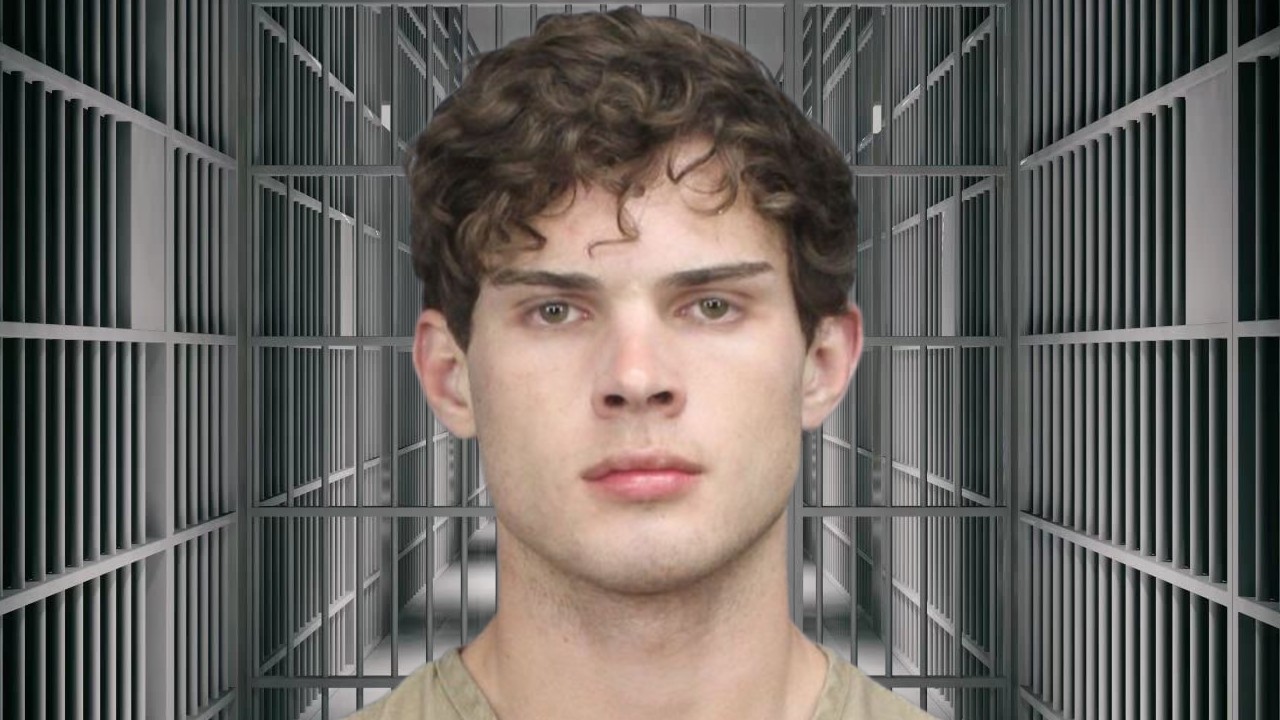
    • Looksmaxxing influencer Clavicular, real name Braden Peters, faces criminal charges in Massachusetts for rape, drugging for sex, and providing alcohol to an underage woman, with the alleged incident occurring in May 2026.
    • The charges were reported by The Bulwark on September 21, 2026; the victim alleges Peters provided vodka, engaged in nonconsensual sex, and injected her with a “non-FDA approved substance” while she was a minor.
    • A spokesperson for Peters denied the allegations to CBS, calling them “bogus”; the case follows Peters’ arrest in Florida approximately six months earlier for shooting a dead alligator.

    Massachusetts Authorities Charge Influencer Braden Peters With Sexual Assault and Drugging

    Massachusetts prosecutors have filed criminal charges against Braden Peters, the online personality known as Clavicular, accusing him of rape, drugging a woman for sexual purposes, and furnishing alcohol to a person under the legal drinking age. The charges, first reported by The Bulwark on September 21, 2026, stem from an alleged encounter that took place in May 2026. According to the victim’s account, she was a minor at the time of the incident.

    Victim Alleges Alcohol, Nonconsensual Sex, and Injection of Unapproved Substance

    The complainant states that Peters supplied her with vodka before engaging in nonconsensual sexual activity. She further alleges that he injected her with what she describes as a “non-FDA approved substance.” The specific nature of the injected material has not been publicly disclosed by authorities. The combination of charges — sexual assault, drug-facilitated sexual assault, and providing alcohol to a minor — reflects the severity of the allegations as characterized in the report.

    Spokesperson Denies Allegations; Prior Florida Arrest Adds Context

    In response to the charges, a spokesperson for Peters contacted CBS and categorically rejected the accusations, stating they were “bogus.” The denial marks the only public comment attributed to Peters’ camp since the story broke. The case arrives roughly six months after Peters was arrested in Florida on a separate, unusual charge: shooting a dead alligator. That earlier incident drew media attention to the influencer, whose online content centers on the “looksmaxxing” subculture — a niche community focused on extreme physical self-improvement, sometimes involving controversial or pseudoscientific methods.

    Why This Matters

    The charges against Braden Peters highlight growing scrutiny of internet micro-celebrities who operate in loosely regulated online subcultures. The “looksmaxxing” community, while not inherently criminal, has faced criticism for promoting unsafe practices, unverified medical interventions, and harmful body-image ideologies. Peters’ prior Florida arrest — for discharging a weapon at a deceased alligator — already signaled a pattern of reckless behavior. Now, with serious felony allegations involving a minor, the case may prompt platforms and audiences to reevaluate the reach and influence granted to creators who cultivate followings through extreme or transgressive content. Legal proceedings in Massachusetts will determine the factual validity of the charges, but the allegations alone underscore the real-world risks when online personas operate without accountability.

    Frequently Asked Questions

    Who is Clavicular?
    Clavicular is the online alias of Braden Peters, an influencer associated with the “looksmaxxing” community, which focuses on drastic physical self-modification and aesthetic optimization.
    What specific charges has Braden Peters been charged with in Massachusetts?
    He faces charges of rape, drugging for sex, and providing alcohol to an underage woman, stemming from an alleged incident in May 2026.
    Has Braden Peters responded to the allegations?
    A spokesperson for Peters told CBS the charges are “bogus,” but Peters himself has not issued a personal public statement as of the reporting date.
  • ‘Clavicular’ Faces Serious Criminal Charges in Massachusetts

    ‘Clavicular’ Faces Serious Criminal Charges in Massachusetts

    Key Highlights

    • Looksmaxxing influencer Clavicular, real name Braden Peters, faces criminal charges in Massachusetts including rape, drugging for sex, and providing alcohol to an underage woman, with the alleged incident occurring in May 2026.
    • The victim alleges Peters injected her with a “non-FDA approved substance” and provided vodka before the nonconsensual sexual assault; she also states she was a minor at the time.
    • A spokesperson for Peters told CBS the charges are “bogus,” while the case follows a prior Florida arrest six months earlier for shooting a dead alligator.

    Criminal Charges Filed Against Influencer Braden Peters

    Massachusetts authorities have filed serious criminal charges against Braden Peters, the social media personality known online as Clavicular, according to a September 21, 2026 report by The Bulwark. The charges include rape, drugging for the purpose of sexual assault, and furnishing alcohol to a person under the legal drinking age. The alleged incident took place in May 2026, roughly four months before the charges were publicly reported.

    Victim Alleges Drugging and Nonconsensual Assault

    The victim, who has not been publicly identified, claims that Peters provided her with vodka and engaged in nonconsensual sex. She further alleges that he injected her with a substance she describes as a “non-FDA approved substance.” The victim also states that she was a minor at the time of the alleged assault, which would compound the severity of the charges related to providing alcohol and potential statutory considerations.

    Defense Response and Prior Legal History

    A spokesperson for Peters pushed back against the allegations in a statement to CBS, characterizing the charges as “bogus.” The case emerges against a backdrop of prior legal trouble for the influencer. Approximately six months before the Massachusetts charges were reported, Peters was arrested in Florida for shooting a dead alligator, an incident that drew public attention to his online persona and behavior.

    Why This Matters

    This case sits at the intersection of influencer accountability and the broader “looksmaxxing” subculture, which promotes extreme physical self-modification and often attracts young, impressionable audiences. The allegations of drugging, underage alcohol provision, and the use of unregulated substances raise significant public health and safety concerns beyond the immediate criminal charges. As the legal process unfolds, the case may prompt platforms and brands to reassess their relationships with creators facing serious felony accusations, while also highlighting the vulnerabilities of minors in online communities centered on appearance optimization.

    Frequently Asked Questions

    What specific charges does Braden Peters face in Massachusetts?

    Peters is charged with rape, drugging for sex, and providing alcohol to an underage woman. The alleged victim also claims she was injected with a “non-FDA approved substance” and was a minor at the time of the incident in May 2026.

    How has Peters responded to the allegations?

    A spokesperson for Peters told CBS that the charges are “bogus,” denying the allegations reported by The Bulwark on September 21, 2026.

    Does Peters have a prior criminal record?

    Yes. Approximately six months before the Massachusetts charges were reported, Peters was arrested in Florida for shooting a dead alligator, according to The Bulwark’s reporting.

  • Loki Season 2 Finale Walk Sparks Viral Edits on Reels, TikTok

    Loki Season 2 Finale Walk Sparks Viral Edits on Reels, TikTok

    Key Highlights

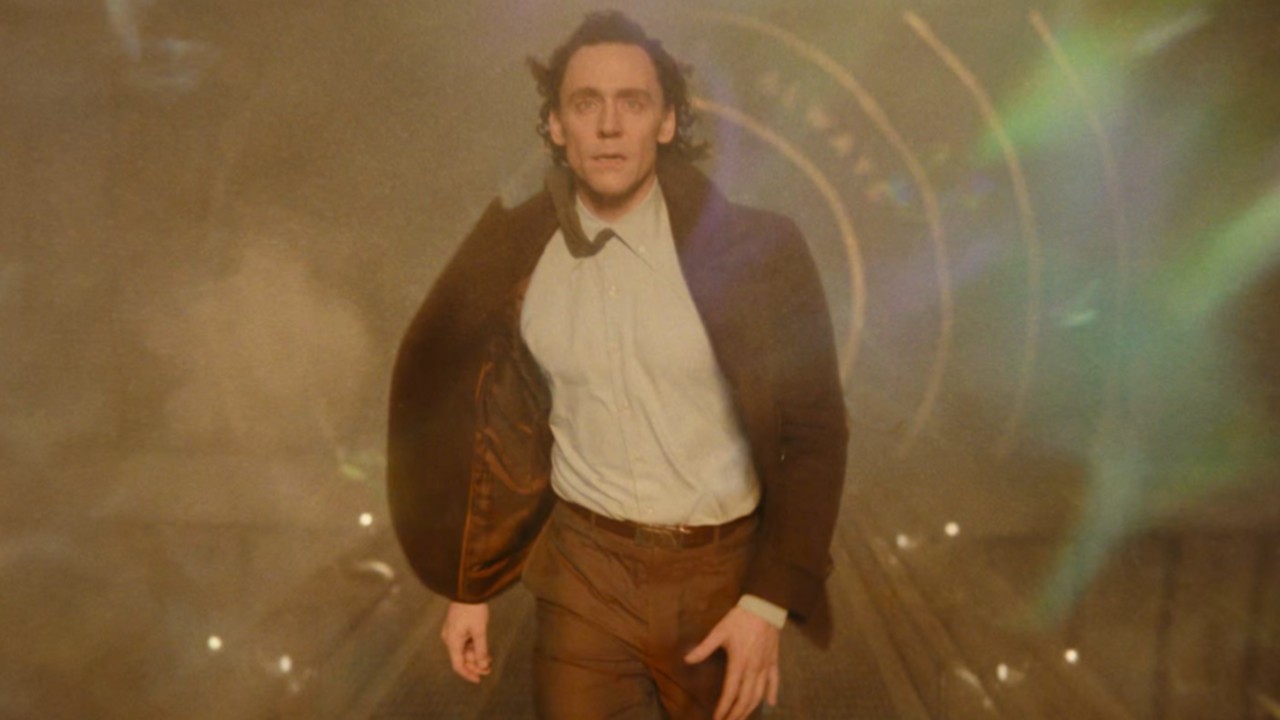
    • The “Loki Walk” meme originates from the season two finale of the Disney+ series Loki, titled “Glorious Purpose,” where Tom Hiddleston’s character walks into the Temporal Loom to destroy it.
    • A TikTok edit by user @grantt250 uploaded in early September 2026 sparked a viral wave of edits and memes recreating the scene.
    • Popular variations feature footage of people walking against strong winds, captioned as attempts to imitate the “Loki walk.”

    The Origin of the ‘Loki Walk’ Meme

    The “Loki Walk” — also referred to as “Loki Temporal Loom Edits” — is a viral internet trend rooted in a pivotal scene from the season two finale of the Marvel Cinematic Universe series Loki. In the episode “Glorious Purpose,” the titular character, portrayed by Tom Hiddleston, makes a sacrificial walk into the Temporal Loom to dismantle the device and reshape the multiverse. The cinematic gravity of the moment, combined with Hiddleston’s deliberate physical performance, provided the visual template for what would become a widely remixed meme format.

    Viral Catalyst on TikTok

    The trend exploded in early September 2026 after TikTok creator @grantt250 posted an edit centered on the Temporal Loom sequence. The upload quickly amassed significant engagement, inspiring a cascade of user-generated content. Editors across the platform began isolating the walk, syncing it with various audio tracks, and layering it with visual effects, transforming a dramatic narrative beat into a versatile meme asset.

    Wind-Resistance Parodies Dominate the Format

    Among the most popular iterations are parody videos showing individuals struggling to walk against powerful gusts of wind. These clips are typically captioned with claims that the subject is attempting to replicate the “Loki walk,” juxtaposing the character’s mythic determination with the mundane, often comedic reality of battling the elements. The format leverages the contrast between high-stakes superhero cinematography and relatable physical comedy, a hallmark of participatory meme culture on short-form video platforms.

    Why This Matters

    The rapid spread of the “Loki Walk” underscores the enduring cultural footprint of the Marvel Cinematic Universe on social media, particularly within the edit and fancam communities on TikTok. It demonstrates how a single frame or sequence from a streaming series can be detached from its narrative context and repurposed as a reusable visual language. For Disney+ and Marvel Studios, such organic, user-driven trends serve as cost-free promotion that sustains franchise relevance between release cycles. For creators, the meme offers a low-barrier entry point into trend participation, fueling algorithmic visibility through recognizable intellectual property.

    Frequently Asked Questions

    What specific scene inspired the “Loki Walk” meme?
    The meme originates from the season two finale of Loki, “Glorious Purpose,” where Tom Hiddleston’s Loki walks into the Temporal Loom to destroy it.
    Who started the viral trend on TikTok?
    The trend was catalyzed by a TikTok edit uploaded in early September 2026 by user @grantt250.
    What are the most common variations of the meme?
    The most popular variations feature people walking against strong wind, with captions joking that they are trying to imitate the “Loki walk.”
  • Woman’s Date Asked What She’d Offer in Return for Dinner Before Ordering — She Paid for Her Appetizer and Went Boot Shopping

    Woman’s Date Asked What She’d Offer in Return for Dinner Before Ordering — She Paid for Her Appetizer and Went Boot Shopping

    Key Highlights

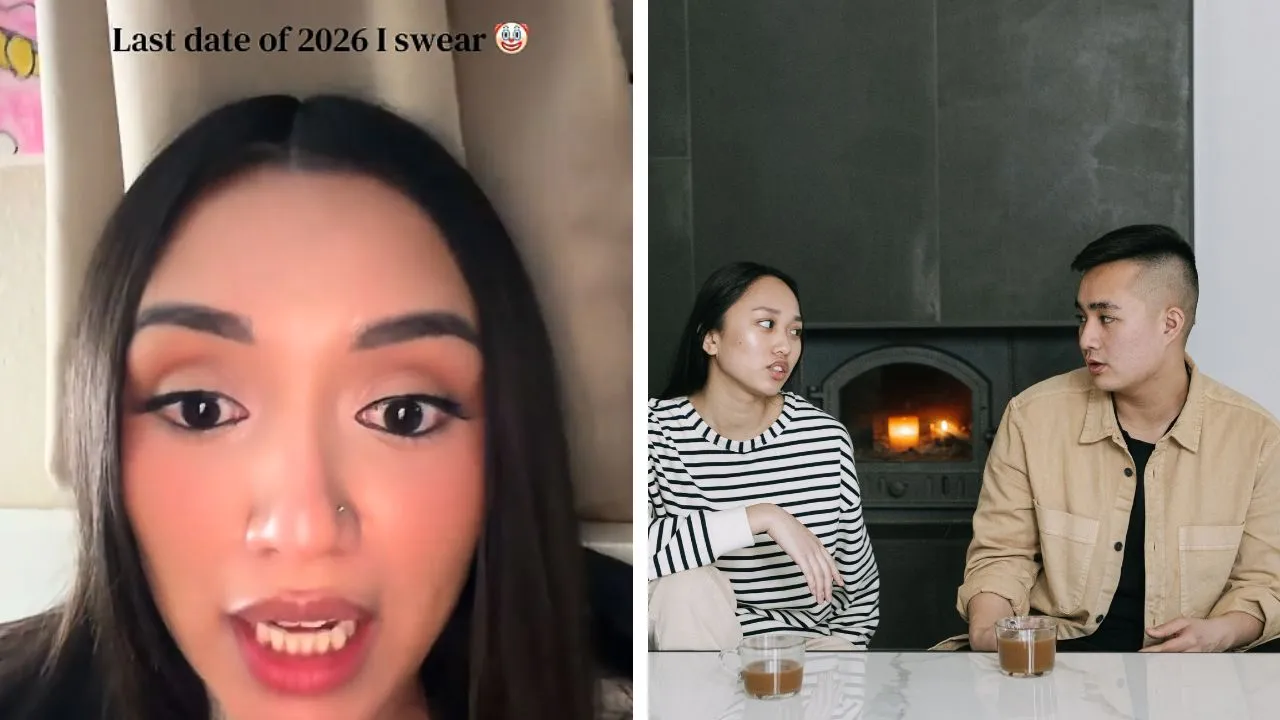
    • TikTok creator @caldo.de.les went viral after sharing a first date where the man asked what she could “offer” him in return for paying the bill — before they had even ordered main courses.
    • The date at Texas Roadhouse featured repeated financial probing, including questions about other diners’ credit scores, her 2023 Toyota Camry, and his claim that he chose the restaurant because it was “in your budget.”
    • She paid for her own appetizer and drink (~$17), left a $40 tip for the waitress, blocked the man, and bought herself boots — declaring she is “done dating” for now.

    TikTok Creator Walks Out on First Date After Man Demands Reciprocity Before Dinner Arrives

    A first date that began with multiple invitations and a trip to Texas Roadhouse unraveled into a viral TikTok story about entitlement, financial scrutiny, and modern dating expectations. The creator, who posts under the handle @caldo.de.les, posted the story on August 22, labeling it her “last date of 2026.” As of publication, the video had amassed more than 24,000 likes and ignited a wide-ranging debate in the comments about who should pay, what constitutes a red flag, and whether walking out mid-date is justified.

    Escalating Discomfort Over Finances and Status

    According to the creator, the man had asked her out several times before she agreed. Once seated at Texas Roadhouse — a restaurant she said she already knew she liked — the conversation quickly turned uncomfortable. He began by asking what she thought the credit scores of other patrons were and continued talking about finances. He then asked what kind of car she drove; when she replied she had a 2023 Toyota Camry, he compared it to his own vehicle, which she did not name in the video, and spoke about his goal of becoming a millionaire within a year.

    The conversation shifted to her career as a nurse. She said he told her she should be grateful because nurses earn more than other workers, then added that he had chosen Texas Roadhouse because he thought it was “in your budget.” The turning point came when they had only ordered an appetizer and a drink — no main courses yet — and he asked what she could “offer” him in return for paying the bill.

    Exit Strategy and a $40 Tip for the Waitress

    The creator said she replied that she had nothing to offer him and no intention of establishing a physical relationship in exchange for food. He had been drinking alcohol while she declined, citing the need to drive and other obligations afterward. Recognizing the situation was deteriorating, she waited for him to go to the restroom, then took her purse and spoke with the waitress — who, she noted, had also been wondering whether she would stay or leave. She paid for her appetizer and drink, which totaled around $17, and left a $40 tip for the waitress before blocking the man and heading out to buy herself a pair of boots as a treat.

    Why This Matters: Dating Norms, Financial Entitlement, and Viral Accountability

    The video struck a nerve because it encapsulates several flashpoints in contemporary dating culture: the expectation of transactional reciprocity, the weaponization of financial status as a control mechanism, and the increasing willingness of women to document and exit unsafe or demeaning situations publicly. The man’s line of questioning — credit scores, car comparisons, income comparisons, and a pre-dinner demand for what she could “offer” — reads less like courtship and more like an audition for a transactional arrangement. Commenters largely backed her decision, with one urging people to normalize “getting up and walking out at the very first red flag.” Others debated whether the person who initiates the date should pay, or if splitting the bill is acceptable. The creator’s final statement — that she is “done dating” for now — reflects a growing sentiment among singles who feel the risk-reward calculus of modern dating has tilted too far toward exhaustion.

    Frequently Asked Questions

    What exactly did the man ask that prompted the creator to leave?
    He asked what she could “offer” him in return for paying the bill — before they had ordered their main courses, while they had only an appetizer and a drink on the table.
    Did the creator pay for anything on the date?
    Yes. She paid for her own appetizer and drink, which came to about $17, and left a $40 tip for the waitress before leaving.
    What was the reaction on TikTok?
    Most viewers applauded her decision to leave. One commenter said to normalize “getting up and walking out at the very first red flag.” Others debated who should pay on a first date, while a few questioned her credit score and income.
  • What Happened to ‘Emo Dad’?

    What Happened to ‘Emo Dad’?

    Key Highlights

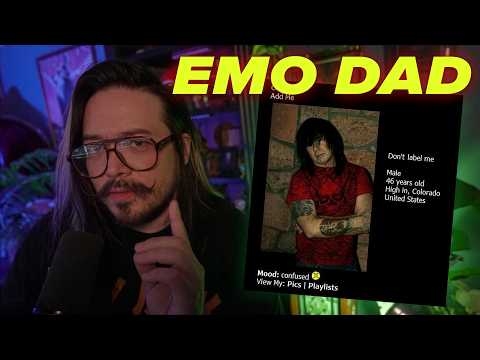
    • In August 2009, a 46-year-old man posting as CrisXcruX uploaded mirror selfies wearing eyeliner to MySpace, inadvertently launching a viral phenomenon.
    • Within three weeks, internet communities rechristened him “Emo Dad,” turning his photos into widely circulated image macros.
    • Within two years, he became one of the most recognizable faces of the image-macro era, exemplifying the speed and unpredictability of early social-media fame.

    The Accidental Meme: How a MySpace Profile Became Internet Folklore

    Late summer 2009 marked a pivotal moment in the evolution of user-generated celebrity. A 46-year-old man, identifying himself only by the handle CrisXcruX, posted a handful of mirror self-portraits to his MySpace page. The images showed him wearing dark eyeliner and adopting the aesthetic associated with the emo subculture then flourishing on the platform. What began as a personal expression of style quickly escaped the boundaries of his friends list.

    From Profile Pic to Image Macro in Three Weeks

    The compression of time between upload and ubiquity was startling. In under three weeks, anonymous users across forums, imageboards, and early social networks had detached the photos from their original context, applied the moniker “Emo Dad,” and begun layering captions that riffed on generational clashes, midlife reinvention, and the absurdity of subcultural signifiers. The meme’s velocity highlighted how MySpace’s open architecture and the nascent culture of remix turned ordinary users into raw material for collective storytelling.

    Cementing a Place in the Image-Macro Canon

    By 2011, “Emo Dad” had graduated from a fleeting joke to a staple of the image-macro era—a period defined by bold white Impact-font captions pinned to recognizable faces. His likeness appeared alongside contemporaries such as Bad Luck Brian, Scumbag Steve, and Success Kid, illustrating how a single MySpace snapshot could achieve parity with professionally photographed stock characters. The phenomenon underscored a broader shift: internet fame no longer required intent, strategy, or even youth; it required only a moment of visual resonance that the network decided to amplify.

    Why This Matters

    The “Emo Dad” trajectory remains a case study in the mechanics of early viral culture. It demonstrates how platforms like MySpace functioned as both stage and distribution engine, allowing niche self-presentation to become mass-media property almost overnight. For researchers of digital culture, the episode illustrates the fragility of context online and the speed at which communities can co-opt identity. For platforms, it foreshadowed the content-moderation and attribution challenges that would explode with the rise of TikTok, Instagram Reels, and AI-generated avatars—where the line between participant and payload is thinner than ever.

    Frequently Asked Questions

    Who was the man behind the “Emo Dad” meme?
    He was a 46-year-old MySpace user who posted under the name CrisXcruX; his real name was not disclosed in the original viral spread.
    Why did the photos go viral so quickly?
    The contrast between his age, the emo aesthetic, and the candid mirror-selfie format struck a chord with early meme communities, who rapidly remixed the images with humorous captions.
    Is “Emo Dad” still referenced today?
    While the peak of image-macro culture has passed, “Emo Dad” persists in meme retrospectives and academic discussions of 2000s internet folklore as a defining example of accidental viral fame.
  • Man’s 8 Non-Negotiables for How Men Should Treat Women Sparks Debate Over Paying for First Meal

    Man’s 8 Non-Negotiables for How Men Should Treat Women Sparks Debate Over Paying for First Meal

    Key Highlights

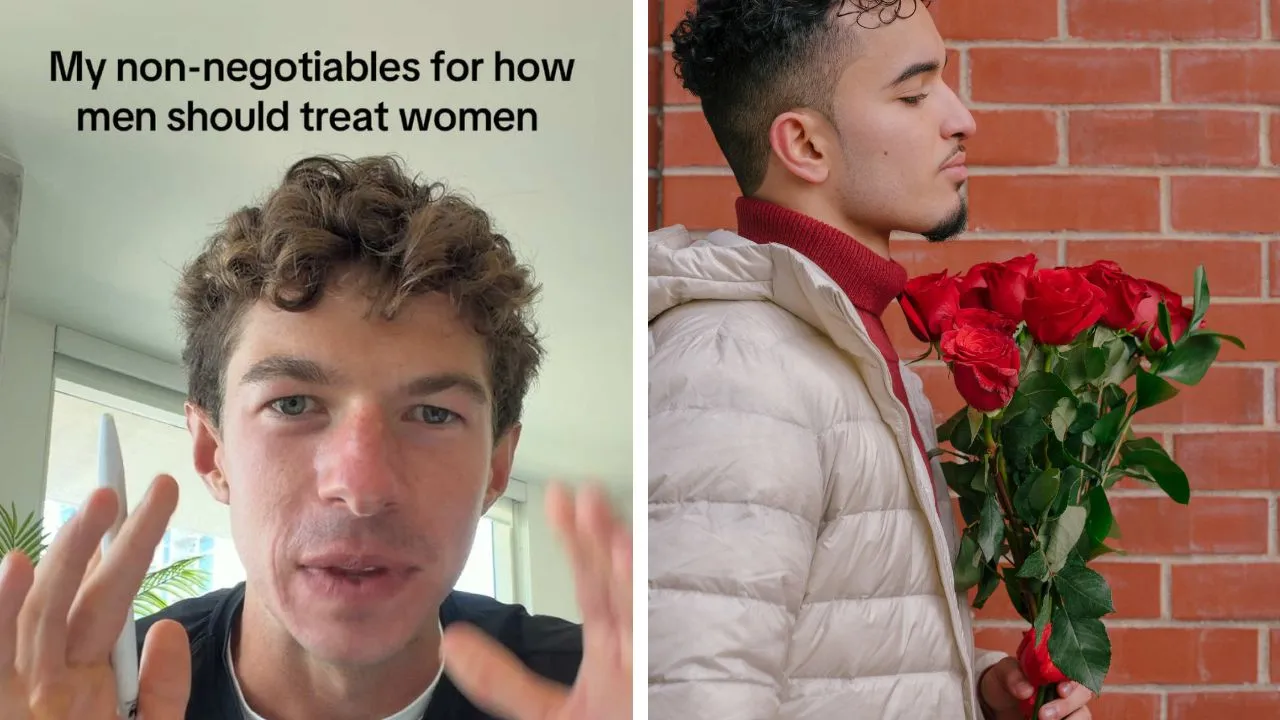
    • TikTok creator Chase Ridgeway (@chaseridgewayy) posted a video on August 5 outlining eight “non-negotiables” for how men should treat women, garnering approximately 179,800 likes and over 2,600 comments.
    • The rules cover traditional gestures like holding doors, walking street-side, paying for the first meal, and planning dates, alongside emotional expectations such as valuing a woman’s problems equally and being warm to her friends and family.
    • The comment section revealed sharp divisions, particularly over the expectation that men always pay for the first date and the concept of men “leading” in relationships, with some viewers calling the list “antiquated and conservative-coded” while others praised it as a “masterclass.”

    TikTok Creator’s Eight Dating Rules Spark Viral Debate

    On August 5, TikTok creator Chase Ridgeway, known as @chaseridgewayy, published a video enumerating eight “non-negotiables” regarding how men should treat women in dating contexts. Despite stating he had been single for three years, Ridgeway presented the list as a standard he believes men should meet. As of publication, the clip had accumulated roughly 179,800 likes and more than 2,600 comments, triggering a wide-ranging conversation about modern dating expectations, gender roles, and reciprocity.

    The Eight Rules: Gestures, Planning, and Emotional Weight

    Ridgeway’s guidelines blend conventional chivalry with emotional attentiveness. His first rule instructs men to hold doors open—whether apartment or car doors. The second advises that when walking with a woman, the man should position himself between her and the street. The third calls for men to be warm toward a woman’s friends and family, “greeting them with the same enthusiasm as he would the woman.”

    The fourth rule drew immediate contention: men should always pay for the first meal, “even if the woman offered to split the cost or pay entirely.” The fifth rule shifts to emotional labor, stating that when a woman shares her problems, the man “should treat those as just as important as his.” The sixth recommends offering to carry a woman’s bag or anything she might be holding, “even if she declined.” The seventh is practical: always bring a jacket in case the woman gets cold. The final rule addresses agency in planning: men should make plans rather than constantly asking their partners where they would like to go or what they would like to do. Ridgeway called this “taking the lead, though he admitted that a woman might prefer not to be led.”

    Comment Section Divides Over Payment and “Leading”

    The response was far from monolithic. Many commenters embraced the list enthusiastically. One urged Ridgeway to give a “masterclass” to all men, while another joked that women should watch the video at full volume next to their situationship. Multiple users specifically praised the emphasis on planning dates and treating a woman’s social circle well.

    However, criticism emerged sharply. One commenter characterized the list as “antiquated and conservative-coded,” while another argued that some of the behaviors are simply platonic acts of kindness, not gendered obligations. The idea that men should always pay for the first meal generated a “vastly different set of responses.” Some agreed, but others countered that paying for dinner should not mean the person who paid is entitled to anything else.

    The concept of “leading” a woman also prompted nuanced pushback. A commentator noted that women might want to be led, but only in “respectful ways” that are compatible with feminism. Another maintained that men and women should be treated equally no matter what. Several users expanded on Ridgeway’s framework, adding that relationship expectations should involve sharing the mental load, doing domestic work, looking after children, and supporting a partner’s personal interests—emphasizing that these responsibilities are gender neutral.

    Why This Matters

    The viral traction of Ridgeway’s video underscores an ongoing cultural negotiation around dating scripts in the era of dating apps and shifting gender norms. While “chivalry” gestures like holding doors or walking street-side have historical roots in gendered protection rituals, their modern interpretation is contested: some view them as baseline respect, others as benevolent sexism. The debate over who pays for the first date remains a flashpoint because it intersects with income disparities, autonomy, and differing views on whether financial gesture signals investment or obligation. Meanwhile, the discussion around “leading” versus collaboration reflects broader questions about decision-making equity in relationships. The commenters who broadened the list to include mental load and domestic labor highlight a growing expectation that partnership standards extend beyond performative gestures into structural equality. As dating discourse migrates to short-form video platforms, these conversations become public, searchable, and algorithmically amplified—shaping norms in real time.

    Frequently Asked Questions

    Who is Chase Ridgeway and when was the video posted?

    Chase Ridgeway is a TikTok creator who posts under the handle @chaseridgewayy. He published the video outlining his eight dating “non-negotiables” on August 5.

    What were the most controversial rules in the list?

    The requirement that men always pay for the first meal—even if the woman offers to split or pay—and the expectation that men “take the lead” by planning all dates generated the most divided reactions in the comments.

    Did commenters suggest additions to Ridgeway’s list?

    Yes. Several commenters argued that relationship expectations should also include sharing the mental load, dividing domestic work and childcare, and supporting a partner’s personal interests, noting these responsibilities should be gender neutral.

  • ‘I Will Kill You’: Woman’s ‘Worse Than Cheating’ Dealbreakers Include Giving Someone a Ride Home

    ‘I Will Kill You’: Woman’s ‘Worse Than Cheating’ Dealbreakers Include Giving Someone a Ride Home

    Key Highlights

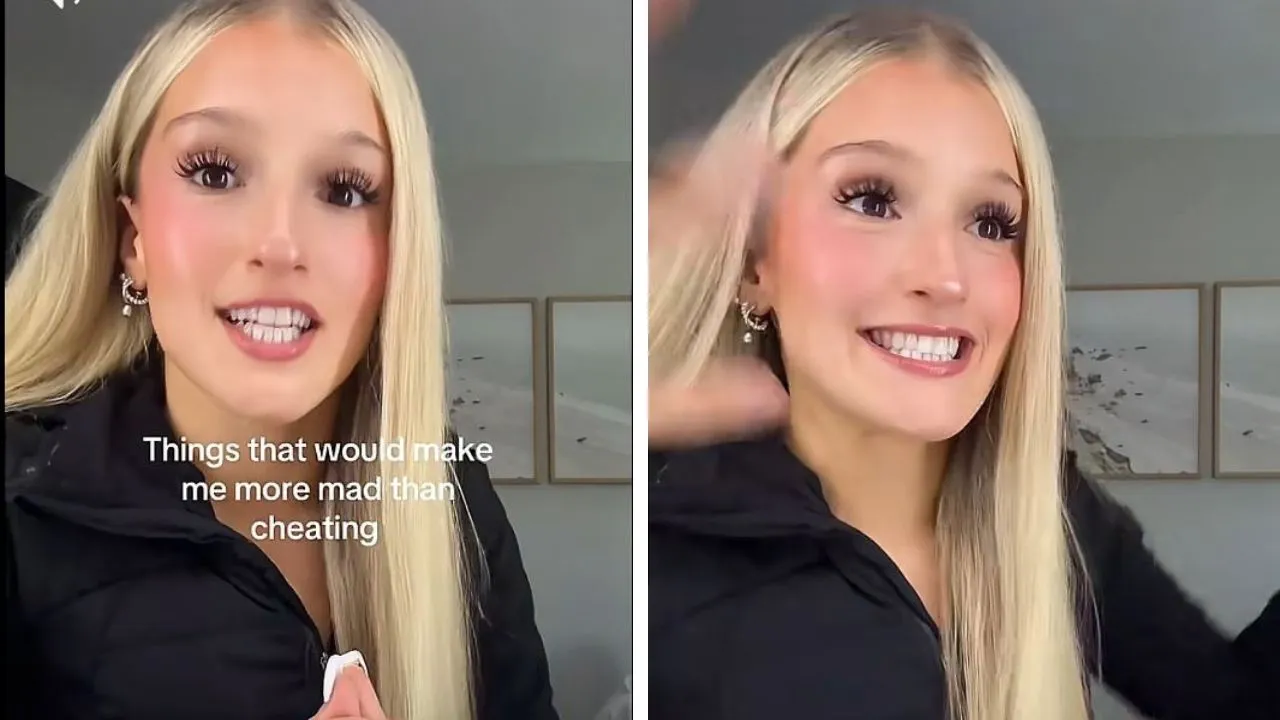
    • TikToker Laila Hakim (@ulovelailahakim) viral video outlines four relationship behaviors she considers “worse than cheating,” including sending money to other women and giving female friends rides home.
    • The video amassed over 237,400 likes and 1,274 comments, sparking heated debate in the comments section about trust, boundaries, and gender dynamics in relationships.
    • Hakim explicitly stated none of the four scenarios constitute actual infidelity, but rather represent boundaries that would upset her more than cheating itself.

    TikTok Creator Laila Hakim Sparks Viral Debate With “Worse Than Cheating” Relationship Boundaries

    Content creator Laila Hakim, known on TikTok as @ulovelailahakim, ignited a firestorm of discussion after posting a video enumerating four specific behaviors she considers dealbreakers “worse than cheating.” The video, which had garnered 237,400 likes and 1,274 comments as of publication, features Hakim delivering her list with a mix of hyperbolic humor and firm conviction, preemptively acknowledging the backlash she expected to receive.

    Financial Boundaries and Transportation Rules Top the List

    Hakim opened her list with a hard line on finances: a man sending money to another woman who is not a family member. “I will f—— literally kill you,” she said, “in a clearly exaggerated, joking tone. ‘I’ll have to. I’ll have to.’” She immediately followed with a prohibition on giving other women rides home, dismissing the concept entirely. “I don’t give a f-ck. I don’t give a f—, ‘She can Uber home. She can Uber. She can f—— Uber.’”

    Anticipating pushback, Hakim addressed the audience directly mid-video. “I can’t believe you guys are gonna fight me on this sh-t, too,” Hakim said, adding that she trusted her boyfriend “with my whole heart and soul” even while laying down the rule.

    Dancing and Disclosure Round Out the Four Dealbreakers

    The third item drew on Hakim’s personal background. Identifying herself as a dancer, she issued an ultimatum regarding her partner dancing with anyone else. “If you want to dance with anyone, you can dance with me.” She characterized any violation as relationship-ending. “That would disturb me to another level. I would have to break up with you,” she said.

    The final scenario involved a woman expressing interest in her boyfriend who remains unaware of his relationship status. Hakim drew the line not at reciprocation, but at omission. “Especially if you don’t tell her you have a girlfriend,” she said. “Oh, f-ck that, f-ck that, f-ck that.”

    Throughout the video, Hakim emphasized repeatedly that none of the four scenarios actually constitute cheating. Rather, she framed them as behaviors that would upset her more than infidelity itself — a distinction that became a focal point of the ensuing comment section debate.

    Comment Section Splits on Trust, Context, and Gender Dynamics

    The response in the comments revealed a sharply divided audience. One commenter defended the logic behind the ride-sharing rule, writing: “She trusts her bf she doesnt trust the girls around him espesically in his car [sic].”

    Another pushed back forcefully on the same point: “To everyone who is confused, giving someone in need a ride home is not cheating and you all need to grow up fr.”

    A third commenter challenged the financial boundary by introducing a hypothetical scenario involving menstrual products, then establishing their own separate red line: “Now I’d kill him for paying for someone’s Uber.”

    Why This Matters

    The viral spread of Hakim’s video illustrates how relationship boundary discourse has become a dominant genre of social media content, particularly on TikTok where algorithmic amplification turns personal preference lists into referendum-style debates. The video’s engagement metrics — nearly a quarter-million likes and over a thousand comments — demonstrate the high emotional resonance of trust, fidelity, and gendered expectations in modern dating culture.

    The divided reaction also highlights a broader cultural tension: whether relationship boundaries should be understood as expressions of individual security needs or as controlling behaviors that isolate partners from platonic social networks. Hakim’s explicit framing — that these are “worse than cheating” yet “not cheating” — encapsulates the ambiguity that fuels such debates. The Daily Dot was unable to independently verify whether the scenarios described reflect real events in Hakim’s relationship, underscoring the performative nature of much creator-led relationship content.

    Frequently Asked Questions

    Who is Laila Hakim and what is her TikTok handle?
    Laila Hakim is a TikTok content creator who posts under the handle @ulovelailahakim. She identifies herself as a dancer in the video.
    What are the four dealbreakers she listed?
    The four behaviors Hakim considers “worse than cheating” are: (1) a man sending money to a woman who isn’t a family member, (2) giving other women rides home, (3) dancing with someone other than her, and (4) not telling an interested woman that he has a girlfriend.
    Does Hakim consider these behaviors to be cheating?
    No. Hakim explicitly stated repeatedly throughout the video that none of the four scenarios count as cheating. She framed them as boundaries that would upset her more than infidelity itself.
  • Woman Emails HR About $3,000 Payroll Error; Company Withdraws $5,500, Leaving Her Account Negative for Two Weeks

    Woman Emails HR About $3,000 Payroll Error; Company Withdraws $5,500, Leaving Her Account Negative for Two Weeks

    Key Highlights

    • A Reddit user reported her employer accidentally deposited $3,000 extra with her $2,500 paycheck, then withdrew $8,500 via two reverse ACH transfers, leaving her account negative $3,200.
    • The company cited its direct deposit agreement as authorization for the reversals and said the correct paycheck would be reissued in two weeks, triggering overdraft fees and a bounced mortgage payment.
    • Reddit commenters on r/legal advised documenting all fees, requesting an off-cycle correction, and escalating to legal counsel or state labor boards if the employer refuses to remedy the negative balance promptly.

    Payroll Error Triggers $8,500 Reversal, Leaving Employee Overdrawn

    A Reddit user identified as u/Titan5_Overlord detailed a severe payroll dispute on the r/legal subreddit, explaining that her employer mistakenly deposited an additional $3,000 alongside her regular $2,500 paycheck last Friday. Upon noticing the error, she immediately emailed her HR manager and payroll department in writing, asking for the proper procedure to return the $3,000 overpayment. The only response she received was an automated reply stating the payroll department was out of the office.

    Company Initiates Dual Reverse Wires Totaling $8,500

    Days later, the situation escalated dramatically. “Thursday night, I logged into my bank app and saw that my checking account was negative thirty-two hundred dollars,” she wrote. Instead of simply reclaiming the $3,000 overpayment, the company’s payroll department initiated two separate reverse wire transfers: “They pulled the original fifty-five hundred dollar deposit and then another three thousand dollars on top of it,” according to her post. The combined $8,500 withdrawal completely drained her personal savings, triggered five overdraft fees, and caused her automatic mortgage payment to bounce.

    Employer Cites Direct Deposit Agreement, Defers Resolution Two Weeks

    When she contacted her HR director, she was told the company’s direct deposit agreement granted it full authority to reverse erroneous transactions at its discretion. The employer further stated that her correct paycheck would not be reissued until the next scheduled pay cycle — two weeks away. “My bank is telling me this was an authorized ACH reversal from my employer, while my employer is acting like leaving an employee with negative three thousand dollars for two weeks is just an administrative inconvenience,” she wrote. “I should have never signed up for direct deposit with this place.” She concluded by asking, “Can an employer legally pull more money than they overpaid and refuse to fix the negative balance immediately?”

    Why This Matters

    This incident highlights the significant power imbalance inherent in direct deposit authorization agreements, which many employees sign without fully understanding the scope of reversal rights granted to employers. While the National Automated Clearing House Association (NACHA) rules permit employers to reverse erroneous deposits within five banking days, they do not authorize withdrawing amounts exceeding the original error — a distinction that may violate state wage payment laws and consumer protection statutes. The employee’s experience underscores the risk of cascading financial harm when payroll errors are compounded by aggressive recovery tactics, including overdraft fees, bounced essential payments, and prolonged negative balances. Labor attorneys typically advise that employers must correct their own errors without penalizing the employee, and several states — including California, referenced by a commenter — have specific statutes prohibiting unauthorized deductions and requiring prompt remediation of payroll mistakes.

    Frequently Asked Questions

    Can an employer legally withdraw more than the overpaid amount from an employee’s account?

    Generally, no. NACHA rules allow reversal of the erroneous amount only, and most state wage laws prohibit deductions that exceed the overpayment or that leave the employee with a negative balance. The employer’s withdrawal of $8,500 to recover a $3,000 error likely exceeds legal authority.

    What immediate steps should an employee take if this happens?

    Document everything: the original overpayment notice, your written notification to HR/payroll, bank statements showing the dual reversals, overdraft fees, and any bounced payments. Request an off-cycle correction in writing, cite applicable state wage payment laws, and ask the employer to cover all resulting fees. If they refuse, file a wage claim with your state labor board and consult an employment attorney.

    Does a direct deposit agreement give employers unlimited reversal rights?

    No. While direct deposit agreements typically authorize reversal of erroneous entries, they do not override federal NACHA limits or state laws that protect employees from unauthorized or excessive withdrawals. An agreement cannot legally permit the employer to debit more than the mistake amount or to delay restoring the employee’s correct wages for weeks.

  • Golden Retriever Follows Google Street View Photographer, Appears in More Than 1,000 Google Maps Photos

    Golden Retriever Follows Google Street View Photographer, Appears in More Than 1,000 Google Maps Photos

    Golden Retriever Appears in More Than 1,000 Google Street View Photos

    A golden retriever accidentally photo-bombed more than 1,000 Google Street View photos taken by a photographer working for Google. The dog’s repeated appearances turned it into an unexpected feature of the imagery captured for the mapping service.

    The photos were taken by a Google photographer, who was documenting images for Google Street View when the golden retriever appeared in the camera’s view. Rather than featuring in a single image, the dog was recorded in more than 1,000 photos.

    The incident illustrates how people, animals and other everyday surroundings can unintentionally enter imagery collected for digital mapping. In this case, the golden retriever’s presence was repeated across a large number of Google Street View photographs.

    Why This Matters

    Google Street View imagery is created to provide visual records for the service, but the accidental appearance of the golden retriever shows how unexpected moments can become part of large-scale mapping photography. The dog’s appearance across more than 1,000 photos made it a notable, unplanned element of the Google Street View collection.

    Frequently Asked Questions

    How many Google Street View photos featured the dog?

    The golden retriever appeared in more than 1,000 Google Street View photos.

    Who took the photos?

    The images were taken by a photographer working for Google.

    Was the dog intentionally included?

    No. The golden retriever accidentally appeared in the photos while the Google photographer was capturing imagery for Google Street View.