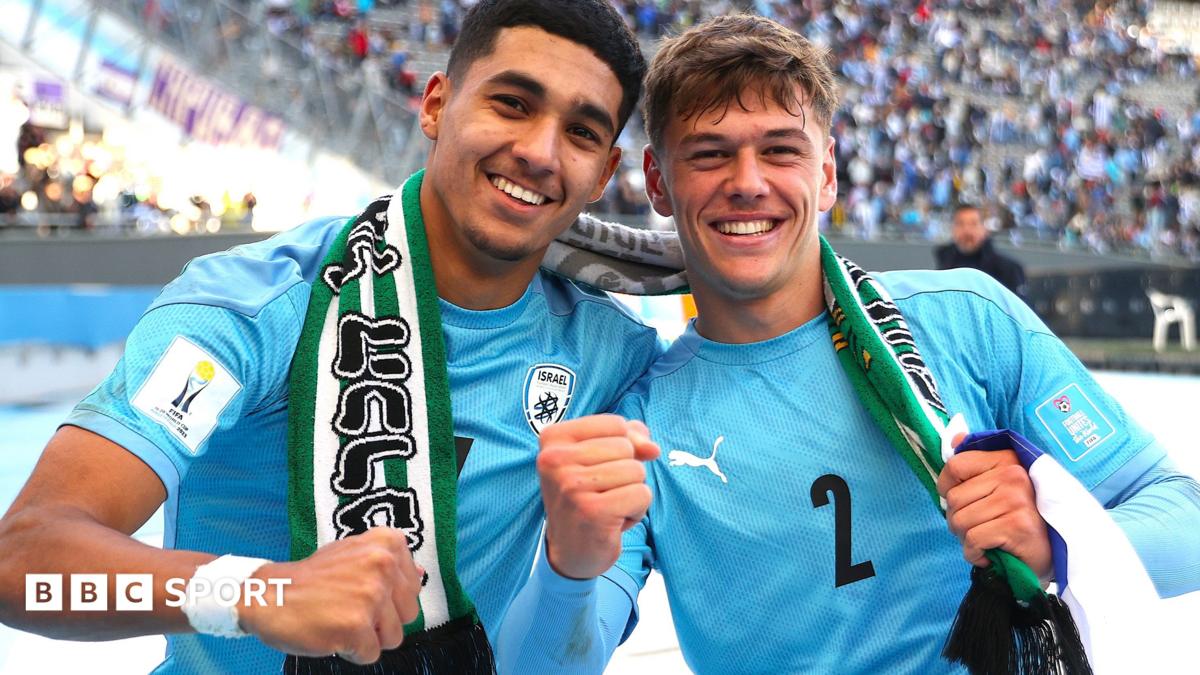
Racism in Israeli football intensified after October 7
Racism has long been a feature of Israeli club football, with Beitar Jerusalem supporters among the most notorious examples. In 2013, ultras burned down their own club offices in protest at the signing of two Chechen Muslims. The most extreme Beitar Jerusalem fans have also taunted Israeli Arabs with chants of may your village burn
while declaring themselves forever pure
.
Matan Segal directed Kick It Out Israel, an anti-discrimination initiative with similar aims but no connection to the English organisation of the same name, for almost four years before stepping down a few months ago. During his time with the organisation, Segal said racism against Arab players became more virulent and widespread.
He identified several factors behind the change. The Covid-19 lockdown period radicalised some fans online, while the election of Israel’s far-right government at the end of 2022 legitimised views toward Palestinians that had previously been considered extreme. The war that followed the October 7 attacks was another major factor.
“Before 7 October, people generally respected the Arab players,” Segal said.
“Even though they had difficulties with them not singing the Israeli anthem, they respected them and they could talk about it. “After 7 October though, we saw an increase in racist remarks.”
“It was happening at small clubs where we hadn’t seen it before. There were terrible songs – ‘Let’s kill all Arabs’, ‘There are no schools in Gaza because there are no children left’.
Israel-Gaza war turns football into an emotional focal point
Football has become a focal point for emotions generated by the conflict. Clubs that are normally bitter rivals came together to remember those killed by Hamas, while scarves formed part of commemorations at the site of the Nova music festival, where hundreds of people were killed.
Hapoel Jerusalem’s club badge now features a silhouette of Hersh Goldberg-Polin, who was abducted and killed in captivity. His parents have campaigned for peace through their grief.
At the same time, Israeli Defence Force (IDF) soldiers have posed with club flags and banners while operating in Gaza, dedicating their actions to the clubs and ultras back home. That heightened atmosphere has placed young footballers under constant scrutiny and pressure. Many are closely connected to the conflict through Israel’s national service programme and the steady flow of online commentary and images.
Israeli footballers face abuse and personal pressure
Omer Gloukh’s lifelong friend Afik Tery was killed by a Hamas explosive while serving in the IDF. After Tery’s death, Gloukh posted a poignant series of pictures showing the pair arm-in-arm over the years, from childhood birthday parties to a wedding, with the final image showing Tery’s funeral. Some online replies included taunts from pro-Palestinians.
For Israel players with Palestinian heritage, the stakes are especially high. Dia Saba, a 33-year-old playmaker who performs a similar role to Gloukh, has scored three goals in 13 appearances for Israel. He is unlikely to add to that tally.
Saba was one of Maccabi Haifa’s most prominent players when, at the start of the conflict, his wife Narmin posted a message on Instagram.
“There are children in Gaza, too,” she wrote.
Saba apologised for the outrage caused, but could not save his career in Israel. He left Maccabi Haifa in 2025 and now plays for Turkish club Amedspor.
“My dream was to play for Maccabi Haifa, the club that I support, the team that I grew up with,” Saba said at the time.
“I wanted to continue. But sometimes there are reasons that are stronger than us that don’t allow it.”
Why This Matters
The experiences described by Matan Segal and Dia Saba show how the Israel-Gaza war has intensified existing divisions within Israeli football. Abuse that Segal said was once concentrated among notorious groups has reached smaller clubs, while players are being judged through the lens of national identity, military service, family background and social-media activity. Football remains a shared public space, but the conflict has made that space increasingly politicised and emotionally charged.
Frequently Asked Questions
What is Kick It Out Israel?
Kick It Out Israel is an anti-discrimination initiative that pursued aims similar to those of the English organisation Kick It Out, but the two organisations have no link.
Why did racism against Arab players increase?
Matan Segal cited online radicalisation during Covid lockdowns, the election of Israel’s far-right government at the end of 2022 and the war following the October 7 attacks as contributing factors.
Why did Dia Saba leave Maccabi Haifa?
Saba left Maccabi Haifa in 2025 after his wife, Narmin, posted There are children in Gaza, too
on Instagram at the start of the conflict. Saba apologised for the backlash but was unable to continue his career at the club.
Leave a Reply