Key Highlights
- Pumpkin spice lattes signal the unofficial start of fall for many consumers, preceding both Labor Day and the autumnal equinox.
- The seasonal flavor has expanded far beyond coffee to encompass a vast array of food, beverage, and lifestyle products.
- Retailers and coffee chains typically launch pumpkin spice menus in late August or early September to capture early seasonal demand.
The Cultural Phenomenon of Pumpkin Spice Season
For millions of Americans, the calendar does not dictate the arrival of autumn—the return of the pumpkin spice latte does. This annual ritual has evolved from a niche seasonal offering into a cultural touchstone that marks the psychological transition from summer to fall. Coffee shops across the country, from national chains like Starbucks and Dunkin’ to independent local cafés, plan their autumn launches months in advance, knowing that the first sip of cinnamon, nutmeg, ginger, and clove-infused espresso triggers a wave of consumer enthusiasm that drives significant seasonal revenue.
Beyond the Latte: A Flavor Empire
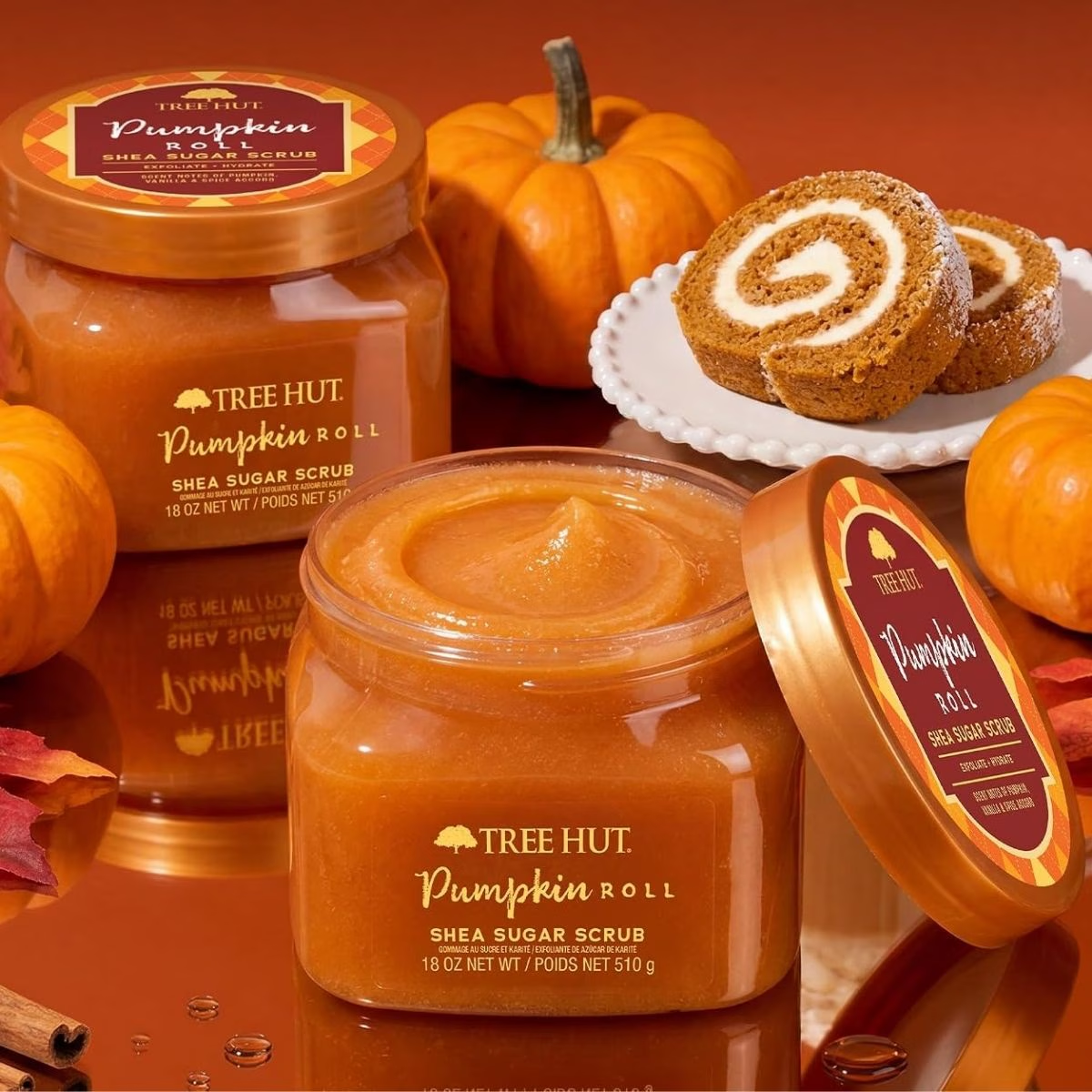
What began as a coffee syrup has metastasized into a ubiquitous flavor profile. Supermarket shelves now feature pumpkin spice iterations of nearly every conceivable product: breakfast cereals, yogurt, cream cheese, pancake mix, beer, whiskey, cookies, candles, and even personal care items such as body wash and deodorant. The flavor’s versatility—warm, sweet, and nostalgic—makes it uniquely adaptable to both sweet and savory applications, fueling a marketing juggernaut that generates hundreds of millions of dollars in incremental sales each year. Food scientists and product developers treat the annual pumpkin spice window as a high-stakes innovation cycle, racing to introduce novel formats that capture social media attention and shelf space.
Why This Matters
The pumpkin spice economy reflects broader shifts in seasonal marketing and consumer psychology. Brands leverage limited-time offerings to create urgency, foster community rituals, and generate earned media through user-generated content. The early launch dates—often creeping into late August—demonstrate how retailers compress selling seasons to maximize revenue in a competitive landscape. For the food and beverage industry, the pumpkin spice cycle serves as a leading indicator of holiday-season consumer sentiment and discretionary spending patterns. As supply chains stabilize and inflation moderates, the 2024 season will test whether shoppers maintain their appetite for premium seasonal indulgences or pivot toward value-oriented alternatives.
Frequently Asked Questions
When do pumpkin spice lattes usually become available?
Most major coffee chains release their pumpkin spice menus in late August or the first week of September, well before the autumnal equinox in late September.
Why has pumpkin spice expanded to so many non-coffee products?
The flavor profile evokes comfort and nostalgia, making it a powerful seasonal marketing tool that drives impulse purchases across multiple categories, from groceries to home fragrance.
Is the pumpkin spice trend showing signs of decline?
Sales data consistently shows year-over-year growth in pumpkin spice product launches and revenue, indicating sustained consumer demand despite occasional claims of “pumpkin spice fatigue.”
Leave a Reply