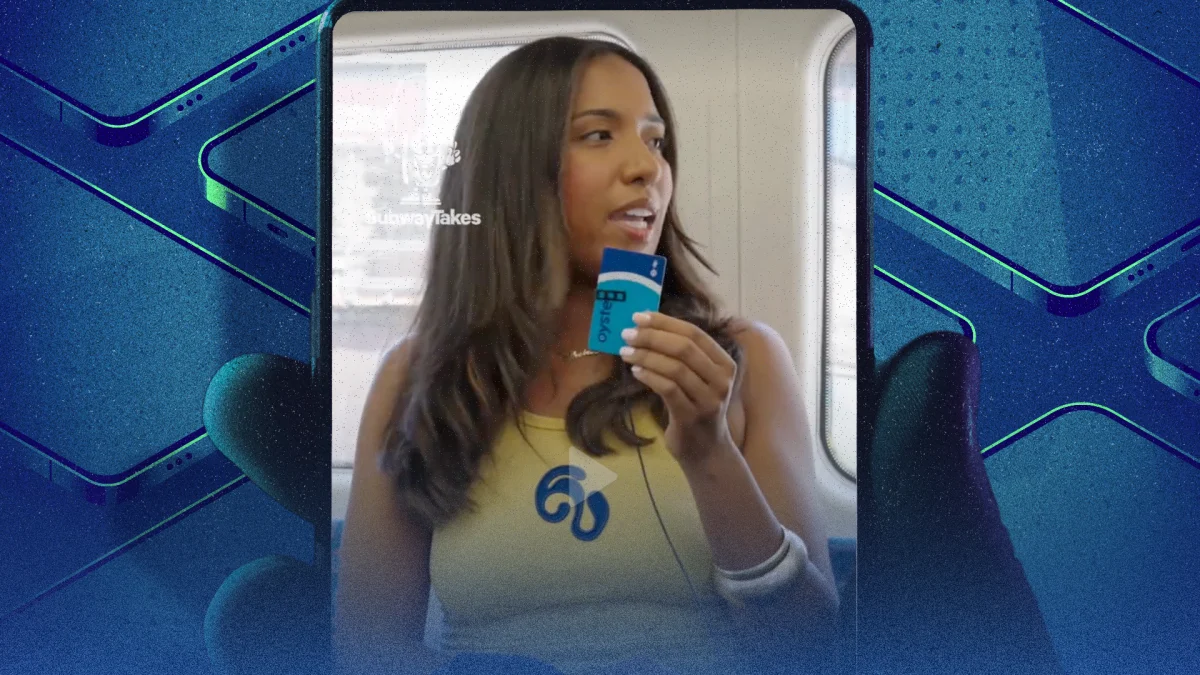
Shelen Says Parents Forcing Children to Make TikToks Is Child Labor
Kareem Rahma’s Subway Takes series is known for its sharp takes, and the latest episode turns its attention to parents who make influencers and social media stars out of their children.
In a video posted Wednesday, Rahma took the London Underground—not the New York Subway—with British content creator, podcaster and presenter Shelen. Shelen criticized parents who repeatedly feature their children in TikTok videos.
“Forcing your child to do a TikTok is child labor,” she said. “I’m not talking to parents who have a child and the child pops up in a vlog every now and again. I’m not talking to people who capture an organically, genuinely hilarious moment, post it on the internet, and we all laugh. I’m talking about the parents that make their child clock in, like they need to earn their keep.”
“Content work is real work,”
Rahma agreed. I do it. It’s hard. It’s hard work.
The legal and ethical risks of child influencer content
Shelen’s argument examines the legal and ethical problems that arise when parents make money from online videos featuring their children. She discussed the profits involved, the risk of online child sexual exploitation, parents giving away the rights to their children’s images and the possibility that a child’s likeness could be manipulated using artificial intelligence.
“People are thinking, Shelen, you know what? Posting my child is easy money. Yes, that tends to be the law behind child labor. Do you know what I’m saying? It doesn’t make it OK,”
Shelen added.
In the UK, there are currently no specific child labor laws regulating child influencers or creators. Children under 14 can work part-time in entertainment industries such as television and theater, but they need a performance license, along with parental consent and supervision. They are not eligible for the National Minimum Wage until they are 16.
Children can begin full-time work of up to 40 hours a week after turning 16. However, these rules do not apply to influencers or content creators. Existing child labor laws were not designed for social media work, creating a potential regulatory gap.
US states are beginning to protect child influencers
In the United States, regulations vary from state to state. Illinois became the first state to pass a law protecting child influencers in 2023. The law allows children under 16 working “in an artistic or creative service” to sue if they are not paid for appearing in online content made by their parents or guardians.
California, Minnesota and Utah have since introduced similar laws.
“I feel like one day laws will change, society will change, these kids will grow up, and they will sue their asses,” said Shelen in her Subway Takes episode. “And I can’t wait to watch.”
Leave a Reply